en.Wedoany.com Reported - South Korea's three major telecom operators—SK Telecom, KT, and LG U+—have recently announced investment plans centered on artificial intelligence infrastructure, marking the country's telecom industry's expansion from traditional connectivity services into areas such as hyperscale data centers, AI computing, and next-generation networks.
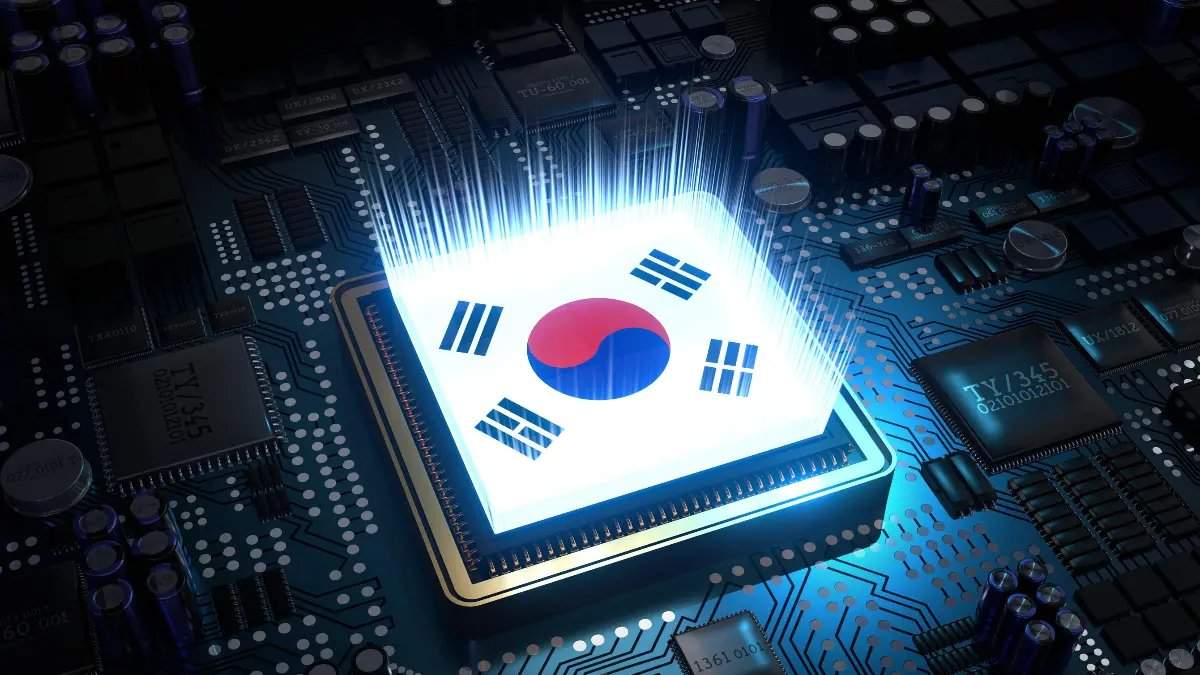
Over the past few weeks, the three operators have successively unveiled development plans focused on AI infrastructure. These projects align with the South Korean government's AI G3 initiative, which aims to position the country among the top three global AI powerhouses through investments in AI infrastructure, semiconductors, and related technologies. Telecom operators are increasingly viewing AI platforms and digital infrastructure as future growth engines.
SK Telecom announced the most ambitious expansion plan. The operator plans to develop up to 15 gigawatts (GW) of AI data center capacity by 2035, with the first 5 GW coming online in phases starting in 2029. Initial projects include expanding its Ulsan AI data center into a multi-gigawatt campus while developing another large-scale facility in southwestern South Korea. SK Telecom stated that the plan will integrate semiconductor technology, energy solutions, and data center expertise from within the SK Group. The company is also collaborating with Nvidia to develop a gigawatt-scale AI cloud based on Nvidia's AI factory architecture, with the first deployment expected in 2027.
KT unveiled a broader AI transformation strategy, investing approximately 18 trillion Korean won (about $12 billion) over the next three years. Of this, about 5 trillion won is specifically allocated for AI data centers, targeting 1 GW of AI infrastructure capacity. Beyond data centers, KT plans to invest approximately 8 trillion won in network infrastructure, including data center interconnect (DCI), 6G technology, and satellite communications, while allocating about 1 trillion won to expand submarine cable capacity to meet growing international AI traffic. KT executives emphasized that connectivity will become a key differentiator for AI infrastructure, particularly in the context of interconnecting hyperscale facilities and supporting growing demand for international data flows.
LG U+ has positioned itself as an "AI factory operator," with its core initiative being the construction of a new 200-megawatt (MW) AI data center in Paju. The campus supports both air cooling and liquid cooling from the design stage, with infrastructure capable of accommodating high-density AI deployments. According to the company, the first 50 MW building is scheduled for completion next year and is already fully contracted. LG U+ aims to achieve cumulative AI computing orders of 5 trillion won by 2030 while expanding its AI infrastructure business.
Although each operator's strategy has its own focus, their announcements reflect a common shift in priorities. South Korea's leading operators are no longer solely focused on traditional telecom services but are expanding into a broader AI infrastructure layer encompassing data centers, networks, AI computing, and supporting technologies. These AI infrastructure investments also reinforce the country's AI strategy, where data centers and related digital infrastructure are designated as strategic priorities.