Brazil's "Brasil Mais Produtivo" Program Launches BRL 56 Million Tender for Industrial Digitalization
en.Wedoany.com Reported - Brazil is making the smart factory model—based on the comprehensive interconnection of machines, systems, and operators—a strategic priority for reindustrialization. Projects promoted by the Brazilian Industrial Development Agency (ABDI), as well as the BRL 56 million tender launched by the "Brasil Mais Produtivo" program in partnership with the Ministry of Development, Industry, Trade and Services (MDIC), the National Industrial Training Service (SENAI), and the National Social and Economic Development Bank (BNDES), all reflect the nation's commitment to accelerating industrial digitalization and the application of artificial intelligence. However, the effectiveness of this technological transformation depends on a robust infrastructure capable of operating in demanding technical environments.
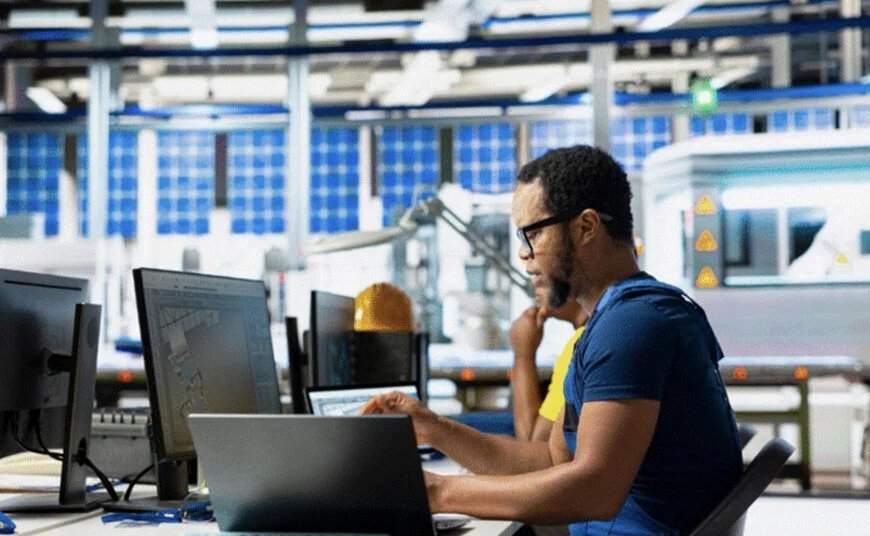
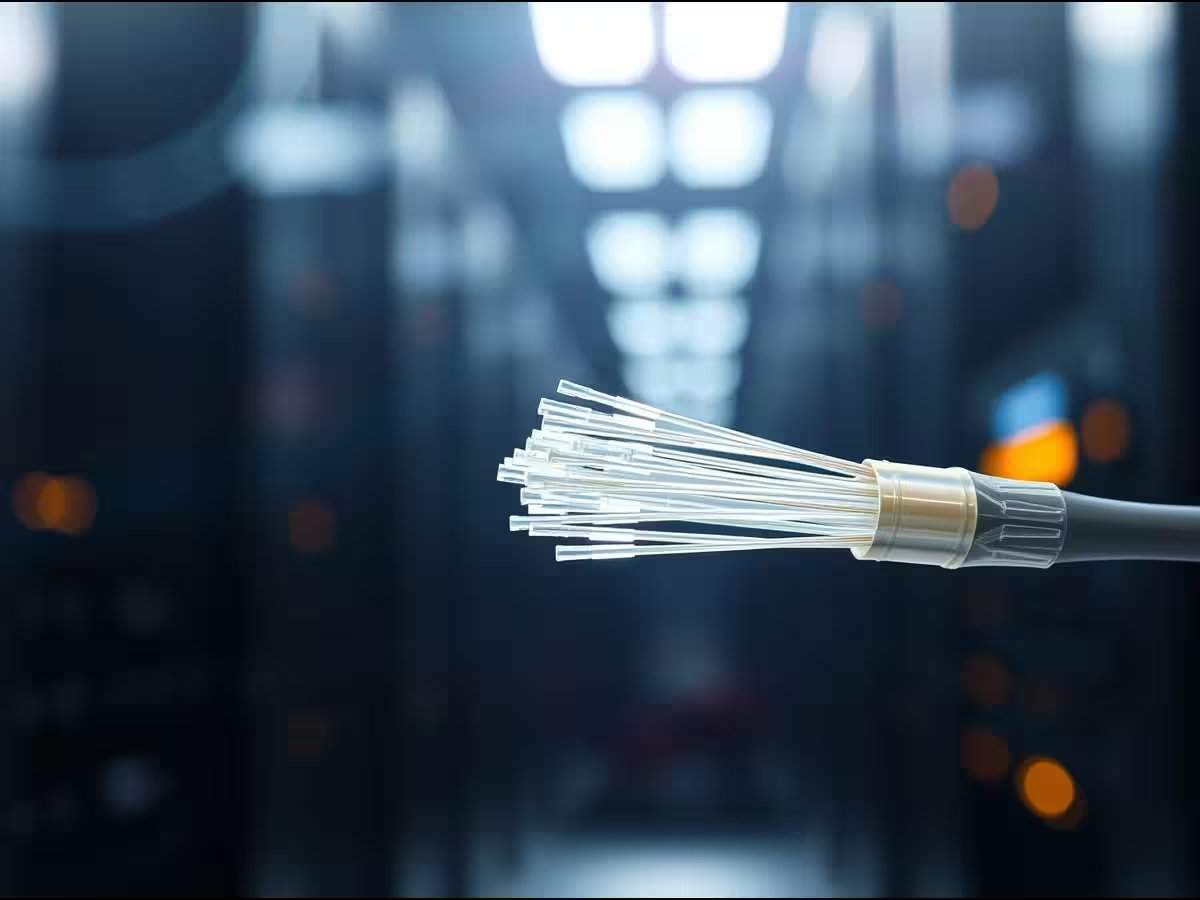
In an industrial context where productivity is measured in milliseconds, data communication failures can halt an entire production line and jeopardize automated systems. Douglas Marques, Sales Manager at LAPP Brazil, states that the integrity of data collection at the terminal depends on the resilience of the cabling infrastructure. "To ensure information reaches the management system intact, cables must withstand harsh environments, such as temperature variations, chemical exposure, continuous mechanical vibration, and electromagnetic interference," Marques explained.
The operation of a smart factory requires the integration of PLCs, robots, MES systems, ERP, and data analytics platforms. Interoperability between these layers is achieved through connectivity solutions that support multiple industrial protocols, such as PROFINET, EtherNet/IP, and IO-Link. In this context, the stability and reliability of the interconnection infrastructure become a key competitive advantage, complementing the role of more visible technologies like robotics and artificial intelligence.
As global powers accelerate investments in automation and advanced connectivity, Brazil is at a critical stage in modernizing its industrial base. Marques concluded: "The industry of the future will be defined not only by who has more artificial intelligence, but by who can integrate technology, connectivity, efficiency, and operational reliability. Brazil currently holds a significant advantage because it is in the process of building this transformation, enabling industries to modernize within a more connected and efficient logic."
Related Products




20 Inch 1600*900 Full HD 60Hz TFT LED Monitor with VGA and DP Interfaces for Desktop Computers-Business Use
Guangzhou Zanying Optoelectronics Technology Co., Ltd.
Automatic Aiming Laser Remote Obstacle Removal Robot
Pinggao Group Weihai High-Voltage Apparatus Co., Ltd.
GYTA Type Non-Self-Supporting Aerial/Duct Optical Cable
TONGDING INTERCONNECTION INFORMATION CO., LTD.


Hot Selling 10 Inch Intel N5100 I5 I7 FHD 8 +128GB 16+256GB Win10 Pro Win11 Pro 4G 5G Rugged Tablet PC Pad with NFC Barcode
Highton Electronics Co., Ltd.
Multi-function Marine Monitoring Low-altitude Detection Radar Sea-air Boundary Ocean Dynamic Environment Measurement
Chengdu Dixin Technology Co., Ltd.
Conveyor Belt Intelligent Monitoring System
LUO YANG WIRE ROPE INSPECTION TECHNOLOGY CO., LTD.

MUX Series Communication Interface Device for Security and Stability Control System
Nanjing NR Electric Co., Ltd.