India Proposes ₹1.25 Trillion Allocation for Semiconductor Mission 2.0, Focusing on Chip Manufacturing
en.Wedoany.com Reported - Whether India's long-term semiconductor strategy succeeds hinges critically on the development of the high-value areas of chip design and intellectual property (IP), rather than solely on massive investments in fabs and assembly, testing, marking, and packaging (ATMP) facilities.
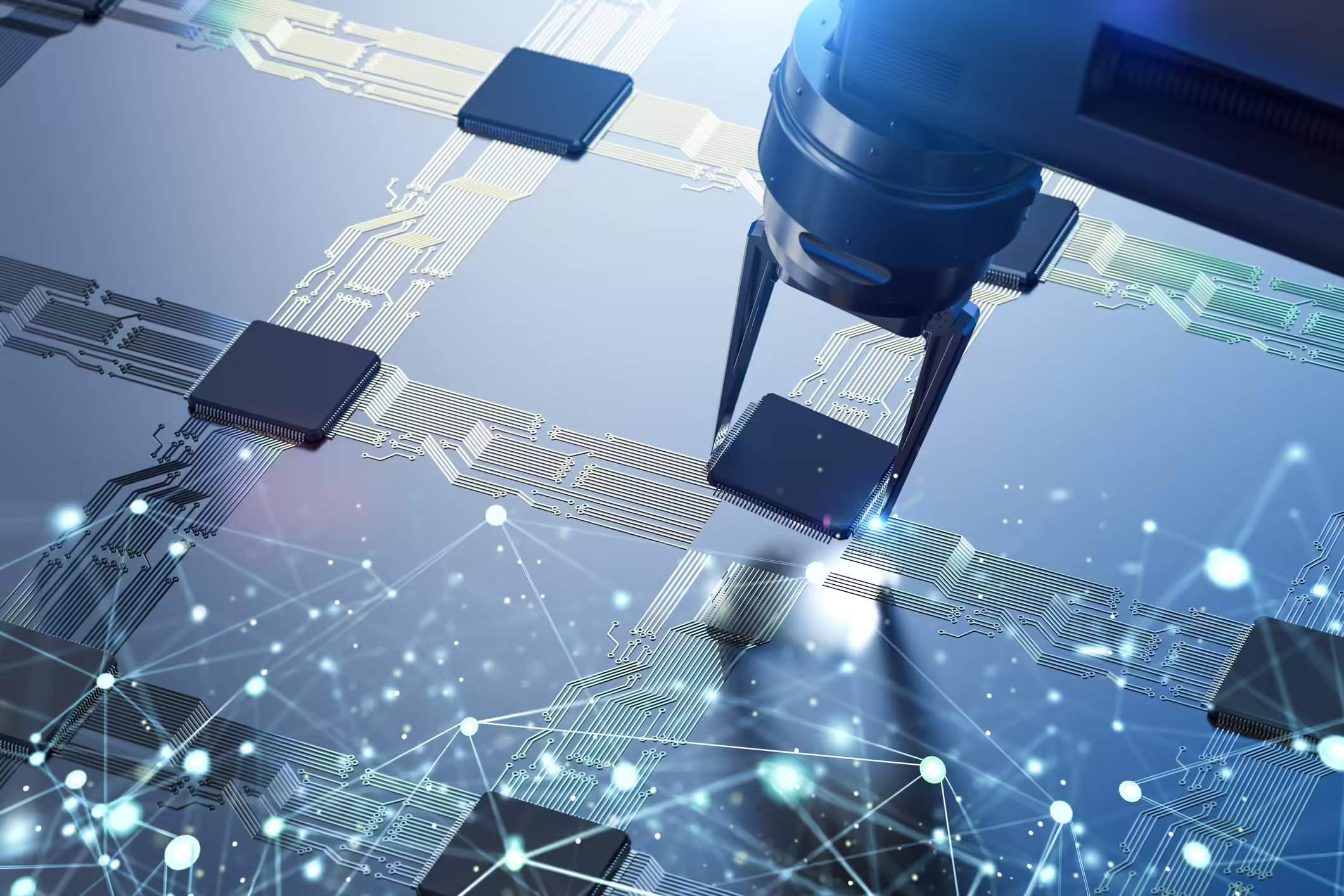
The United States, Taiwan, and Israel are hubs for global chip giants and semiconductor IP, including Intel, AMD, Nvidia, and Qualcomm. In contrast, India still holds a relatively small share of the global semiconductor IP market. Semiconductor design contributes nearly 50% of the total value added in the chip value chain, and the fabless business model accounts for 30-35% of the global semiconductor industry's revenue.
India possesses approximately 20% of the world's semiconductor design talent and a mature design ecosystem, but it primarily serves global semiconductor multinational corporations, with limited indigenous design. Apaar Bhatnagar, Associate Partner (Industrial Manufacturing & Automotive) at KPMG in India, stated that while some companies and venture capital/private equity-backed fabless firms are developing system-on-chips (SoCs) for the Indian and global markets, they have not yet reached the substantial scale required to compete globally.
Semiconductor design is expected to become a core pillar of the next phase of India's semiconductor strategy. Satya Gupta, President of the VLSI Society, stated that India needs more design companies and robust investment, similar to the funding directed towards semiconductor manufacturing firms. Union Minister for Electronics and Information Technology, Ashwini Vaishnaw, recently indicated that the government is "strongly supporting" Indian design companies so that their innovations can be manufactured and scaled locally.
India Semiconductor Mission 1.0 (ISM 1.0) approved a total of 12 projects with cumulative investments of approximately ₹1.65 trillion. The Design Linked Incentive (DLI) scheme under this mission spurred rapid project expansion, achieving 16 tape-outs, 6 ASIC chips, 10 patents, the involvement of over 1,000 engineers, and more than three times the private investment. Ashok Chandak, Chairman of the India Electronics & Semiconductor Association (IESA) and SEMI India, believes that for the electronic components industry, strong in-house design capabilities are a fundamental and non-negotiable starting point for building a globally competitive ecosystem in India. According to reports, the Expenditure Department of the Ministry of Finance has approved a budget proposal allocating ₹1.25 trillion for ISM 2.0.
Ashwath Rao, Senior Analyst at Counterpoint Research, pointed out that while India has made significant progress in semiconductor design, commercialization and product ownership remain the biggest gaps in the value chain, with the ecosystem still heavily service-oriented. Chandak added that achieving global leadership requires strong design capabilities and product ownership.
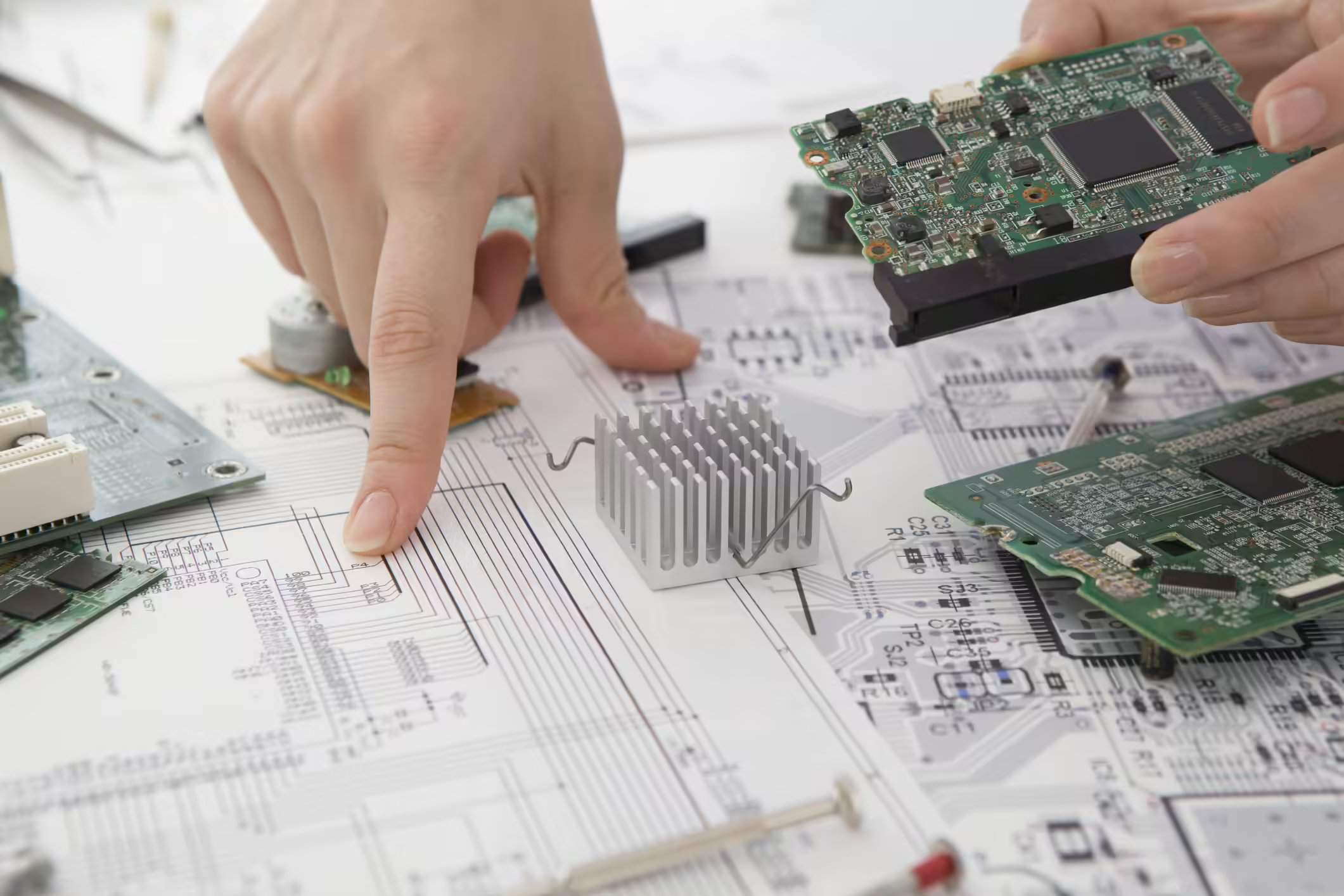
Supported by initiatives like the Production Linked Incentive (PLI) scheme, the Electronics System Design and Manufacturing (ESDM) sector has made notable strides in the manufacturing and assembly of categories such as smartphones and wearables. According to government data, India's electronics production value grew sixfold from ₹1.9 trillion in FY2015 to ₹11.3 trillion in FY2025. During the same period, exports increased eightfold from ₹380 billion to ₹3.27 trillion.
Pankaj Mohindroo, Chairman of the India Cellular & Electronics Association (ICEA), believes that the next phase of growth must come from stronger investments in indigenous design, IP creation, and R&D. Minister Vaishnaw has stated that in-house design capabilities must be established. According to Gupta of the VLSI Society, at least 20% of the expenditure under India Semiconductor Mission (ISM) 2.0 should be allocated to electronic design companies.
Industry stakeholders point out that India needs a multi-pronged approach to overcome structural challenges. Rao of Counterpoint Research stated that a key requirement is stronger government support for credible Indian semiconductor design companies through targeted incentives and grants to help scale indigenous innovation. Simultaneously, creating domestic demand for locally designed chips is crucial, with leading Indian brands playing a catalytic role by adopting indigenous semiconductor solutions. Experts also emphasize the need to reduce dependence on global foundries and shorten the product development and delivery cycles for Indian design companies. Leveraging artificial intelligence and emerging technologies can compress design time and enhance productivity. Executives and analysts anticipate that by 2035, India's domestic industry should evolve into globally recognized product companies with their own architectures, software ecosystems, and revenue streams.
Related Products


Automatic Aiming Laser Remote Obstacle Removal Robot
Pinggao Group Weihai High-Voltage Apparatus Co., Ltd.


G.652.D Wavelength-extended Non-dispersion Shifted Single-mode Optical Fiber
HONGAN GROUP CO., LTD.

MUX Series Communication Interface Device for Security and Stability Control System
Nanjing NR Electric Co., Ltd.

Industrial and Commercial Point-Type Gas Detector
Jinan Benan Technology Development Co., Ltd.

20 Inch 1600*900 Full HD 60Hz TFT LED Monitor with VGA and DP Interfaces for Desktop Computers-Business Use
Guangzhou Zanying Optoelectronics Technology Co., Ltd.