Romania's Digi Advances Construction of 5,000 Mobile Communication Sites in Spain
en.Wedoany.com Reported - On July 11, Spanish media reported that Digi Spain, a subsidiary of Romania's Digi Communications, is accelerating the expansion of its mobile communications and fiber broadband infrastructure. According to the latest documents submitted by the company to the Spanish National Securities Market Commission, as of May 31, 2026, Digi Spain's mobile network had connected 1,122 macro base stations, an increase of 232 stations from 890 at the end of March. The company plans to expand its network to approximately 5,000 macro base stations by the end of 2028, and further increase it to 10,000 by the end of 2033.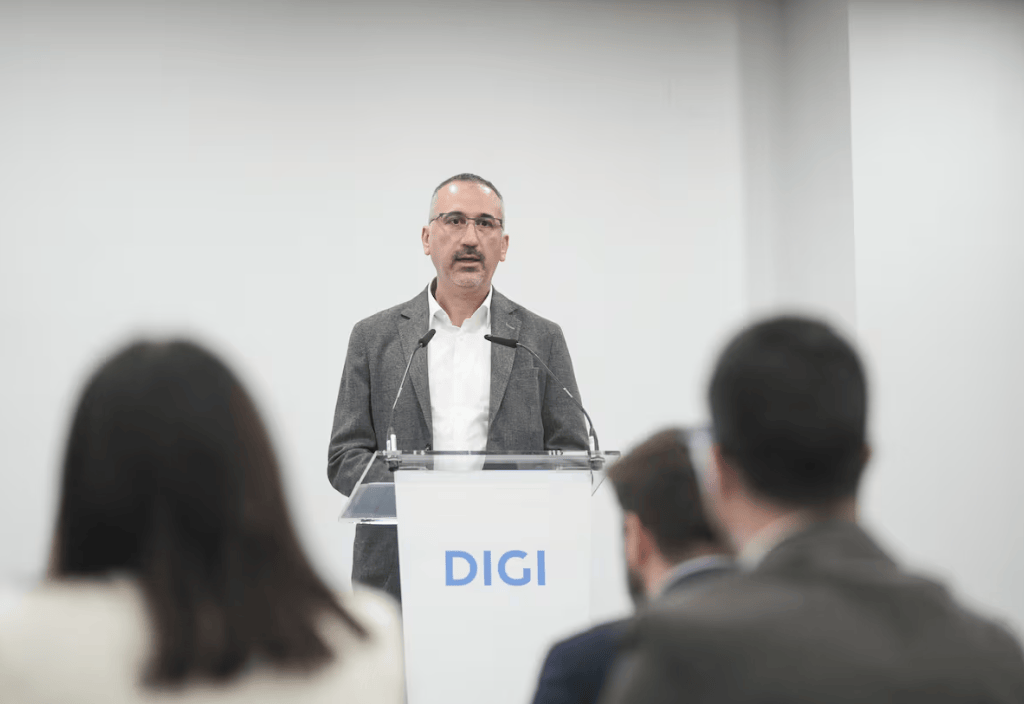
This construction marks a shift in Digi's mobile business in Spain from a model primarily reliant on virtual operators to a comprehensive operational system encompassing spectrum ownership, wireless access capabilities, and long-term roaming guarantees. New sites will be strategically deployed in cities and densely populated areas with high mobile data traffic to expand Digi's signal coverage, increase network capacity, and reduce its long-term dependence on other operators' mobile networks.
The network expansion will adopt a combination of shared sites and self-built infrastructure. According to the radio access network and spectrum sharing agreement signed between Digi and Telefónica Móviles, a subsidiary of Telefónica, Telefónica will deploy and transmit signals on its macro base stations using Digi's 1800MHz and 2100MHz spectrum, as well as the 3500MHz band shared by both parties. Most new sites will be established through this sharing system, while Digi will also build and operate its own macro base stations in areas where shared resources are insufficient.
Based on recent construction progress, Digi's mobile network scale continues to grow rapidly. Spanish media reported in early July that the number of operational mobile communication sites had approached 1,500, a significant increase from approximately 700 at the beginning of 2026. The distribution of new sites has expanded from major cities such as Madrid, Barcelona, Valencia, Seville, and Malaga to more provinces and urban areas.
The fixed communication network is also expanding simultaneously. As of May 31, Digi's SMART fiber optic network, built and operated in Spain, had covered approximately 14.6 million building units, an increase of 400,000 units from the end of March. The company plans to expand coverage to approximately 21 million building units by 2030, with new lines continuing to extend into urban and semi-urban areas. The existing network primarily uses XGS-PON technology, supporting symmetrical broadband access of up to 10 Gbps.
According to construction plans, Romania's Digi intends to invest approximately 400 million euros in its Spanish mobile and fixed communication networks in 2026, with related investments expected to reach 900 million euros from 2027 to 2029. The projects will cover wireless equipment installation, site access, spectrum deployment, fiber optic line laying, network switching equipment, and user-side access facilities. As macro base stations and fiber optic coverage increase simultaneously, Digi is forming a communication infrastructure system in Spain composed of self-built fiber optics, mobile wireless access, shared sites, and nationwide roaming.
Related Products

TWP16 P-Band Tropospheric Wind Profile Radar
China Huayun Meteorological Technology Group Co., Ltd.

Comprehensive Mining Automation Control System
Beijing Tianma Intelligent Control Technology Co., Ltd.
20 Inch 1600*900 Full HD 60Hz TFT LED Monitor with VGA and DP Interfaces for Desktop Computers-Business Use
Guangzhou Zanying Optoelectronics Technology Co., Ltd.
One-Stop Steward Service for the Entire Logistics System Integration Chain
Zhongding Intelligent (Wuxi) Technology Co., Ltd.
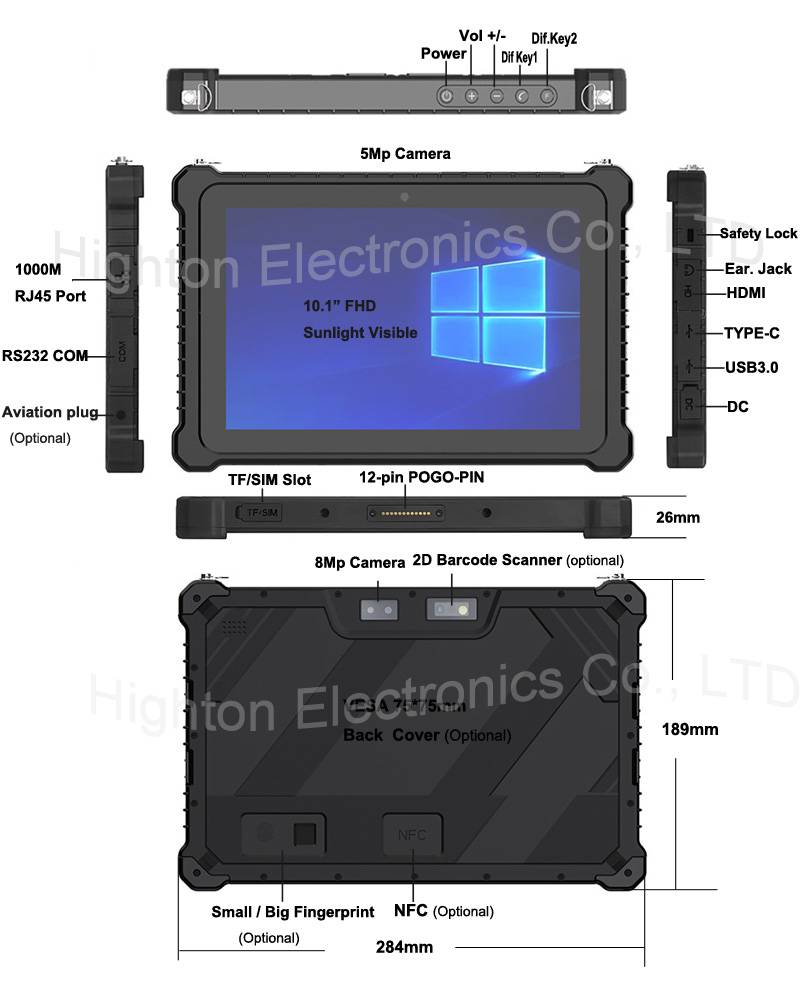
Hot Selling 10 Inch Intel N5100 I5 I7 FHD 8 +128GB 16+256GB Win10 Pro Win11 Pro 4G 5G Rugged Tablet PC Pad with NFC Barcode
Highton Electronics Co., Ltd.