Indonesia Officially Confirms No Comprehensive Increase in 2026 Nickel Ore Quotas
en.Wedoany.com Reported - Indonesia's Ministry of Energy and Mineral Resources (ESDM) has officially confirmed that there will be no comprehensive increase in national nickel ore mining production quotas for 2026. This move aims to prevent a price collapse caused by oversupply in the global nickel market and stabilize international nickel price trends. Previously, the market widely expected Indonesia to relax nickel ore quotas after a mid-year review, but this official statement has directly dispelled such speculative expectations.
According to a public statement by Tri Winarno, Director General of Minerals and Coal at the Ministry, in Jakarta, the quota control this time implements a differentiated rule of "overall tightening with exceptional fine-tuning." The overall national nickel ore mining quota remains tight, with no comprehensive expansion plan; only for domestic smelters facing severe raw material shortages, a strict exceptional approval channel has been opened, allowing for a modest increase in mining quotas. However, the approved incremental volume is extremely limited and will not alter the overall supply tightening landscape.
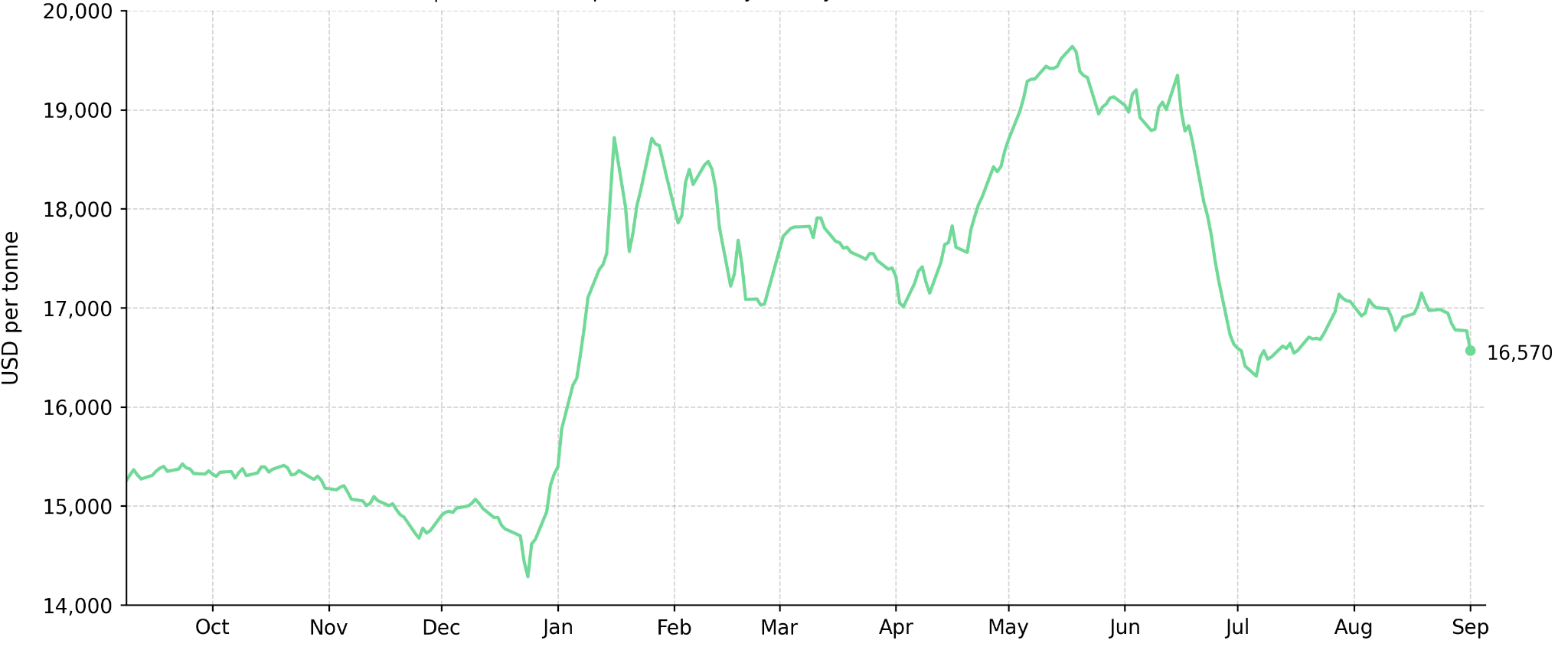
In terms of core quota data, Indonesia's total national nickel ore mining quota for 2026 is locked in the range of 250 million to 260 million tons, a significant reduction from the 379 million tons approved under the 2025 RKAB framework. The severe supply-demand imbalance and sustained price pressure on global commodities such as coal and nickel in 2025 are the core drivers behind Indonesia's substantial quota reduction policy. Since Indonesia signaled strict control over nickel ore output in December 2025, international nickel prices have already begun an upward trajectory.
According to Indonesia's Minister of Energy and Mineral Resources Regulation No. 17 of 2025, mining companies can apply to adjust their RKAB mining plans after submitting their second-quarter regular operational reports. The application window for this year's quota revision closes on July 31, 2026. Tri Winarno also encouraged compliant mining companies to submit their revision applications on time but emphasized that all quota adjustment plans must undergo a complete and rigorous statutory review process. Submitting an application does not guarantee approval, and the approval standards will be strictly enforced.
Industry analysts believe that with Indonesia's rigid output control policy, the global nickel oversupply situation will gradually ease, and the supply-demand structure of the nickel industry chain is expected to continue improving. By persistently implementing output controls, Indonesia will continue to alleviate market oversupply and steadily boost global nickel trade prices. This policy direction will have a profound impact on the global nickel market's supply-demand balance and price trends.
Related Products
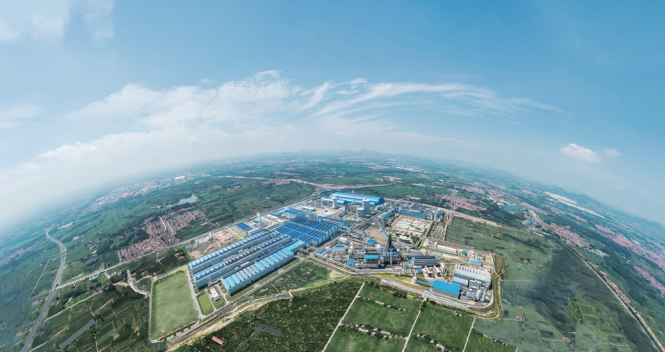

Linyi Steel Investment Special Steel 2.7 Million Tons per Year High-quality Special Steel Project
Capital Engineering & Research Incorporation Limited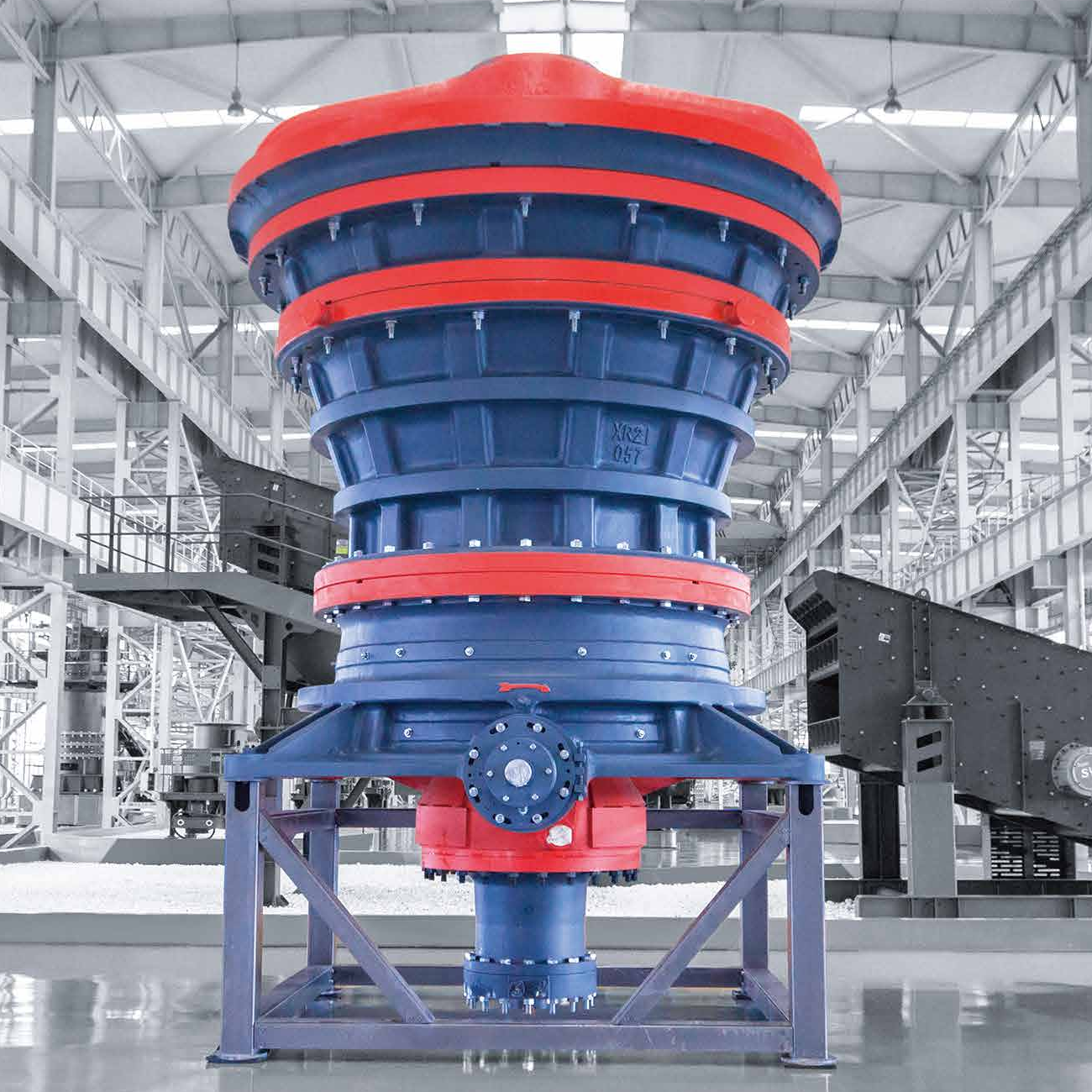

Industrial and Commercial Point-Type Gas Detector
Jinan Benan Technology Development Co., Ltd.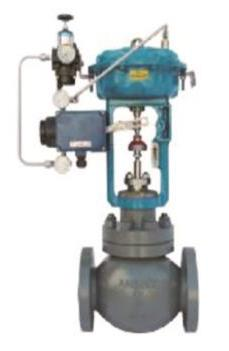
Quick-Change Single-Seat Control Valve / Quick-Change High-Pressure Single-Seat Control Valve
Beijing Consen Automation Technology Co., Ltd.
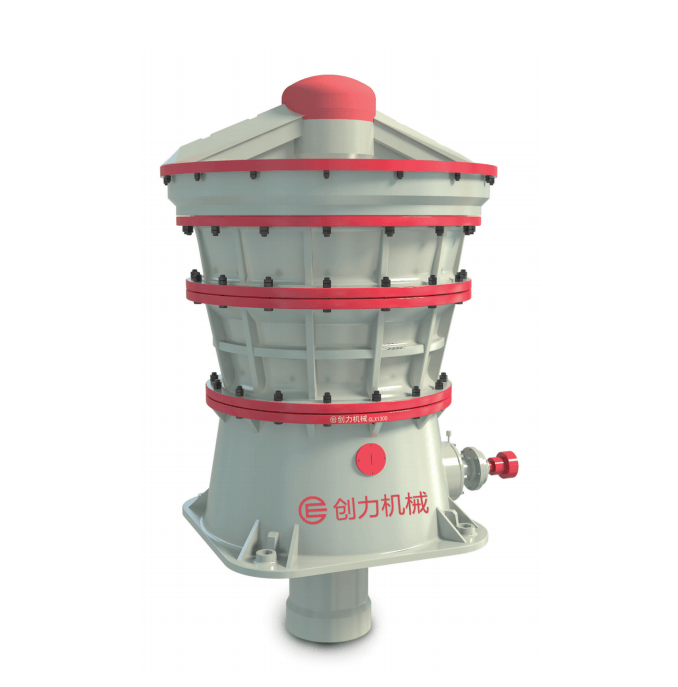
CLX Series Intelligent Hydraulic Gyratory Crusher
Guangdong CHUANGLI intelligent machinery Equipment Co., LTD
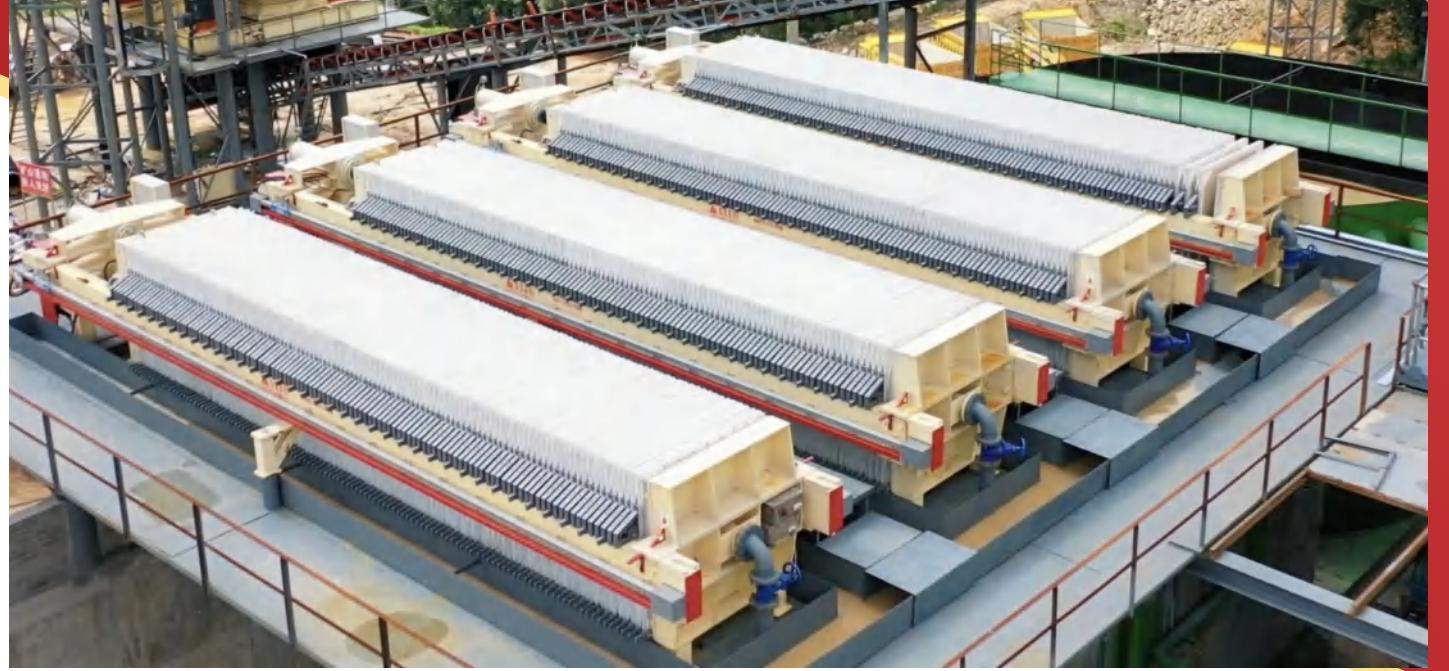
Hydraulic Plate and Frame Filter Press
Guangdong Leimeng Intelligent Equipment Group Co., Ltd.