Kolkata to Nepal's Biratnagar Railway Freight Service Launched
en.Wedoany.com Reported - The first rail freight service from India's Kolkata Port to Biratnagar in eastern Nepal has officially commenced, marking a significant expansion of Nepal's transit and trade logistics network. The inaugural freight train, carrying 40 high-capacity 40-foot Maersk Line containers loaded with crude rapeseed oil imported from a third country, was flagged off on July 17, 2026, by officials from Kolkata Customs, Kolkata Port, the Container Corporation of India (CONCOR), and the Consulate General of Nepal in Kolkata.
Previously, under the Nepal–India Transit Treaty, rail cargo transportation was limited to the Birgunj Integrated Check Post (ICP). Biratnagar thus becomes the second customs point in Nepal to gain direct rail access for third-country imports and exports. The new service is expected to significantly reduce logistics costs, shorten delivery times, and provide a more reliable supply chain option for industries in eastern Nepal.
The service operates under the amended protocol of the 2023 Nepal–India Transit Treaty. In addition to Birgunj, the new protocol now permits all types of cargo, including containerized and bulk goods, to be transported by rail to the Biratnagar Integrated Check Post and Nautanwa (near Bhairawa). Previously, transit treaty provisions only allowed rail cargo to Birgunj, with other entry points relying on road transport.
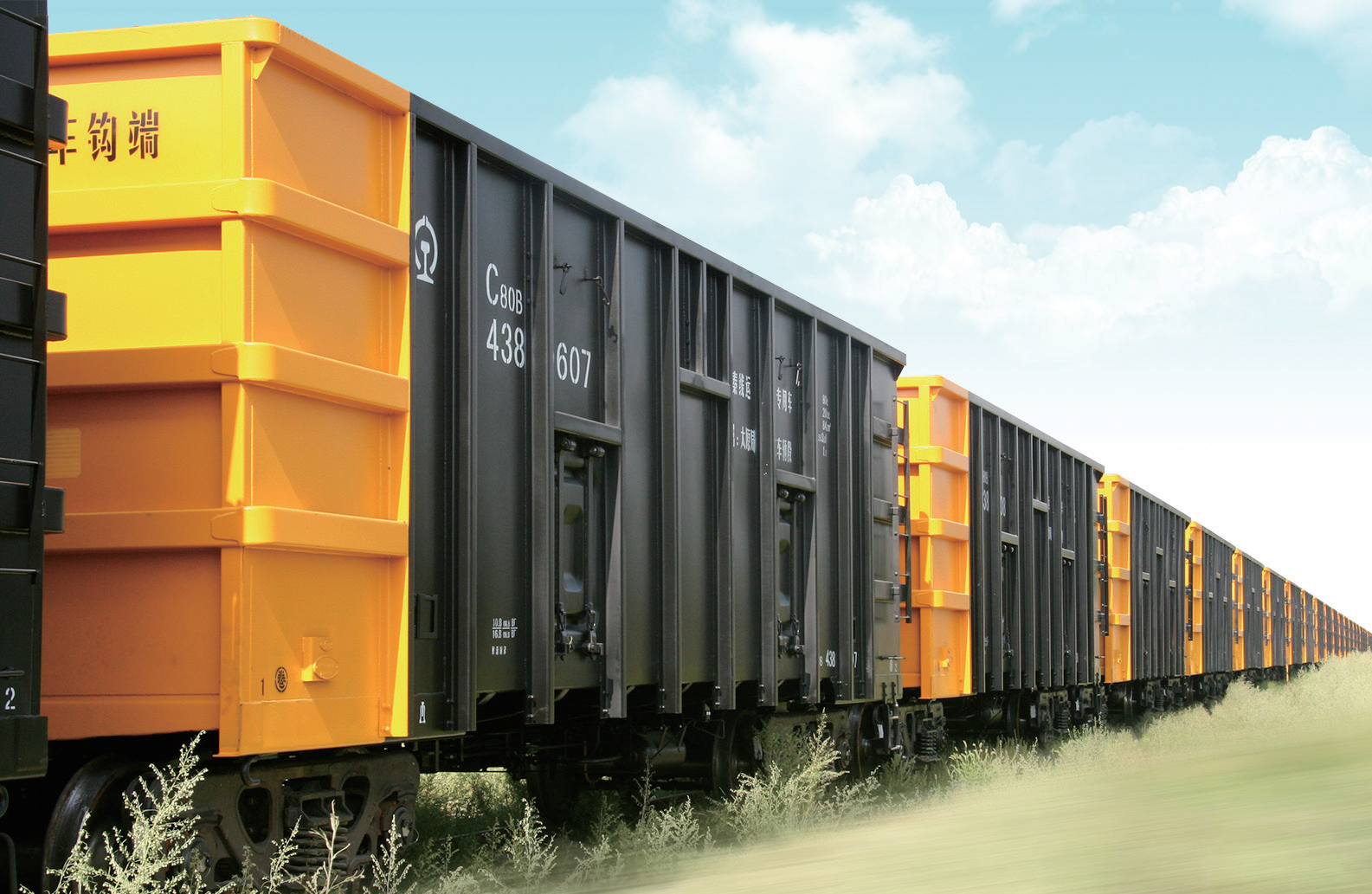
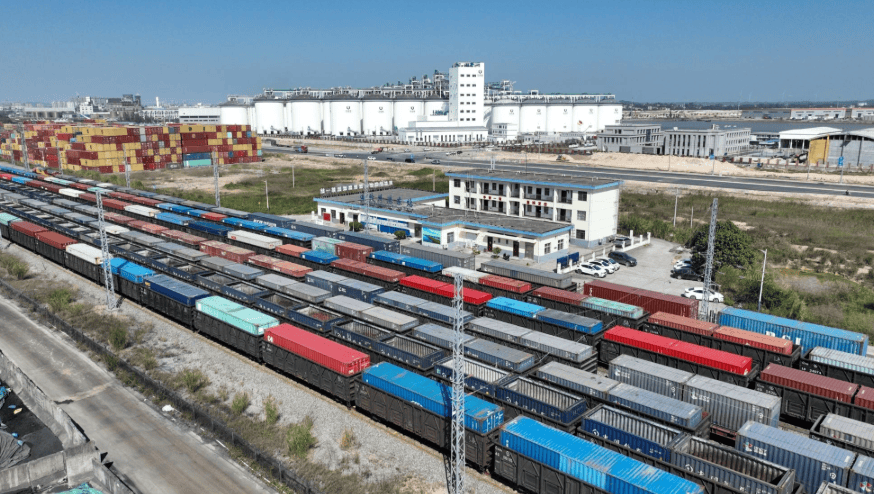
The first train carried 40 high-capacity 40-foot Maersk Line containers loaded with crude rapeseed oil imported from a third country, consigned to Nepal's Swastik Oil Industries. The cargo was transported via India's Jogbani Integrated Check Post to the Biratnagar customs yard. Each train can transport up to 45 40-foot containers per trip. Officials estimate the rail journey from Kolkata to Biratnagar takes approximately 24 hours, offering improvements in speed and predictability compared to road transport.
This launch follows key regulatory amendments by India's Central Board of Indirect Taxes and Customs (CBIC) in November 2025. These amendments expanded the scope of the Electronic Cargo Tracking System (ECTS) to allow rail cargo movement from the ports of Kolkata, Haldia, and Visakhapatnam to Nepal. These changes enable cargo destined for Nepal to be transported by rail to the Biratnagar customs point, broadening the framework that previously focused primarily on Birgunj. Nepal also approved an exchange of letters to amend the protocol of the Transit Treaty, formally designating Biratnagar and Nautanwa as rail-linked customs points for third-country trade. The two countries finalized the procedural framework for rail cargo movement from Kolkata and Haldia via Jogbani to Biratnagar in February 2026, paving the way for the current operations.
Trade experts estimate that direct rail transport from Indian ports such as Visakhapatnam to the Biratnagar Integrated Check Post could reduce logistics costs by 15-20% compared to the existing road-dominated routes. Rail is generally cheaper, safer, and more energy-efficient for bulk and containerized cargo. The new service is also expected to reduce port demurrage, container detention charges, and additional road transport costs, thereby enhancing the overall competitiveness of Nepal's industries.
Related Products


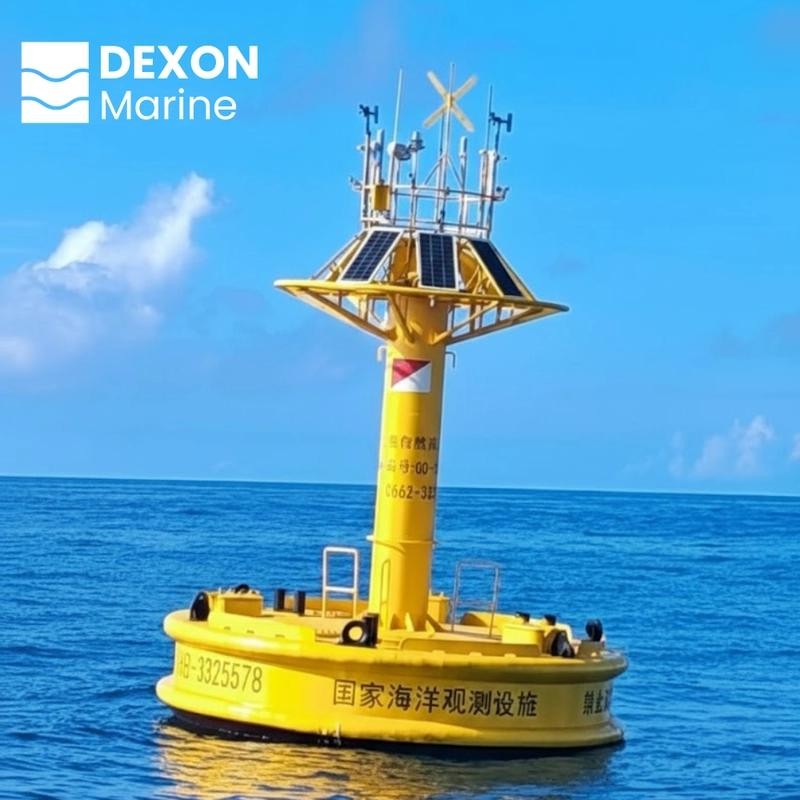
3m intelligent buoy combining navigation safety and real-time marine monitoring integrated navigation and marine monitoring system for real-time maritime data
Chengdu Dixin Technology Co., Ltd.
ERW Welded Pipe (Black Pipe and Hot-dip Galvanized Steel Pipe)
Handan Zhengda Steel Pipe Co., Ltd.
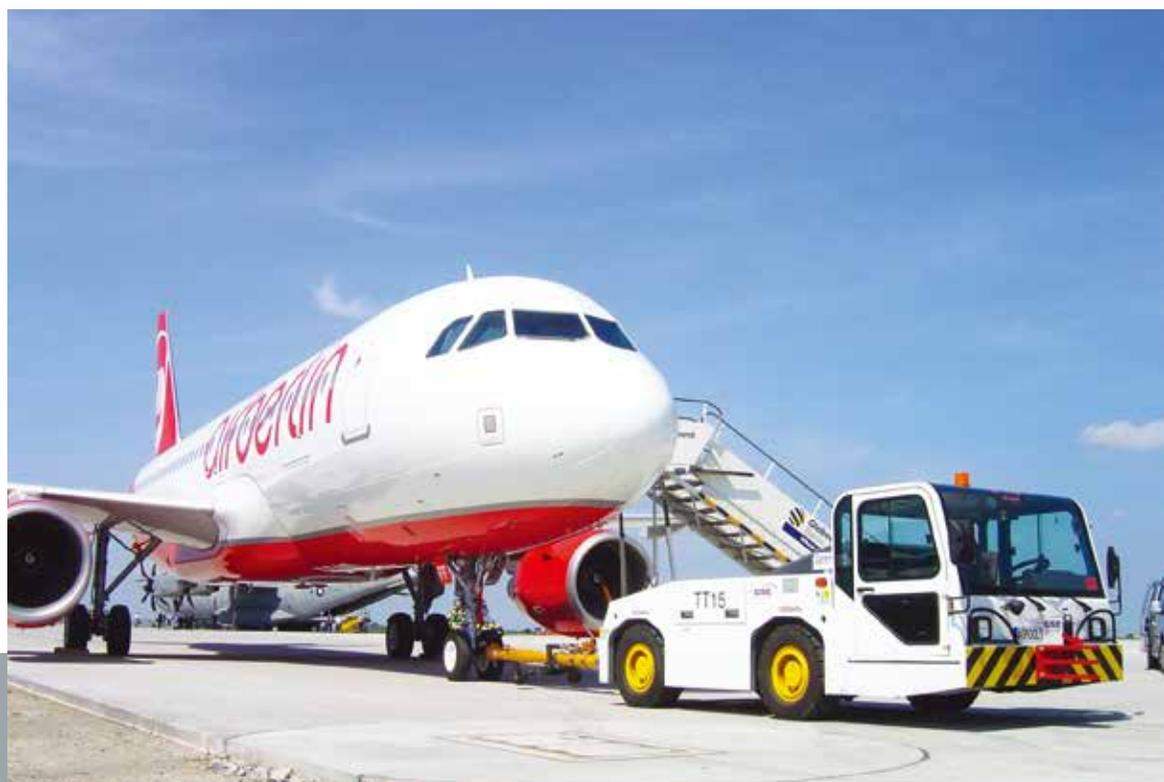
WGQY Series Aircraft Tow Tractor-WGQY15, WGQY27
Weihai Guangtai Airport Equipment Co., Ltd.

One-Stop Steward Service for the Entire Logistics System Integration Chain
Zhongding Intelligent (Wuxi) Technology Co., Ltd.