China's Molybdenum Prices Surge Nearly 30% in First Half of 2026, Hitting Three-Year High
en.Wedoany.com Reported - The molybdenum market, known as the "industrial vitamin," saw a broad rally in the first half of 2026. According to CCTV Finance, prices of two core varieties—molybdenum concentrate and ferromolybdenum—rose nearly 30%, hitting a three-year high. On July 14, the price of ferromolybdenum per ton reached 332,000 yuan, up 1,500 yuan from the previous day. Industry insiders point out that the structural tightness in supply is the root cause of this price surge.
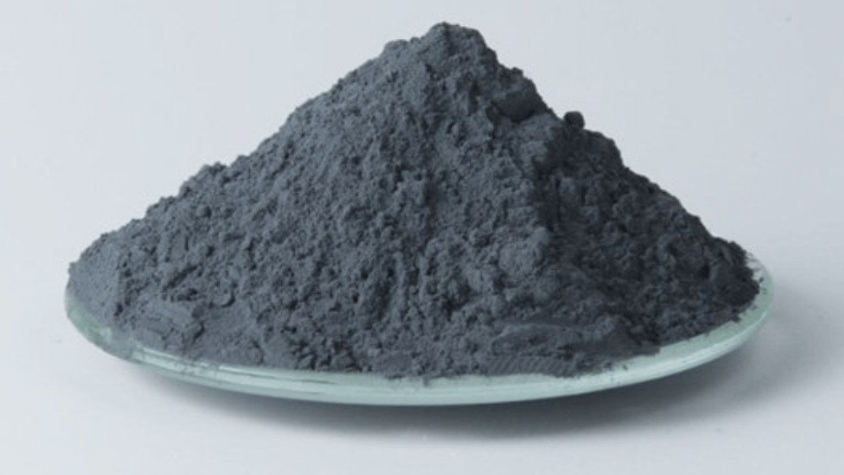
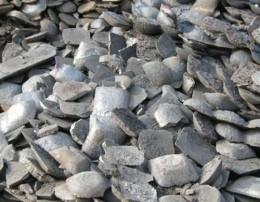
Molybdenum, hailed as the "industrial vitamin," is an indispensable metal raw material in steel metallurgy, high-end equipment, and new energy sectors. Ferromolybdenum, the core product after smelting molybdenum concentrate, is also an essential alloy additive for special steel. Ren Linhai, manager of the smelting branch of China Molybdenum Co., Ltd. (Luoyang Luanchuan Molybdenum Industry Group Co., Ltd.) in the China region, told CCTV Finance: "On July 14, the price of ferromolybdenum per ton was 332,000 yuan, while on July 13 it was 330,500 yuan, an increase of 1,500 yuan in one day. Over the long term, ferromolybdenum is on an upward trend."
From the upstream perspective of the industrial chain, the persistent tightness in supply is the core driver of this price surge. Tan Xiaole, deputy manager of the third mineral processing branch of China Molybdenum Co., Ltd. in the China region, stated that the company's production capacity is near its limit, making it difficult to significantly increase output in the short term. Currently, they are addressing the hot market by improving metal recovery rates, which have risen from 90% to over 92%. According to data from Shanghai Ganglian, China's domestic molybdenum concentrate production in the first half of 2026 was approximately 160,000 tons, a year-on-year increase of only 2.8%, with supply growth far lagging behind downstream demand expansion. The supplementary role of imported raw materials is minimal, with effective high-grade molybdenum concentrate imports from January to May totaling less than 8,000 tons, accounting for only 4.4% of China's total domestic supply during the same period. Shi Jia, manager of the special alloys division of the Ferroalloy Department at Shanghai Ganglian, pointed out that the potential for further capacity release in China's major molybdenum production areas is extremely limited, making it difficult to achieve effective supply increases in the short term.
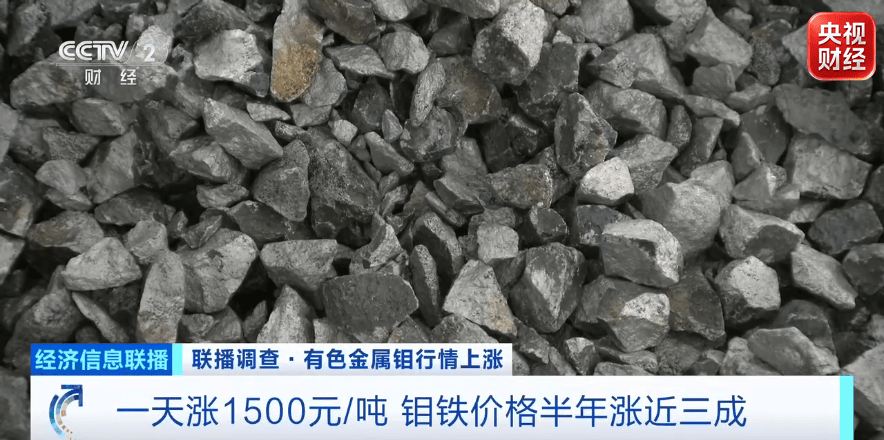
From the downstream demand perspective, over 70% of China's molybdenum demand comes from the special steel sector. Jiang Qiao, general manager of the Sales Headquarters at CITIC Special Steel Group, explained that ferromolybdenum not only enhances steel strength but also meets requirements for toughness, plasticity, high-temperature resistance, and corrosion resistance. CITIC Special Steel's molybdenum-containing steel accounts for 30% of its total output, with annual ferromolybdenum procurement of about 25,000 tons. The continuous price increase of raw materials directly raises production costs. Meanwhile, technological iterations in emerging fields such as new displays, perovskite photovoltaics, and semiconductors are opening up new growth space for the molybdenum industry, driving the market from industrial rigid demand to high-end new materials.
Ferromolybdenum prices ranged from a low of 246,000 yuan per ton in the first half of the year to a high of 332,000 yuan per ton, a rise of 35%, showing a "stepwise" upward trend. In mid-May, molybdenum concentrate with 45%-50% grade rose to 5,220-5,250 yuan per metric ton unit, corresponding to a ferromolybdenum cost of 332,000 yuan per ton. According to the latest data from Shanghai Ganglian on July 17, molybdenum concentrate was quoted at 5,335 yuan per metric ton unit, with a cumulative increase of nearly 36% in the first half of the year; ferromolybdenum was quoted at 333,000 yuan per ton, with a cumulative increase of nearly 28% in the first half of the year. Both products have simultaneously reached their highest levels in nearly three years.
The current molybdenum market is characterized by "robust production and demand, raw materials driving up product prices, and imported increments temporarily unable to fill the gap." From January to May 2026, China's domestic ferromolybdenum production grew by 7.17%, while steel procurement volume from 32 major steel mills increased by 5.52%, with raw material supply growth unable to keep pace with downstream demand expansion. Against the backdrop of tight global molybdenum supply, insufficient supplementary imported raw materials have fueled periodic price increases. Industry insiders predict that with the tight supply pattern unlikely to change in the short term, molybdenum prices are expected to remain at high levels.
Related Products

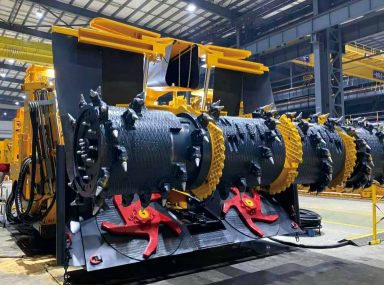
Integrated Excavation and Anchoring Machine (EJM Series)
China Railway Construction Heavy Industry Corporation Limited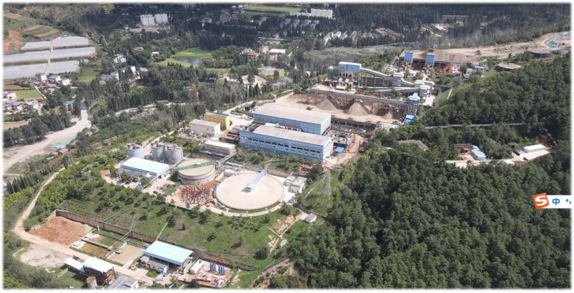
Yunnan Phosphorus Chemical Group Co., Ltd. 2 Million t/a Phosphorus Ore Mining and Beneficiation Project
China Bluestar Lehigh Engineering Corporation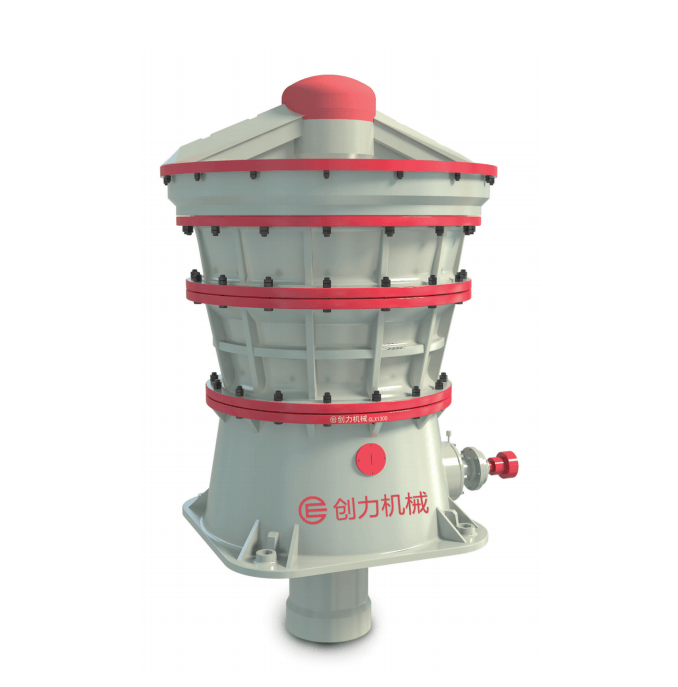
CLX Series Intelligent Hydraulic Gyratory Crusher
Guangdong CHUANGLI intelligent machinery Equipment Co., LTD
High-temperature Equal Wall Thickness High-power Screw Drilling Tool
Orient Energy & Technologies Co., Ltd.
Linyi Steel Investment Special Steel 2.7 Million Tons per Year High-quality Special Steel Project
Capital Engineering & Research Incorporation Limited
CITIC Heavy Industries Metallurgical Equipment Steel Smelting Engineering Equipment
CITIC Heavy Industries Co., Ltd.