South Korea's KT Sat Signs Contract with AscendArc to Launch High-Capacity Satellite in 2028
en.Wedoany.com Reported - The proliferation of AI applications has led to a surge in demand for data centers, but it also presents significant challenges in terms of electricity and water shortages. Against this backdrop, space-based data centers have emerged as a highly anticipated alternative. To achieve high-speed data transmission between space and the ground, High Throughput Satellites (HTS) are considered an indispensable key technology.
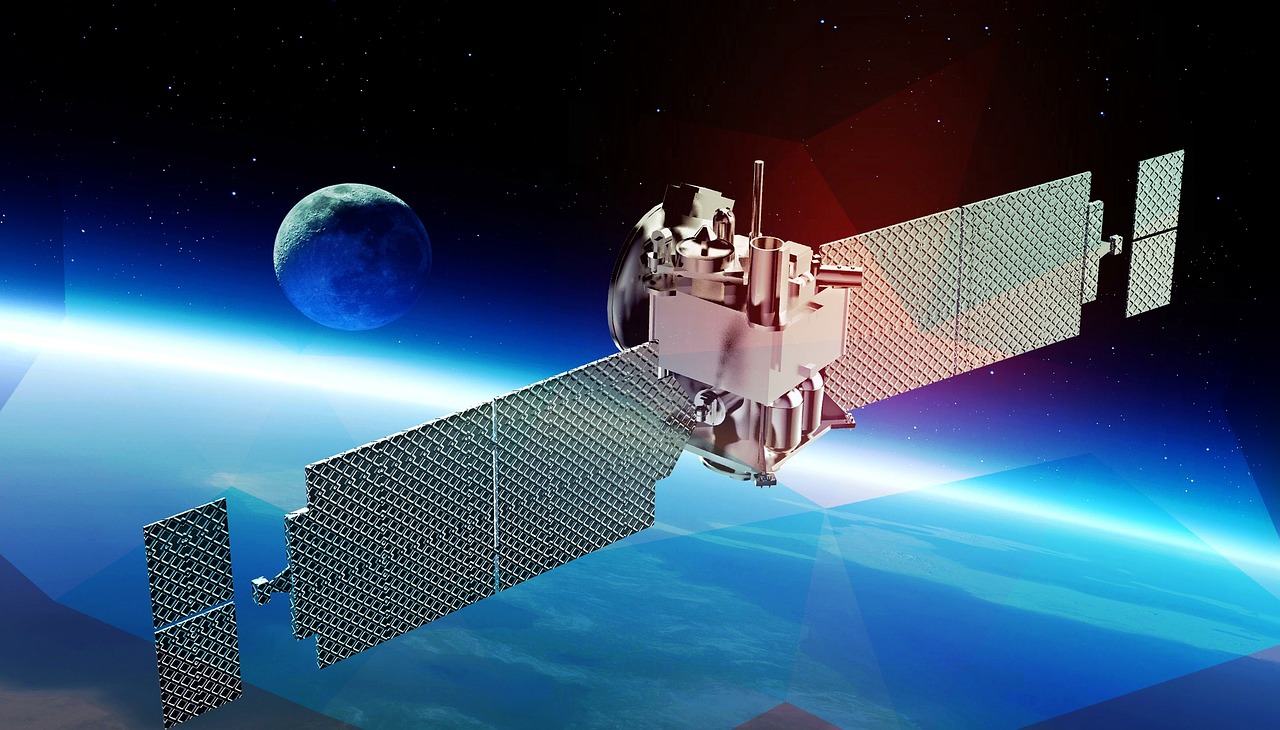
HTS is a type of large-capacity, high-performance communication satellite whose data transmission capability is at least 10 times higher than that of traditional satellites. In February this year, SpaceX acquired AI startup xAI and officially launched the construction of space-based data centers, proposing a plan to build a 1 gigawatt (GW) scale space data center by the end of 2027. In June this year, it released a dedicated satellite "AI1" capable of performing AI computations. This satellite can provide up to 150 kilowatts (kW) of AI computing power and is equipped with solar cells to achieve self-sufficiency in power.
Google is also advancing its space data center project, based on a strategy of building clusters in space using its self-developed AI chip, the Tensor Processing Unit (TPU). Last year, Google unveiled a project called "Project SunCatcher," which plans to use small satellites equipped with TPUs and solar panels to perform AI training and inference tasks in space.
For such space-based data centers to become commercially viable, a communication network capable of transmitting processed data to ground users without delay must be established. According to the Korea Aerospace Research Institute (KARI), HTS uses high-frequency bands and multi-beam antennas, enabling a single satellite to achieve data processing capabilities tens to hundreds of times greater than traditional satellites. Beamforming technology allows radio waves to be concentrated on specific locations and adjusts the beam direction in real-time based on ground users. HTS can use multiple spot beams to transmit signals to specific areas, and by reusing the same frequencies, it significantly improves spectrum utilization efficiency.
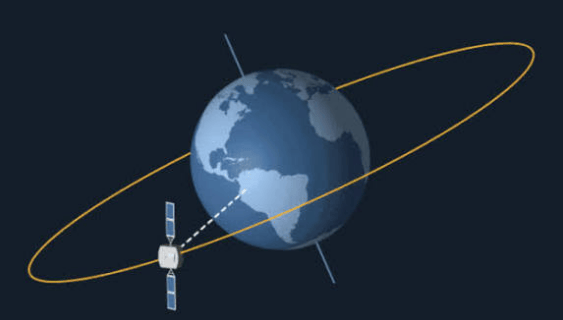
Representative companies in the HTS field include Viasat from the United States, which divides the globe into three major service regions. Its satellite "ViaSat-3 F3," covering the Asia-Pacific region, was launched into orbit by SpaceX's Falcon Heavy rocket at the end of April 2026. In South Korea, KT Sat is also advancing HTS development and signed a contract in September 2025 with U.S. satellite manufacturing startup AscendArc for the production of a new generation of high-capacity satellites. A KT Sat official revealed that the satellite is planned for launch in 2028 and will provide satellite internet services to the Asia-Pacific region after launch. The two companies plan to use a modular assembly approach to achieve transmission capacity tens of times higher than traditional GEO satellites, while reducing the cost per Mbps to one-twentieth of the market average.
KT Sat's primary target market is Southeast Asia. Countries such as Indonesia and the Philippines are experiencing rapid growth in data demand, but their island and mountainous terrain makes ground communication network construction difficult, leading to a high reliance on satellite communications. KT Sat's strategy is to expand satellite internet services around these markets.
Related Products



20 Inch 1600*900 Full HD 60Hz TFT LED Monitor with VGA and DP Interfaces for Desktop Computers-Business Use
Guangzhou Zanying Optoelectronics Technology Co., Ltd.

Multi-function Marine Monitoring Low-altitude Detection Radar Sea-air Boundary Ocean Dynamic Environment Measurement
Chengdu Dixin Technology Co., Ltd.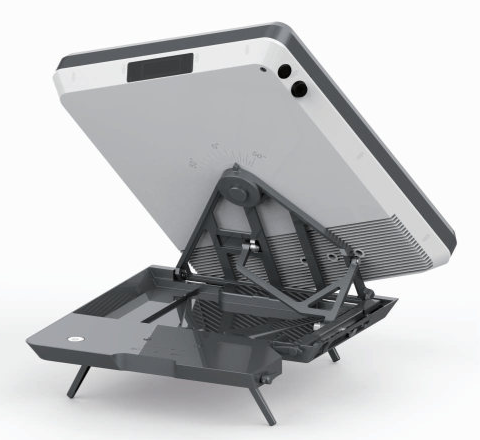
Flat Portable Satellite Terminal 0.35m Aperture Manual Portable Terminal
China Starwin Science & Technology Co., Ltd.

Mine Explosion-proof and Intrinsically Safe Industrial Ethernet Ring Network (10 Gigabit/Gigabit)
Chongqing Mas Sci&Tech Co., Ltd.

MUX Series Communication Interface Device for Security and Stability Control System
Nanjing NR Electric Co., Ltd.