China's 704 Research Institute's Self-Developed Ship Autonomous Navigation System Receives Certifications from Three Major Classification Societies
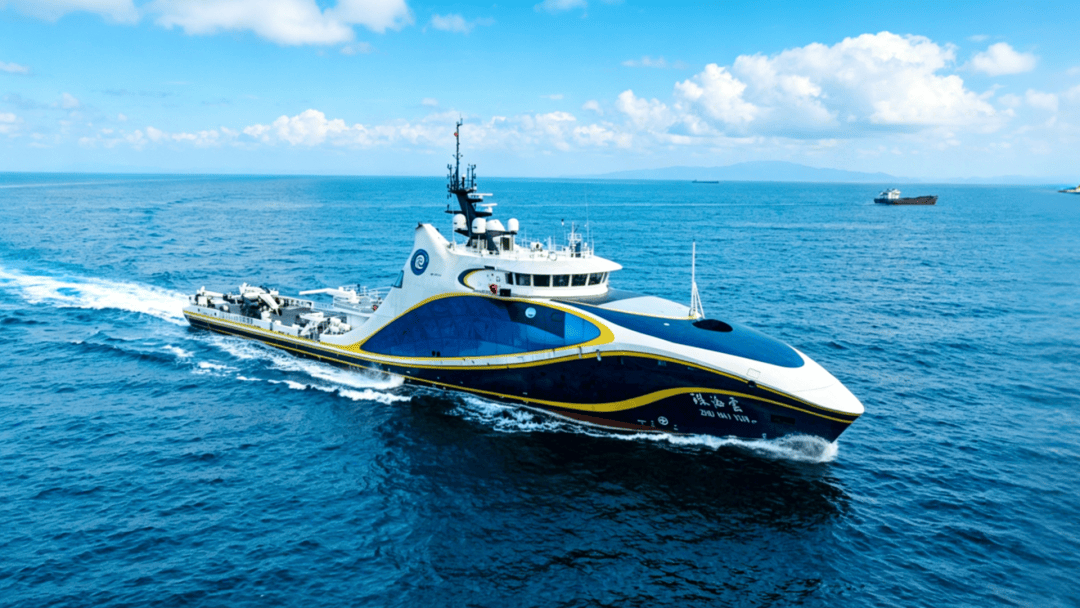
en.Wedoany.com Reported - The ship autonomous navigation and remote control system independently developed by the 704 Research Institute of China State Shipbuilding Corporation has obtained certifications from three authoritative bodies: Lloyd's Register, China Classification Society, and American Bureau of Shipping, making it the only product globally to achieve this qualification. The system has undergone rigorous verification of autonomous navigation, collision avoidance, berthing and unberthing on multiple real vessels such as "Zhiteng," "Zhifei," and "Zhuhai Yun," covering inland, coastal, and ocean-going scenarios.
On July 17, the 704 Research Institute delivered a keynote speech at the 2026 Artificial Intelligence Standards Empowering Industry Supply-Demand Matching and Promotion Conference in Shanghai, presenting its research findings on ship autonomous driving models. The institute's first-of-its-kind ship autonomous navigation and remote control system in China is an artificial intelligence complex integrating multi-source perception fusion, intelligent decision-making and planning, precise motion control, and ship-shore collaborative interaction, upgrading traditional experience-based navigation to data-driven intelligent navigation.
In March 2017, the 704 Research Institute established the "Youth Team for the Development of Autonomous Navigation Systems for Medium and Large Ships," the first intelligent navigation R&D team in China's shipbuilding industry. Through interdisciplinary integration and a full-chain achievement transformation mechanism, the team derived models from scratch, covered laboratory walls with technical roadmaps, and ultimately succeeded in developing China's unique ship autonomous navigation and remote control system, achieving technological breakthroughs and industrial implementation.
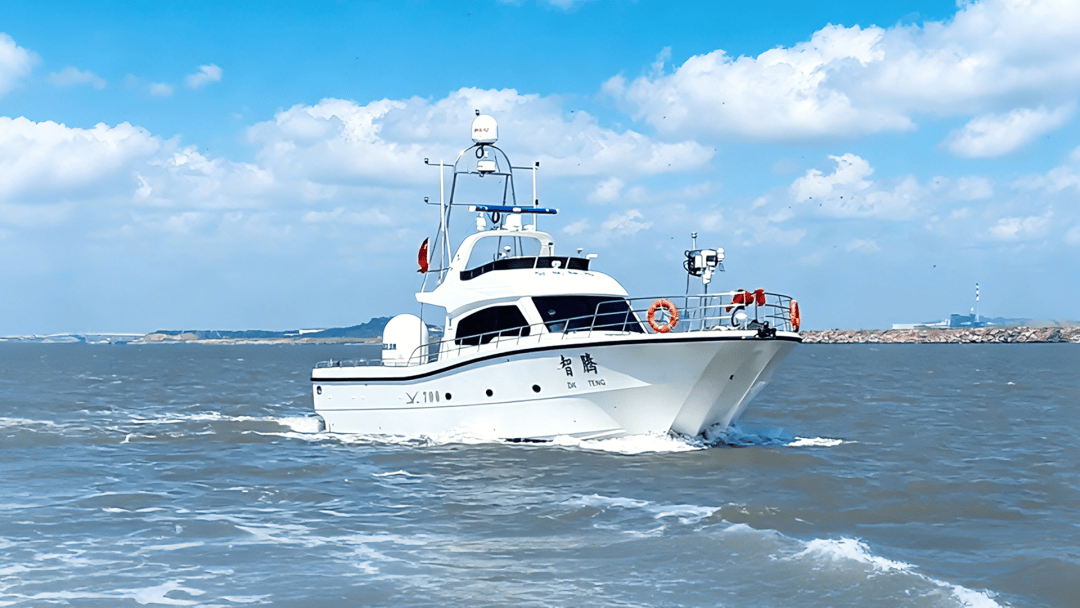
From 2019 to 2025, the system completed multi-scenario validations: including the world's first public test of autonomous collision avoidance on a real vessel by "Zhiteng," the first automatic berthing and unberthing of the 8,000-ton "Zhifei," a 1,500-nautical-mile long-range autonomous navigation demonstration by the 2,000-ton "Zhuhai Yun," the world's first medium-sized intelligent yacht "Zhi Ting 1" equipped with the autonomous navigation system, and the first unmanned intelligent remote control test of a firefighting tugboat in China by the 3,000-ton rescue vessel "Donghai Jiu 151." The inland intelligent container ship "Zhi Yi" completed a remote control navigation test, and the 82,000-ton bulk carrier "JINAN" received an autonomous navigation certification from the American Bureau of Shipping. The product is now applicable to all tonnages, multiple ship types, and all water areas.

Alongside the phased achievements in autonomous navigation systems, the 704 Research Institute last year established a youth team for embodied intelligent robots for ship electromechanical equipment operation and maintenance, focusing on new tracks. The team has built a full closed-loop autonomous operation and maintenance technology system of "perception-decision-execution-feedback." At the intelligent perception level, it integrates four modalities: high-definition visible light, infrared thermal imaging, depth vision, and micro vision, enabling intelligent identification of equipment status. At the intelligent decision-making level, a knowledge graph embeds failure mode analysis and expert experience rule bases, covering static and dynamic equipment operation scenarios and fault evolution paths. At the autonomous navigation level, a dual-layer simultaneous localization and mapping architecture is created, achieving fully autonomous navigation and dynamic obstacle avoidance. At the precision operation level, full-process autonomous operation verification in typical scenarios has been completed. The robot can perform intelligent monitoring and routine maintenance of electromechanical system equipment, and quickly respond to emergencies in confined, hazardous, and high-pressure scenarios, reducing crew workload and ensuring safety.

The 704 Research Institute has also planned multi-scenario applications for ship autonomous navigation: inland shipping will achieve intelligent collision avoidance in bridge areas and automatic berthing and unberthing at ports, forming "traffic-flow" management; coastal transport will build efficient, low-carbon, and intelligent networks in the Bohai Bay, Yangtze River Delta, and Pearl River Delta; ocean-going merchant ships will gradually evolve from "reduced-crew" to "semi-autonomous" to "fully autonomous." The remote control center can operate in a cluster mode, with one shore-based operator monitoring multiple ships simultaneously. The 704 Research Institute stated that it will leverage the 2026 World Artificial Intelligence Conference as an opportunity to continuously expand intelligent ship technology and applications.
Related Products


ERW Welded Pipe (Black Pipe and Hot-dip Galvanized Steel Pipe)
Handan Zhengda Steel Pipe Co., Ltd.


Pantograph-Catenary Comprehensive Detection Device (1C)
CHENGDU TANGYUAN ELECTRIC CO., LTD.

Wheel and Track Technology Business
Beijing Research & Design Institute of Rubber Industry Co., Ltd.


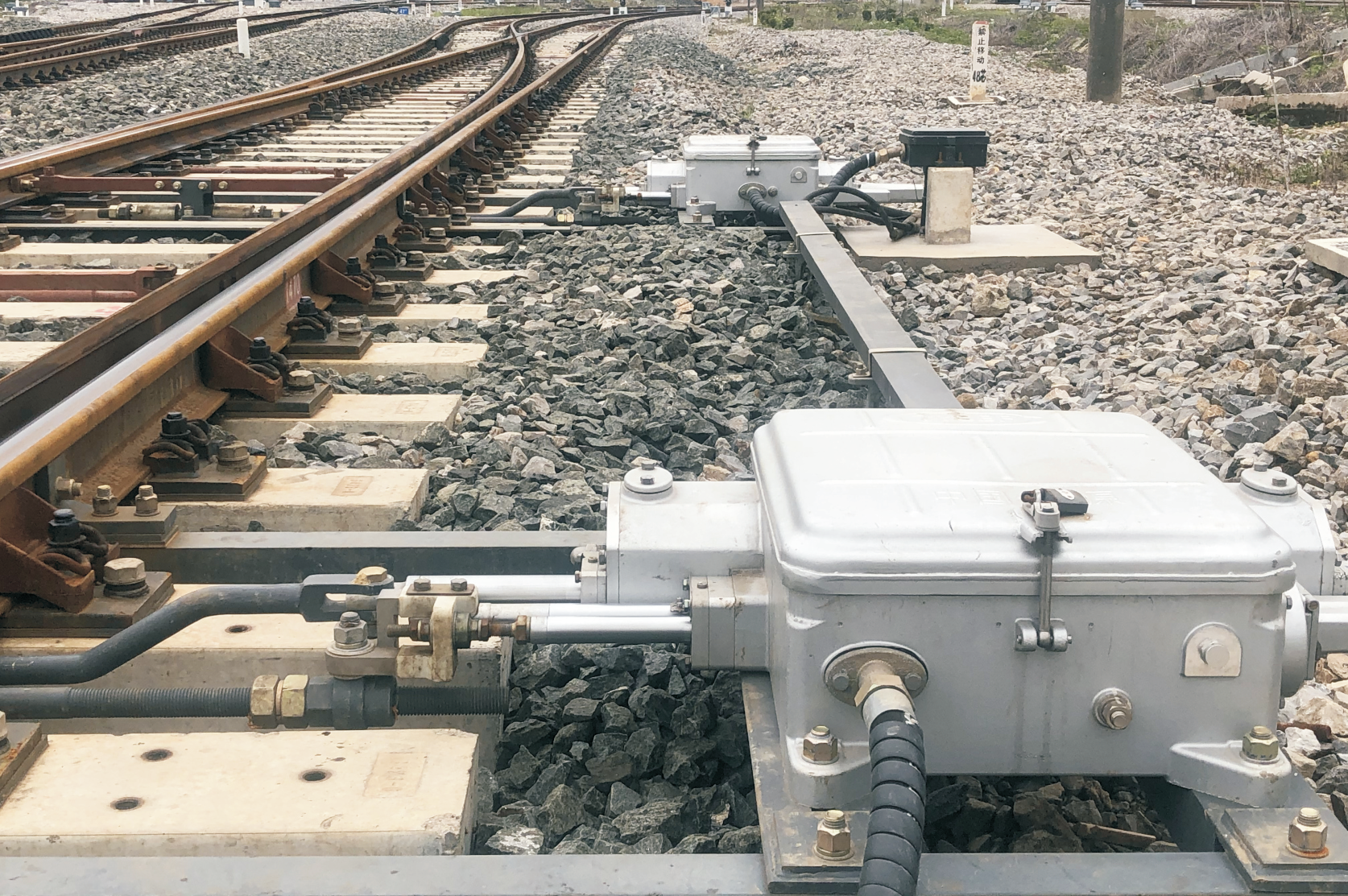
ZY(J)7(M) Sealed Type Electro-Hydraulic Turnout Machine
TAIYUAN CR JINGFENG EQUIPMENT TECHNOLOGY CO., LTD.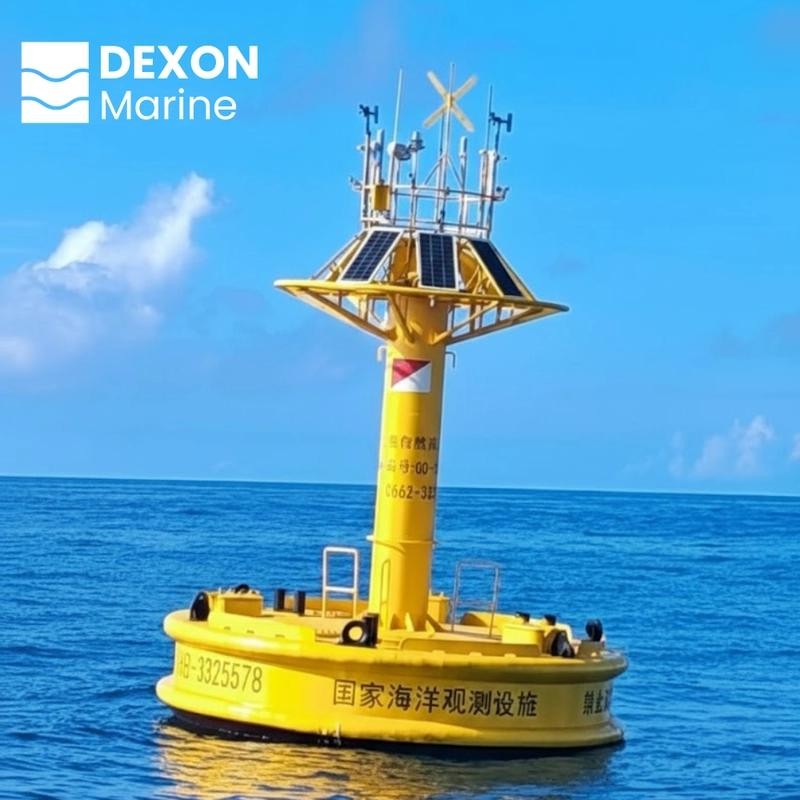
3m intelligent buoy combining navigation safety and real-time marine monitoring integrated navigation and marine monitoring system for real-time maritime data
Chengdu Dixin Technology Co., Ltd.