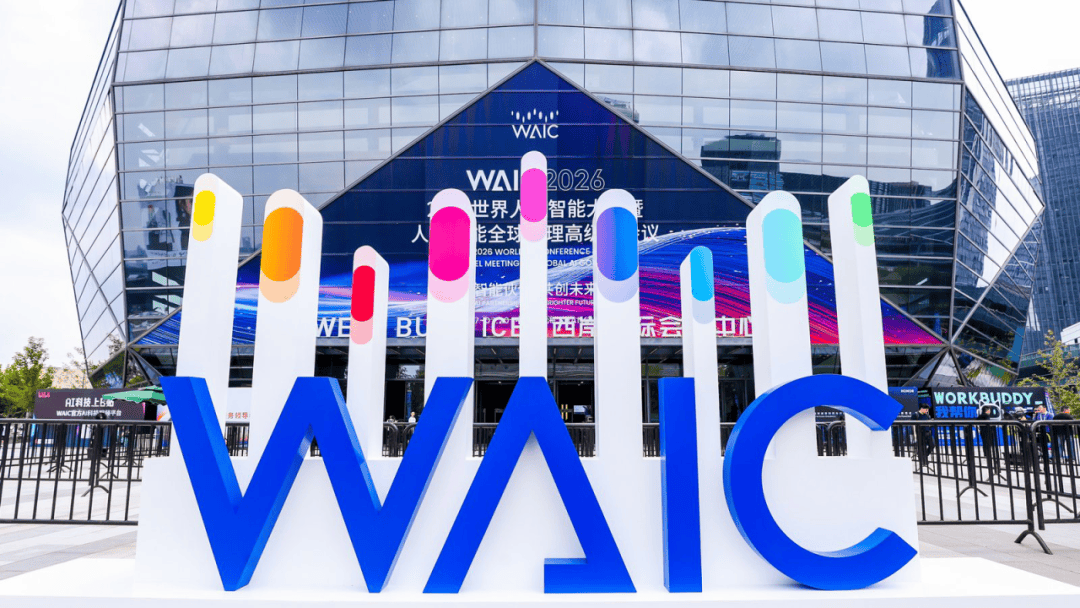
en.Wedoany.com Reported - On the afternoon of July 18, 2026, during the World Artificial Intelligence Conference, the forum "From Large Models to Agents: Towards a New Era of Autonomous Intelligence" was held at the Shanghai West Bund International Convention and Exhibition Center. Hosted by the China Academy of Information and Communications Technology (CAICT), the forum, themed "Integration of Intelligence and Agents, Ushering in a New Era," brought together nearly 50 domestic and international AI experts and over 800 industry professionals to discuss the evolution of agent technology, standardization, and industry deployment pathways.
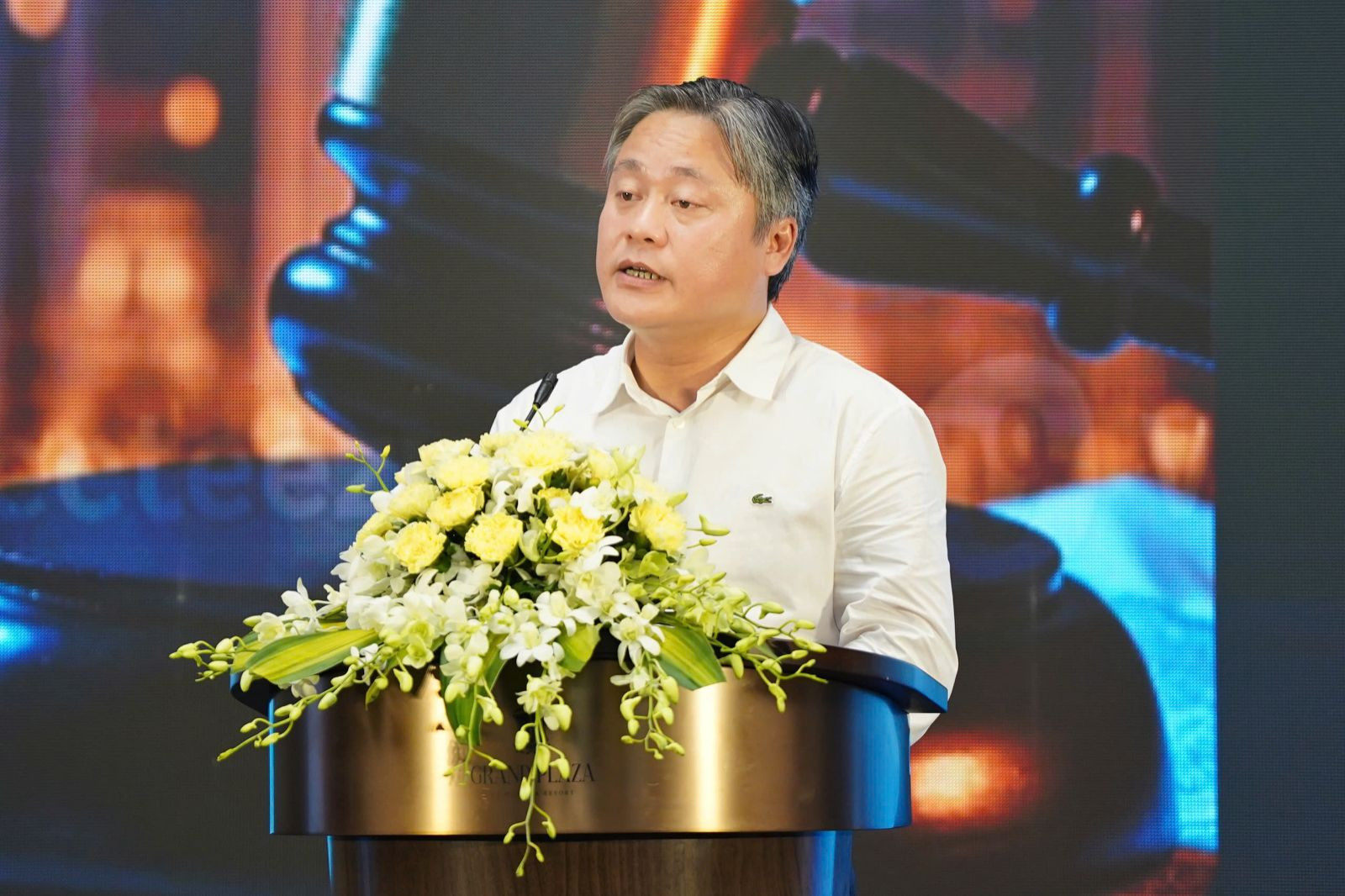
Gan Xiaobin, Deputy Director of the Department of Science and Technology at the Ministry of Industry and Information Technology; Zheng Changlin, Deputy District Mayor and Standing Committee Member of the Xuhui District Committee of Shanghai; and Yu Xiaohui, President of CAICT, attended and delivered speeches. Gan Xiaobin noted that the focus of the AI industry is now fully shifting towards building a globally interconnected ecosystem for agents, which have become a core variable in fostering new productive forces. Through collaborative efforts, China's agent industry has achieved phased results, moving from single-point technology validation to systematic coordination, and from pilot demonstrations to large-scale applications. In the next phase, the Ministry will focus on three key areas: breakthroughs in core technologies, building an open and interconnected global ecosystem, and balancing high-quality development with high-level security, to drive deep deployment of agents in key sectors such as manufacturing, energy, healthcare, and transportation. Zheng Changlin stated that Xuhui, as Shanghai's core AI hub and the nation's first pilot zone for generative AI innovation ecosystems, introduced a dedicated agent industry policy in 2025, the first of its kind in the city. Leveraging two core platforms—the West Bank Model Space and the Caohejing North Yang AI Town—Xuhui has attracted over 2,000 AI enterprises, with model registrations accounting for 60% of Shanghai's total. The next steps will focus on four directions: collaborative breakthroughs in core technologies, building a unified standard foundation, opening up real-world scenarios across domains, and governing the industrial ecosystem. Yu Xiaohui stated that CAICT will continue to collaborate with leading industry enterprises to advance the construction of agent standard systems and upgrade evaluation capabilities.
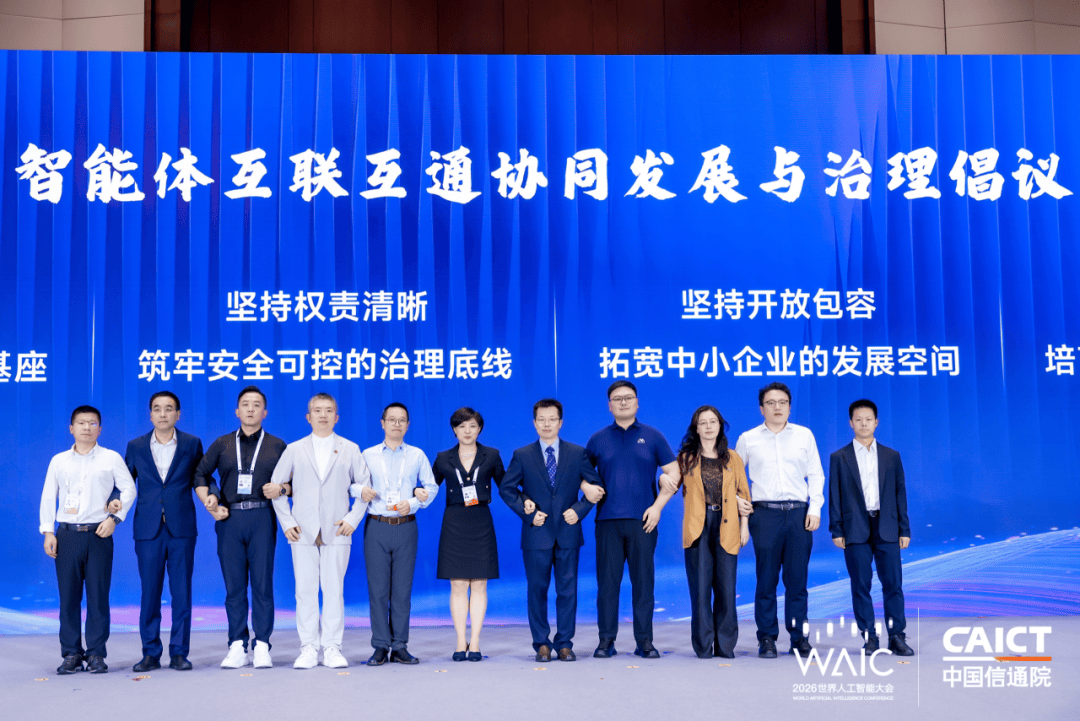
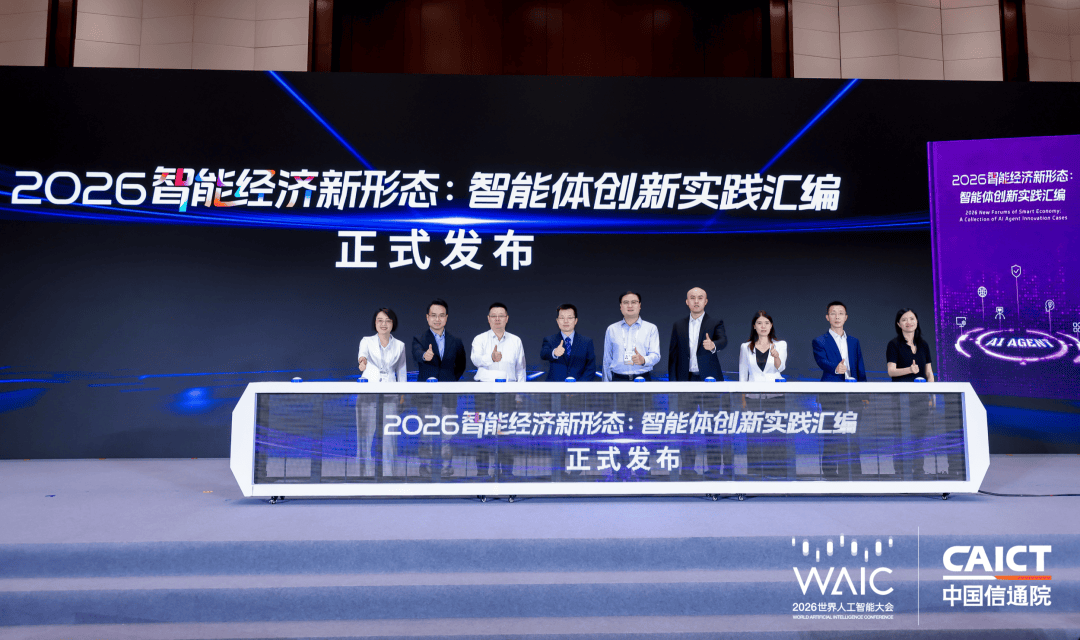
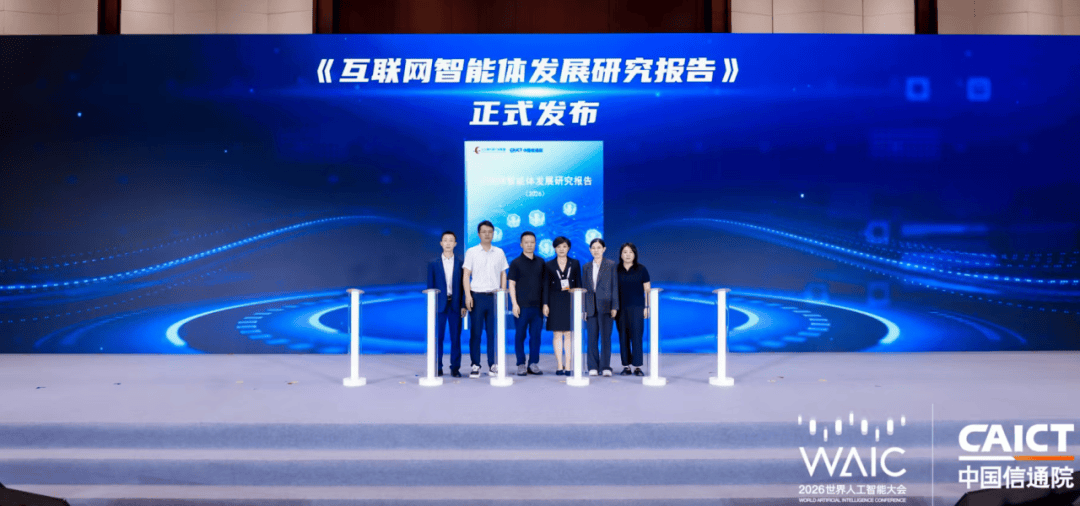
The forum unveiled five landmark achievements in the agent field. CAICT, together with industry ecosystem partners, released the "Initiative on Collaborative Development and Governance of Agent Interoperability," addressing pain points such as inconsistent interface standards and inadequate trust mechanisms in cross-platform connectivity, proposing action frameworks for technical standardization, identity mutual recognition, compliant data circulation, and coordinated security governance. CAICT, in collaboration with representatives from industry, academia, research, and medical sectors, released the "2026 New Forms of Intelligent Economy: Compilation of Agent Innovation Practices," focusing on key industries such as healthcare, transportation, manufacturing, energy, and finance, and covering five directions—basic technology, the internet, terminal products, innovation ecosystems, and industry applications—to compile benchmark agent deployment practices. The Cloud Computing and Digital Research Institute of CAICT, along with multiple organizations, released the "Research Report on the Development of Internet Agents," constructing a four-dimensional trusted protection system and proposing evaluation mechanisms and industry development pathway recommendations. The East China Branch of CAICT, together with Ant Group and other enterprises, released the Agent Security and Trusted Interconnection Protocol (ASL), establishing a secure and trustworthy mechanism for cross-platform agent communication. Concurrently, the launch of the Terminal Agent Evaluation Platform and the initiation of the ecological co-building plan were announced, jointly promoted by the East China Branch of CAICT and upstream and downstream enterprises in the industry chain.
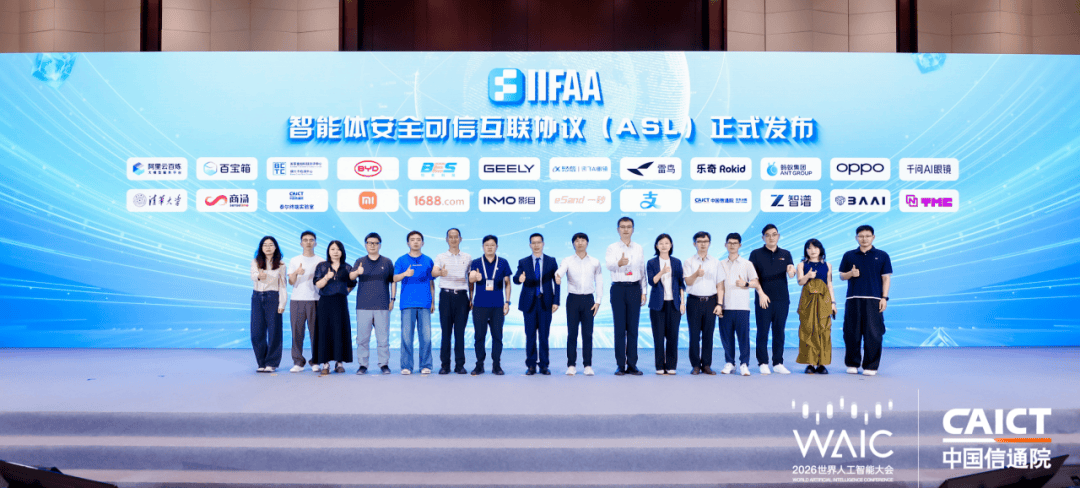
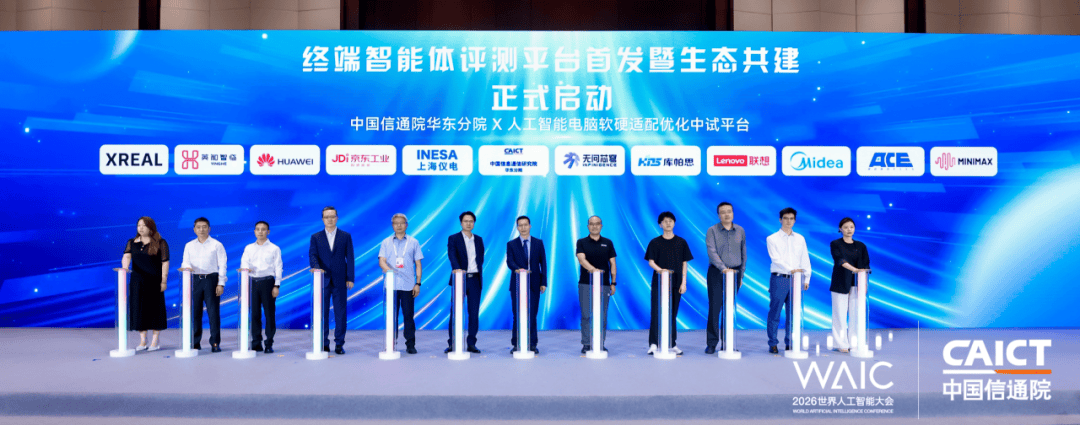
During the keynote session, Wang Jianyu, Academician of the Chinese Academy of Sciences, President of the Hangzhou Institute for Advanced Study at UCAS, and Researcher at the Shanghai Institute of Technical Physics of the Chinese Academy of Sciences, delivered a speech titled "Driven by Computing Power Foundation: Building Next-Generation Space Satellite Agents." Mei Tao, Foreign Academician of the Canadian Academy of Engineering, Founder and CEO of HiDream.ai, shared trends on "Towards World Models: Technological Paradigms and Industrial Transitions of Multimodal Agents." Omkar Joshi, Managing Director of Global AI and Digital Solutions Business at the British Standards Institution, elaborated on the value of AI trust systems from the perspective of "From Innovation to Global Digital Trust." Wu Yuzhang, Chair Professor at the Gaoling School of Artificial Intelligence at Renmin University of China; Zeng Yi, President of the Beijing Institute for Advanced AI Safety and Governance; and Li Wei, Deputy Director of the Cloud Computing and Digital Research Institute of CAICT, shared insights on AI ethics, safety, and internet agent industry trends. In the industry practice segment, technical leaders from Ant Group, China Unicom, Alibaba DAMO Academy, Intellifusion, Zhongshu Ruizhi, NetEase Youdao, Unisound, Yixing Intelligent, Alibaba, and MyFutures shared cutting-edge practices on topics such as agent security infrastructure, deployment of research agents, affordable computing power, and the cognitive evolution of AI.
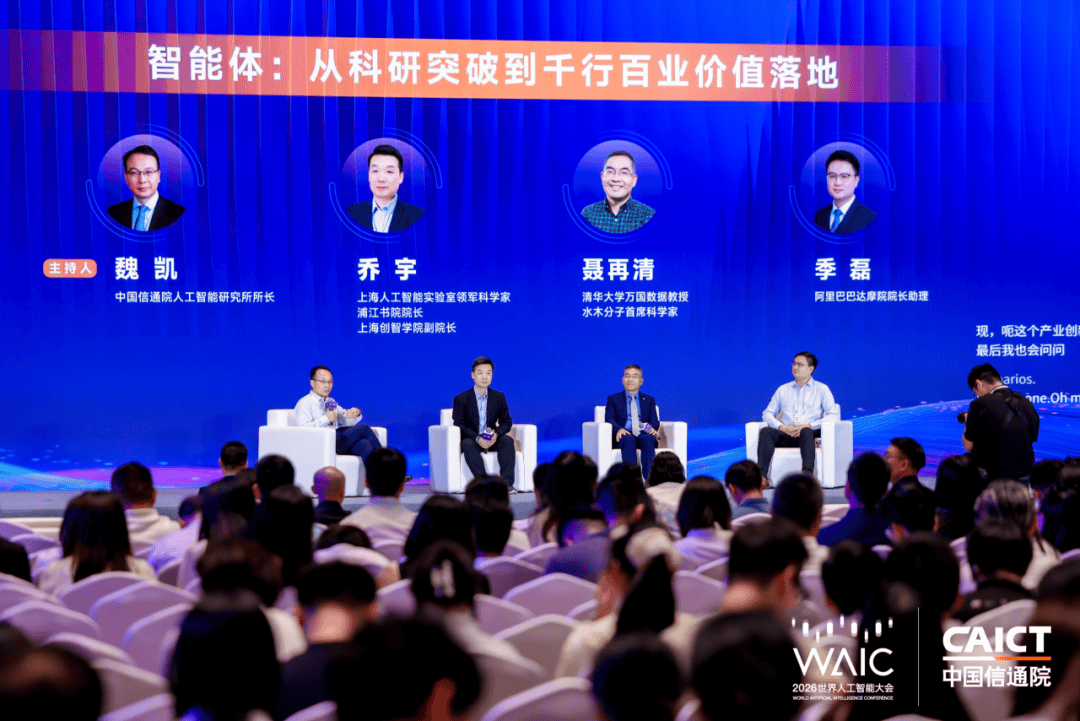
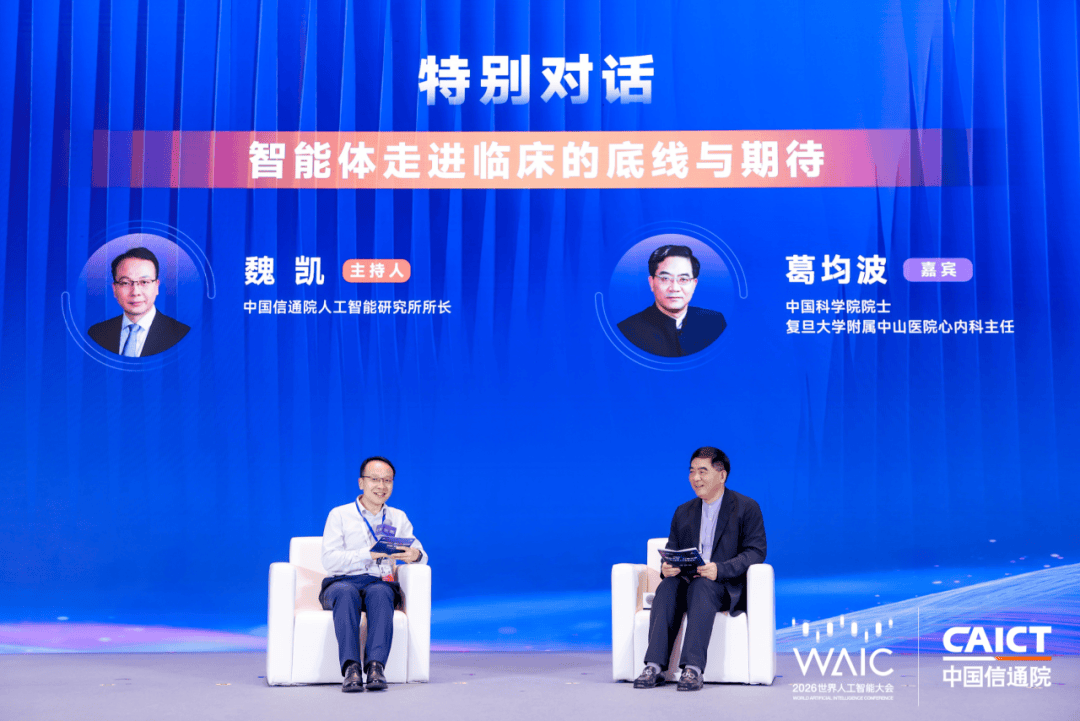
The forum featured a roundtable discussion moderated by Wei Kai, Director of the AI Research Institute at CAICT, with the theme "Agents: From Research Breakthroughs to Value Deployment Across Industries." Participants included Qiao Yu, Leading Scientist at the Shanghai Artificial Intelligence Laboratory and Vice President of the Shanghai Innovation Institute; Nie Zaiqing, Professor at Tsinghua University's Vanke School of Public Health and Chief Scientist at Shuimu Molecule; and Ji Lei, Assistant to the President of Alibaba DAMO Academy, who analyzed pain points and core needs in the industrialization of agents. A special dialogue was also held, where Ge Junbo, Academician of the Chinese Academy of Sciences and Director of the Cardiology Department at Zhongshan Hospital affiliated with Fudan University, and Wei Kai discussed the clinical value and safety boundaries of agents in healthcare scenarios.
This year marks the ninth consecutive year that CAICT has deeply supported the World Artificial Intelligence Conference. The institute stated that it will continue to promote the construction of agent standard systems, upgrade evaluation capabilities, and build the industrial ecosystem in the future.