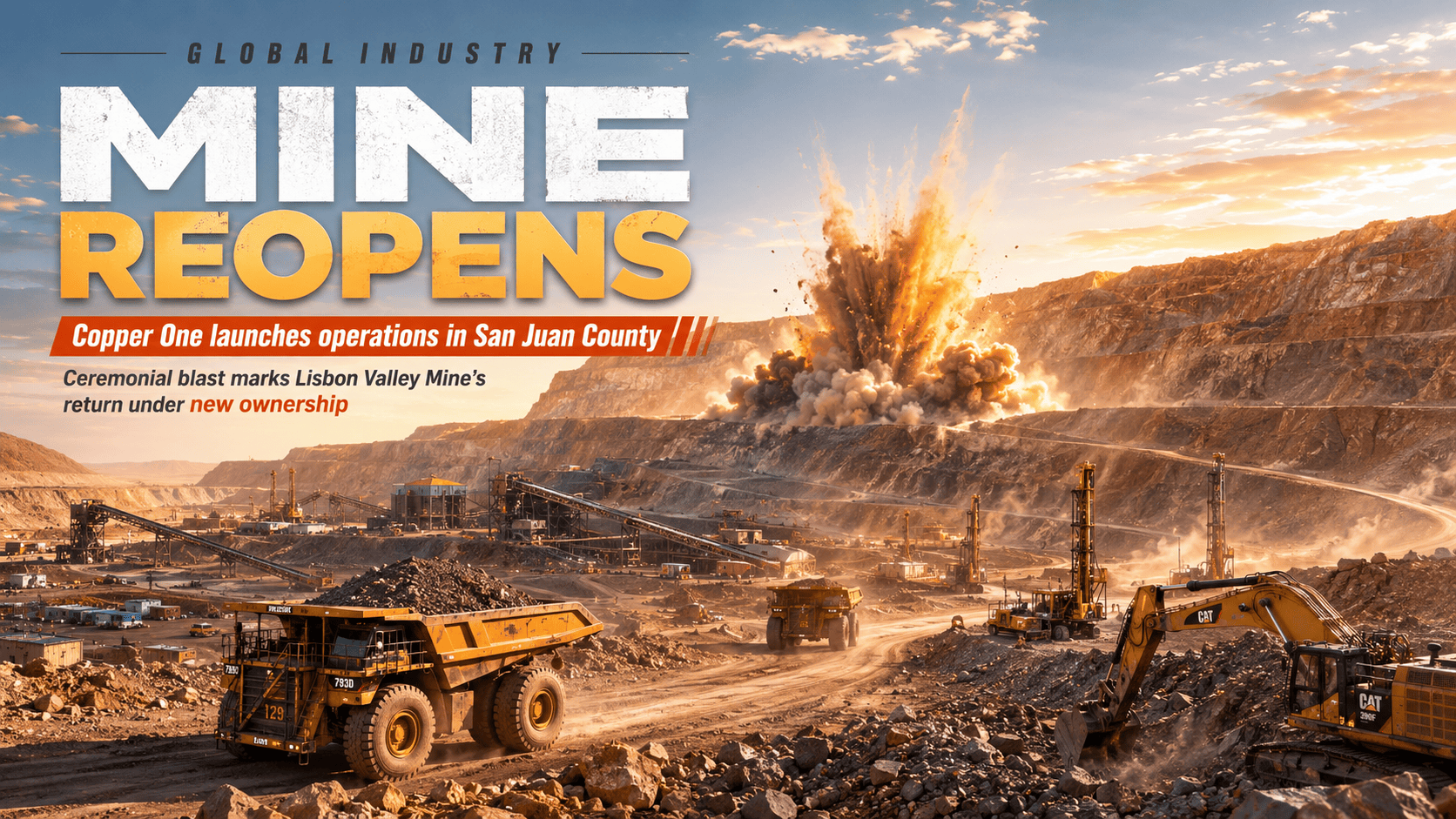
China's Crude Steel Output in First Half of 2026 Reaches 499.95 Million Tons, Down 3.0% Year-on-Year
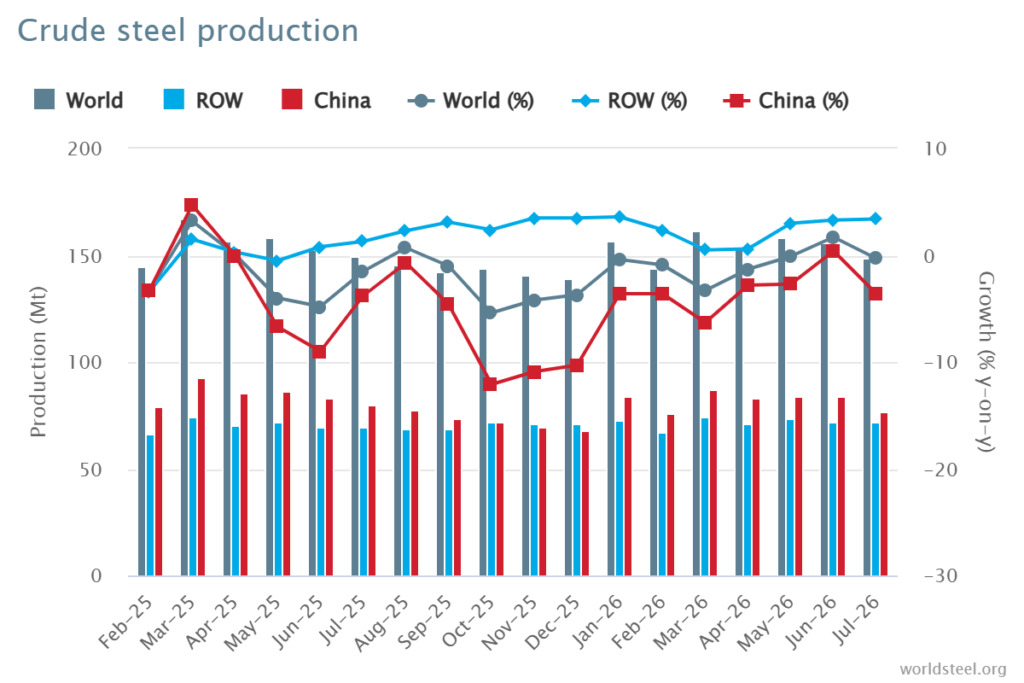
en.Wedoany.com Reported - According to data released by China's National Bureau of Statistics on July 21, 2026, from January to June 2026, the national crude steel output was 499.95 million tons, down 3.0% year-on-year; pig iron output was 426.64 million tons, down 2.8% year-on-year; and steel product output was 718.78 million tons, down 0.9% year-on-year. In June alone, crude steel output was 83.67 million tons, up 0.4% year-on-year, indicating a narrowing decline at the monthly level.
China is the world's largest steel producer and consumer, and crude steel output is a key indicator of industrial activity intensity and economic vitality. The 3.0% year-on-year decline in the first half of the year continues the trend of industry contraction since 2025. In 2025, national crude steel output fell below 1 billion tons for the first time in six years, directly linked to weakening downstream demand. National Bureau of Statistics data shows that from January to May 2026, fixed asset investment fell 4.1% year-on-year, with real estate investment down 20.1% and infrastructure investment down 4.5%, directly dragging down demand for construction steel.
Looking at monthly trends, the pace of output decline is slowing. In June, crude steel output turned positive year-on-year (+0.4%), pig iron output decline narrowed to 0.9%, and steel product output remained flat year-on-year. This reflects that since the end of the first quarter, some steel mills have resumed production due to marginal profit improvements and production restarts. During the same period, the added value of the ferrous metal smelting and rolling processing industry grew 3.3% year-on-year, contrasting with output data and indicating that the industry achieved value-added growth through product mix optimization despite output cuts.
On the demand side, in the first half of 2026, new housing starts remained low, infrastructure investment growth slowed, and steel demand from manufacturing was relatively stable but insufficient to offset the decline in construction steel. On the export front, although steel exports hit a monthly record in May, cumulative exports from January to May fell 8.1% year-on-year, with overseas demand also under pressure. On the supply side, new capacity replacement regulations imposed constraints—the "Implementation Measures for Capacity Replacement in the Steel Industry" issued in May 2026 raised the national capacity replacement ratio for ironmaking and steelmaking to no less than 1.5:1, institutionally limiting disorderly capacity expansion.
In terms of industry profitability, according to data from the China Iron and Steel Association, in the first quarter of 2026, the steel industry's main business profit from key statistical steel enterprises was only 1.03 billion yuan, down 85.6% year-on-year, with an industry sales profit margin of just 1.46%. As of early July, the profit rate of steel enterprises had fallen from 63.2% in early May to 42.86%, with the loss-making scope continuing to expand.
From a global perspective, the Organisation for Economic Co-operation and Development (OECD) expects global steel capacity utilization to decline from 76% in 2025 to 74% or lower by 2028. As the core supplier in the global steel market, China's output trends have a profound impact on international iron ore prices, maritime trade patterns, and upstream and downstream industrial chains.
The 3.0% year-on-year decline in crude steel output in the first half of the year reflects the deep adjustment of China's steel industry under the dual pressures of demand contraction and policy constraints. With the implementation of new capacity replacement regulations and the advancement of carbon market compliance, the industry is transitioning from scale expansion to a new phase of stock optimization and quality improvement. Whether the year-on-year output turnaround in June signals a temporary bottom remains to be further verified by data in the coming months.
Related Products
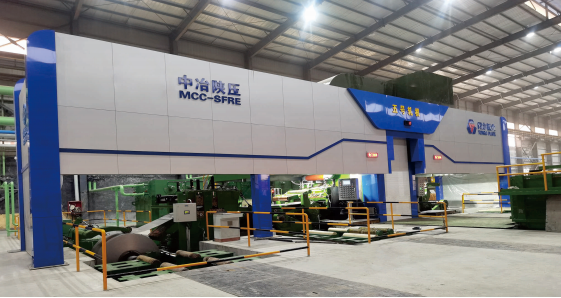

1050-1750mm Steel Strip Single-stand Reversible Cold Rolling Production Line
MCC-SFRE HEAVY INDUSTRY EQUIPMENT CO., LTD.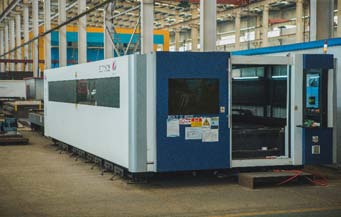
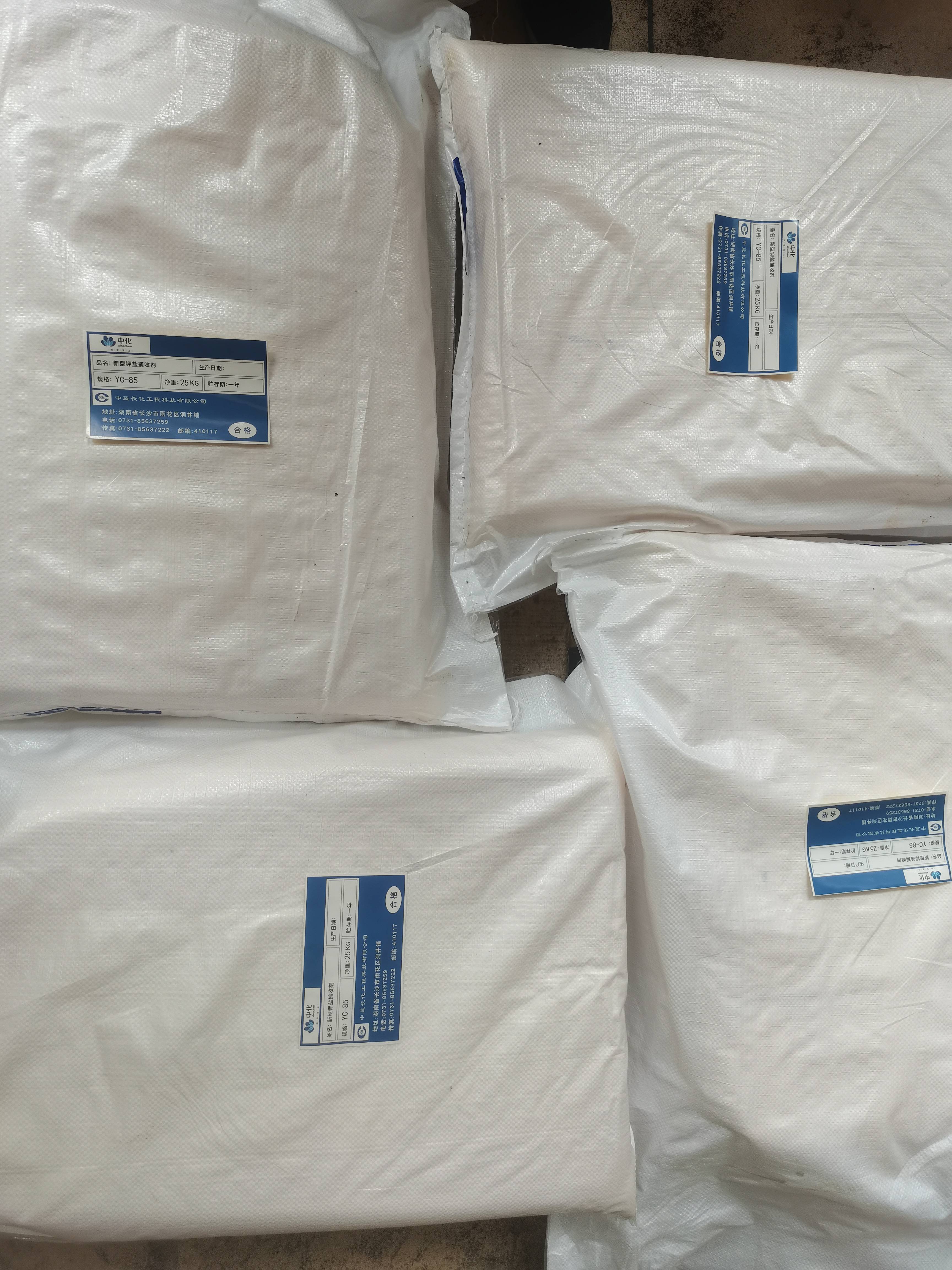
New Environmentally Friendly Green Potassium Salt Collector
Chonfar Engineering and Technology Co., Ltd.
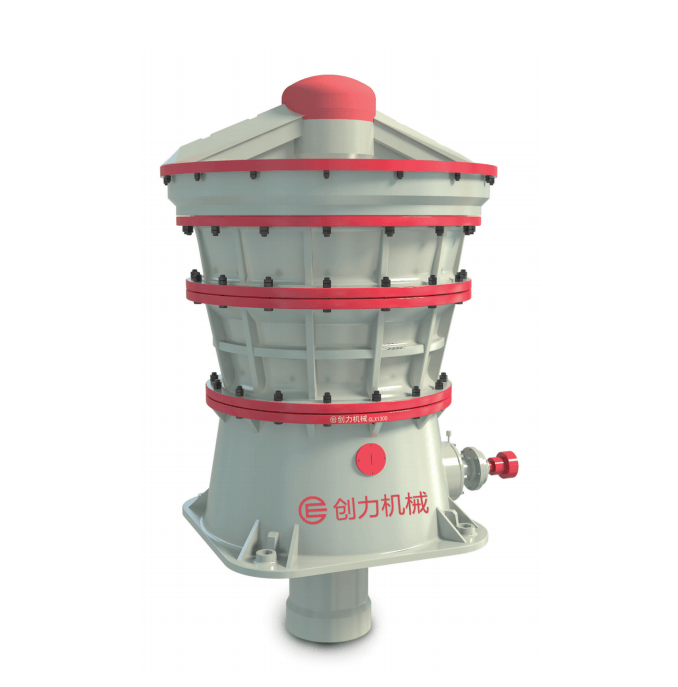
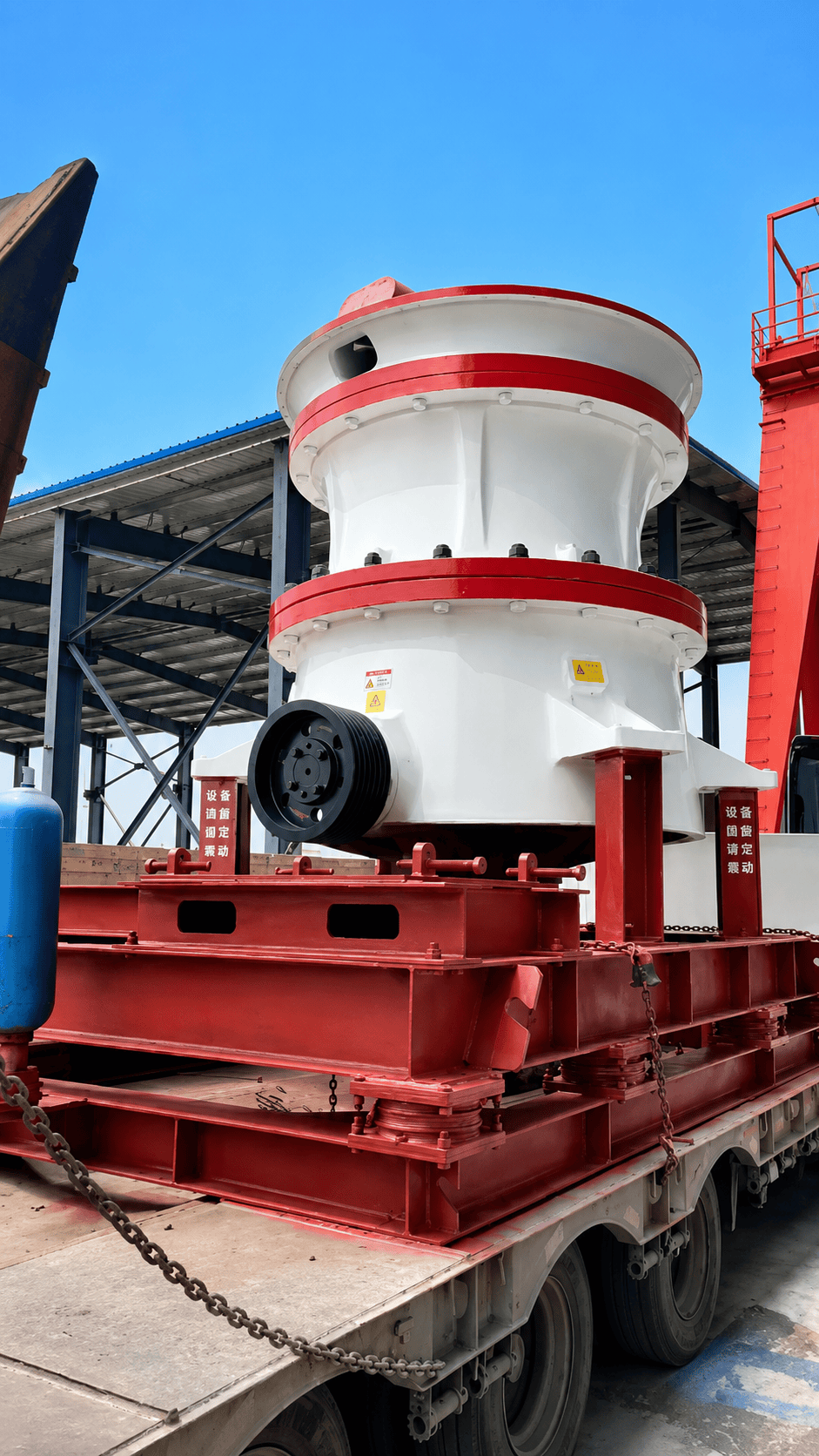
CLX Series Intelligent Hydraulic Gyratory Crusher
Guangdong CHUANGLI intelligent machinery Equipment Co., LTD
Industrial and Commercial Point-Type Gas Detector
Jinan Benan Technology Development Co., Ltd.

Comprehensive Mining Automation Control System
Beijing Tianma Intelligent Control Technology Co., Ltd.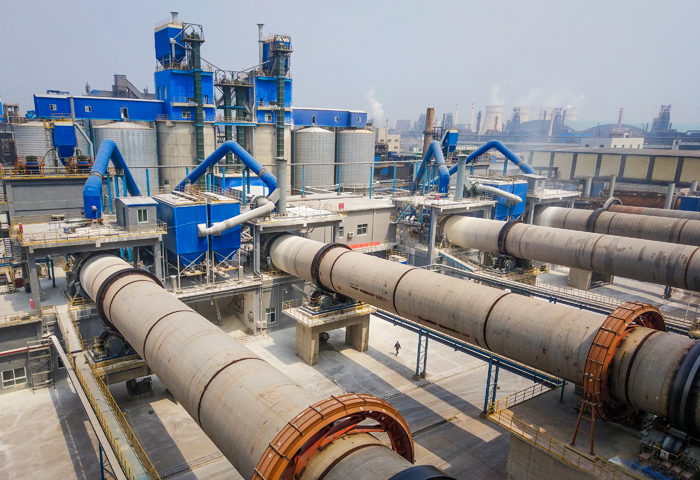
CITIC Heavy Industries Metallurgical Equipment Steel Smelting Engineering Equipment
CITIC Heavy Industries Co., Ltd.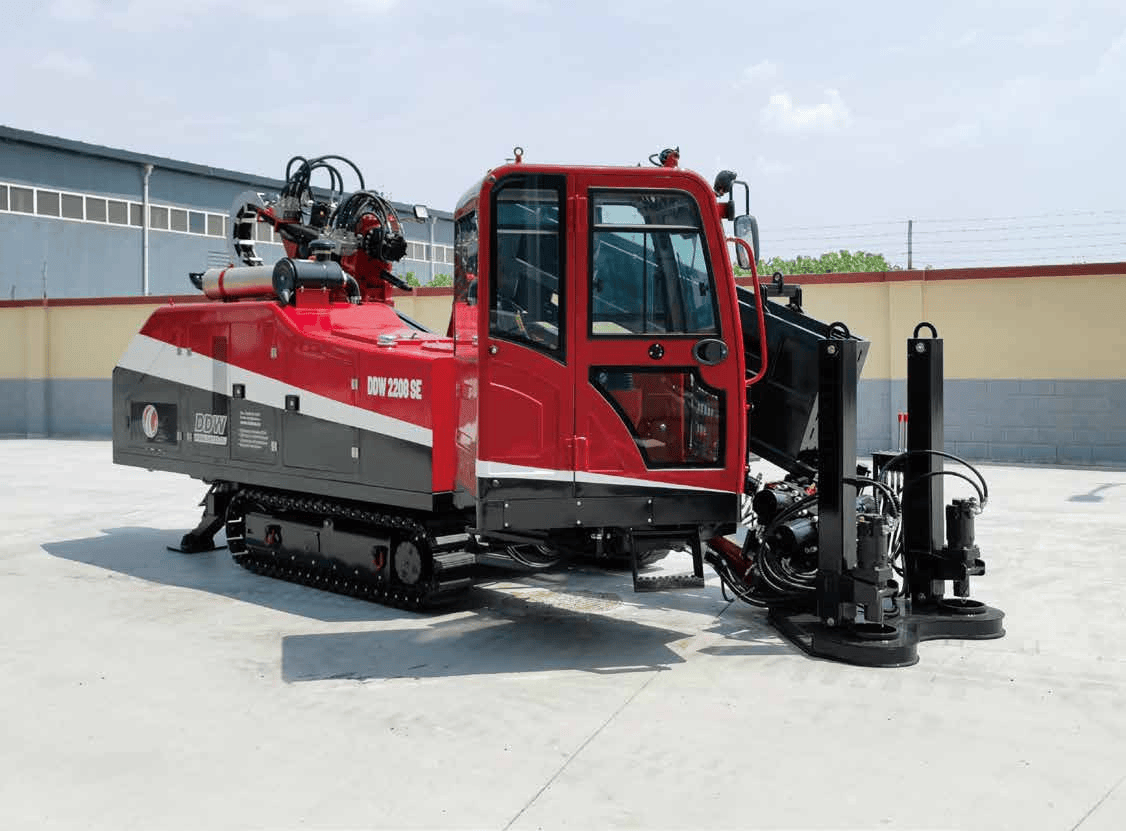
DDW22/08SE-HORIZONTAL DIRECTIONAL DRILL
DW/TXS Construction Equipment (Beijing) Co., Ltd.
Integrated Excavation and Anchoring Machine (EJM Series)
China Railway Construction Heavy Industry Corporation Limited