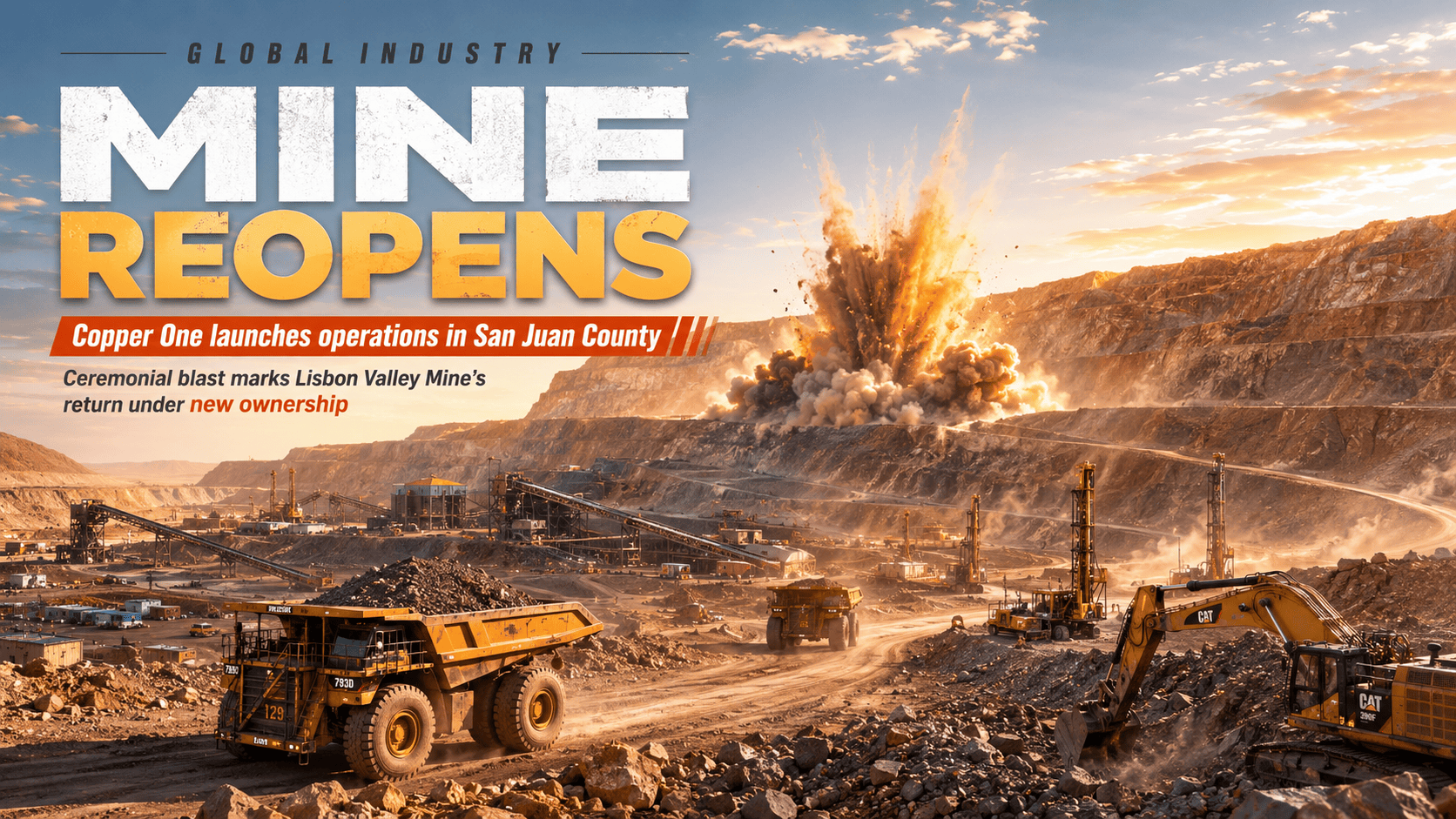
Smart Manufacturing Is Turning Metallurgical Equipment Into Data-Driven Production Systems
en.Wedoany.com Reported - Steel and non-ferrous metal production is moving rapidly toward smart manufacturing, and Metallurgical Complete Equipment is no longer only a combination of heavy machinery and thermal equipment. Modern plants need automation, digitalization and intelligent systems to stabilize production rhythm, trace quality, optimize energy use, predict maintenance and control safety risks.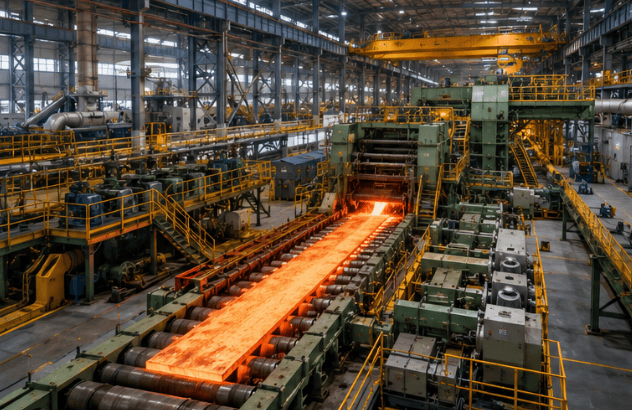
The nature of metallurgical production makes intelligence highly valuable. Blast furnaces, converters, electric arc furnaces, continuous casters, rolling mills and heat treatment lines operate under high temperature, heavy load and continuous conditions. Manual intervention is limited, and abnormal operating windows can be short.
Parameters such as molten steel temperature, chemical composition, casting speed, rolling force, strip shape, thickness, cooling rate and surface quality must be collected, analyzed and controlled in real time. A fluctuation in one key parameter can lead to quality defects, energy waste or production interruption.
Automation systems are usually organized in multiple levels. L1 basic automation manages equipment movement, signal collection and closed-loop control. L2 process control handles process models, parameter optimization and quality control. L3 and L4 systems connect production planning, material management, energy management and quality traceability.
If complete metallurgical equipment cannot connect with these systems, it will be difficult to meet modern plant requirements for stability and transparent management. Equipment condition monitoring is another important direction. Rolling mill bearings, hydraulic systems, drives, fans, pumps, casting rolls, dust removal fans and blast furnace equipment all need long-term reliable operation.
By using vibration, temperature, pressure, oil condition, power and operating-hour data, plants can identify degradation trends earlier, arrange planned maintenance and reduce unexpected downtime. For continuous production industries, predictive maintenance can be more valuable than a small difference in equipment purchase price.
In the future, metallurgical equipment will be increasingly connected with digital twins, AI process optimization, vision inspection, robot inspection and energy management platforms. Suppliers will need to move from machinery manufacturers to process and data system integrators. For steel producers, equipment procurement should evaluate not only capacity, but also automation interfaces, data collection, model support and intelligent maintenance capability.
Related Products


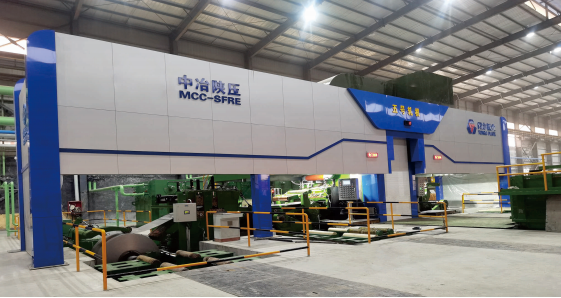
1050-1750mm Steel Strip Single-stand Reversible Cold Rolling Production Line
MCC-SFRE HEAVY INDUSTRY EQUIPMENT CO., LTD.
Comprehensive Mining Automation Control System
Beijing Tianma Intelligent Control Technology Co., Ltd.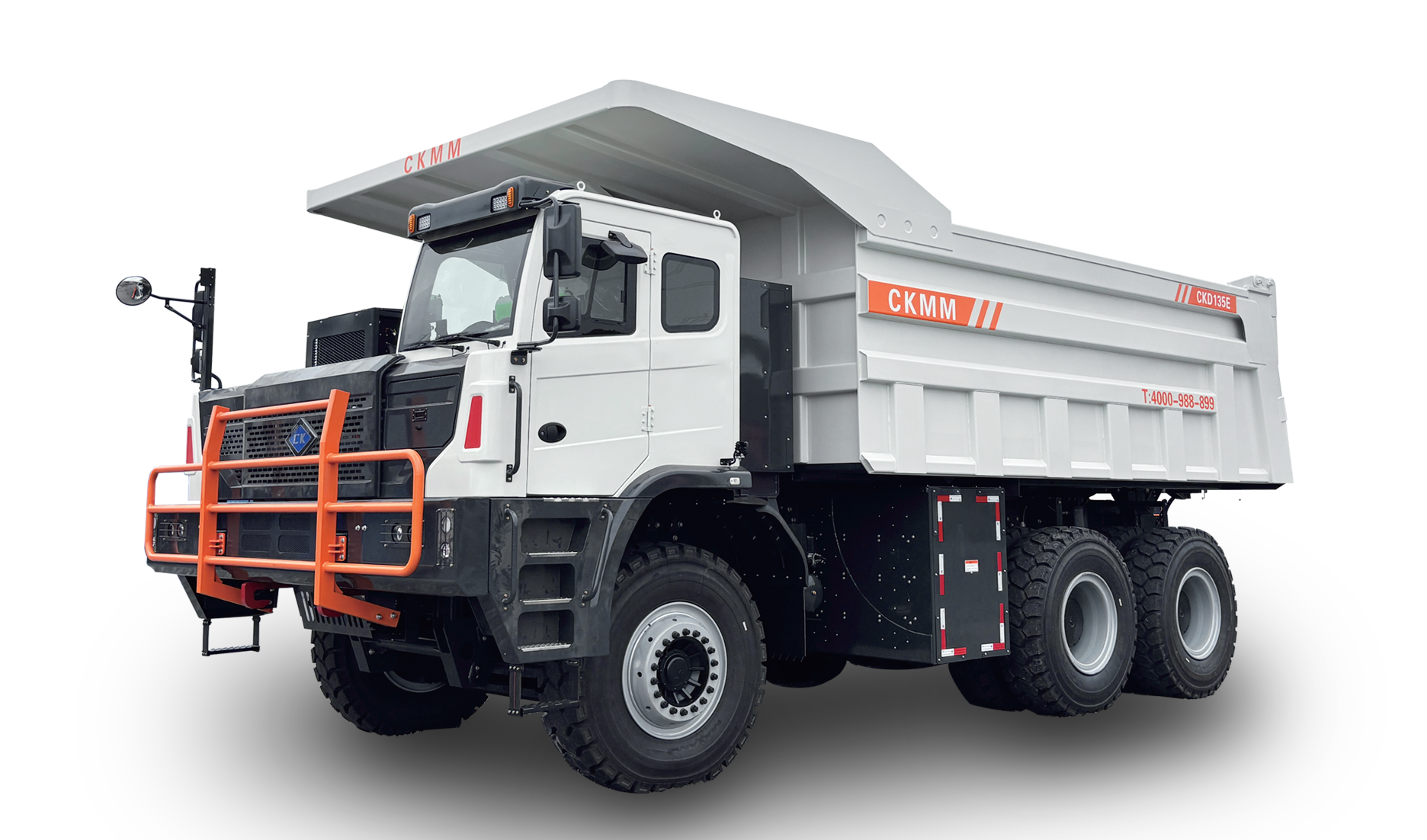
CKD135E Pure Electric Wide-body Dump Truck
Jiangsu Changkuang Engineering Machinery Co. Ltd.
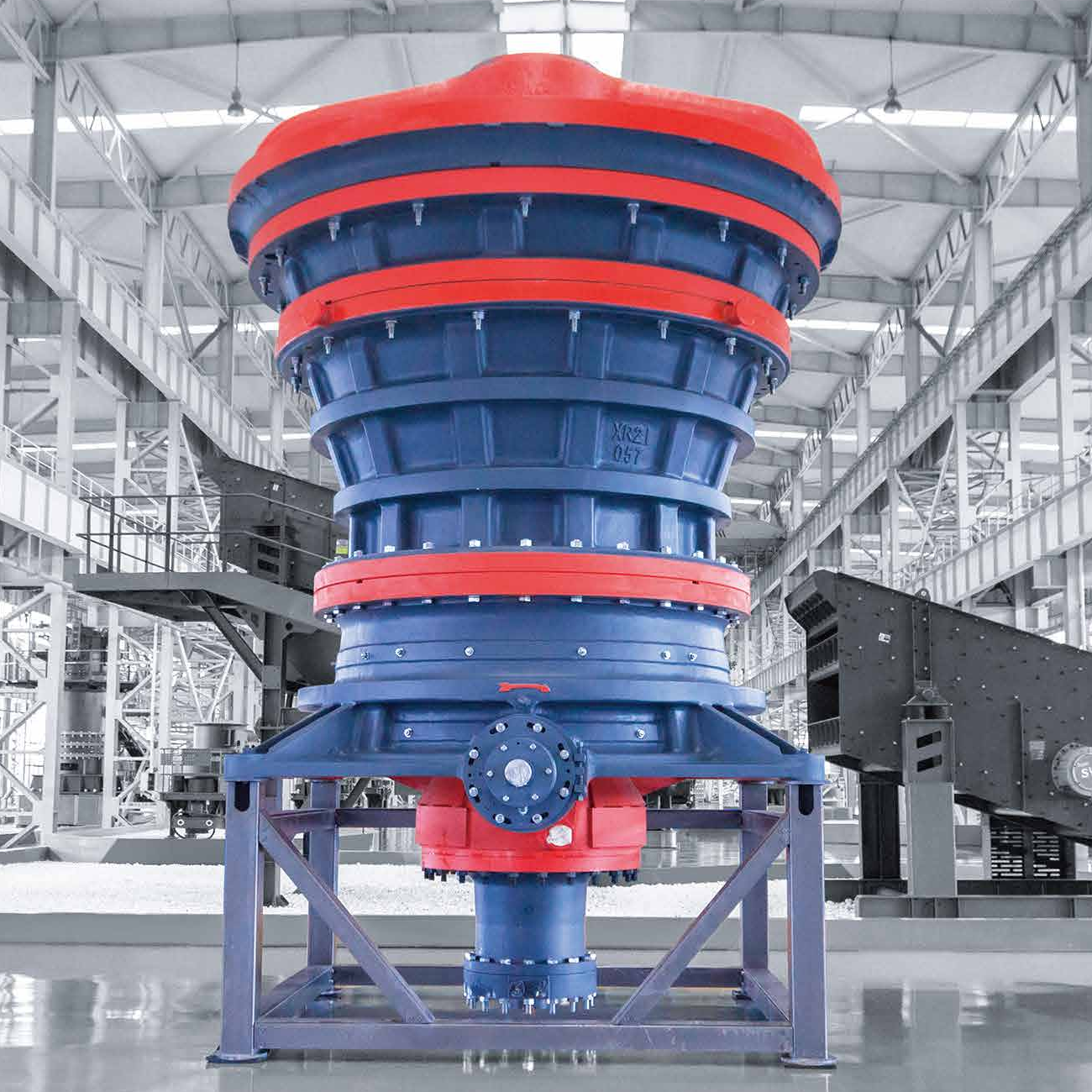
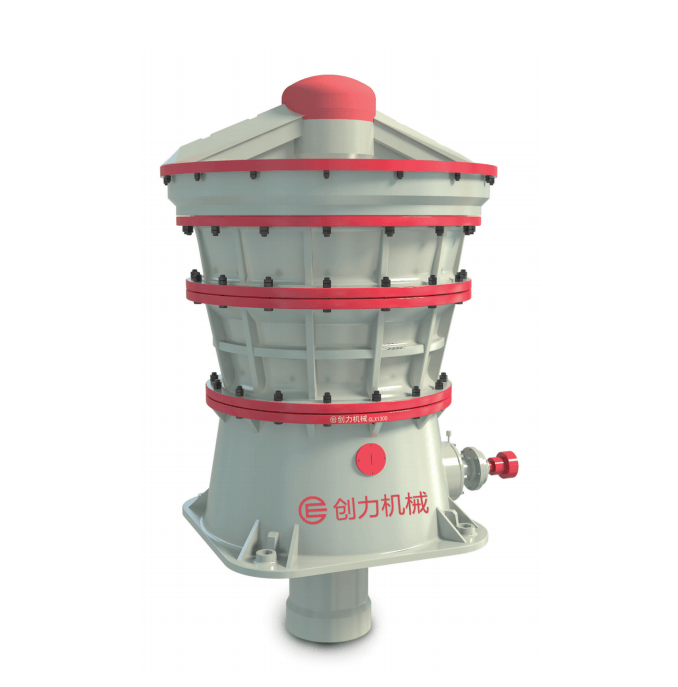
CLX Series Intelligent Hydraulic Gyratory Crusher
Guangdong CHUANGLI intelligent machinery Equipment Co., LTD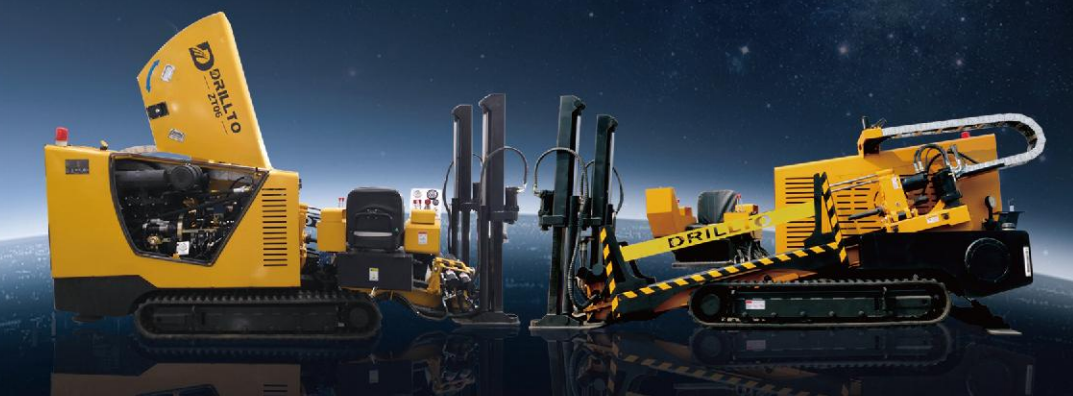
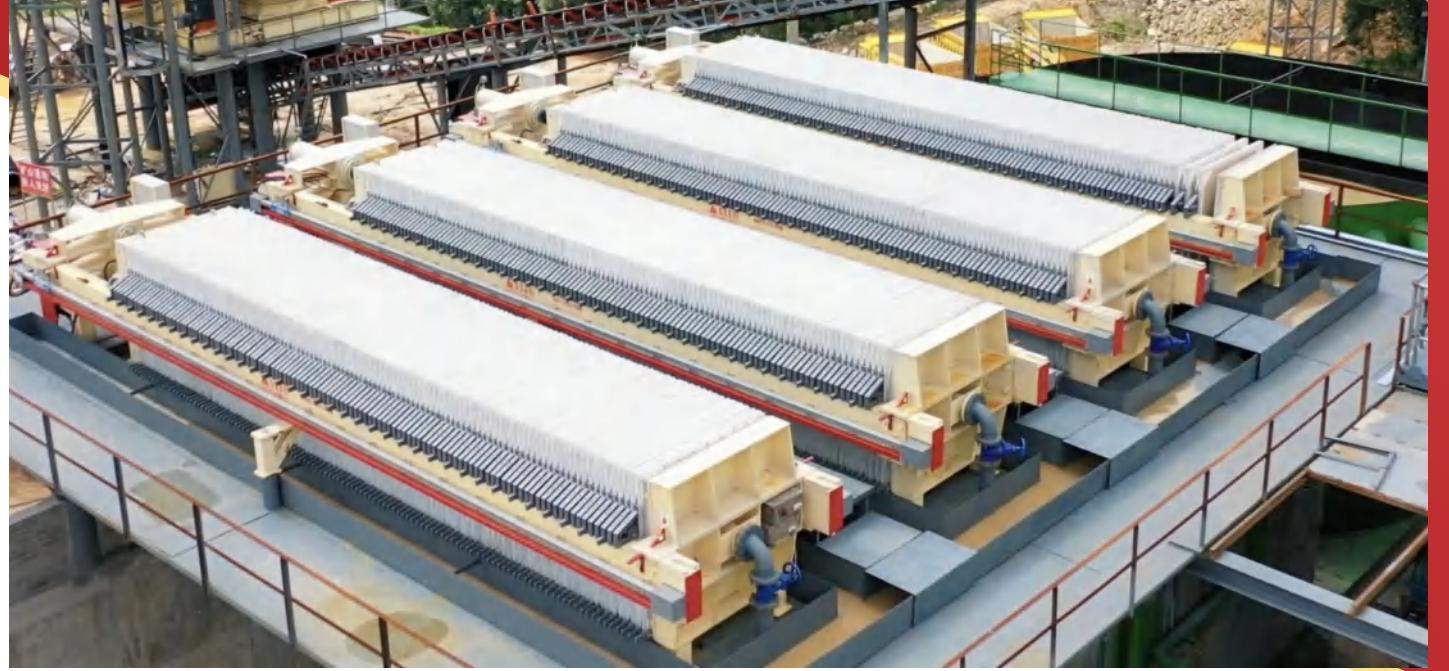
Hydraulic Plate and Frame Filter Press
Guangdong Leimeng Intelligent Equipment Group Co., Ltd.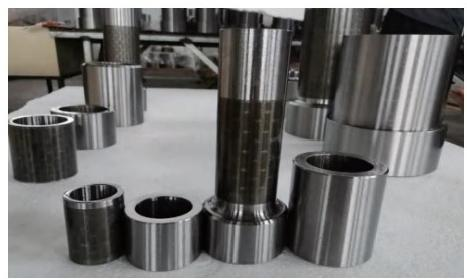
High-temperature Equal Wall Thickness High-power Screw Drilling Tool
Orient Energy & Technologies Co., Ltd.