Power Line Fitting Selection Requires Both Mechanical and Electrical Verification
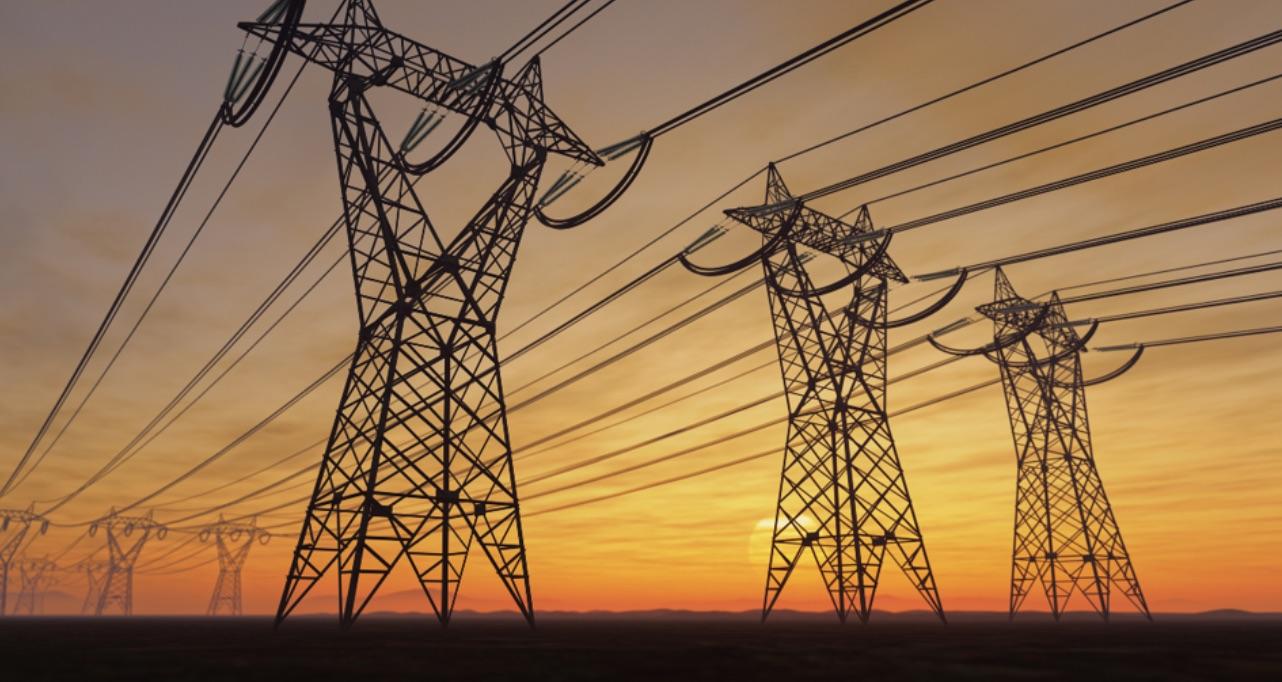
en.Wedoany.com Reported - In transmission and distribution projects, selecting Power Line Fittings may look like a simple task of matching catalogue models with drawings. In reality, it directly affects the safety margin and long-term performance of overhead lines. Conductors, spans, tensions, tower types, angle structures, insulator strings and weather conditions can vary widely from one project to another.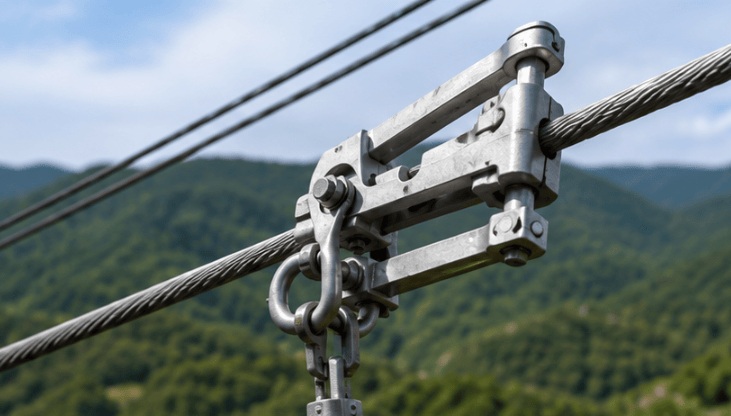
Mechanical strength is the first requirement. Tension clamps, suspension clamps, yoke plates, clevis fittings and connecting hardware must carry conductor weight, line tension, wind load, ice load and sudden mechanical impact. For long-span crossings, heavy-ice regions, high-altitude lines, strong-wind areas and mountain routes, breaking load, grip strength, fatigue resistance and anti-vibration behavior are especially important.
If fitting strength is insufficient or the load path is poorly designed, the line may face conductor slippage, fitting deformation, loose connections or breakage. These problems may not appear during installation, but they can develop under repeated wind, temperature and load cycles.
Electrical performance is also critical. In high-voltage lines, fittings are not only mechanical connectors. They can influence electric field distribution and local discharge risk. Grading rings, corona rings, terminal clamps, splice sleeves and jumper clamps need to control corona, heating, resistance and contact stability.
For high-current lines, excessive contact resistance can cause overheating, oxidation and energy loss. After long-term operation, this may threaten line safety. Materials and manufacturing processes also define service life. Aluminum alloys, steel, malleable iron, hot-dip galvanized parts, stainless steel and composite materials each have suitable applications. Aluminum fittings are often used for conductor connection and protection, while steel fittings carry more structural load.
In the future, fitting selection will focus more on life-cycle reliability. Project teams should review not only model numbers, but also test reports, material certificates, grip tests, temperature-rise tests, galvanized layer quality, fatigue tests and installation procedures. Mature suppliers should provide drawing coordination, sample validation, project adaptation and quality traceability.
Related Products

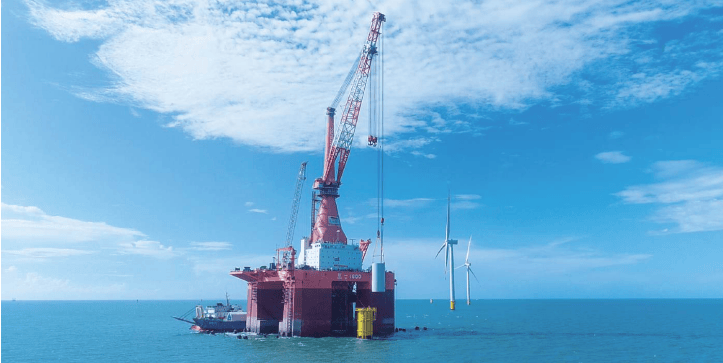
"Shunyi 1600" Deep-submerging Bottom-sitting Multi-functional Wind Power Engineering Vessel
Zhengli Offshore Engineering Co., Ltd.

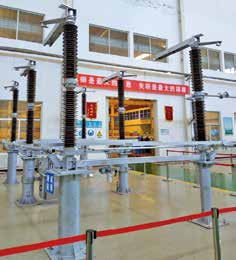
GW4-40.5/72.5/126/145/170/252/363/420 Series Double-column Horizontal Rotary High-voltage AC Disconnect Switch
SHANDONG TAIKAI DISCONNECTORS CO., LTD.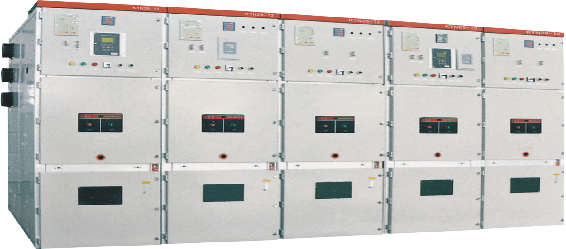
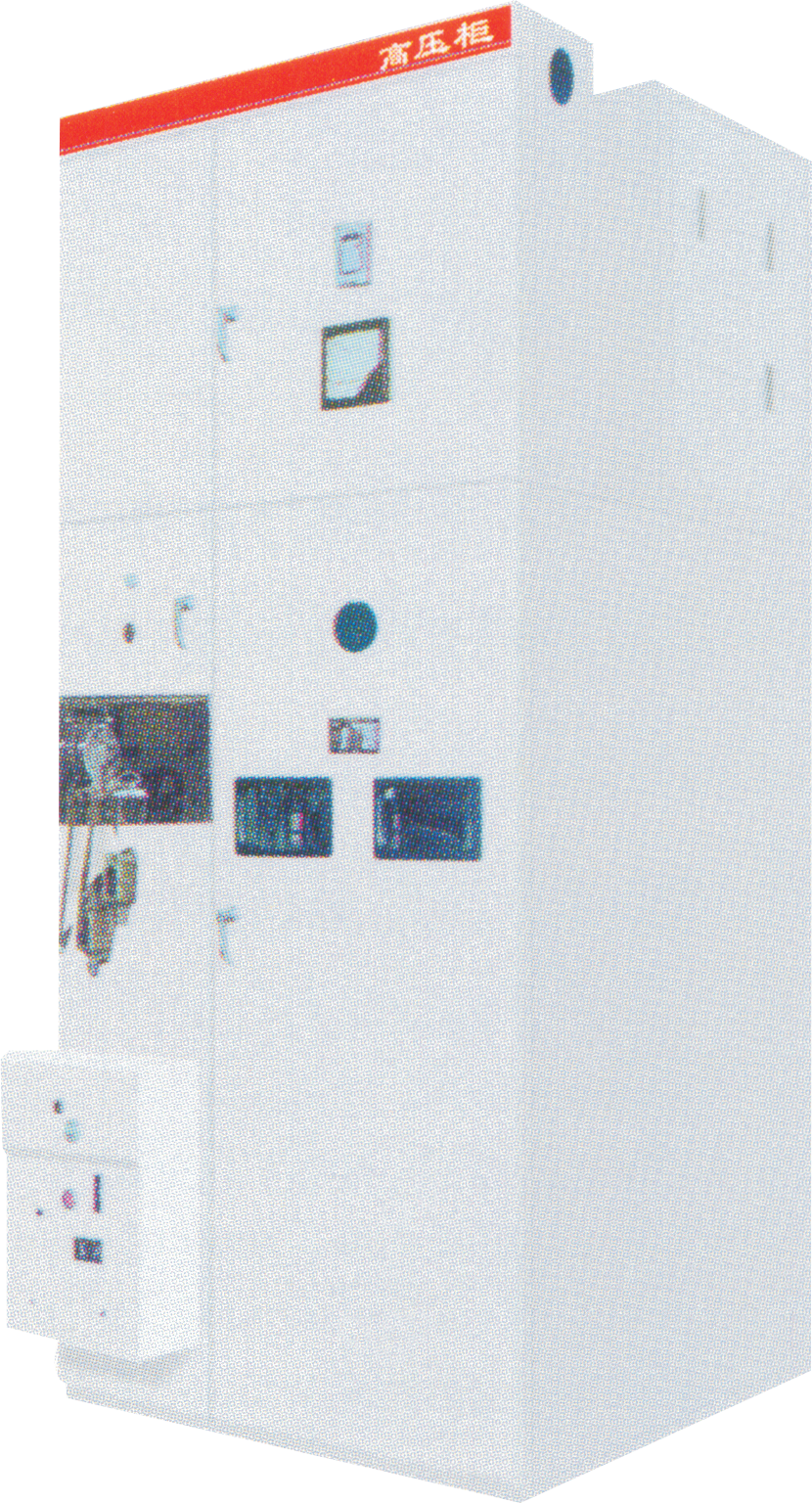
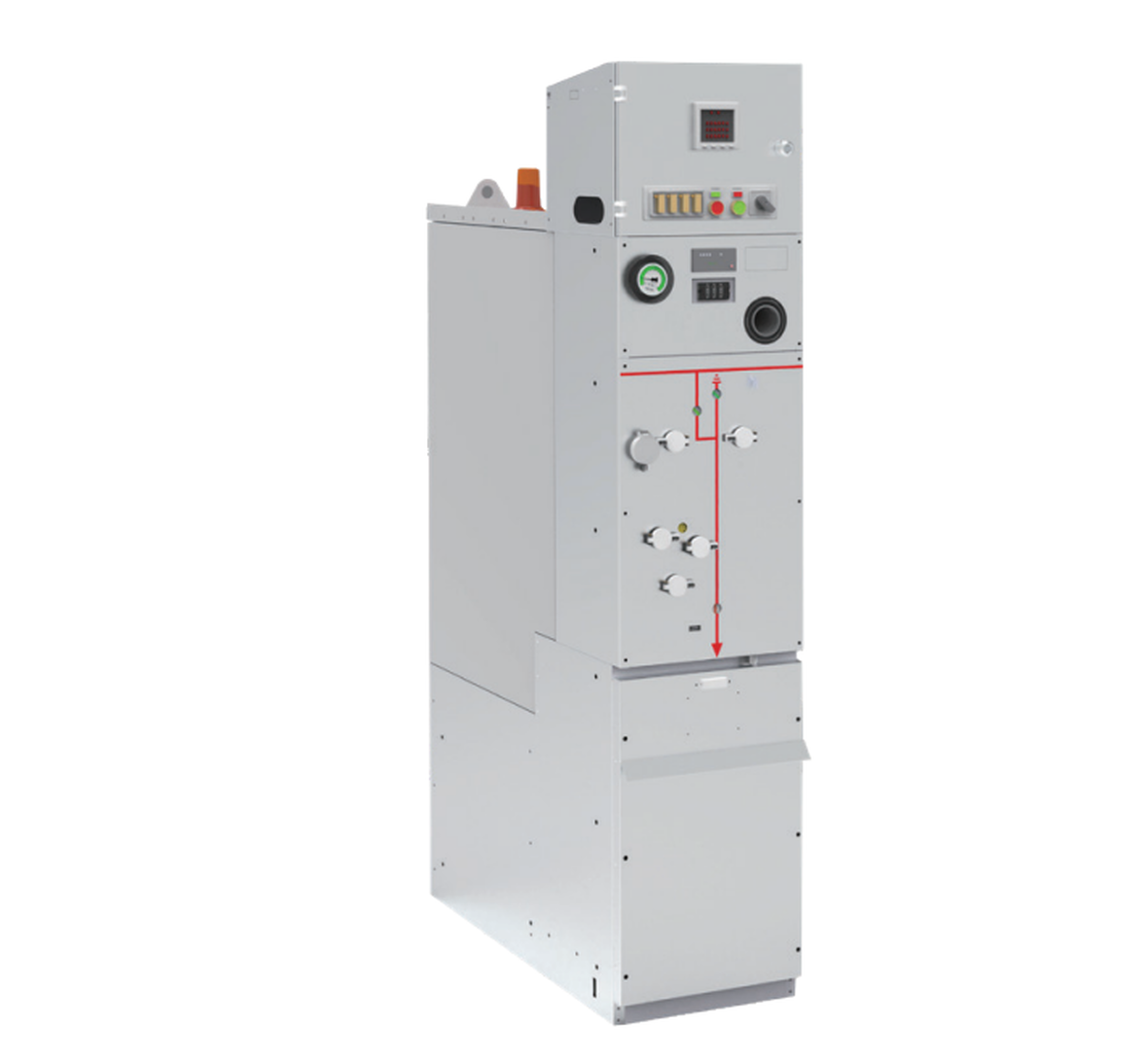
KYN28-12/24 Indoor High-Voltage Metal-Clad Removable Switchgear
Shenzhen Zhaoyang Hui Technology Co., Ltd.