en.Wedoany.com Reported - As extreme weather becomes more frequent, coastal and polluted-region grid construction expands, and many older transmission and distribution lines enter retrofit cycles, the durability of Power Line Fittings is receiving more attention. In the past, fittings were often discussed mainly during new line construction. Today, utilities are paying more attention to condition changes during operation, including corrosion, wear, looseness, heating, fatigue and insulation coordination problems.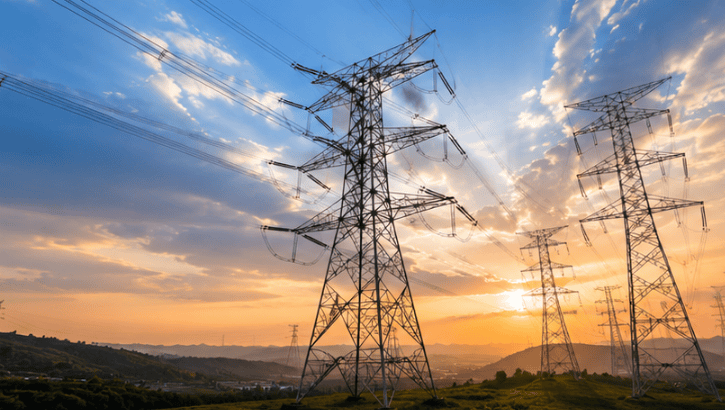
Power line fittings operate outdoors for decades. They must face rain, salt fog, dust, ultraviolet radiation, temperature change, industrial pollution, bird activity and mechanical vibration. In coastal areas, salt fog accelerates metal corrosion. Near chemical plants, metallurgical sites and mines, acidic gases or dust can affect galvanized layers and contact surfaces. In cold and heavy-ice areas, icing and freeze-thaw cycles increase mechanical load. In strong-wind regions, conductor vibration and galloping can accelerate fitting fatigue.
Corrosion resistance depends not only on material selection, but also on surface treatment and structural details. Hot-dip galvanized layer quality, aluminum alloy corrosion resistance, stainless steel fasteners, drainage design, crevice protection and control of dissimilar metal contact can all influence service life.
If material combinations are poor, galvanic corrosion may occur. If the structure traps water or creates narrow gaps, corrosion may develop without early detection. This is why durability design must be considered before the line is built or upgraded.
Maintenance inspection is becoming an important part of fitting management. Drone inspection, infrared thermography, image recognition, vibration monitoring and fault location systems can help utilities detect overheated clamps, cracked fittings, missing pins, loose bolts and abnormal vibration dampers. For critical lines and important corridors, fitting condition assessment should be included in line health management systems.
In the future, power line fittings will place more emphasis on durability by design. Suppliers need to provide differentiated materials and structures according to climate, pollution level, voltage class and maintenance conditions. In grid retrofit projects, replacing fittings is not only about restoring line function. It is a way to improve disaster resistance, reduce outage risk and extend asset life.