China Billet Falls 20 Yuan/Ton, Rebar Drops 1 Yuan/Ton
en.Wedoany.com Reported - Data released by industry research firm BigMint on July 21, 2026, showed that China's billet prices fell by 20 yuan/ton (approximately $3/ton) to 2,960 yuan/ton (approximately $437/ton) on the day, while the main rebar futures contract on the Shanghai Futures Exchange edged down by 1 yuan/ton (approximately $0.14/ton) to 3,095 yuan/ton (approximately $457/ton), reflecting weak steel demand and easing raw material costs. Export offers for billet remained stable at around $465/ton FOB on the same day, with mills maintaining their quotation levels amid a slight increase in inquiries.
BigMint is a global commodity market intelligence and analytics firm headquartered in India, specializing in providing real-time prices, market insights, and industry data in areas such as steel, iron ore, coal, and scrap, serving traders, producers, and financial institutions across the global steel supply chain. According to BigMint's analysis, the current price decline is primarily driven by two factors: first, persistently weak end-user steel demand; and second, market expectations of the first round of coke price cuts, which have lowered steelmaking costs. Iron ore prices weakened due to declining hot metal output, further undermining cost-side support.
July marks the traditional off-season for steel consumption in China, with the plum rain season in the south and high temperatures in the north continuing to curb outdoor construction progress, keeping end-user procurement of construction steel at low levels. According to industry monitoring, as of July 21, Tangshan billet was quoted at 3,030 yuan/ton, while spot rebar prices in Shanghai stood at around 3,050 yuan/ton. Mill profitability remained under pressure, with blast furnace profits at approximately -136 yuan/ton and electric arc furnace profits at around -80 yuan/ton. The first round of coke price cuts, ranging from 50 to 55 yuan/ton, has recently been initiated, and port iron ore prices have fluctuated downward. The easing of cost-side pressures has opened up a slight downward space for steel prices.
Although sentiment in the commodity market has improved following the stabilization of financial markets, factors such as persistently weak demand, disruptions in Red Sea shipping, and global trade barriers continue to weigh on the outlook for steel exports to the Middle East. The modest decline in China's billet and rebar prices reflects a phase of adjustment in the current steel market under the dual pressures of weak off-season demand and diminished cost support. With an increase in mill maintenance and a contraction in supply, steel prices are likely to maintain a low-level range-bound pattern in the short term.
Related Products

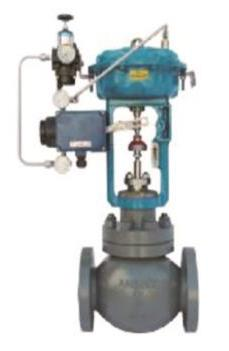
Quick-Change Single-Seat Control Valve / Quick-Change High-Pressure Single-Seat Control Valve
Beijing Consen Automation Technology Co., Ltd.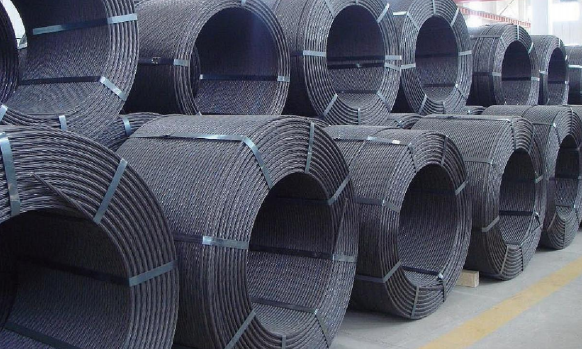

Comprehensive Mining Automation Control System
Beijing Tianma Intelligent Control Technology Co., Ltd.
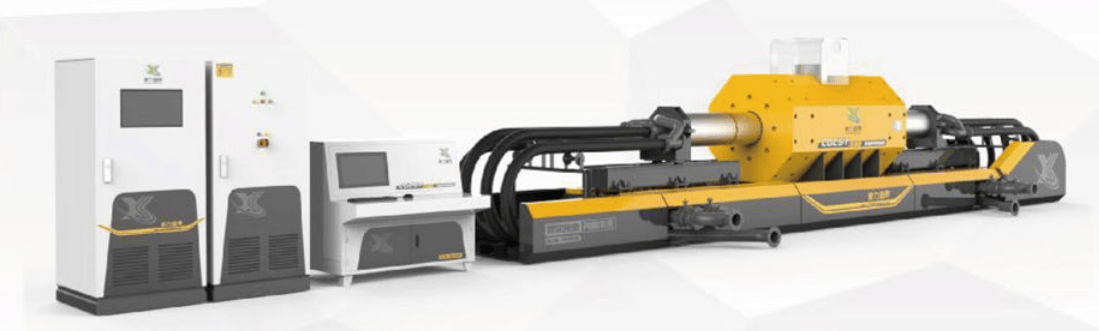
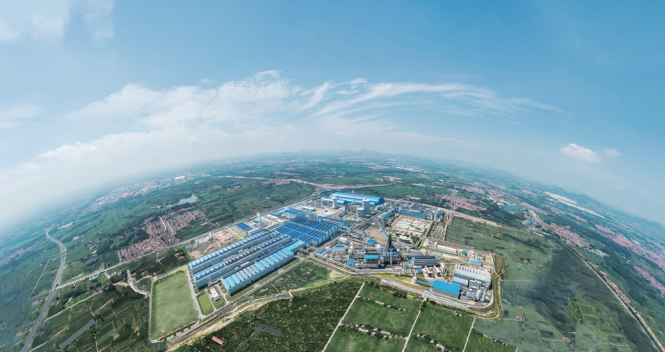
Linyi Steel Investment Special Steel 2.7 Million Tons per Year High-quality Special Steel Project
Capital Engineering & Research Incorporation Limited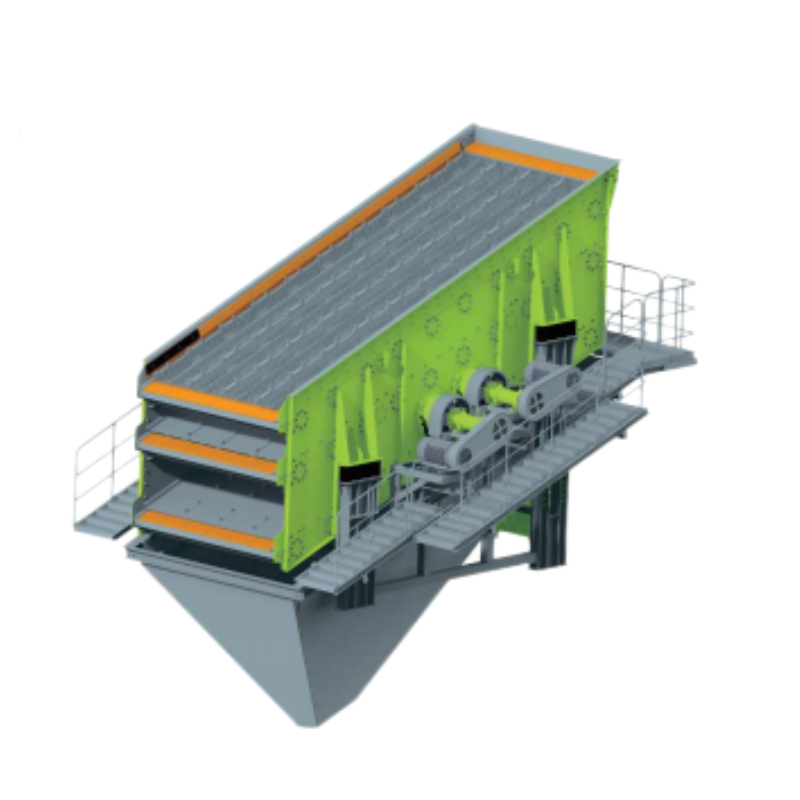
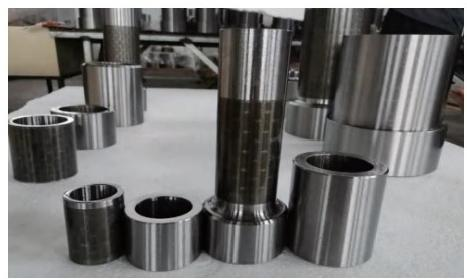
High-temperature Equal Wall Thickness High-power Screw Drilling Tool
Orient Energy & Technologies Co., Ltd.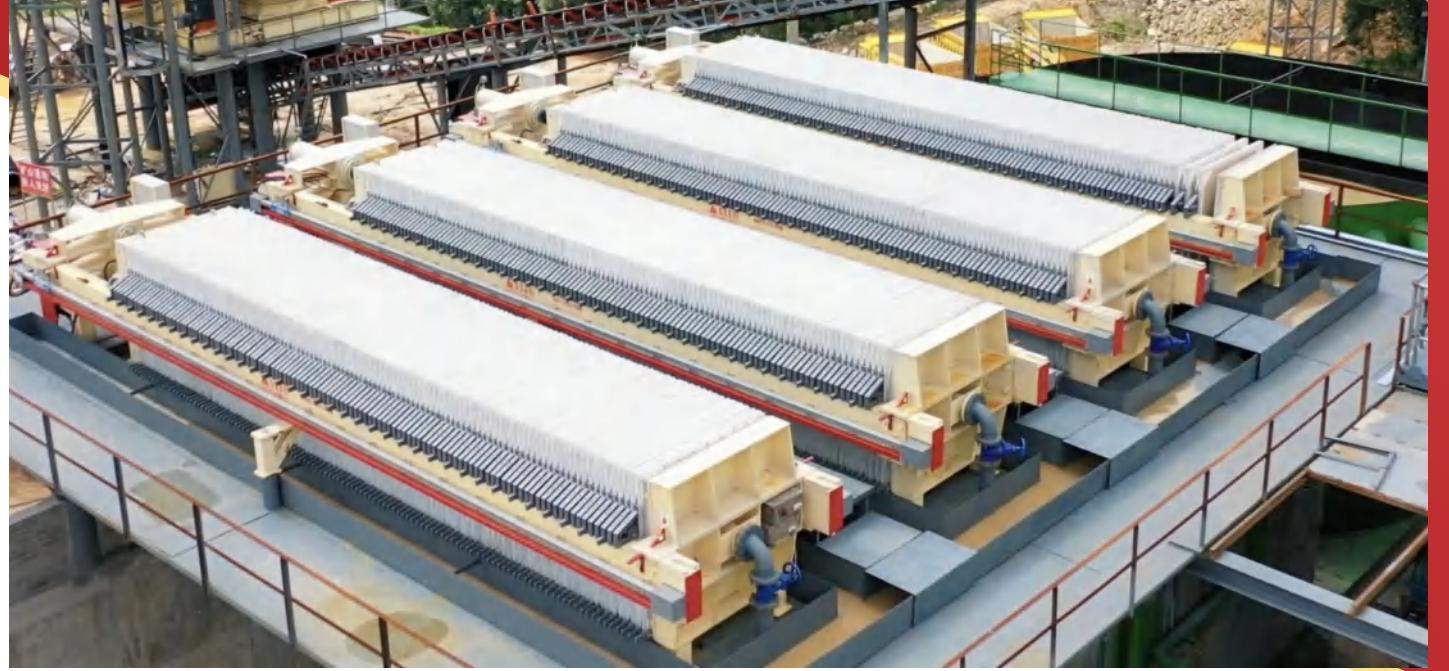
Hydraulic Plate and Frame Filter Press
Guangdong Leimeng Intelligent Equipment Group Co., Ltd.