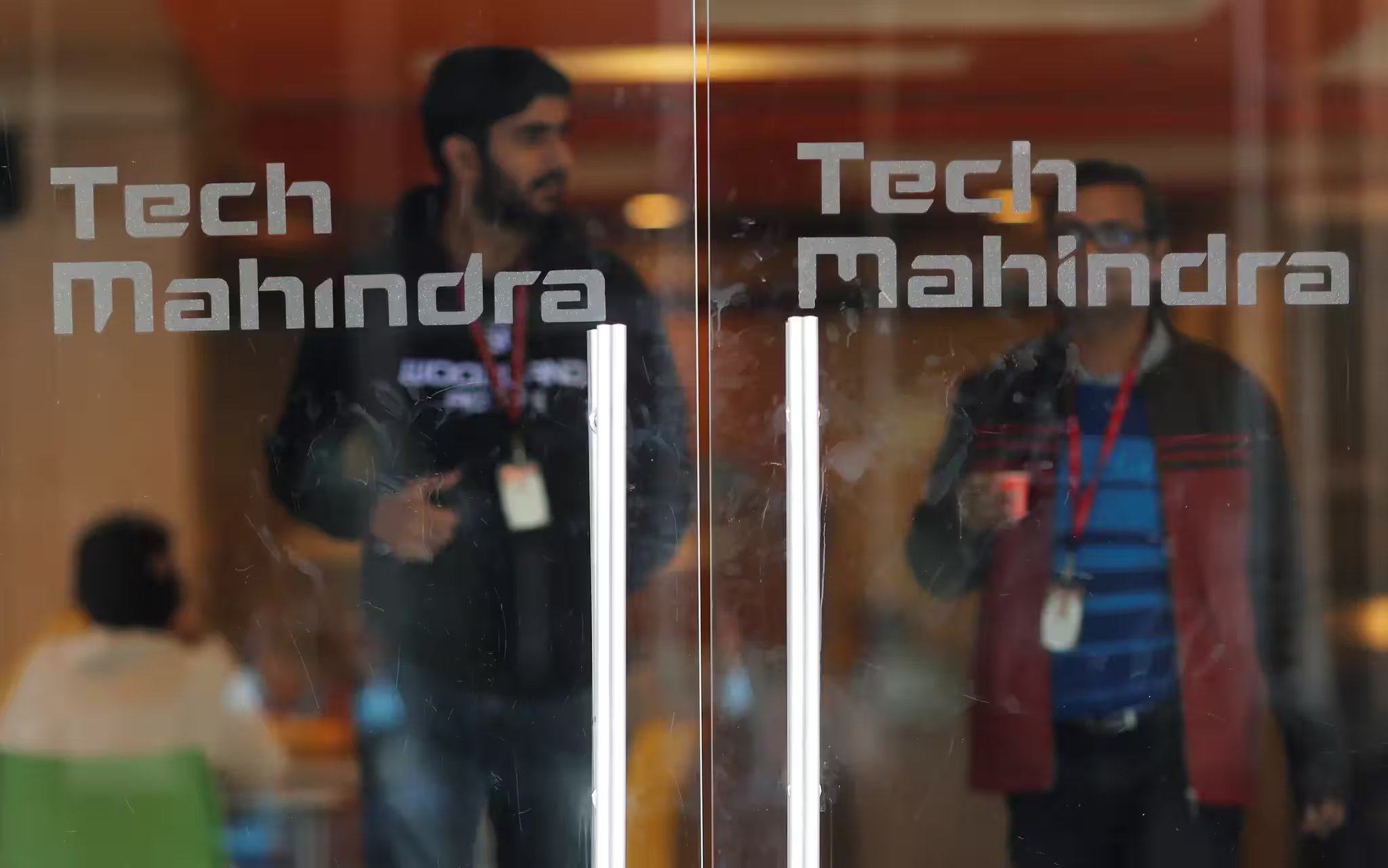
China's Three Major Telecom Operators Shift to Token-Based Business Model, with Daily Token Usage Reaching 140 Trillion
en.Wedoany.com Reported - At WAIC 2026, China's three major telecom operators collectively pivoted to a "Token-based business model," targeting the infrastructure market in the AI era. China Mobile, China Telecom, and China Unicom all unveiled their respective Token strategies at this global AI event, aiming to provide computing power services for the AI industry.
As of March 2026, China's daily Token usage has reached 140 trillion, an increase of over 1,000 times compared to early 2024. Tokens are replacing traditional data traffic as a new metric for measuring the AI industry. This market explosion is the direct driving force behind the operators' collective shift.
The strategic focus of the three operators varies. China Telecom was the first to propose the Token-based business model. Its Chairman, Ke Ruiwen, defined Token operations as "providing AI services to customers." On the supply side, the estimated scale of China Telecom Ningxia Branch's 2026 "Token Factory" generation capability centralized procurement project is 16.451 billion yuan. On the service side, China Telecom launched the Xingchen TokenHub operations platform, allowing enterprises to use a single Token account and API to call AI capabilities across different models. China Mobile, on the other hand, focuses on the Industrial Internet. During WAIC 2026, it launched a unified Industrial Internet brand, "Mobile Tiangong." Through its marketplace platform, it packages industrial AI models, industry-specific agents, and data tools into standardized services, metered by Tokens for on-demand usage and billing. China Unicom has adopted a "full-stack Token operations" approach, proposing an "Agent+Token+AI Cloud" model to build a comprehensive service system from creation to application. Additionally, China Unicom independently developed a four-in-one efficient Token inference framework, Uni-Infer, which reduces inference costs through technologies like computing-network-model collaboration and model-computing integration.
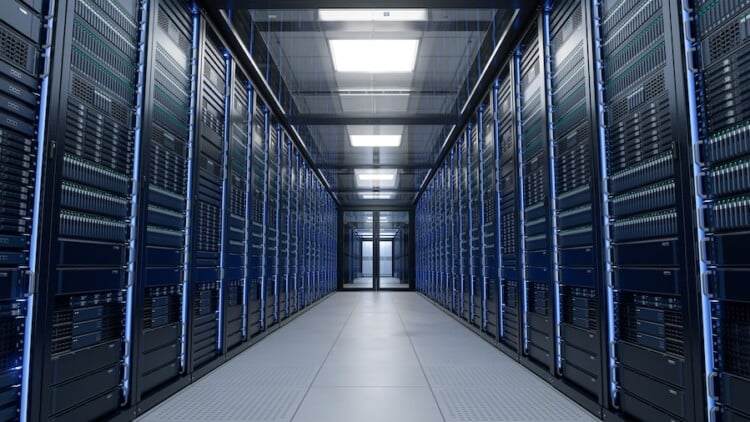
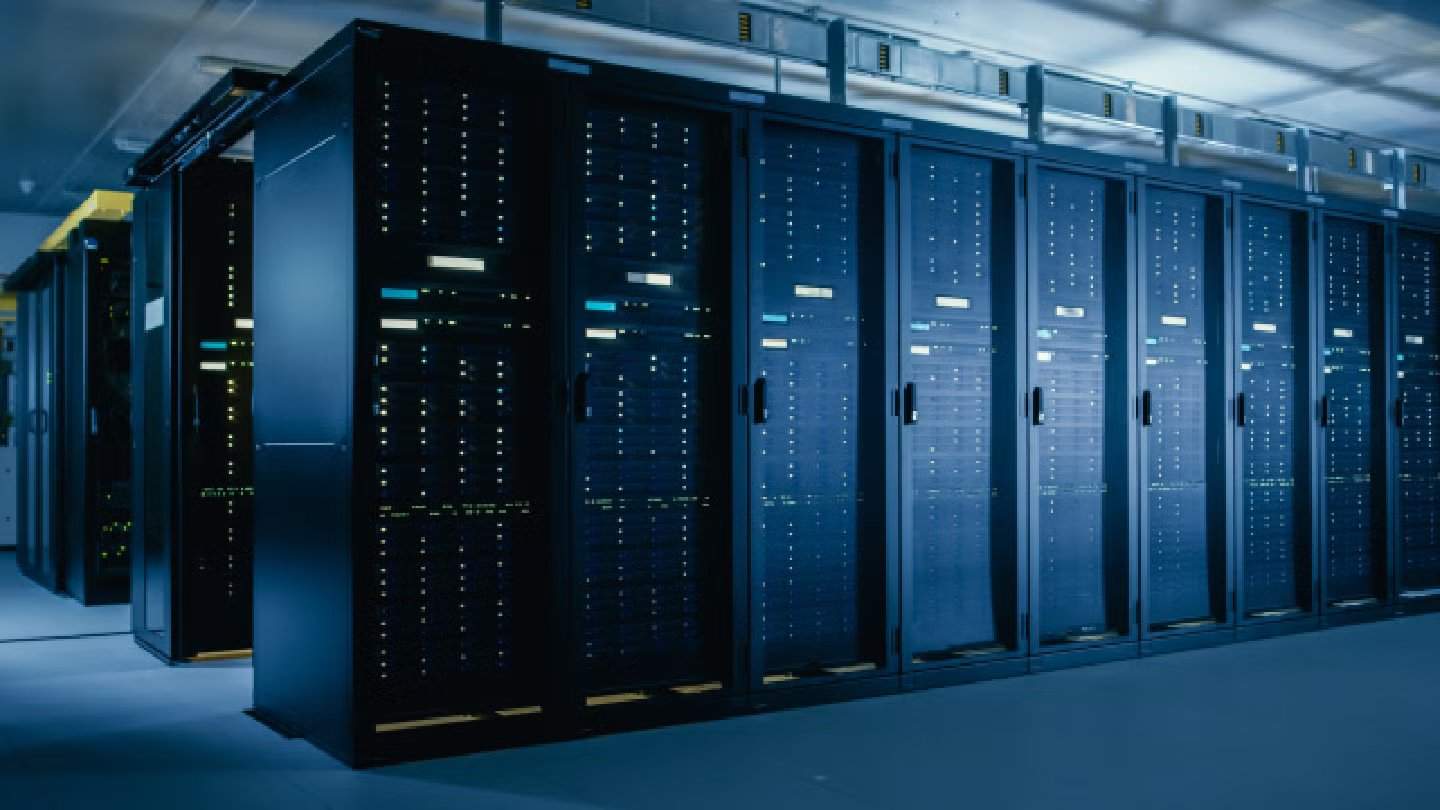
The concept of "Token factories" originated from NVIDIA CEO Jensen Huang, who described modern AI data centers as factories producing Tokens. This represents the third iteration of the computing power industry's business model: evolving from selling hardware, to selling computing power, and now to selling Tokens. Driving this transformation is the exponential growth in Token consumption. In January 2025, the daily Token consumption in China's enterprise-level MaaS market was approximately 1.6 trillion; by the end of December 2025, it reached 9.6 trillion; and the total for 2026 is projected to be 40,000 trillion, roughly 20 times that of 2025. The driving force behind this growth is shifting from conversational AI to intelligent agents, with Token consumption per single task leaping from tens of thousands to millions.
Beyond the three major operators, companies like SenseTime, Dawning Information, and Huawei have also entered the "Token factory" track. A number of independent Token factories are emerging with capital support. On June 30, 2026, SiliconFlow submitted a prospectus to the Hong Kong Stock Exchange, planning to list as a Specialized Technology Company under Chapter 18C, aiming to become the first Token factory concept stock in Hong Kong. Prior to the filing, the company had completed seven rounds of financing, with a post-investment valuation of 7.74 billion yuan. Tsinghua-affiliated Token production service provider Qujing Technology announced the completion of its Series A financing in July, with cumulative fundraising exceeding 1 billion yuan within six months. Infinigence announced in May that it had secured over 700 million yuan in additional financing, bringing its total cumulative fundraising to over 2.2 billion yuan.
The rise of "Token factories" is structurally impacting the industry chain. Upstream, the Token model lowers hardware brand barriers, allowing domestic chips like Cambricon, Hygon, Biren Technology, and Enflame Technology to enter core markets with cost and system advantages. The role of system integrators like Inspur Information and Dawning Information also becomes more prominent. Downstream, Tokens transform AI from a luxury into a commodity, enabling small and medium-sized AI enterprises to convert significant hardware procurement risks into a flexible Token-based payment model.
The essence of operating a Token factory is to exchange the responsibility of handling underlying technical work for pricing power and the qualification to access customer cash flow. Stable technical delivery and cost control are two key issues. Optimizing scheduling algorithms and sales forecasting capabilities can yield higher returns, while inaccurate predictions or customer churn may lead to losses.
Related Products
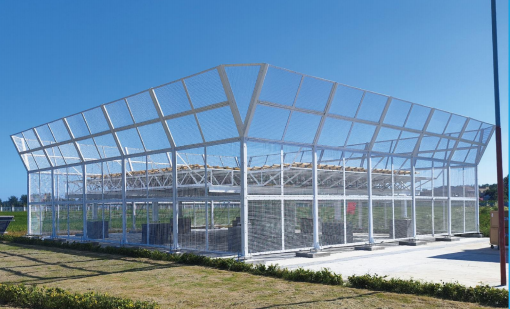

TWP16 P-Band Tropospheric Wind Profile Radar
China Huayun Meteorological Technology Group Co., Ltd.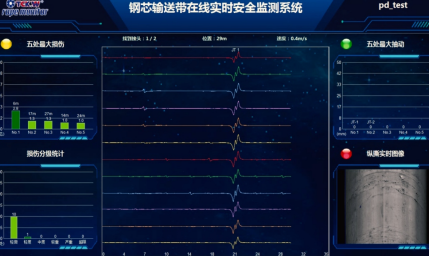
Conveyor Belt Intelligent Monitoring System
LUO YANG WIRE ROPE INSPECTION TECHNOLOGY CO., LTD.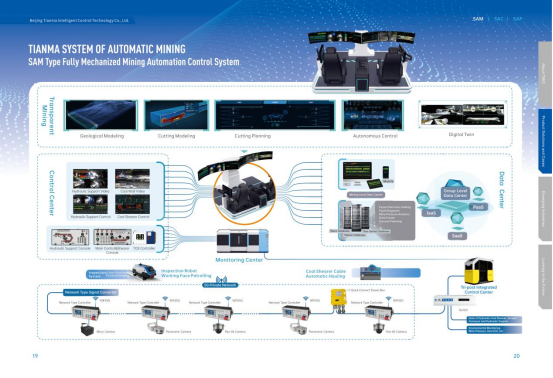
Comprehensive Mining Automation Control System
Beijing Tianma Intelligent Control Technology Co., Ltd.
One-Stop Steward Service for the Entire Logistics System Integration Chain
Zhongding Intelligent (Wuxi) Technology Co., Ltd.


Automatic Aiming Laser Remote Obstacle Removal Robot
Pinggao Group Weihai High-Voltage Apparatus Co., Ltd.

Multi-function Marine Monitoring Low-altitude Detection Radar Sea-air Boundary Ocean Dynamic Environment Measurement
Chengdu Dixin Technology Co., Ltd.
G.652.D Wavelength-extended Non-dispersion Shifted Single-mode Optical Fiber
HONGAN GROUP CO., LTD.