Two Argentine provinces sign logistics agreement to boost exports from $7.1 billion copper project
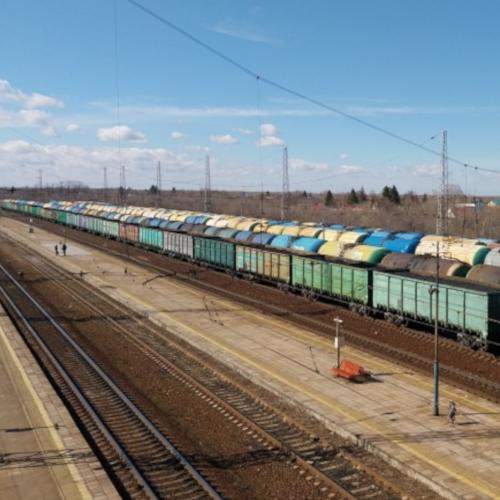
en.Wedoany.com Reported - The governments of Argentina's Santa Fe and San Juan provinces have signed an agreement allowing minerals from San Juan to be exported through Santa Fe's port system. This initiative aims to diversify international export channels and promote local suppliers and industrial development, marking a new step for Argentina's mining sector in strengthening logistics infrastructure.
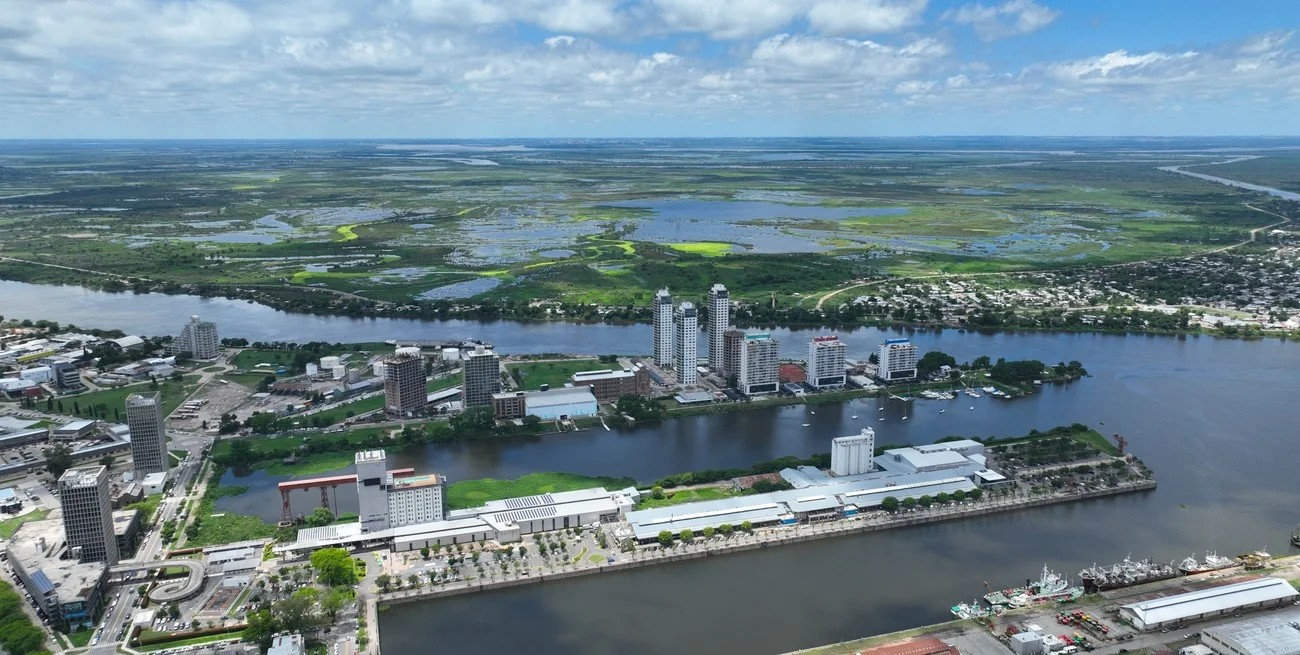
The plan is part of the Santa Fe provincial government's efforts to expand its participation in strategic production areas. The provincial government stated that it possesses the necessary infrastructure, industrial capacity, and experience to support Argentina's mining growth and consolidate its position as a key partner in the industry's development.
Gustavo Fernández, Minister of Production, Labor, and Innovation of San Juan Province, emphasized the strategic importance of coastal provinces in the national logistics framework, noting that Santa Fe is the only administrative region in Argentina with ports capable of exporting copper.
One of the first concrete results of this collaboration is the involvement of Santa Fe-based company RAFA S.A. in the Vicuña Project (Proyecto Vicuña), one of the world's most significant copper mine development projects. With over 30 years of experience in engineering, manufacturing, and industrial installation, RAFA S.A. has won a bid within an international consortium to execute part of the mining camp works, including earthworks, foundations, assembly, and operational facility installation.
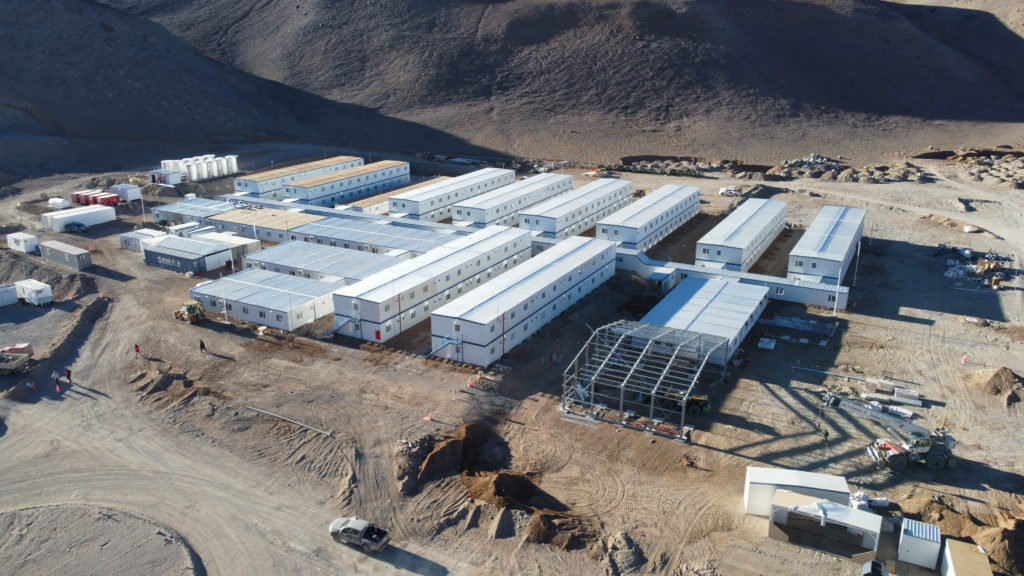
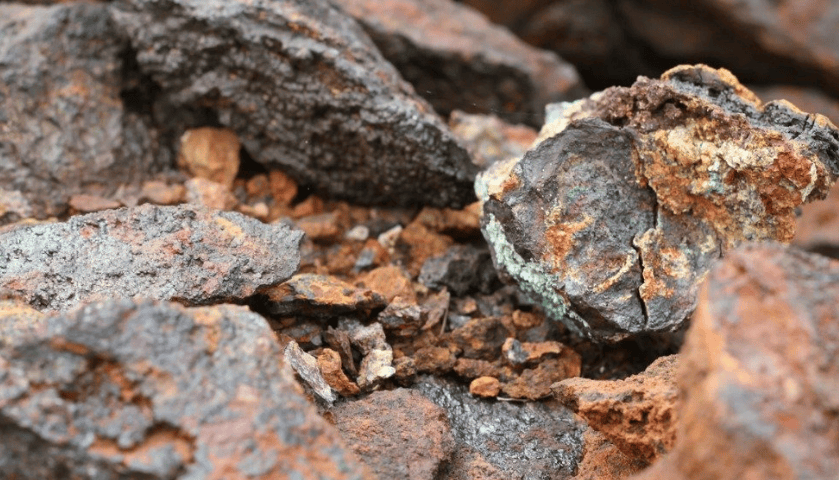
The Vicuña Project, developed in San Juan by Lundin Mining and BHP, plans an initial investment of $7.1 billion, with a mine life exceeding 25 years. It is expected to produce 395,000 tons of copper annually, along with significant amounts of gold and silver. Currently, over 95% of the project's employees are Argentine workers.
The agreement also aims to strengthen the national industrial network by integrating Santa Fe's suppliers and companies into the mining value chain. Santa Fe, home to more than 6,400 industrial enterprises, has capabilities in engineering, equipment manufacturing, and professional services that have previously served sectors such as energy, oil, and gas, and now find new opportunities in mining.
Collaboration between the two provinces also offers an alternative to reduce Argentina's future copper export dependence on Chilean ports. By establishing its own logistics corridor, the agreement enhances the competitiveness of the national mining industry, promotes federal development, and creates new opportunities for employment, investment, and value addition within the country.
Related Products

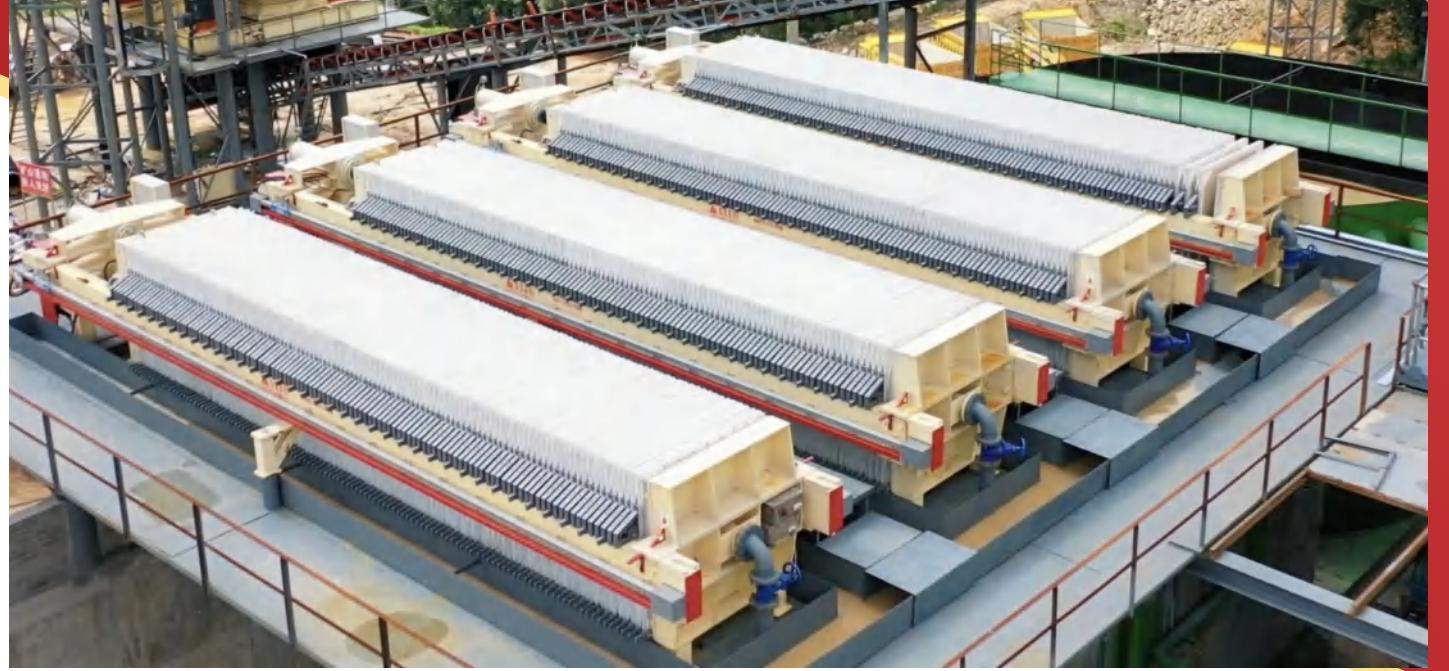
Hydraulic Plate and Frame Filter Press
Guangdong Leimeng Intelligent Equipment Group Co., Ltd.
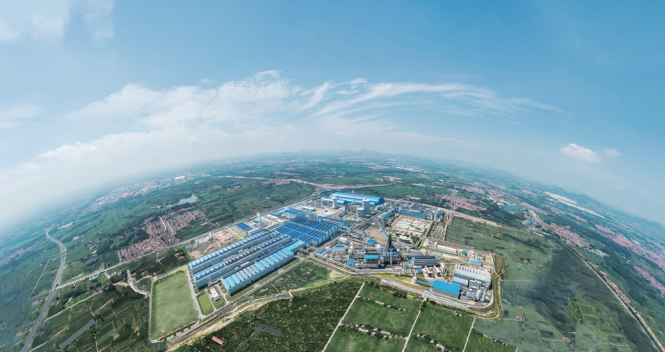
Linyi Steel Investment Special Steel 2.7 Million Tons per Year High-quality Special Steel Project
Capital Engineering & Research Incorporation Limited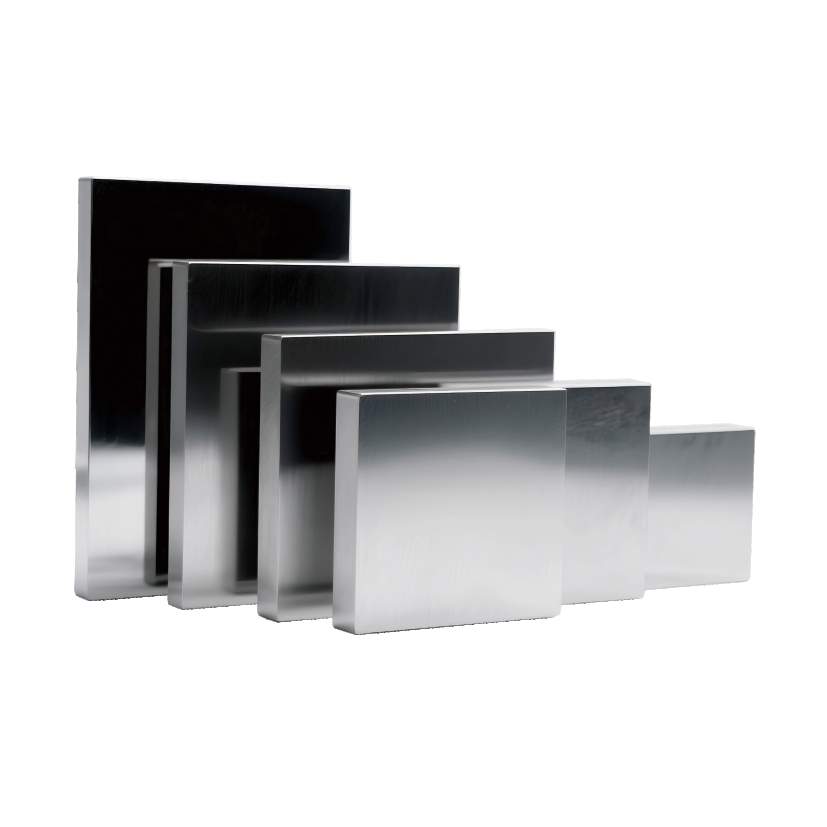
Integrated Excavation and Anchoring Machine (EJM Series)
China Railway Construction Heavy Industry Corporation Limited
Yunnan Phosphorus Chemical Group Co., Ltd. 2 Million t/a Phosphorus Ore Mining and Beneficiation Project
China Bluestar Lehigh Engineering Corporation
High-temperature Equal Wall Thickness High-power Screw Drilling Tool
Orient Energy & Technologies Co., Ltd.