Tashizhihang Showcases Embodied Native Model AWE 3.5 Automotive Precision Wire Harness Assembly Automated Production Line at 2026 WAIC
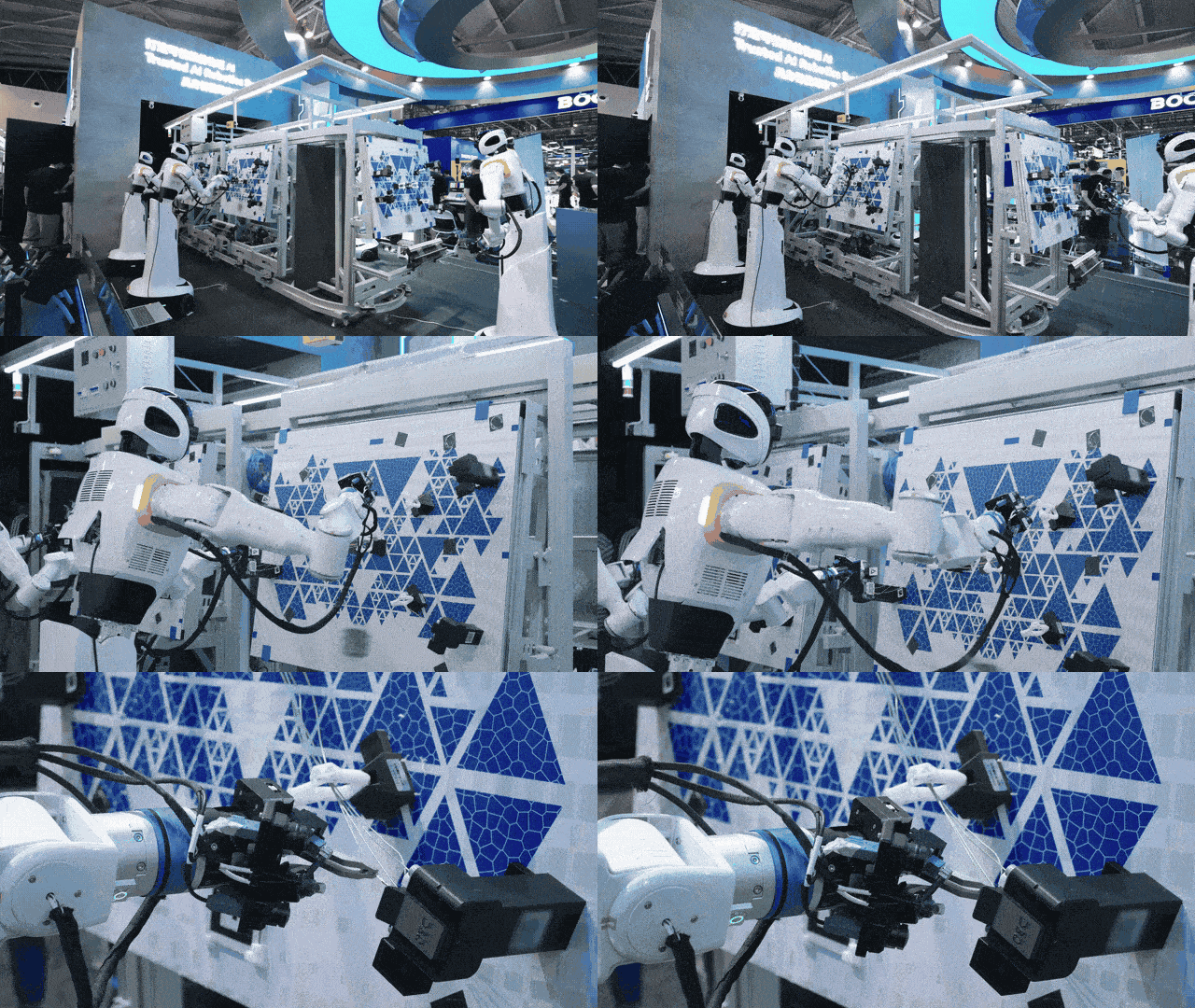
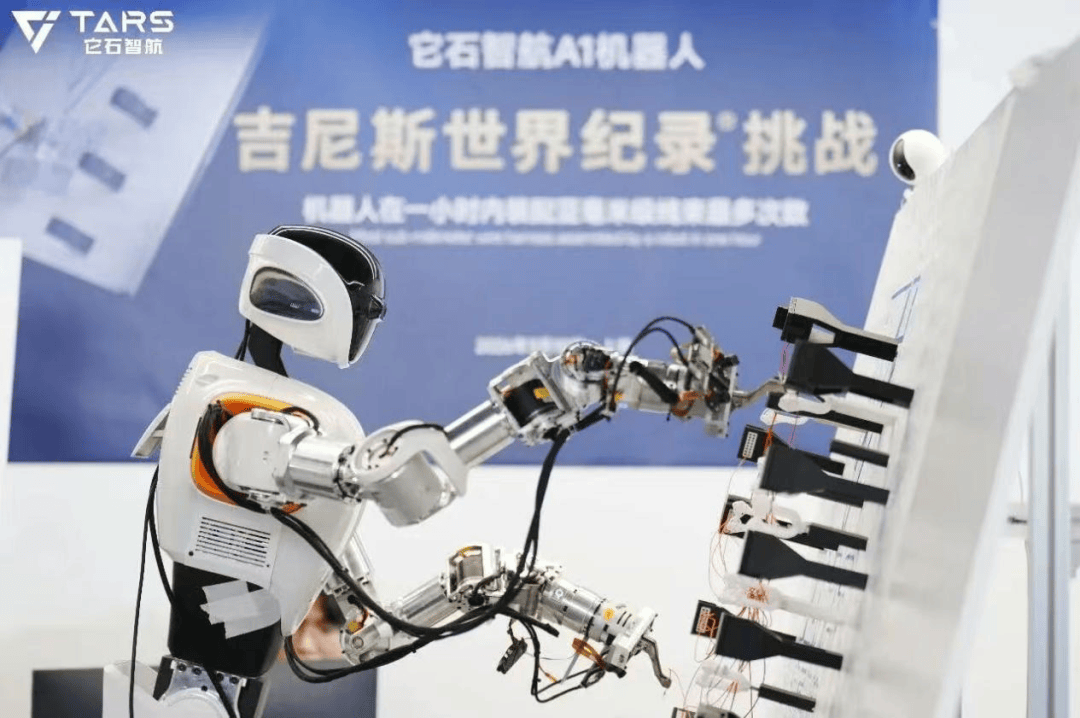
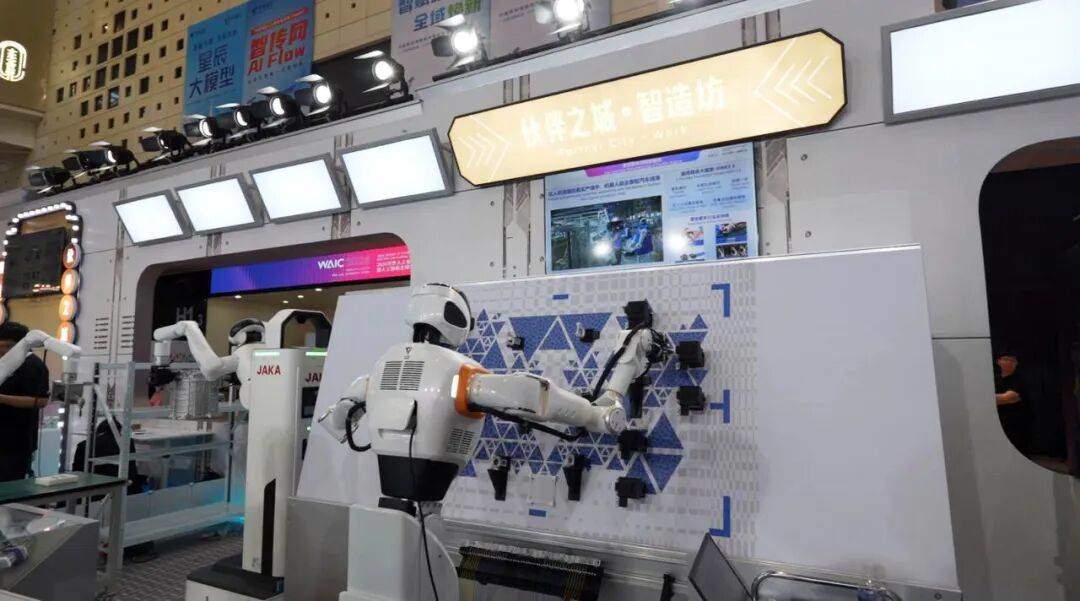
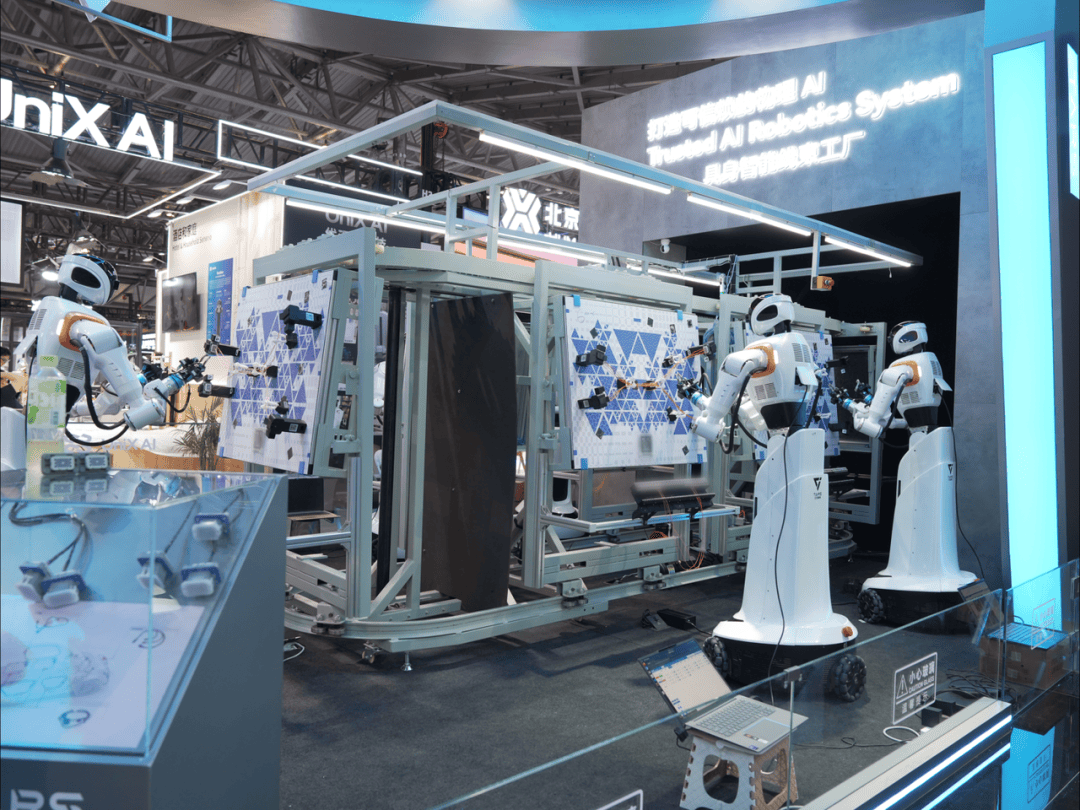
en.Wedoany.com Reported - At the 2026 World Artificial Intelligence Conference (WAIC), China's Tashizhihang demonstrated an automated production line for automotive precision wire harness assembly, driven by its newly released embodied native foundation model, AWE 3.5. The demonstration brought a 1:1 scale circular wire harness assembly line into the exhibition hall, where multiple robots collaborated in a cluster, each executing different wire-type assembly tasks simultaneously.
The automotive wire harness workshop, characterized by flexible wires, extremely high insertion precision requirements, and complex processes, has long been considered a "deep-water zone" for industrial automation. Ding Wenchao, Chief Scientist of Tashizhihang, stated that the introduction of AWE 3.5 has significantly improved production line efficiency, even necessitating control over robot speed to prevent material depletion.
AWE 3.5 is the first native model in the embodied intelligence field to establish a complete paradigm from pre-training to post-training. From the pre-training stage, the model simultaneously inputs multimodal data such as vision, language, and action, employing a single architecture called "One Model." It can output action commands and predict future visual states. By altering the combination of inputs and outputs, the model can switch between a "foundation policy" and an "action-conditioned world model," forming a complete reinforcement learning loop.
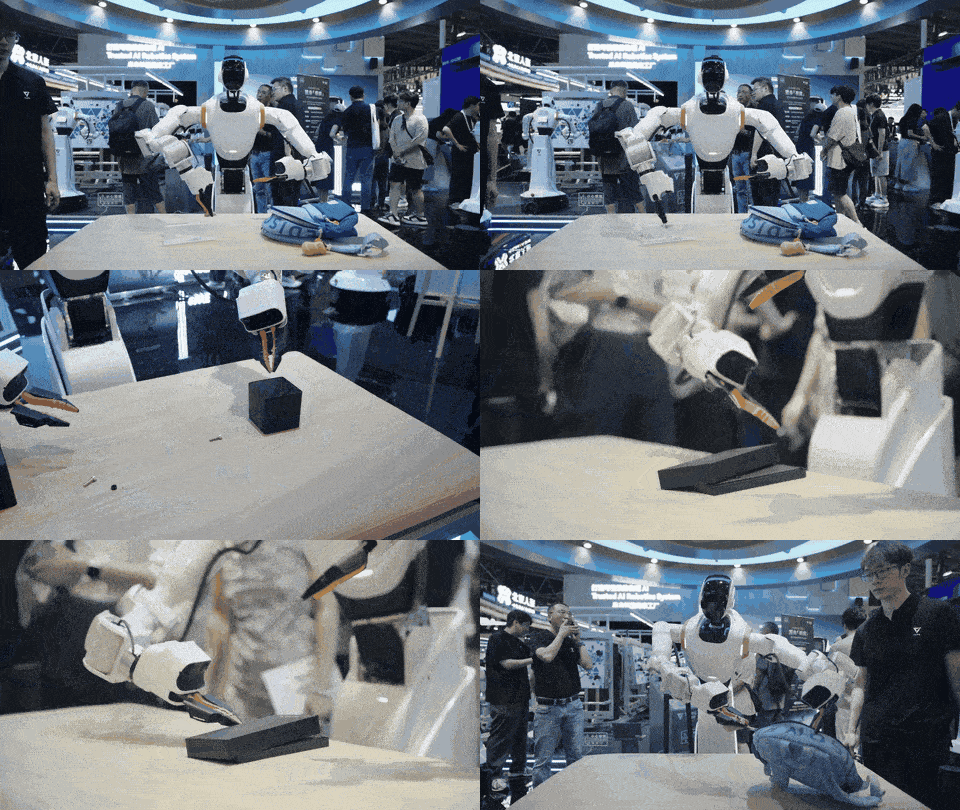
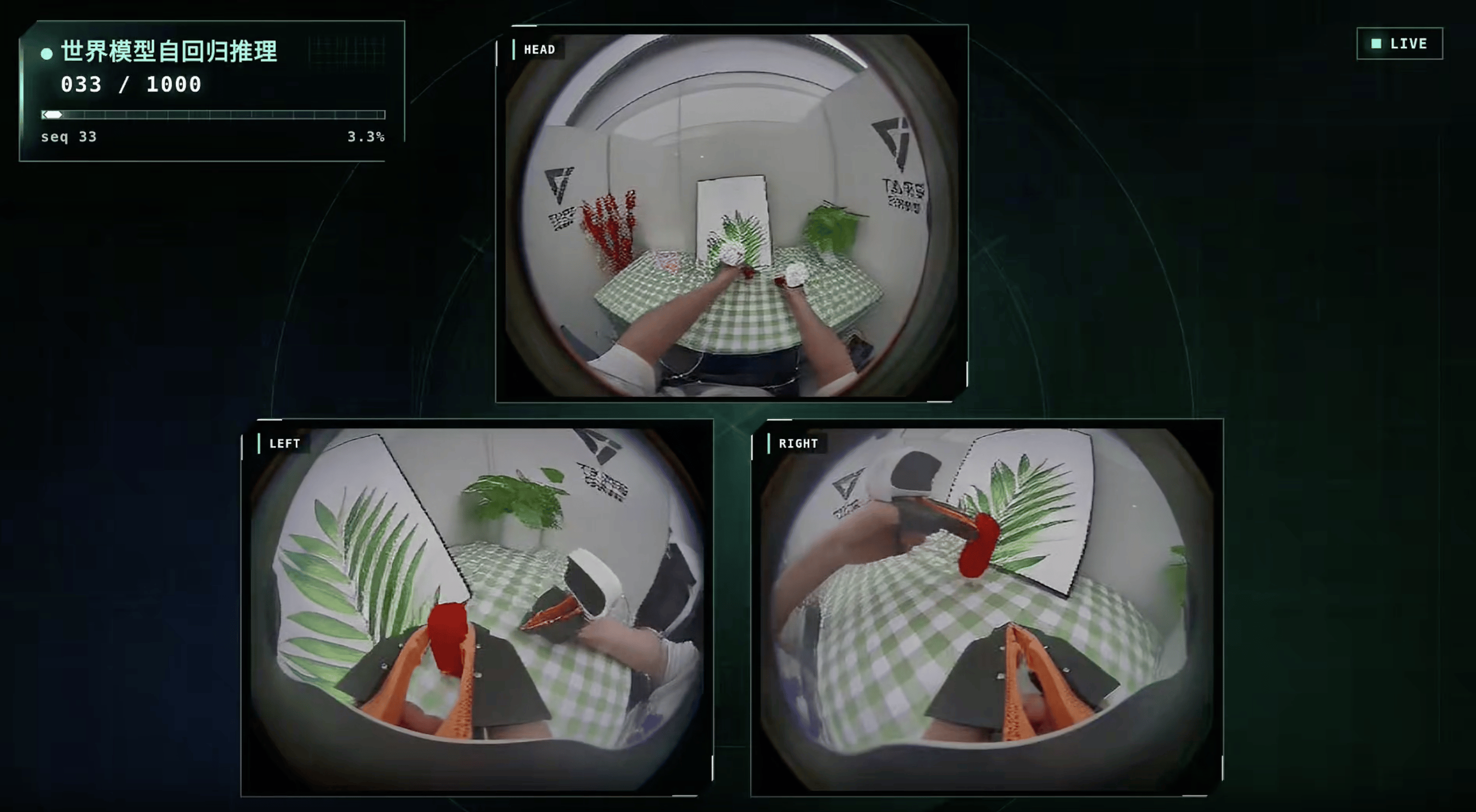
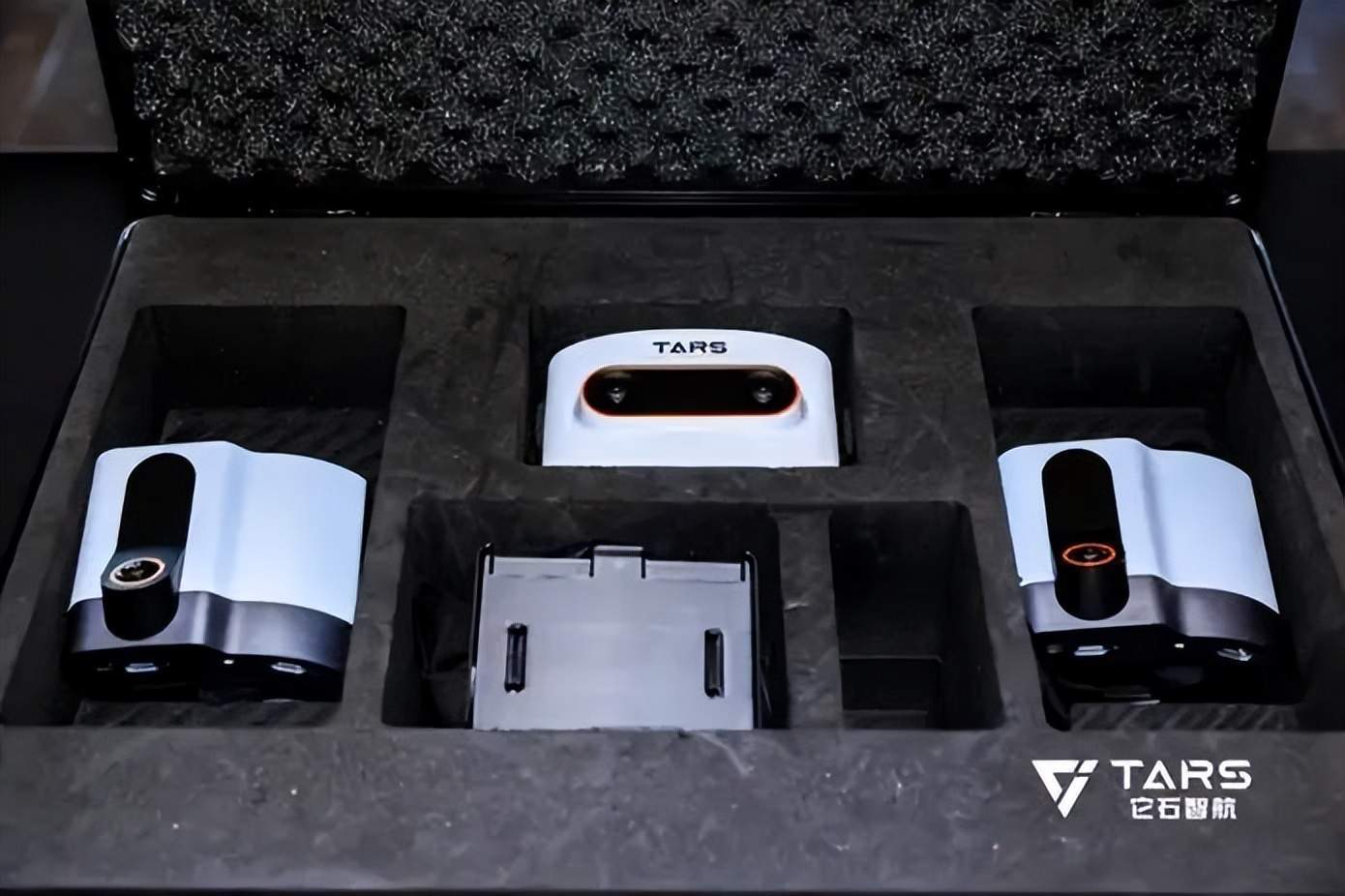
At the WAIC venue, AWE 3.5 also demonstrated multi-task generalization capabilities based on the same model, including desktop organization, phone packaging, network cable insertion, and parts sorting. The model requires no reloading or parameter switching between different tasks. Additionally, Tashizhihang set up an interactive world model demonstration, where visitors could wear data-collection grippers to interact with a parallel world generated by AWE 3.5, experiencing physical feedback such as gravity, collision, and friction, all without relying on any traditional physics engine or Newtonian law code.
The model possesses long-term memory and long-sequence spatial understanding capabilities, maintaining environmental stability during continuous, interactive closed-loop reasoning over several minutes, thereby supporting action segment segmentation during post-training. Tashizhihang emphasized that AWE 3.5 is trained on over one million hours of human-centric data, and the focus of its data system is shifting from "more" to "smarter, higher quality," with Data Efficiency becoming a new evaluation dimension.
In an interview, Ding Wenchao stated that thanks to sufficient pre-training data scale and an infrastructure capable of processing large volumes of data, AWE 3.5 can now achieve a new task with just hours of data collection. He pointed out that the scaling of embodied intelligence has been fully unleashed, and an industry watershed may appear between the first half and mid-2027. Beyond wire harness assembly, the model has been validated in multiple industrial scenarios, including flexible manipulation, sorting, and inspection collaboration.
Addressing the industry debate between VLA (Vision-Language-Action) and the "world model" approach, Ding Wenchao believes the ultimate evaluation criterion remains "whether it can optimize actions." He explained that AWE 3.5's One Model architecture couples vision, language, and action from the pre-training stage, avoiding issues like video model hallucinations or desynchronization between spatial understanding and action, making the model its own simulator without the need for manually constructed simulation environments.
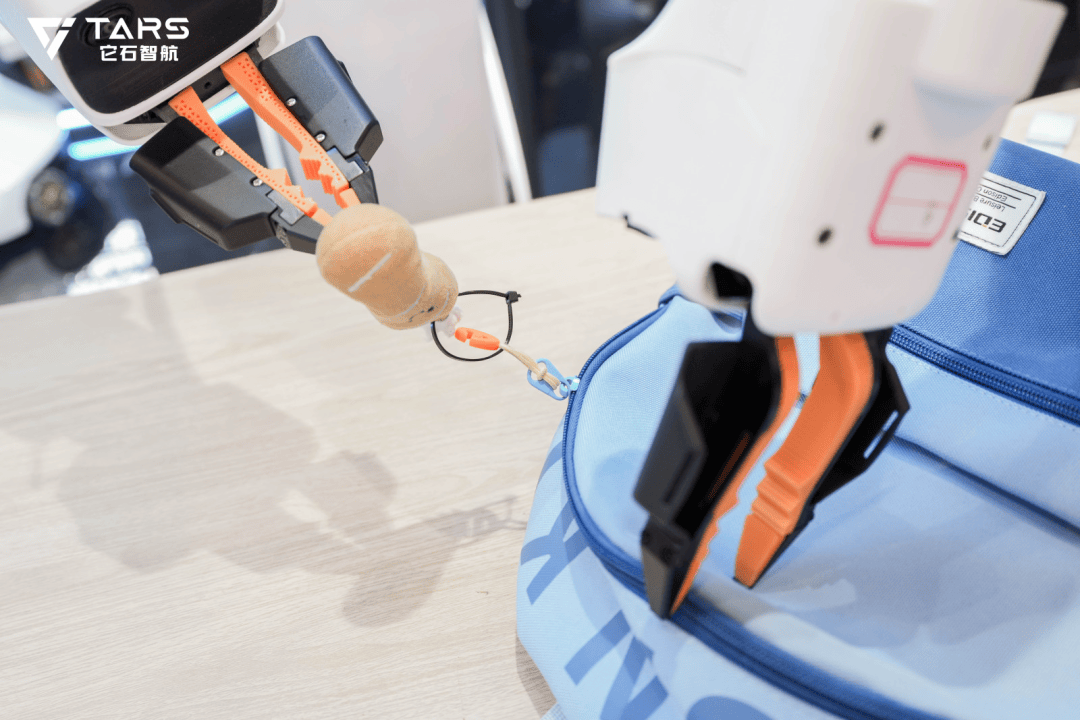
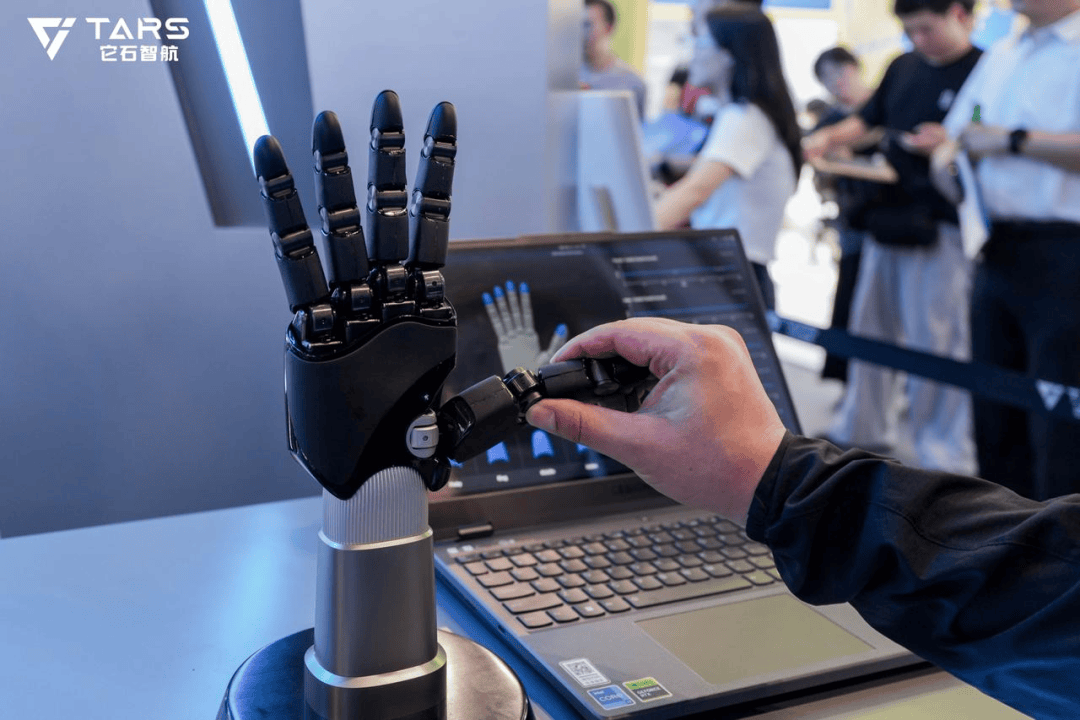
Regarding dexterous hands, Ding Wenchao described this as his current biggest "unsolved mystery." Tashizhihang began developing its own dexterous hands before AWE 3.0, adopting a top-down approach by first analyzing the capabilities required for humans to complete actions and then inversely defining the hardware design. He optimistically estimates that it is possible for dexterous hands to enter real-world scenarios and show clear industry trends within 12 to 18 months, and whether they can achieve a commercial closed loop could become a significant milestone in the embodied intelligence field.
Ding Wenchao believes the embodied intelligence industry has moved from focusing on robots being able to "move" and "grasp" to a stage more concerned with their sustained, stable operation in real-world scenarios. The ability for large-scale deployment across multiple scenarios will be a key criterion for evaluating companies in 2027. He also noted that cutting-edge research in the embodied field is accelerating its transfer to the industrial side, and new entrants relying solely on paper-based technical routes will face significantly higher difficulty, requiring them to find new ecological niches.
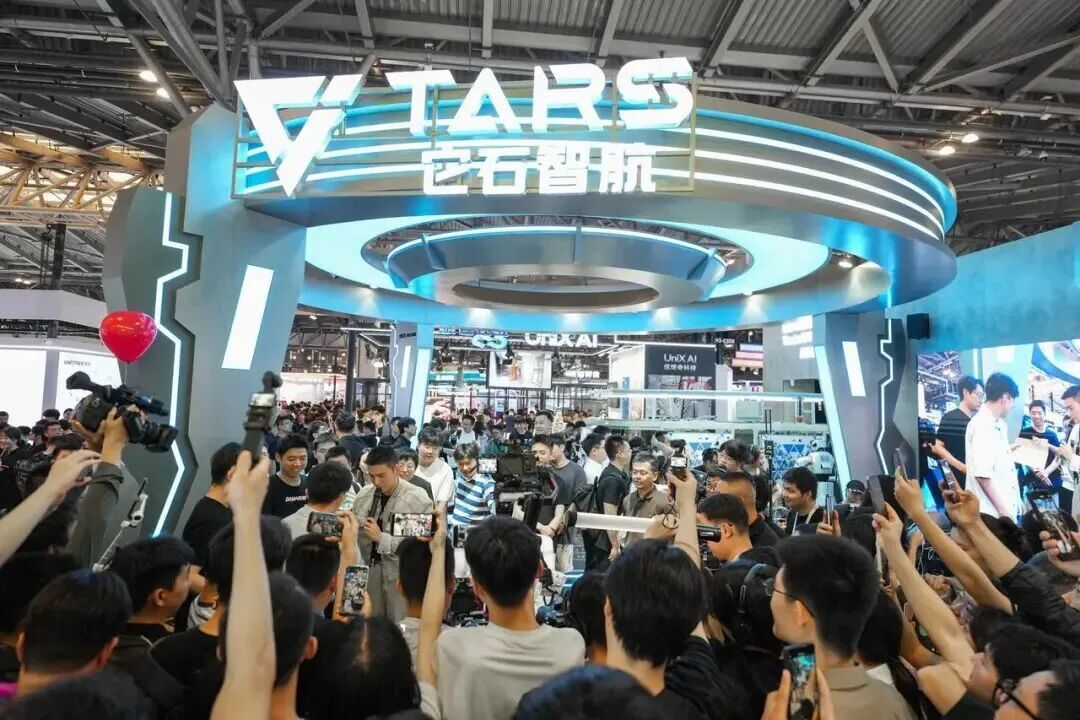
At this WAIC exhibition, Tashizhihang's booth was located in the "Modern Era · Partner City" exhibition area on the first floor of the Shanghai World Expo Exhibition Hall, being the first booth on the right side of the entrance. The display also included a precision wire harness insertion segment, where visitors had to squint to align with tiny insertion holes, experiencing the operational difficulty. During the exhibition, Tashizhihang's area also attracted a large number of visitors.
The precision wire harness assembly demonstration required extremely high precision, with very small insertion holes that demanded squinting to align and ensure correct insertion points, posing a challenge for both robots and humans.
Ding Wenchao emphasized that the next step for embodied intelligence is to provide the system with a gradient, meaning a clear direction for iteration, which must come from positive feedback in real-world scenarios. Tashizhihang is driving this process by forming Killer App closed loops across multiple scenarios.
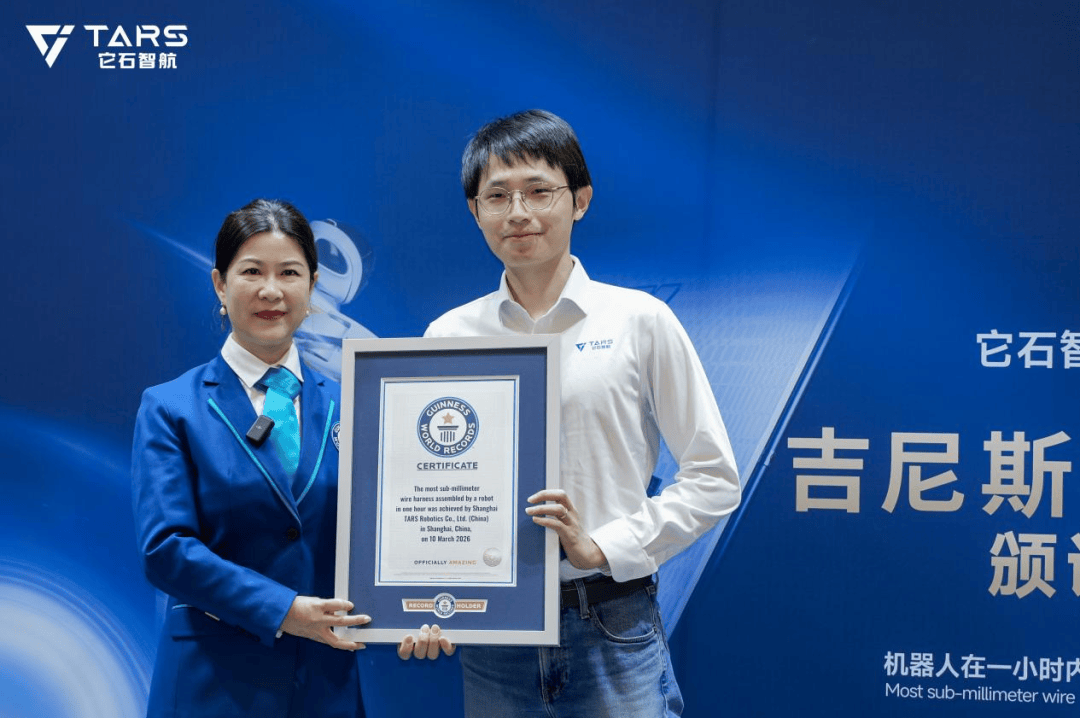
Regarding the importance of hardware-software co-design, Ding Wenchao believes it far exceeds expectations. Grippers can solve about 80% of problems, but the remaining 20% relies on dexterous hands. Whether they can handle practical tasks and achieve a commercial closed loop could become a significant milestone in the embodied intelligence field.
Ding Wenchao concluded that the industry has moved from localized technical highlights to systematic, coordinated operations, and the ultimate evaluation criterion will be very intuitive: what tasks the robots have accomplished, and the speed and cost of expanding to new tasks. Sustained, stable operation in real-world scenarios has become the core focus of the industry.
Related Products
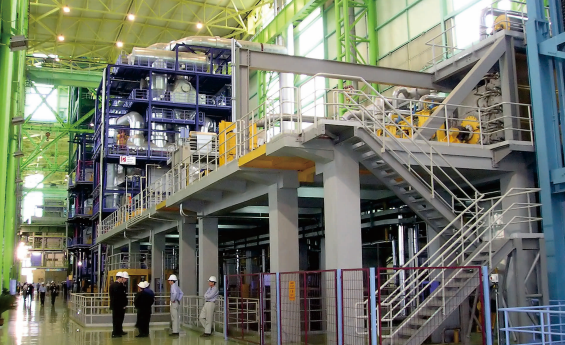

Strip Coating and Plating Production Line Equipment
MCC-SFRE HEAVY INDUSTRY EQUIPMENT CO., LTD.
Standard Nozzle Flowmeter
Jinggong Automatic Control Instrument Complete Technology Development Company
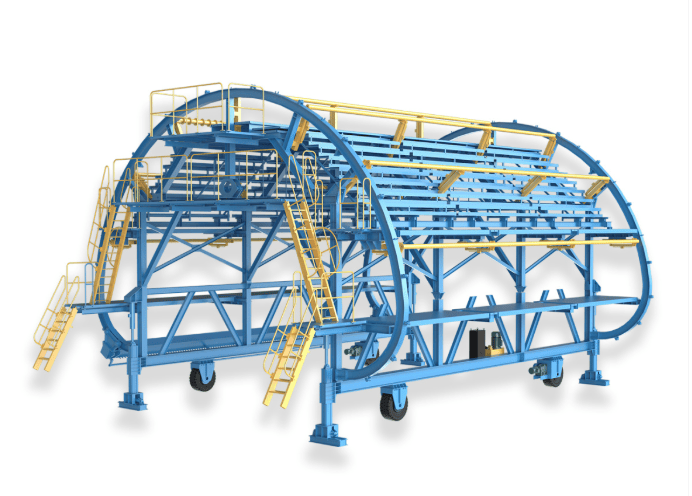
QLZNGJ Intelligent Steel Reinforcement Trolley
Luoyang China Railway Qiangli Machinery Co., Ltd.

Pneumatic high-pressure wear-resistant ball valve
Zhejiang Deca Control Valve Meter Co., Ltd.
Industrial and Commercial Point-Type Gas Detector
Jinan Benan Technology Development Co., Ltd.
High-Speed Flexible Fully Automatic Stamping Production Line
JIER Machine-Tool Group Co., Ltd.