BHP Launches Pilot Project to Track Low-Carbon Copper Emissions
en.Wedoany.com Reported - BHP has partnered with seven companies to launch a demonstration project aimed at tracking greenhouse gas emissions of copper from mine to finished cable, enhancing transparency in the copper value chain.
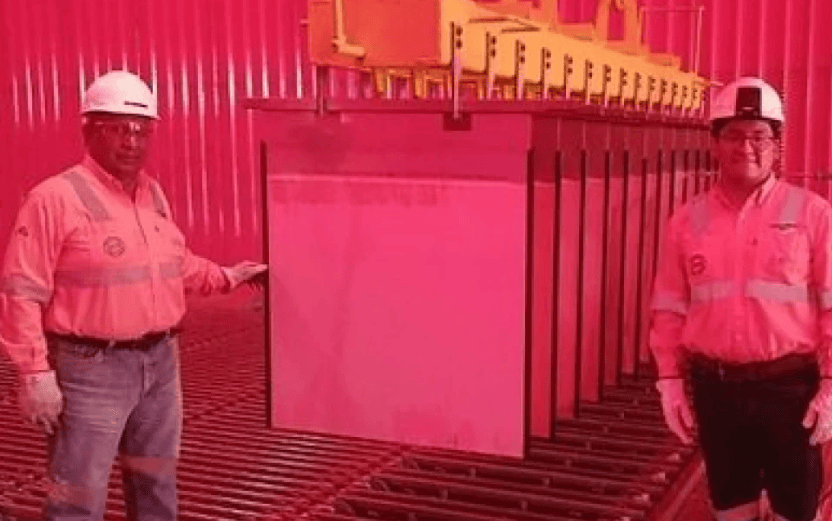
The pilot project will test the use of a mass balance credit model to transfer and verify the environmental attributes of low-carbon copper across multiple production stages, including mining, smelting, cable manufacturing, and end use. The trial feedstock comes from copper concentrate produced at BHP's Escondida copper mine in Chile. Since 2022, the mine has used 100% renewable energy to purchase electricity, reducing operational greenhouse gas emissions associated with copper production.
Under the project plan, Mitsubishi Materials Corporation (MMC) will smelt the copper concentrate and produce copper wire rod, which will then be processed into copper cables by FCM Corporation and Yasaka Electric Wire using materials supplied by Sambo Metals. The finished cables will be installed by Senshu Electric at an Amazon Japan logistics facility. NTT Circurust and NTT DATA Japan will verify the information transmission process to assess whether the mass balance credit model can reliably track the environmental attributes of copper in the supply chain.
The participants stated that the project aims to identify challenges and opportunities related to establishing a reliable value chain for copper products made from low-carbon ore. BHP noted that the mining industry has made progress in reducing emissions during ore production, but communicating these low-carbon credentials through complex global supply chains remains a challenge. As of June 2025, BHP has reduced greenhouse gas emissions from its operational assets by 36% compared to the adjusted fiscal year 2020 baseline, and is progressing toward its target of achieving net-zero operational emissions by 2050. Since 2022, the company's Escondida and Spence copper mines in Chile have used 100% renewable electricity.
BHP stated that through this initiative, it aims to explore practical methods to support the identification and transfer of environmental attributes related to greenhouse gas emissions from mine to end application, and to enhance transparency in complex value chains. BHP values collaboration among industry participants to advance scalable mechanisms that support broader adoption of low-emission materials, and considers this demonstration an important step in identifying key considerations for future implementation. The demonstration will also evaluate the effectiveness of Mitsubishi Materials Corporation's guidelines for applying the mass balance credit model to copper products, which have been independently confirmed to comply with the ISO 22095 standard for chain of custody systems.
Related Products
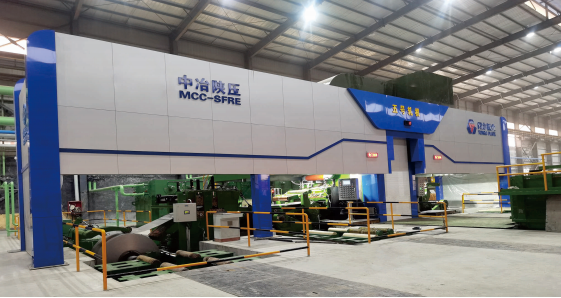

1050-1750mm Steel Strip Single-stand Reversible Cold Rolling Production Line
MCC-SFRE HEAVY INDUSTRY EQUIPMENT CO., LTD.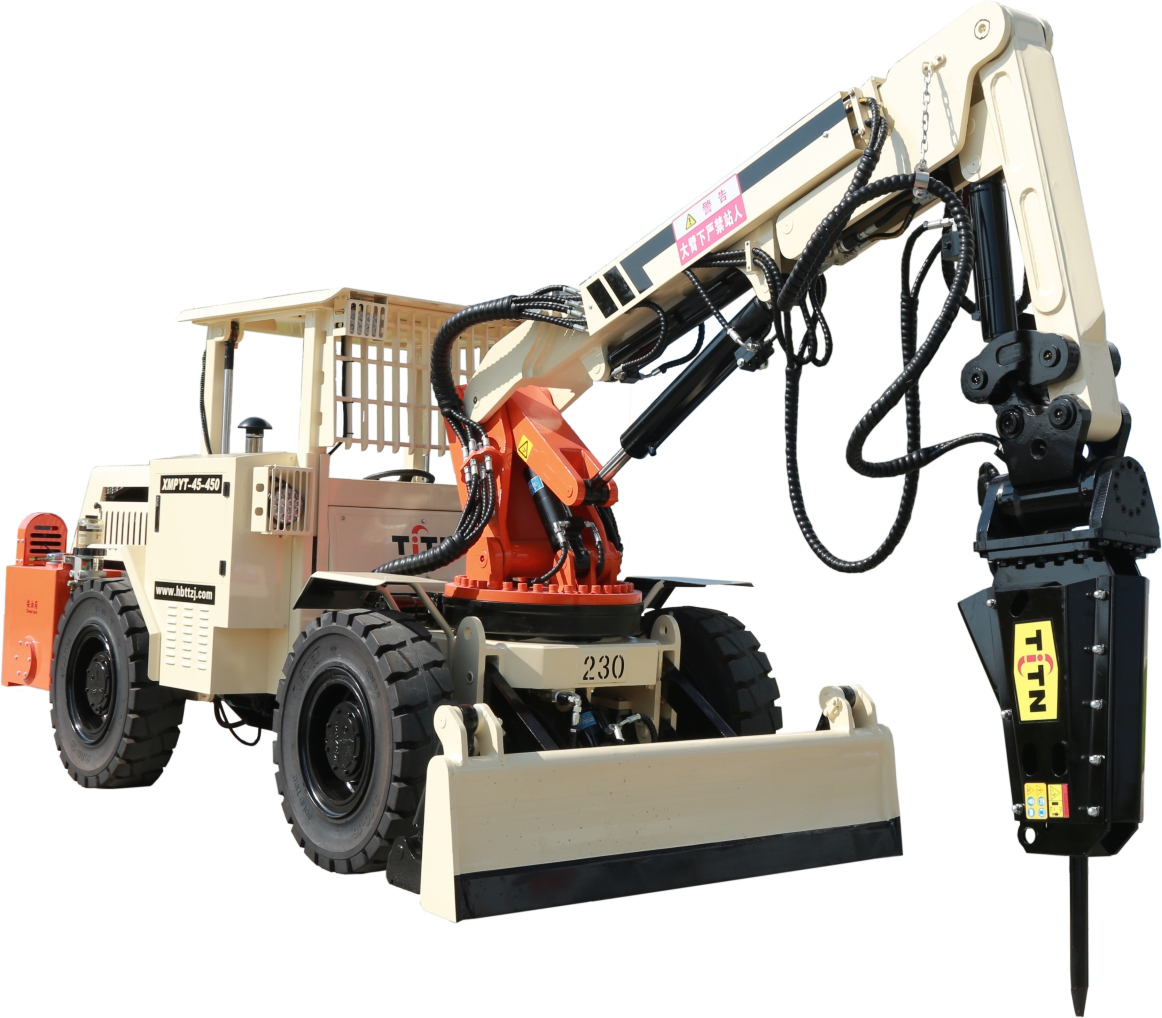

Industrial and Commercial Point-Type Gas Detector
Jinan Benan Technology Development Co., Ltd.
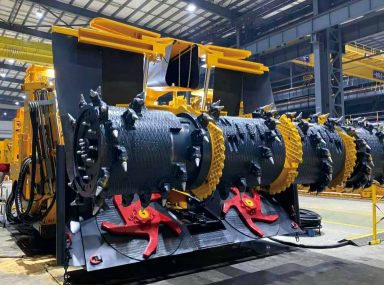
Integrated Excavation and Anchoring Machine (EJM Series)
China Railway Construction Heavy Industry Corporation Limited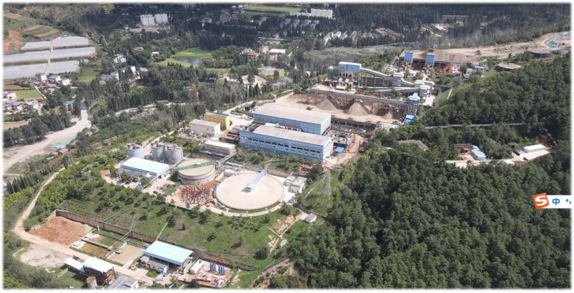
Yunnan Phosphorus Chemical Group Co., Ltd. 2 Million t/a Phosphorus Ore Mining and Beneficiation Project
China Bluestar Lehigh Engineering Corporation
Mine Explosion-proof and Intrinsically Safe Industrial Ethernet Ring Network (10 Gigabit/Gigabit)
Chongqing Mas Sci&Tech Co., Ltd.