US PanX Additive Manufacturing Simulation Validated with 2-14% Error Margin
en.Wedoany.com Reported - The paper, titled "Part-Scale Residual Stress Prediction via Thermomechanical Modeling of Additively Manufactured Ti-6Al-4V," published in the *International Journal of Advanced Manufacturing Technology*, examines PanX's ability to predict the thermal and mechanical behavior of laser powder bed fusion Ti-6Al-4V components.
For PanOptimization, this study demonstrates PanX's role in advancing industrial additive manufacturing from trial-and-error fabrication to physics-based qualification, certification, and production reliability.
Erik Denlinger, co-founder and chief engineer of PanOptimization, stated that industry, government, and regulatory bodies increasingly recognize that additive manufacturing cannot achieve full industrial maturity without credible physics-based models. If simulation can quickly and accurately predict manufacturing outcomes, it can identify and mitigate risks before materials, machine time, and production schedules are at stake—this is PanX's focus.
The AFRL-supported study validated PanX's thermal and mechanical simulations against experimental results for an entire build volume containing multiple parts. The study found that PanX calculates interlayer temperature errors during the printing process within a range of 2-14% and can identify crack risk locations using the P-integral method. Additionally, PanX accounts for variable geometry and build layout, supporting transferability across different geometries, parameter sets, and build layouts. These full-build-volume effects are critical for understanding manufacturing outcomes due to thermal and mechanical interactions between parts, loose powder, and the build plate.
Denlinger noted that simulation accuracy must be validated before it can be applied and trusted. Full-build-volume in-situ interlayer temperature measurement is the gold standard for thermal validation, and this work should be extended to include actual energy input and machine timing—factors PanX already integrates, with internal validation showing this is crucial for further accuracy improvement. PanX's ability to precisely calculate these temperatures is a competitive advantage, enabling optimization of process timing, compensation for strict tolerance deformation, and more.
PanX employs a multi-grid modeling approach, a novel numerical method combining a series of transient solution results. The study notes that PanX can also account for actual machine process timing per layer and energy input per layer, neither of which was included in the study, meaning the reported thermal prediction errors should be considered the minimum level PanX can achieve.
For manufacturers in aerospace, defense, energy, new space, and other high-value additive manufacturing applications, this study demonstrates PanX's pathway to understanding manufacturing risks before committing production resources, helping to avoid the high costs of manufacturing failures and certification failures. As metal additive manufacturing moves further into production, the ability to accurately, rapidly, and with transferable physics simulate the entire build volume is becoming critical.
Related Products

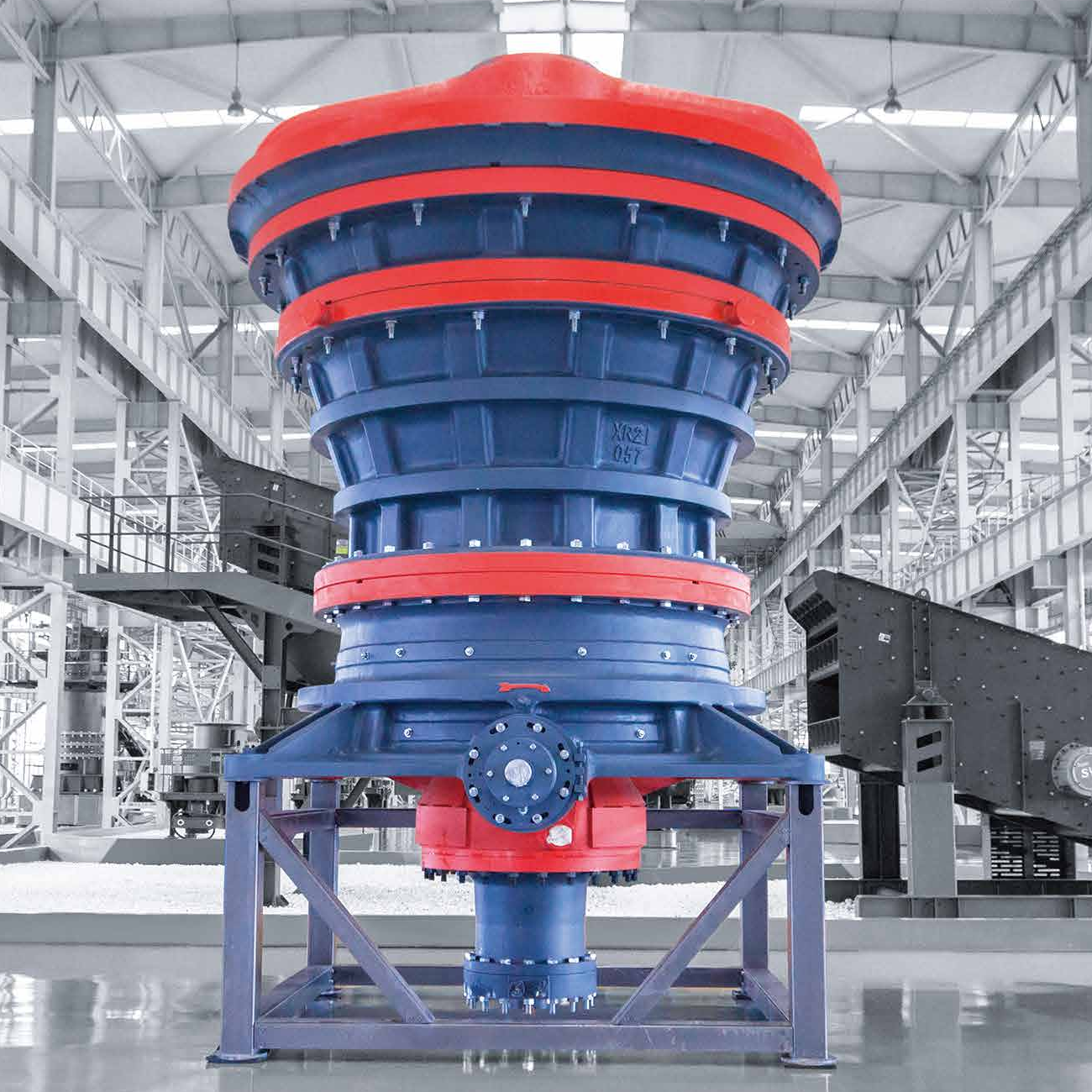
CLX Series Intelligent Hydraulic Gyratory Crusher
Guangdong CHUANGLI intelligent machinery Equipment Co., LTD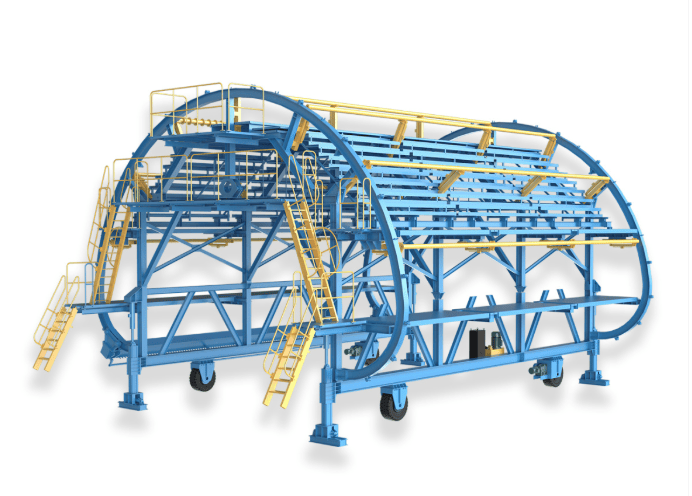
QLZNGJ Intelligent Steel Reinforcement Trolley
Luoyang China Railway Qiangli Machinery Co., Ltd.
Pneumatic high-pressure wear-resistant ball valve
Zhejiang Deca Control Valve Meter Co., Ltd.
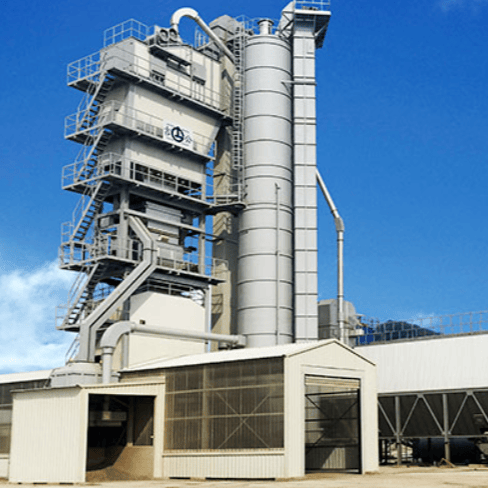
LBH4000 Batch Environmental Protection Asphalt Mixing Plant | Asphalt Batching Plant | Asphalt Mixing Plant
Jilin Province Road Construction Machinery Co., Ltd.


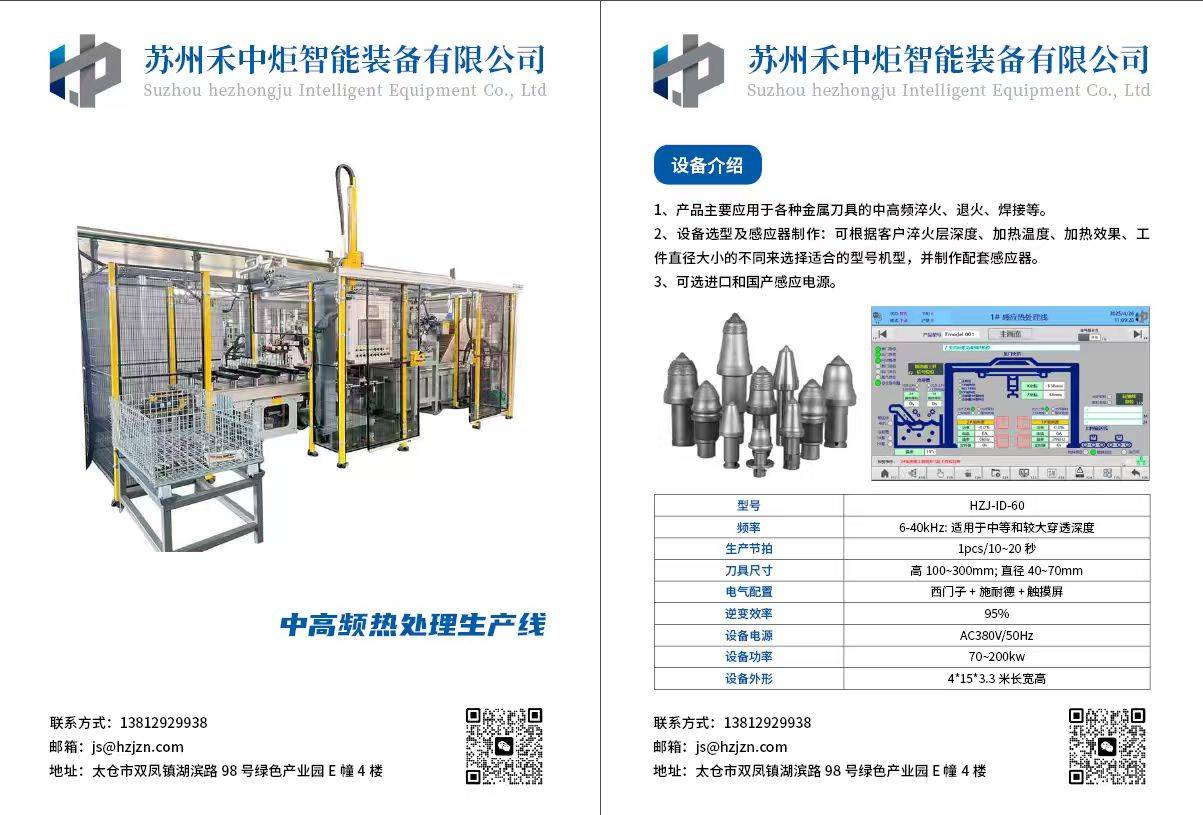
Excavator Bucket Teeth Heat Treatment Production Line
Suzhou Hezhongju Intelligent Equipment Co., Ltd.
Strip Coating and Plating Production Line Equipment
MCC-SFRE HEAVY INDUSTRY EQUIPMENT CO., LTD.