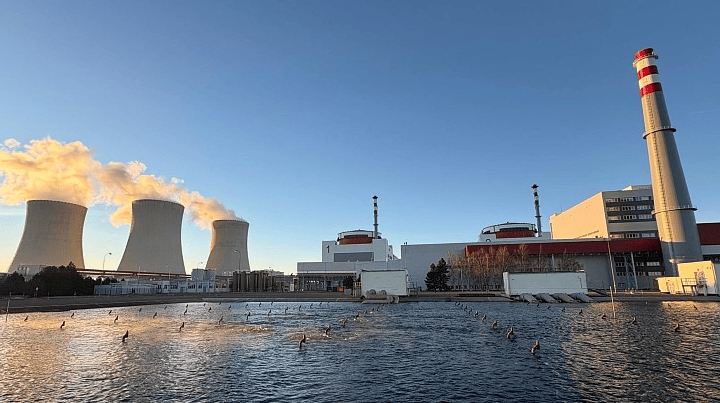
CNNC Advances Construction of World's Largest Nuclear-Powered Steam Supply Base
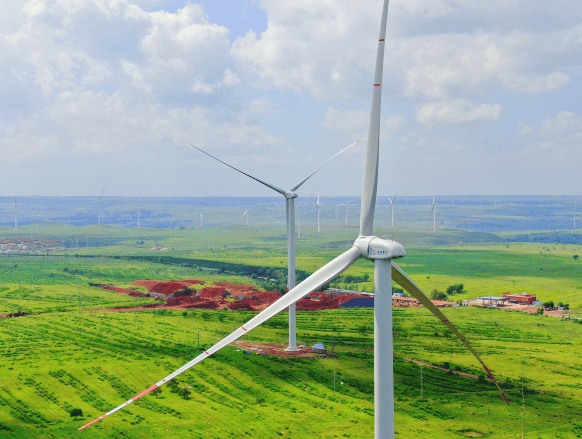
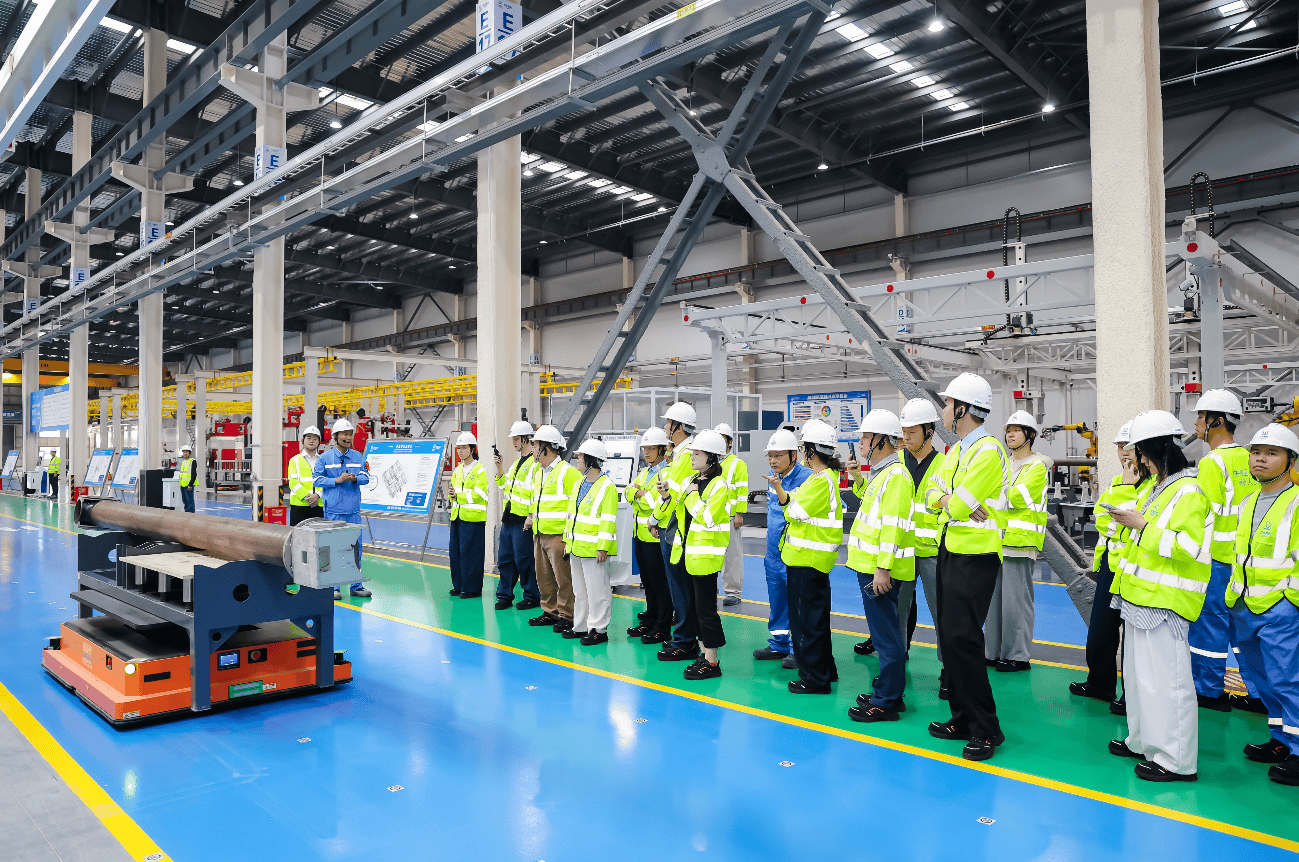
en.Wedoany.com Reported - On July 21, under the guidance of the Social Bureau of the Cyberspace Administration of China and the Publicity Bureau of the State-owned Assets Supervision and Administration Commission of the State Council, a media event titled "Footsteps of General Secretary Xi Jinping in State-Owned Enterprises" and "High-Quality Development in China" visited the world's largest large-scale coupling demonstration base for nuclear energy and petrochemical industry, currently under construction. During the event, China National Nuclear Corporation (CNNC) announced that after the completion of the first phase of the base, the annual supply of industrial steam will exceed 35 million tons, providing large-scale, high-quality, low-carbon industrial steam for the trillion-yuan petrochemical industry base in Lianyungang. The achievements will be further replicated and promoted to industrial clusters in the Yangtze River Delta and the Guangdong-Hong Kong-Macao Greater Bay Area, and will also open a new chapter of a replicable and scalable "China Solution" for the low-carbon transformation of global high-energy-consuming industries, injecting strong momentum into the realization of global "dual carbon" goals.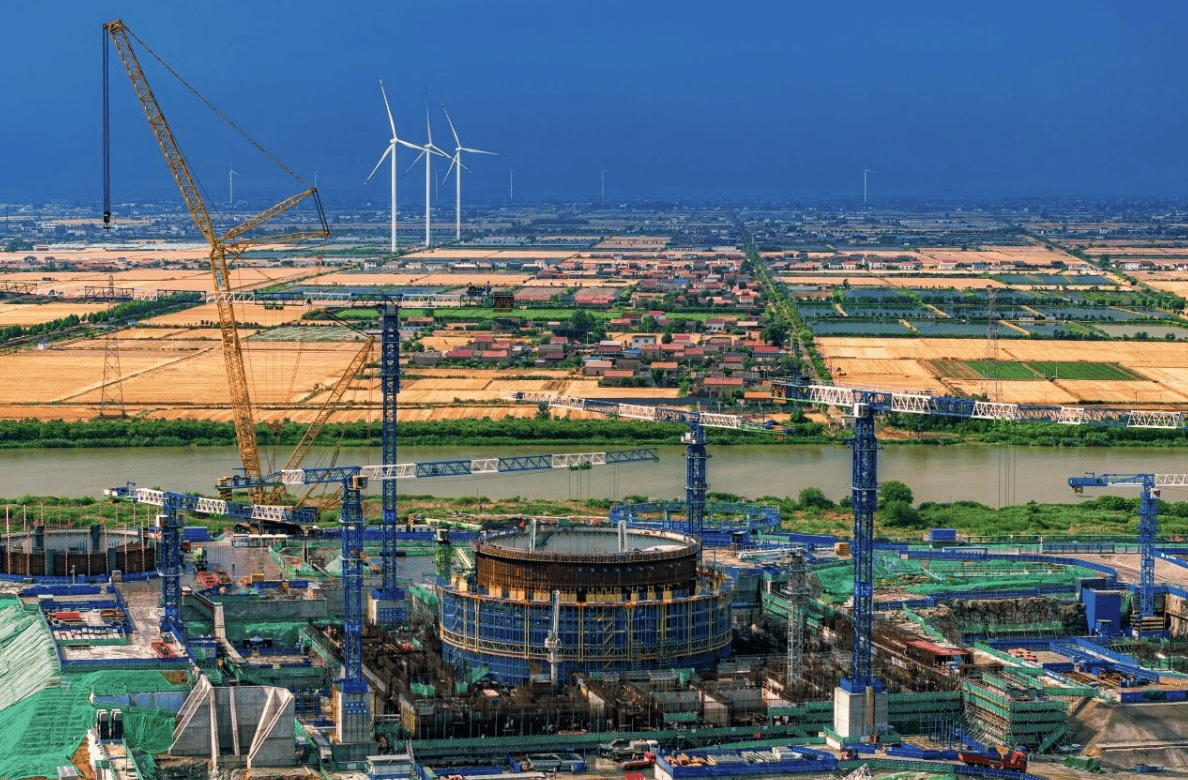
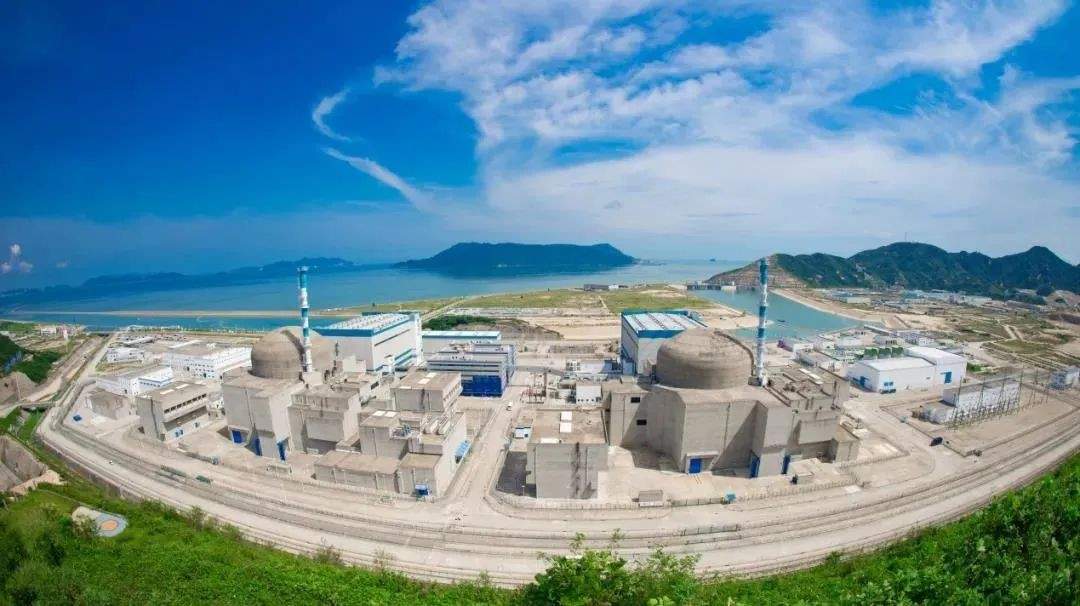
The base is jointly composed of the Jiangsu Xuwei Nuclear Heating and Power Plant and the "Heqi No.1" steam supply system of Jiangsu Nuclear Power. Its main delivery target is the Lianyungang Petrochemical Industry Base, one of China's seven major petrochemical industry bases. This marks the transition of China's comprehensive utilization of nuclear energy from technical demonstration to a new stage of standardization and large-scale application.
Promoting carbon peak and carbon neutrality is a solemn commitment China has made to the international community and an inherent requirement for achieving sustainable development. The green and low-carbon transformation of the energy structure is key to achieving carbon peak and carbon neutrality. In 2025, China released the white paper "China's Actions for Carbon Peak and Carbon Neutrality," which states that nuclear power is a high-quality and efficient clean energy. China has always insisted on orderly developing nuclear power under the premise of ensuring safety, and promoting the use of nuclear energy in areas such as clean heating, industrial heat supply, and seawater desalination.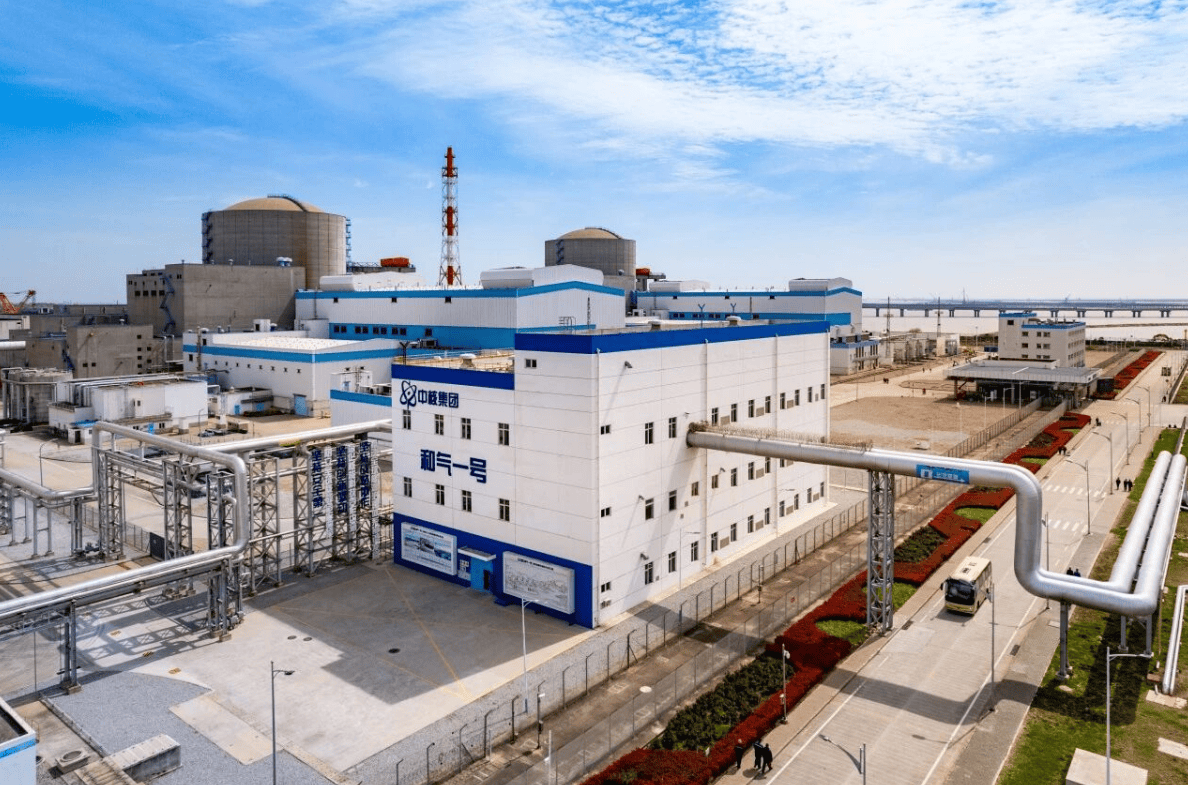
As foundational industries, the petrochemical and chemical sectors bear the important responsibility of supporting national economic development. For the petrochemical industry, under the background of the "dual carbon" goals, carbon reduction transformation is imperative. The "nuclear energy + chemical" approach targets a key demand in the green transformation of the chemical industry: industrial steam. Chemical production requires large volumes of steam with high quality standards, and production facilities need long-term, continuous, and stable operation. How to ensure large-scale, high-quality, and continuous steam supply while effectively reducing carbon emissions has become a practical challenge that the industry transformation must address.
Nuclear-powered steam supply, which uses heat from nuclear power plants to provide industrial steam, is a new approach to meeting the steam demands of the petrochemical industry, reducing comprehensive energy consumption, and alleviating environmental pollution. The "nuclear energy + petrochemical" coupling development actively promoted by CNNC deeply integrates the clean advantages of nuclear energy with the energy needs of the petrochemical industry, providing a new pathway for the green transformation of traditional high-energy-consuming industries. This is not just a nuclear energy project but also a transformation of the energy supply model for traditional industries. In Lianyungang, CNNC closely connects the nuclear power plant with the petrochemical industry base, allowing clean nuclear energy to further enter industrial production processes from the power grid. This provides new solutions for the chemical industry to overcome challenges of high energy consumption and high emissions, and opens up new development space for the green and low-carbon transformation of China's industrial parks and high-energy-consuming industrial clusters.
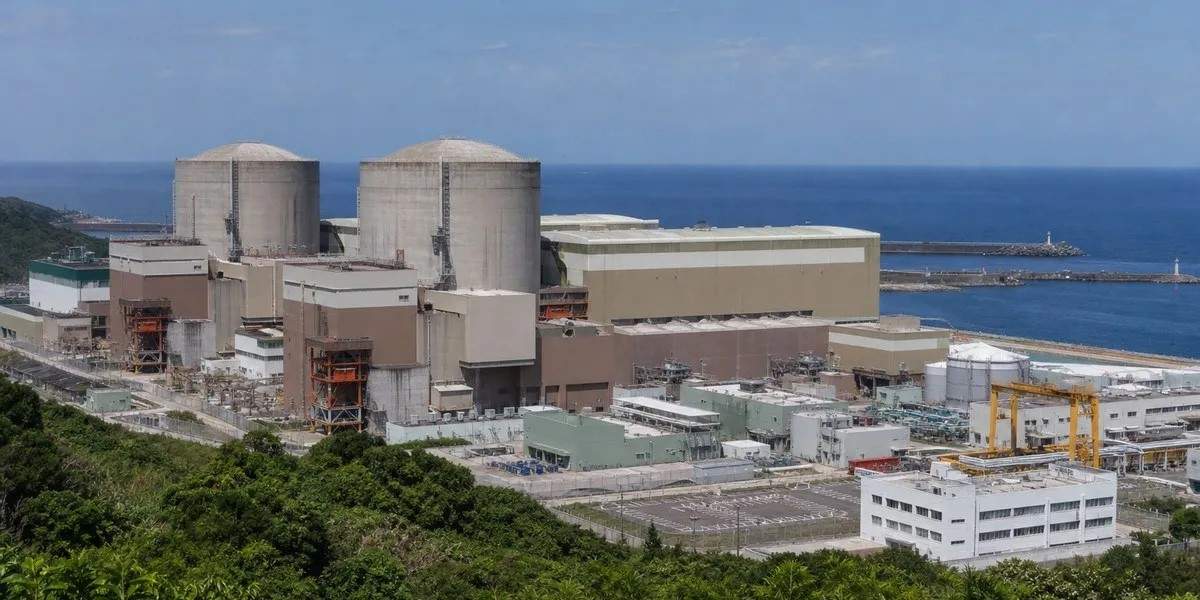
The Jiangsu Xuwei Nuclear Heating and Power Plant is the world's first large-scale coupling project between nuclear energy and petrochemicals, the world's first coupling project between pressurized water reactors (PWR) and high-temperature gas-cooled reactors (HTGR), the world's first application project of the "reactor-turbine-heat" coordinated control model, and the world's first commercial application project of HTGR. The project is a nuclear power plant primarily for industrial heat supply, supplemented by electricity supply. It adopts a combination of China's third-generation nuclear power technology with fully independent intellectual property rights, Hualong One, and the fourth-generation nuclear power technology HTGR. The process involves heating desalinated water with main steam from Hualong One to produce saturated steam, and then using main steam from the HTGR to reheat the saturated steam, generating three types of high-quality industrial steam with different parameters to meet the steam demands of the petrochemical park. Upon completion, under design conditions, it will simultaneously have the capacity to supply high-quality steam and generate electricity. The first phase of the project plans to construct two Hualong One units and one HTGR unit. The project has conducted over 70 research topics, with more than 40 scientific and technological innovations already applied. It has pioneered complete sets of technologies such as dual main pipe continuous heat supply, small-temperature-difference large-scale heat exchange, and integrated intelligent regulation of reactor-turbine-heat. It has also overcome construction challenges such as undersea shield tunneling and modular construction, with multiple innovations filling global gaps in nuclear industrial heat supply technology.
The "Heqi No.1" project uses steam from the secondary circuit of Units 3 and 4 of Jiangsu Nuclear Power as a heat source. Employing multi-stage heat exchange technology, it transports steam at a pressure of 1.8 MPa and a temperature of 248 degrees Celsius through an independent isolated loop to the Lianyungang Petrochemical Industry Base, located 23.36 kilometers away. This project is the world's first exploration and practice of large-scale production and supply of industrial steam using PWR nuclear power units, with no existing standards or engineering precedents to follow. A key innovation is achieving real-time precise matching of reactor core power, steam supply thermal power, and grid power. By developing reactor-turbine heat matching technology for large-scale steam supply units, it successfully addresses the issue of slow automatic reactor power response when a sudden significant drop in industrial steam flow occurs due to steam supply equipment failure. "Heqi No.1" also innovatively adopts China's largest single-unit capacity bilateral phase-change steam conversion technology, achieving countercurrent convective heat exchange between hot and cold media, increasing the thermal efficiency of the nuclear power plant to 42%, providing more efficient and stable technical support for nuclear-powered steam and heat supply. To date, "Heqi No.1" has supplied over 4.8 million tons of green steam to the Lianyungang Petrochemical Base, injecting strong green momentum into the development of the petrochemical industry.
Furthermore, CNNC has established China's first carbon footprint factor calculation system for nuclear industrial steam supply. This is equivalent to giving each kilogram of nuclear steam a "green ID card," accurately calculating its carbon emissions throughout the entire lifecycle and production process, from seawater to industrial steam, filling a gap in domestic and international industry standards. Data calculated according to domestic and international product carbon footprint quantification standards show that the carbon footprint of nuclear-powered steam is 1/600 that of steam from coal-fired combined heat and power (CHP) and 1/100 that of steam from natural gas CHP. Nuclear-powered steam has a more significant emission reduction effect than nuclear power generation, a more prominent low-carbon advantage over chemical steam, and is greener than natural gas and hydrogen.
CNNC has always adhered to the guidance of Xi Jinping's Thought on Ecological Civilization, firmly established the concept of green development, and continuously played its role as a main force in clean energy. Its listed subsidiary, China National Nuclear Power Co., Ltd., currently has 27 nuclear power units in operation under its control, and 18 units under construction or approved for construction, with a total installed capacity of 46,859 MW. In 2025, the cumulative clean energy on-grid electricity reached 230.747 billion kWh, providing stable and reliable support for achieving the "dual carbon" goals.
In recent years, CNNC has continuously expanded the "nuclear energy+" diversified application scenarios, accelerating its layout in areas such as "nuclear energy + heating," "nuclear energy + medical," and "nuclear energy + computing power." The implementation of "nuclear energy + chemical" has further expanded the industrial boundaries of nuclear energy applications, demonstrating the vast potential of nuclear energy to empower various industries and cultivate new quality productive forces.
Related Products

Floating Boat Water Quality Automatic Monitoring System
Hebei Sailhero Environmental Protection High-tech Co., Ltd.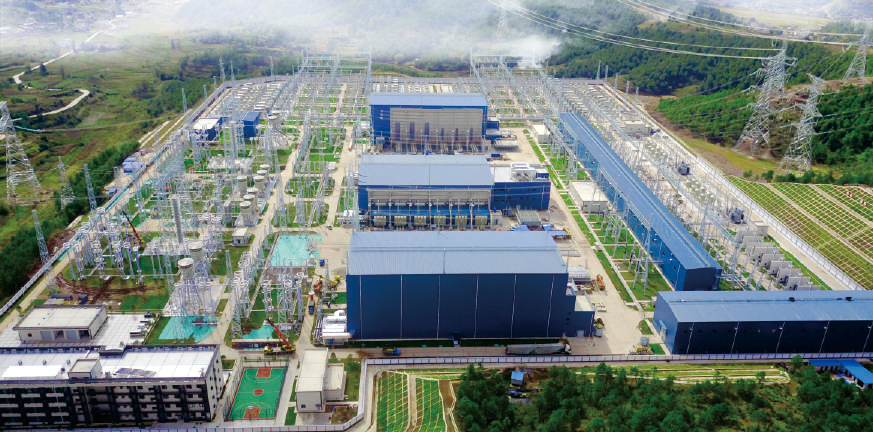
High-voltage Direct Current (HVDC) Transmission System Research and Integrated Design
XI'AN XD POWER SYSTEMS CO., LTD.
Inductive Power Harvesting Self-Powered Device - Safuneng
SELF ENERGY TECHNOLOGY (SHENZHEN) CO., LTD.