Textron Aviation Reports Q2 2026 Revenue of $1.54 Billion
en.Wedoany.com Reported - Textron Aviation generated revenue of $1.54 billion in the second quarter of 2026, up 1% year-over-year, delivering 40 business jets and 44 commercial turboprop aircraft. Business jet deliveries declined from 49 in the same period last year, while turboprop deliveries rose from 34 a year earlier.
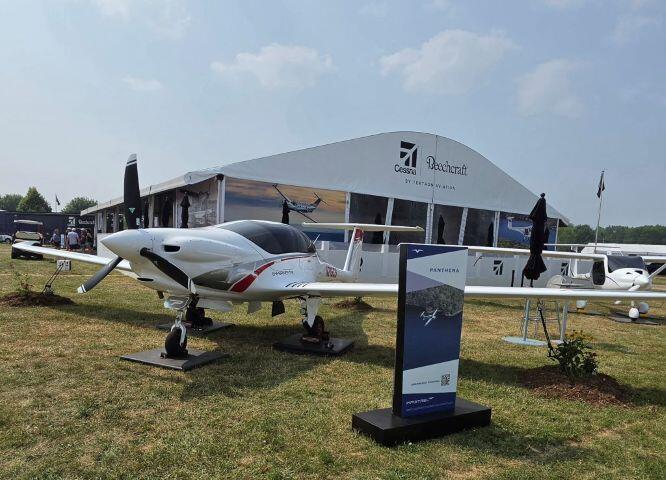
The company delivered 93 piston-engine aircraft (including Pipistrel products) in the quarter, compared with 84 in the same period last year. As of the end of June, Textron Aviation's backlog totaled $8.03 billion, up from $8.00 billion at the end of March and $7.72 billion a year earlier. Revenue growth was primarily driven by increased aftermarket parts and service revenue and higher aircraft pricing, partially offset by lower aircraft deliveries and a shift in product mix.
Quarterly profit was $165 million, down $5 million from the second quarter of 2025. The company attributed the decline primarily to manufacturing inefficiencies and unfavorable impacts from aircraft deliveries and mix, partially offset by lower warranty costs.
Textron Aviation CEO Lisa Atherton said the company is focusing on three key priorities: investing in its workforce, improving factory execution, and strengthening the supply chain. Speaking on an analyst call, Atherton noted that customer demand remains strong, with multi-year backlogs in many areas, and the company must meet that demand more efficiently.
Atherton said employee attrition has improved thanks to the company's investment in a new Career and Learning Center, with turnover and hiring rates returning to more typical levels. However, roughly half of employees have fewer than five years of experience, and the accumulation of that experience is expected to boost productivity and efficiency by 2027.
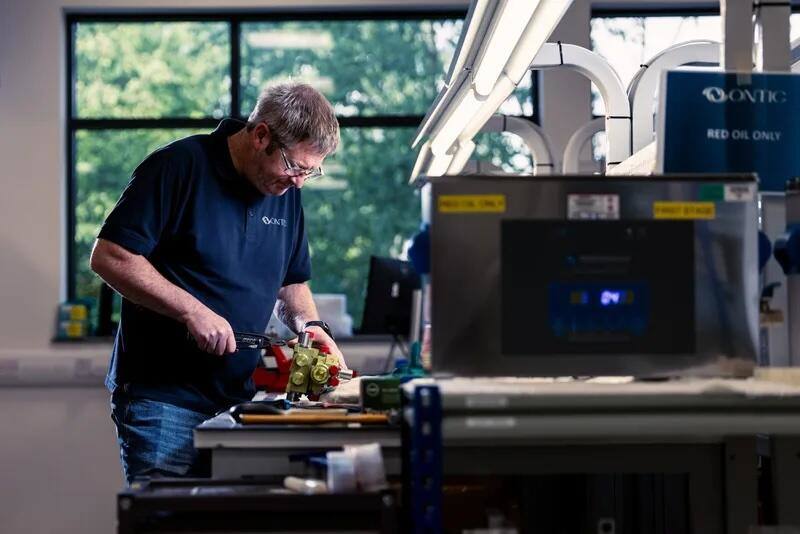
Textron Aviation produces 21 or 22 aircraft models, making its manufacturing processes complex. When suppliers fail to deliver engines, wing spars, or hydraulic components, less experienced employees are less familiar with alternative solutions. The company is leveraging the Career and Learning Center to train supervisory personnel.
The company is also investing in factory capacity, adding production support, and prioritizing engineering resources to improve manufacturability. It is targeting additional capacity in landing gear, machining, and paint operations, and implementing production and process improvements on the King Air and light jet lines. Supply chain issues have improved as the company expands dual-sourcing programs to enhance supplier resilience and improve parts availability. Atherton said the company remains actively engaged with key suppliers.
Related Products
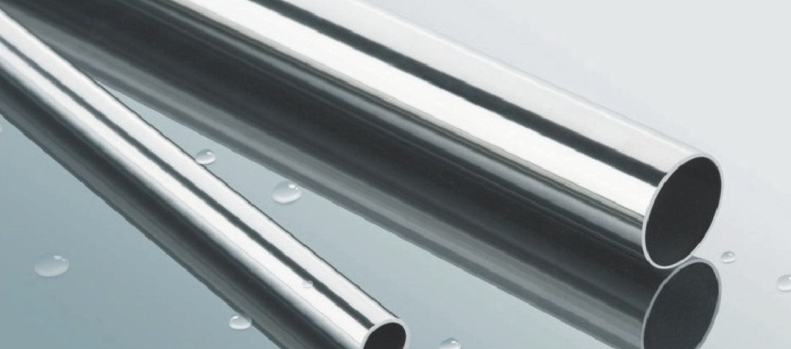

ERW Welded Pipe (Black Pipe and Hot-dip Galvanized Steel Pipe)
Handan Zhengda Steel Pipe Co., Ltd.

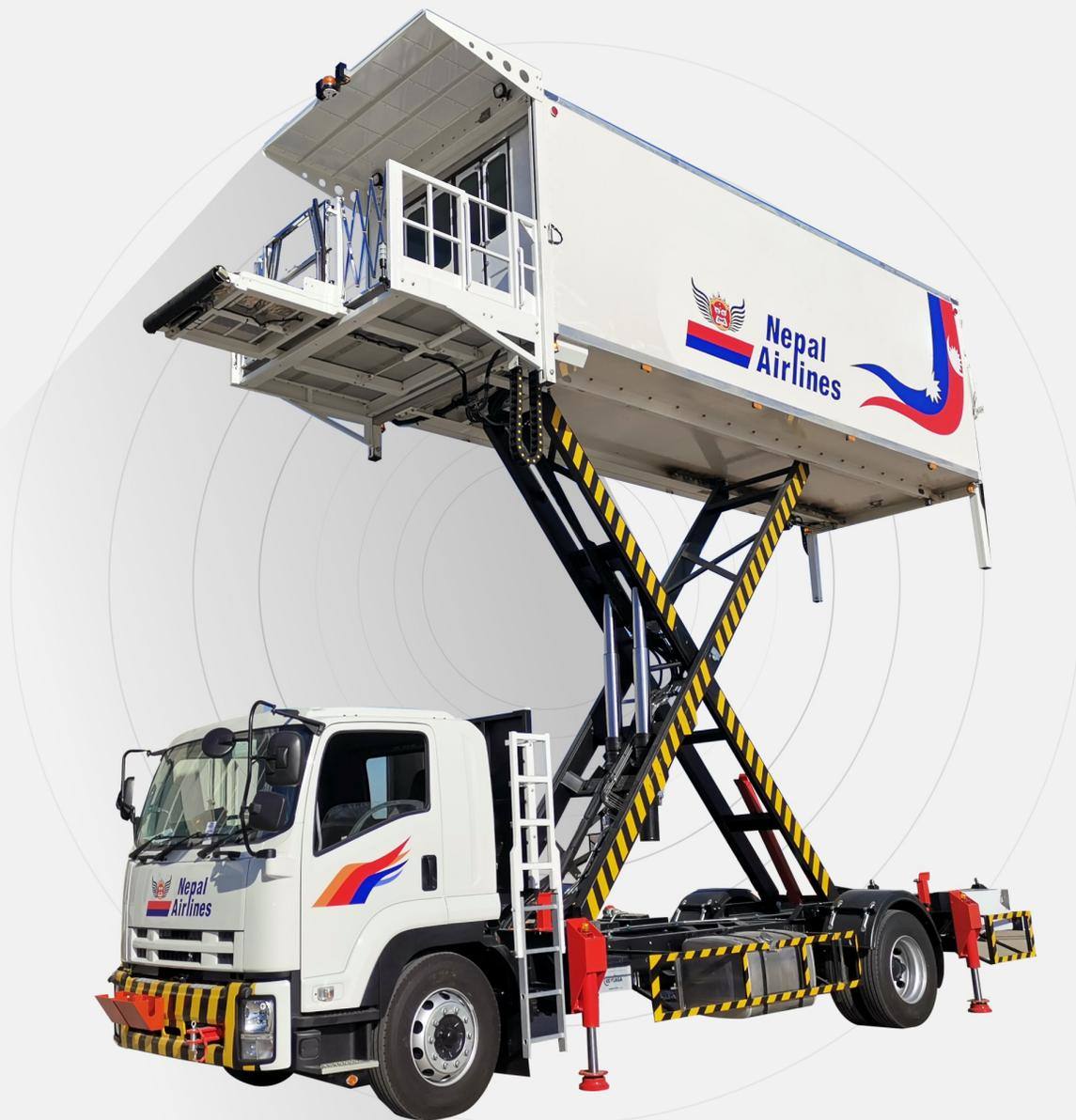
XC-6000e Type Aviation Catering Truck (Fuel Type)
Shenzhen CIMC-TianDa Airport Support Ltd.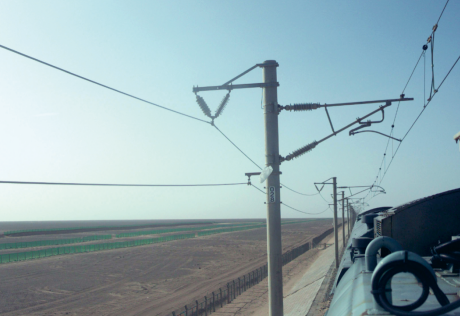
Pantograph-Catenary Comprehensive Detection Device (1C)
CHENGDU TANGYUAN ELECTRIC CO., LTD.
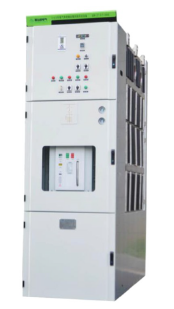
GSR6-27.5kV SF6 Free Gas-insulated Metal-enclosed Switchgear
Zhejiang Juhonkia Intelligent Electric Co., Ltd.