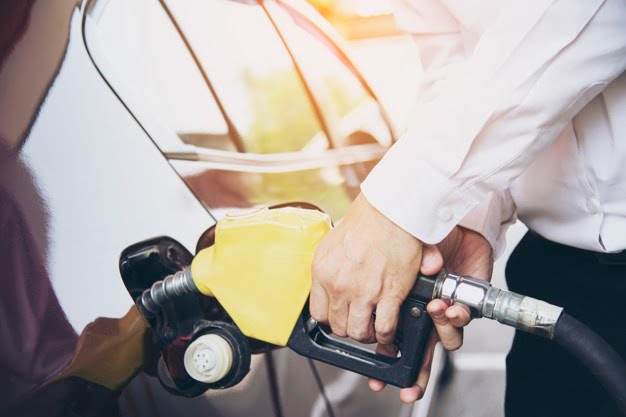
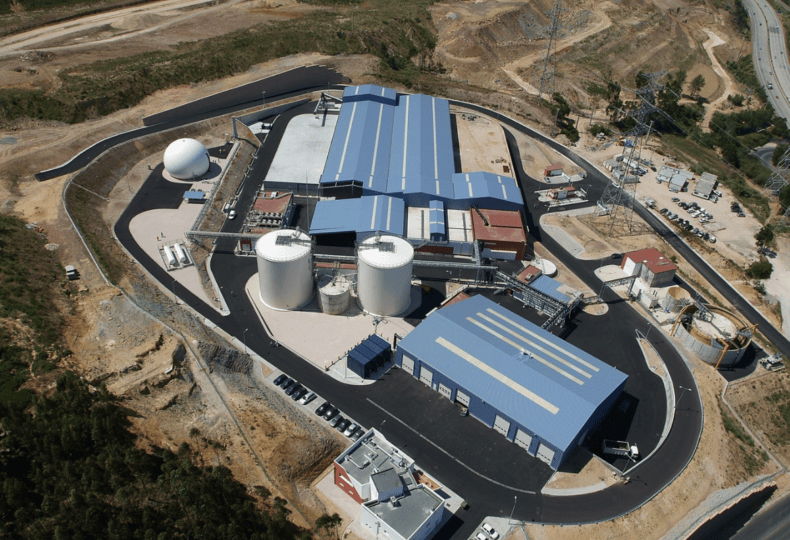
Brazil's National Energy Policy Council: Gasoline Ethanol Blend Ratio to Rise to 32% from August 1
en.Wedoany.com Reported - Brazil's National Agency of Petroleum, Natural Gas and Biofuels (ANP) yesterday signed a cooperation agreement with the Maranhão state consumer protection agency (Procon) to carry out adulteration inspections on fuel at gas stations. Meanwhile, authorized by the National Energy Policy Council (CNPE), the ethanol blend ratio in Brazilian gasoline will rise to 32% starting August 1.
The United States allows up to 10% ethanol to be blended into gasoline; the European market prices ethanol at two blend tiers of 5% and 10%. Compared with these markets, Brazil's adjusted ethanol blend ratio is 32%. The CNPE stated that the adjustment was made based on the Future Fuels Law and studies coordinated by the Ministry of Mines and Energy.

The ANP already has technical and operational cooperation agreements with Procons across Brazil, focusing on supervising entities involved in the transportation and sale of petroleum derivatives and biofuels. Currently, multi-billion-scale schemes involving money laundering, tax evasion, and fuel adulteration are under intensive police investigation in several parts of Brazil, and this agreement with the Maranhão Procon specifically targets adulteration at gas stations that harms consumer rights.
The CNPE stated that the decision underwent extensive technical evaluation and was not based on feasibility assumptions, but rather on specially designed tests to assess the performance of the E32 blended fuel in Brazil's vehicle fleet. The committee said its studies show that using this blended fuel will not cause damage to automobile engines.

The related research was carried out by the Mauá Institute of Technology (Instituto Mauá de Tecnologia), with tests specifically designed to evaluate the use of E32 in Brazil's vehicle fleet.
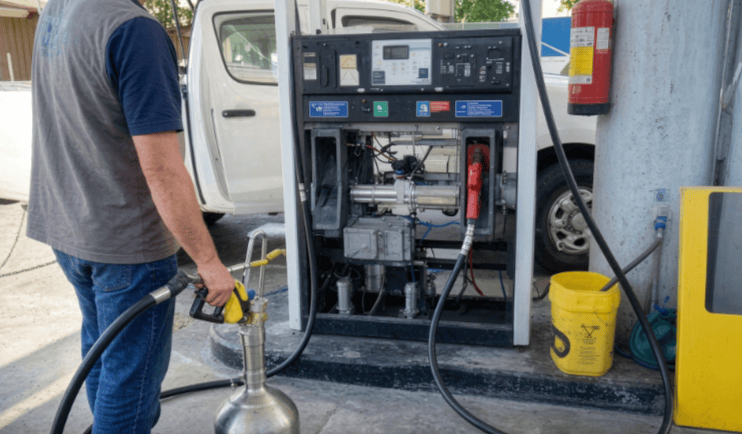
The test subjects were gasoline-only light vehicles and motorcycles, as these vehicles are the most sensitive to an increased ethanol ratio. Starting August 1, the engines of 40 million vehicles—including 25 million cars and 15 million motorcycles—will switch to this blended fuel.
On the industry side, the Sugarcane Industry and Bioenergy Union (União da Indústria da Cana-de-açúcar e Bioenergia, Única) reaffirmed its confidence in the robustness, transparency, and technical consistency of the process underlying the CNPE's decision. The Institute of Legal Fuel (Instituto do Combustível Legal), led by entrepreneur Emerson Kapaz, has not yet commented on the matter.
Related Products

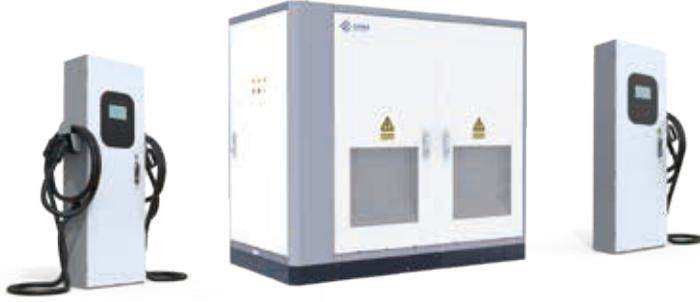


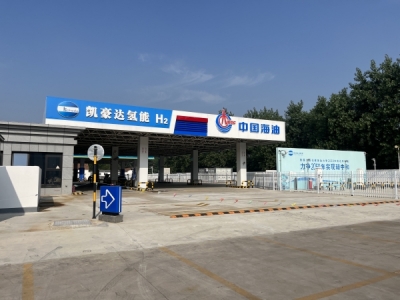
Hydrogen production and hydrogenation charging refueling gas integrated energy station
Shenzhen Kohodo Hydrogen Energy Co., Ltd.
Electromagnetic Fluid Seawater Floating Oil Separation and Recover Equipment
Huate Magnet Group Co., Ltd.
6kV-35kV Medium and High Voltage Direct-Connected Energy Storage System
Hainan Jinpan Smart Technology Co., Ltd.