Southwest Airlines' Load Factor Exceeds 92% on 11 Routes as of April 2026
en.Wedoany.com Reported - In the 12 months ending April 2026, Southwest Airlines carried 170 million passengers. Data from the U.S. Department of Transportation (DOT) shows that the airline, which operates under a hybrid model, saw passenger volume decline by 2 million compared to the prior 12 months, with an average of approximately 465,000 daily passengers.
Between May 2025 and April 2026, Southwest's overall load factor was 77.4%, down from 79.1% in the preceding 12 months. Passenger growth failed to keep pace with capacity expansion. The DOT noted that international markets outperformed the larger domestic market, with load factors of 78.9% and 77.4%, respectively, though both figures trailed the combined average of all U.S. airlines.
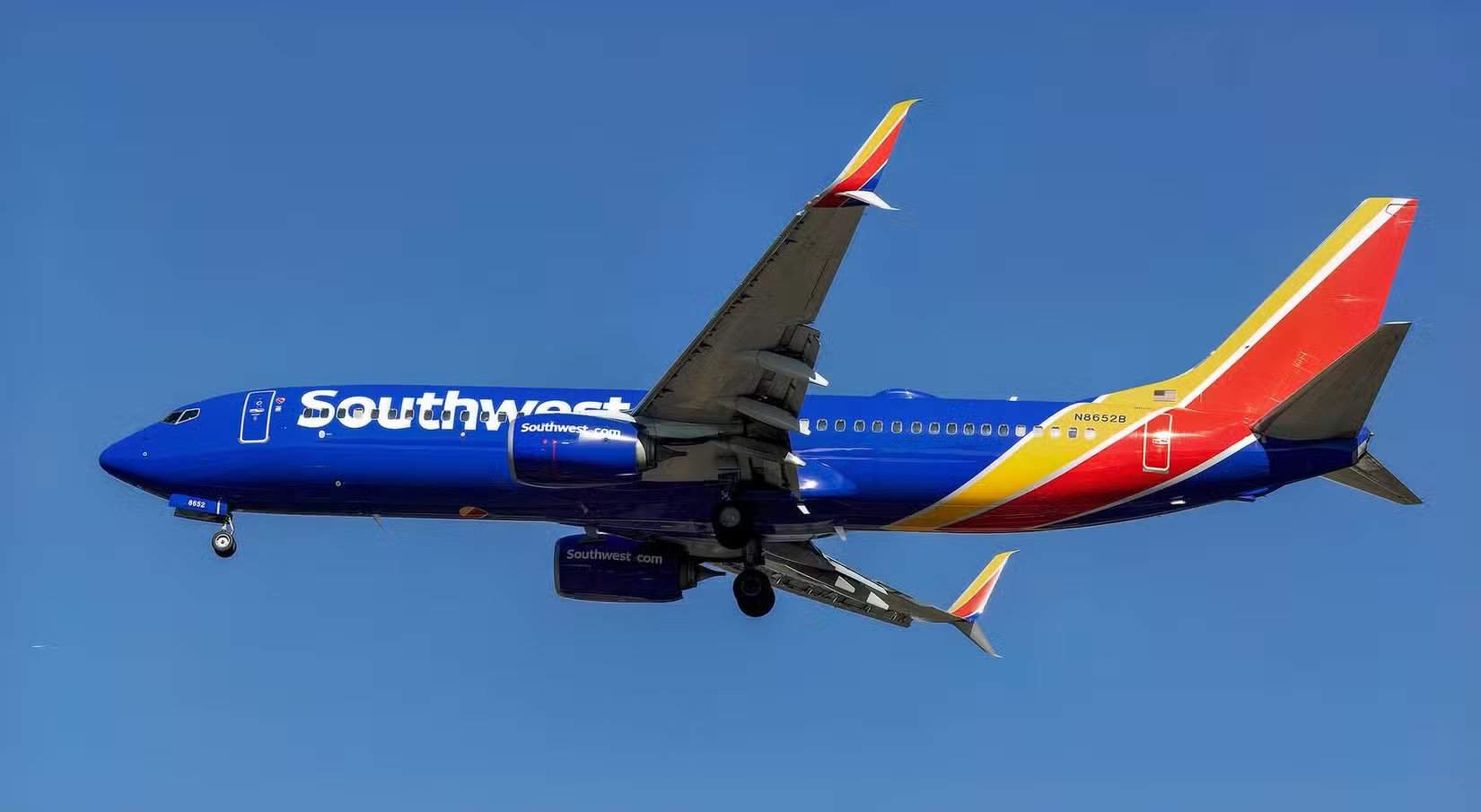
To avoid anomalies, the statistics above only include airport pairs with at least 3,000 round-trip passengers. The following 11 routes collectively carried 645,000 round-trip passengers. Only 1 in every 263 Southwest passengers traveled on these routes, whether nonstop or connecting. Some of these markets, such as St. Louis Lambert International Airport (STL) to Salt Lake City and Phoenix Sky Harbor International Airport (PHX) to Fort Lauderdale, previously saw far higher flight volumes and passenger numbers than current levels.
Load factors on these routes ranged from 95.3% to 92.6%, with the top-ranked route also being the best-performing route across the entire network by this metric. Load factor is just one measure of operational performance and should not be viewed in isolation; what matters is how it is achieved, including the fare levels required to produce such results.
None of these routes involve Denver International Airport (DEN) or Las Vegas Harry Reid International Airport (LAS), which are Southwest's two busiest airports by flight volume. STL is the airline's 11th-largest airport by departures and has long served as a key connecting hub, with the highest number of routes on this list.
| Load Factor (May 2025–April 2026)* | Route | Round-Trip Passengers** |
|---|---|---|
| 95.3% | STL to Seattle-Tacoma International Airport (SEA) | 30,076 |
| 94.3% | Los Angeles to Lihue | 7,593 |
| 94.0% | STL to Salt Lake City | 3,424 |
| 93.5% | PHX to Fort Lauderdale | 5,914 |
| 93.1% | Houston Hobby to San Juan | 29,196 |
| 93.0% | Las Vegas to Honolulu | 287,889 |
| 93.0% | Baltimore to SEA | 36,794 |
| 92.9% | STL to Portland (Oregon) | 10,147 |
| 92.9% | Phoenix to Honolulu | 118,345 |
| 92.7% | Boston to Austin | 78,243 |
| 92.6% | Chicago Midway to Bozeman | 39,986 |
| * Source: U.S. Department of Transportation | ** Source: U.S. Department of Transportation |
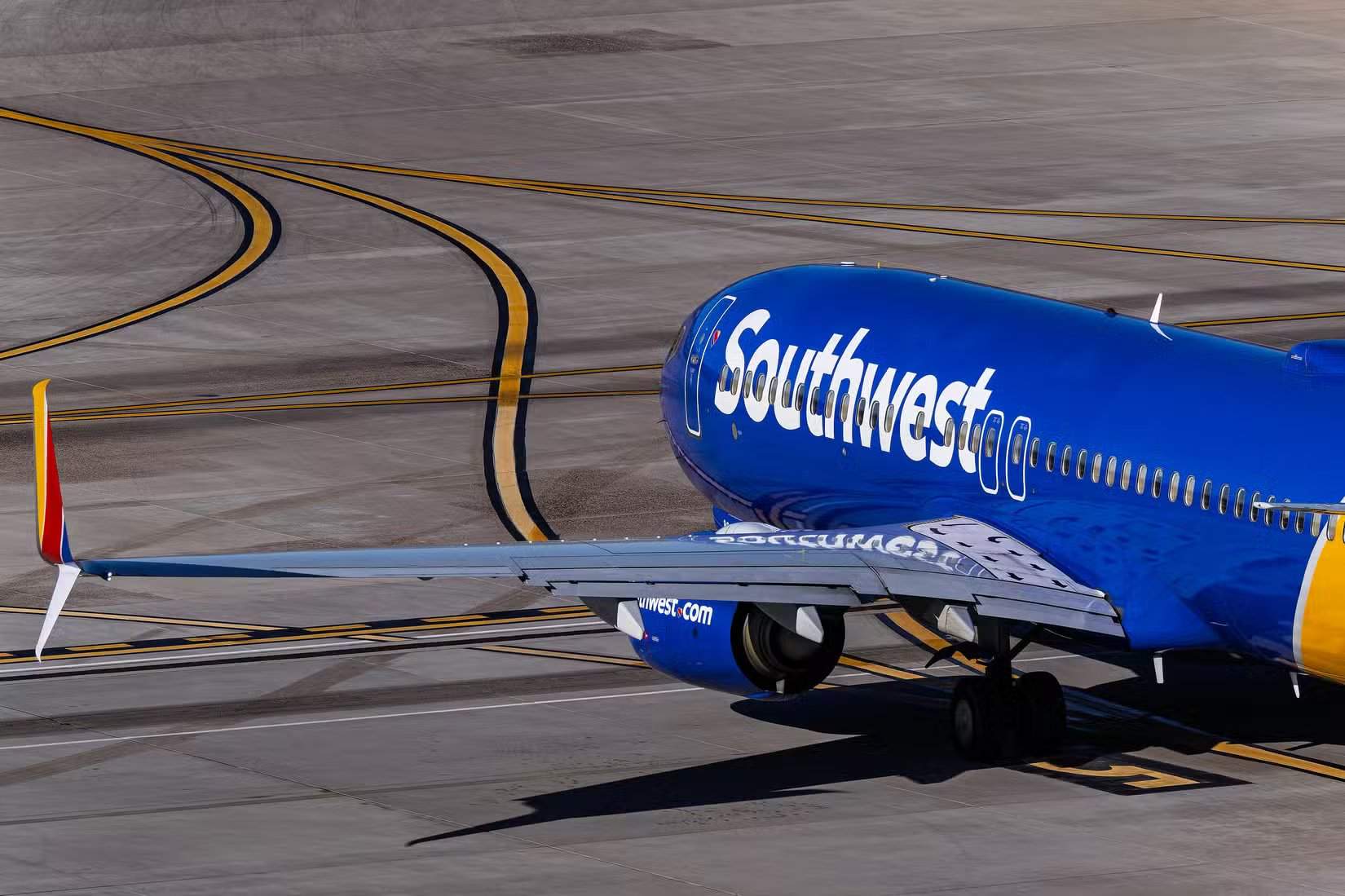
STL has been part of Southwest's route network for 41 years. Cirium Diio data shows that the STL-SEA route, with a one-way distance of 1,485 nautical miles (approximately 2,750 kilometers), has been operating since 2010. At that time, it was Southwest's longest nonstop route from STL; it has since dropped to fourth place.
In the 12 months ending April 2026, the STL-SEA route operated only between June and September 2025, with the 175-seat Boeing 737-800 as the most commonly used aircraft. The short operating window explains the relatively low passenger volume (30,076), while limited capacity and seasonal-only service explain the exceptionally high load factor of 95.3%. The route operated for four months in 2026, having previously run year-round.
Between June and September 2025, Southwest's monthly load factor on this route ranged from 93.4% (September) to 96.8% (August). During the same period, the airline's overall load factor from STL was 77.1%, and from SEA it was 87.9%. Alaska Airlines also operates nonstop SEA-STL service, with an 86.7% load factor over the same four-month period, though the comparison is not entirely apples-to-apples.
STL-SEA is a sizable local market. Between June and September 2025, 111,898 round-trip passengers flew solely between these two airports without continuing elsewhere. Alaska Airlines was the largest carrier, transporting 66,790 local passengers; Southwest carried 28,284, including both nonstop and connecting passengers. Of those, 9,911 passengers connected en route, primarily through DEN and MDW.
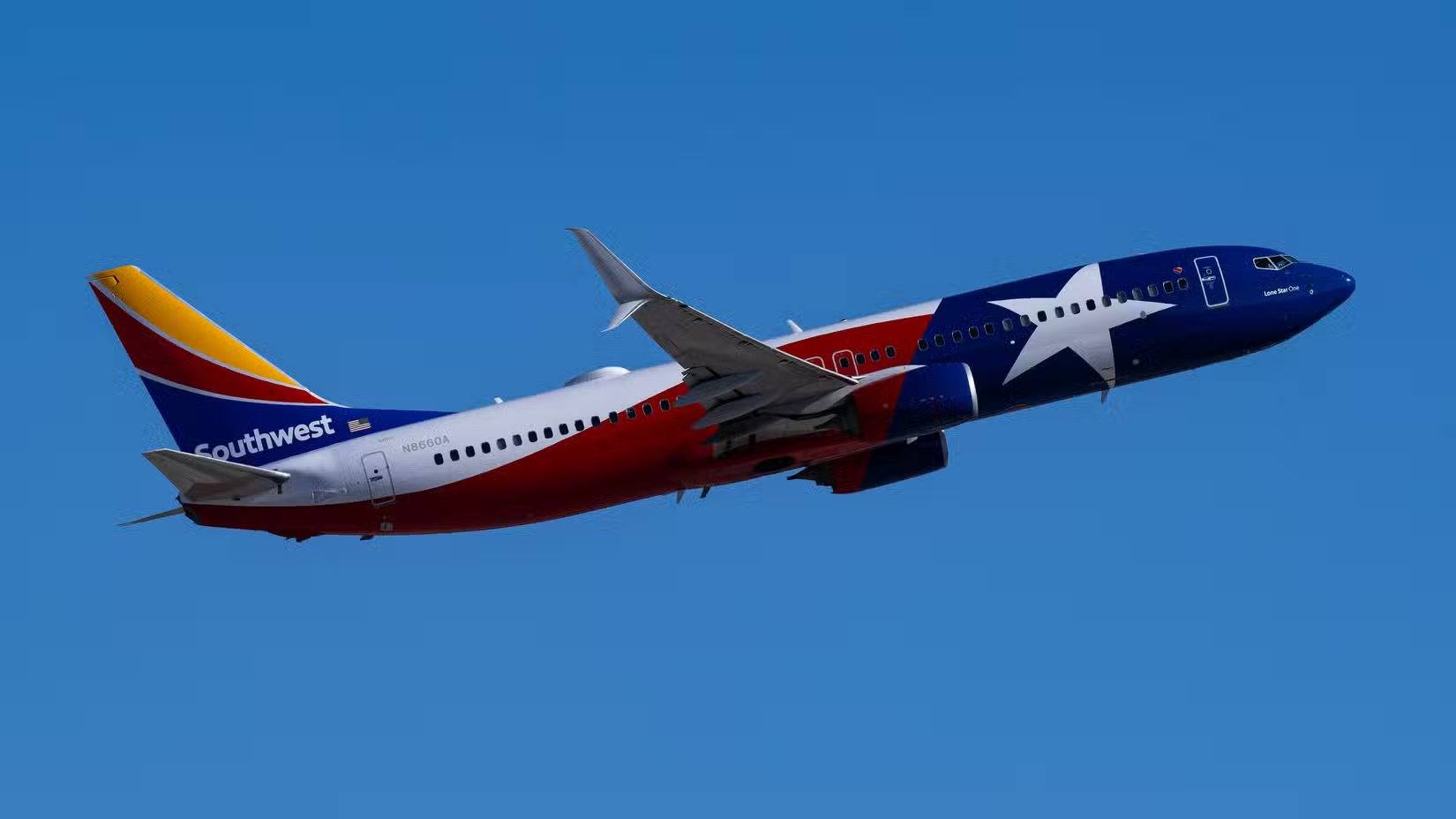
Between June and September 2025, of the 28,284 passengers flying Southwest between STL and SEA, 9,911 connected en route and 18,373 flew nonstop. Nonstop passengers accounted for 61.1% of the airline's total 30,076 passengers on this route. At the airport level, Southwest's lounge is expected to be established in due course. The remaining 38.9% of the market (11,703 passengers) connected to other Southwest flights at STL, SEA, or both. Given STL's importance as a connecting hub for the airline, most connections occurred there. Nashville International Airport (BNA) is gradually replacing STL's connecting role in this geographic region, with 66.8% of passengers on Southwest's BNA-SEA flights traveling onward to other destinations.
Related Products
![IVECO Cash-in-Transit [DMT5048XYCL3-AM] - Chongqing Dima Industry Co., Ltd](https://img.wedoany.com/2026/0911/20260911030157582.png)

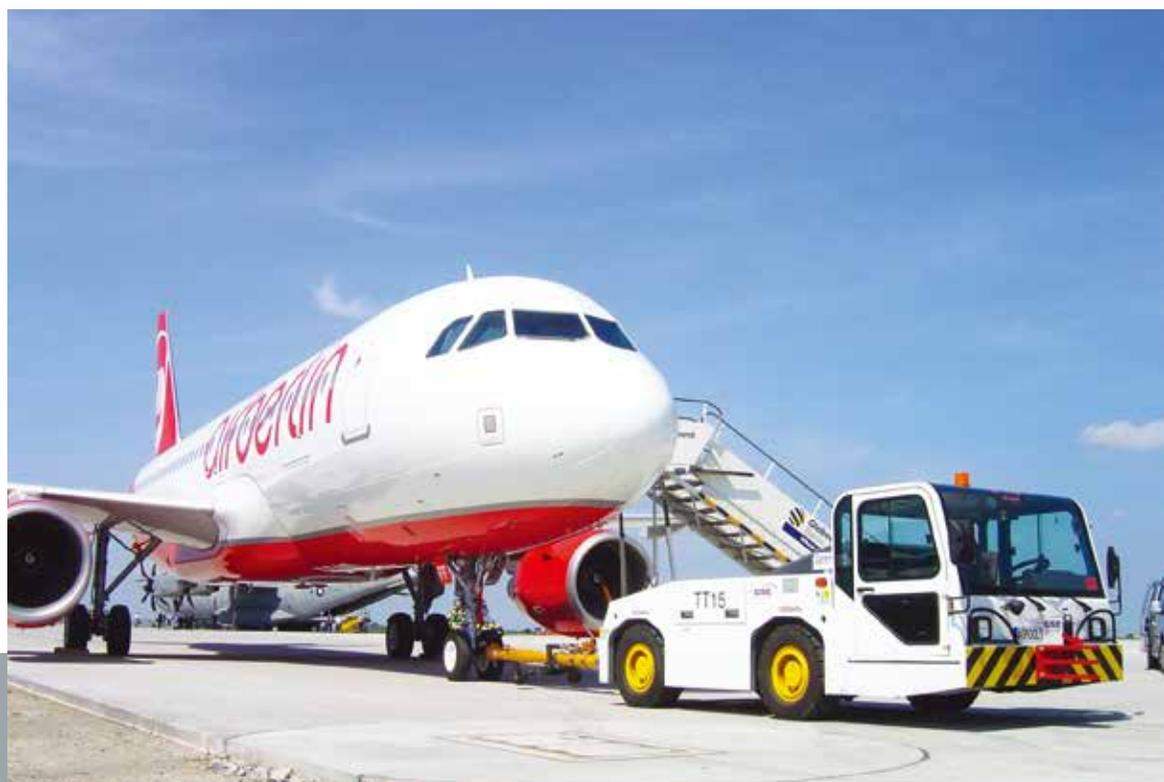
WGQY Series Aircraft Tow Tractor-WGQY15, WGQY27
Weihai Guangtai Airport Equipment Co., Ltd.
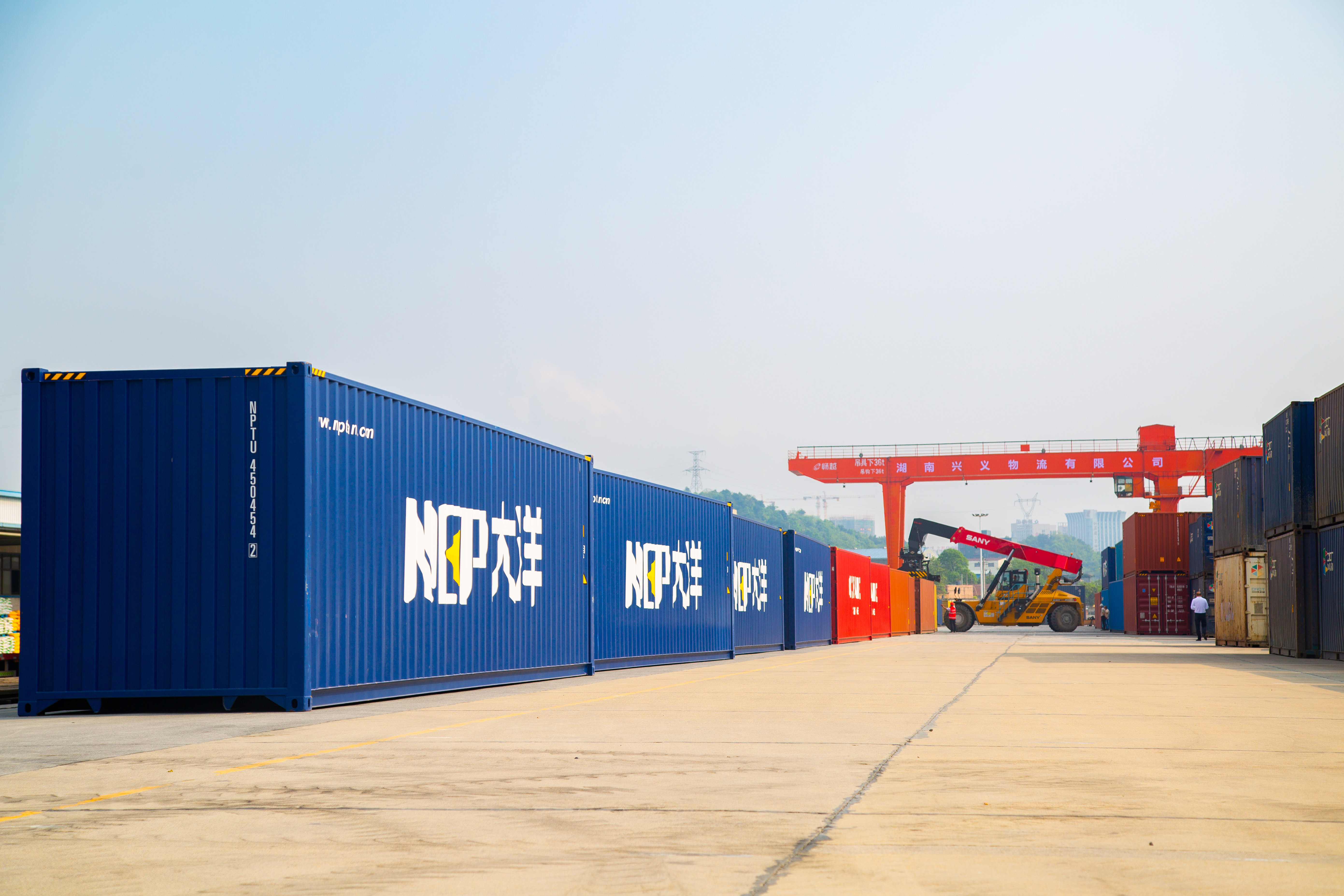
China - Alashankou/Khorgos - Europe Full Range Transportation (Mala/Hamburg/Duisburg/Budapest, etc.)
Shenzhen Neptune Logistics Co., Ltd.



Wheel and Track Technology Business
Beijing Research & Design Institute of Rubber Industry Co., Ltd.



3m intelligent buoy combining navigation safety and real-time marine monitoring integrated navigation and marine monitoring system for real-time maritime data
Chengdu Dixin Technology Co., Ltd.