UAE's Etihad and Air Arabia Cancel Flights to Bahrain, Kuwait, and Saudi Arabia
en.Wedoany.com Reported - On Friday, July 31, several UAE carriers canceled flights to Bahrain, Kuwait, and Saudi Arabia due to operational reasons. Etihad Airways and Air Arabia have announced their grounded services for the day, while Emirates and flydubai have not yet declared major adjustments and continue to operate as scheduled.
The flight disruption comes amid escalating tensions in the Middle East. UAE commercial aviation overall remains operating at near-normal levels, but carriers are closely monitoring the security situation and dynamically adjusting capacity. Etihad Airways' canceled flights include services between Abu Dhabi (AUH) and Bahrain (BAH), as well as flights EY653 Abu Dhabi–Kuwait and EY654 Kuwait–Abu Dhabi. The airline has apologized for the disruption, and its teams are assisting affected passengers with alternative travel arrangements.
Air Arabia's canceled flights for the day are: G9068 Sharjah–Kuwait, G9124 Sharjah–Kuwait, G9107 Sharjah–Bahrain, G9195 Sharjah–Abha, and 3L020 Abu Dhabi–Kuwait. The airline advises passengers to check flight status via its official website or contact customer service before heading to the airport.
As of Friday morning, Emirates and flydubai had not announced large-scale cancellations or operational adjustments. Saudia stated that all cancellations and flight changes have been updated in its booking system, with queries valid until the end of October 2026. Qatar Airways has suspended passenger flights to Bahrain, Erbil, and Kuwait through July 31 inclusive.
As security concerns persist, more international airlines are suspending or reducing services in the Gulf region. British Airways has suspended flights to Dubai, Bahrain, Amman, and Tel Aviv until October 31; Singapore Airlines, Air Canada, Cathay Pacific, Finnair, and ITA Airways have suspended Dubai routes until October 24; Lufthansa and Swiss will not resume Dubai flights before September 13, with other Middle East routes suspended until late October.
Aegean Airlines and Air Astana have extended the suspension of Dubai routes to August 31; KLM has suspended Dubai routes until August 23; Philippine Airlines continues to suspend Dubai flights until October 2, but has resumed Manila–Doha services; Turkish Airlines has resumed Dubai and Abu Dhabi routes while suspending Iran routes; Wizz Air is expected to resume Dubai and Abu Dhabi routes in September.
Even flights that remain operational are subject to uncertainty. Due to security concerns, airlines must avoid certain airspace in the region, with longer routings extending flight times by one to three hours. Last-minute cancellations, schedule changes, longer connection times at transit airports, and baggage delivery delays are all possible.
Multiple governments continue to advise travelers to be aware of the risk of flight disruptions. The US Department of State advises travelers to prepare for flight cancellations, airspace closures, and other travel disruptions; the UK Foreign, Commonwealth and Development Office says the security situation remains unpredictable and urges travelers to follow official updates; Canada continues to advise against non-essential travel to the UAE and warns that renewed missile or drone activity could affect flights; Australia advises its citizens to leave the region while commercial flights remain available and safe to use. The European Union Aviation Safety Agency (EASA) has extended its conflict zone warning covering Gulf airspace until August 31, requiring airlines to exercise extreme caution due to risks from missile and drone activity.
Airlines advise travelers to check flight status before departure, obtain the latest information via airline websites or apps, ensure their most recent contact details are in the booking system, and allow extra time for their journeys; those planning to travel abroad should follow official travel advisories issued by their governments.
Related Products



One-Stop Steward Service for the Entire Logistics System Integration Chain
Zhongding Intelligent (Wuxi) Technology Co., Ltd.
"Shunyi 1600" Deep-submerging Bottom-sitting Multi-functional Wind Power Engineering Vessel
Zhengli Offshore Engineering Co., Ltd.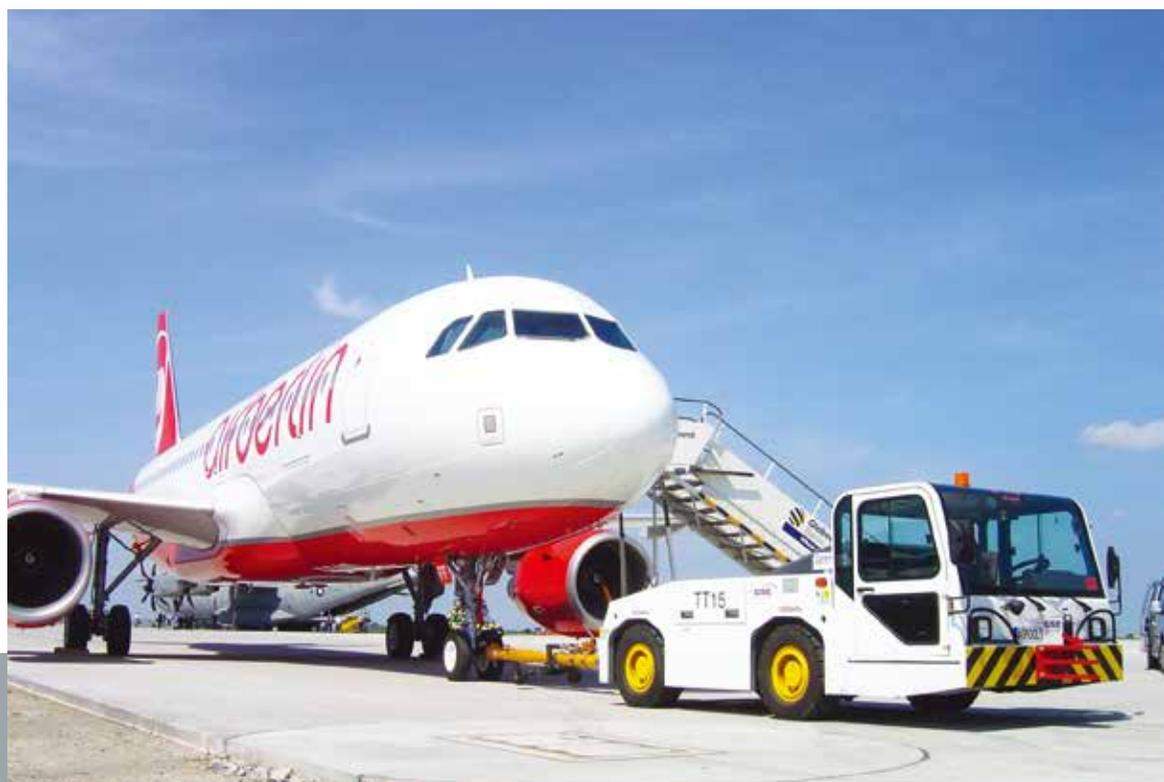
WGQY Series Aircraft Tow Tractor-WGQY15, WGQY27
Weihai Guangtai Airport Equipment Co., Ltd.

GSR6-27.5kV SF6 Free Gas-insulated Metal-enclosed Switchgear
Zhejiang Juhonkia Intelligent Electric Co., Ltd.

Industrial and Commercial Point-Type Gas Detector
Jinan Benan Technology Development Co., Ltd.
CLW5180TXSD6 Dongfeng Tianjin Washing and Sweeping Truck
ChengLi Special Automobile Co., Ltd.