India's Semiconductor Laboratory Gets ₹4,500 Crore Allocation in 2025, Aims to Boost Capacity a Hundredfold
en.Wedoany.com Reported - The modernization plan for India's Semi-Conductor Laboratory (SCL) will not upgrade its 180-nanometer chip manufacturing process, and the country's only operational chip fabrication plant will continue to serve strategic sectors such as defense and aerospace with mature process nodes.

SCL Director General Kamaljeet Singh said the facility is an integrated device manufacturer that takes chips from design through Technology Readiness Levels 1 to 9, advancing them to production standards, and completes the entire process of design, manufacturing, packaging, certification, and delivery within India. He emphasized that this capability is currently "possessed by no one" and is critical for national security applications, noting that India previously had to import equipment for such purposes.
Singh cited thermal imaging cameras as an example of the value of localization. Previously, India relied on imports for such equipment, facing severe shortages even for sensitive devices used in strategic sectors, with only two to three units purchasable at a time. SCL has the capability to localize such products.
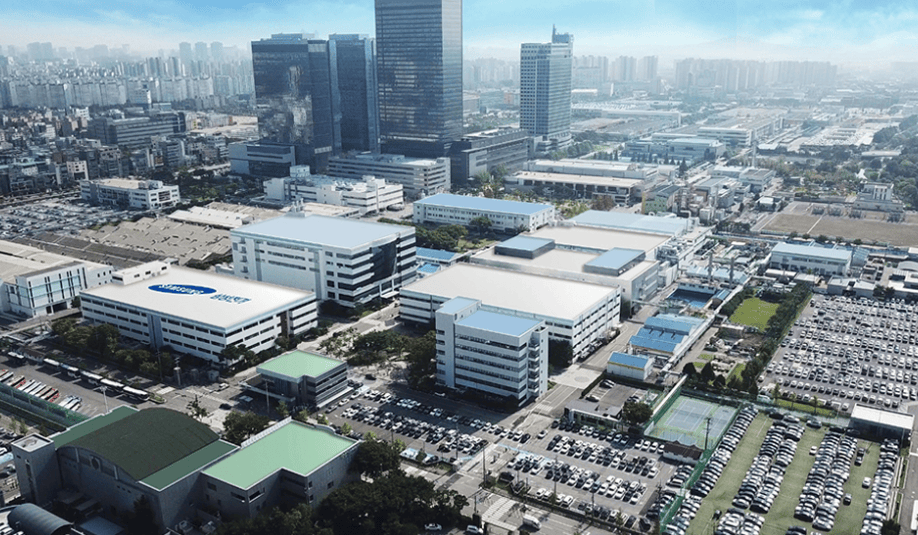
SCL, located in Mohali, received central government approval in 1976 and became operational in 1984. In November 2025, the India Semiconductor Mission under the Ministry of Electronics and Information Technology allocated ₹4,500 crore for a three-year modernization program focused on massively scaling up capacity, with the goal of increasing wafer production to 100 times current levels. On December 4, 2025, three companies—Tata Semiconductor Manufacturing, Cyient Semiconductor, and Applied Materials Singapore—were selected to modernize the facility.
The aforementioned allocation still requires approval from the Union Cabinet. India's Ministry of Finance has already earmarked ₹900 crore for the project in the 2026-27 fiscal year, but the modernization project cannot commence until cabinet approval is granted. Singh did not disclose a timeline for when the modernization would begin.
Regarding process nodes, Singh confirmed that SCL will not upgrade to manufacture more complex chips. Chip process nodes are measured in nanometers, with smaller numbers generally indicating higher technological sophistication: modern chips in smartphones are 2-nanometer, while SCL currently manufactures 180-nanometer chips. Singh stated that the 180-nanometer node "remains strategically significant," as many products and platforms in the automotive and consumer electronics industries are still based on this node. The more critical constraint is cost: introducing a 110-nanometer or 90-nanometer node would require replacing all machinery, switching wafer size from 8 inches to 12 inches, tripling the investment compared to the current plan, while completely abandoning the old process.
The modernization plan aims to accomplish as much work as possible at the lowest cost. The expansion will demolish the existing 6-inch wafer production facility and expand the 8-inch wafer production area to ensure the plant does not shut down and work proceeds in parallel. Singh said that if entirely new wafer sizes and process nodes were introduced, the SCL Mohali facility would need to close for at least three to four years.
Currently, SCL's chip production capacity is 600 wafer starts per month (WSPM), which refers to the number of pure silicon wafers a fab can process and convert into chips. For comparison, the world's largest chip foundry, Taiwan Semiconductor Manufacturing Co (TSMC), has a capacity of 1.4 million WSPM, while Tata Electronics' commercial chip foundry under construction in Dholera, Gujarat, plans a capacity of 50,000 WSPM. By output, SCL Mohali is a small facility until modernization and expansion are completed.
Singh also noted that in the long term, SCL's chip production facility could consider generating commercial revenue, depending on how the central government utilizes the expanded capacity. If strategic applications do not require the full capacity, the facility would also consider offering commercial services. He added that SCL commercially produced 10,000 chips last year, generating nominal revenue and demonstrating its capability in this regard.
Related Products

GYTA Type Non-Self-Supporting Aerial/Duct Optical Cable
TONGDING INTERCONNECTION INFORMATION CO., LTD.
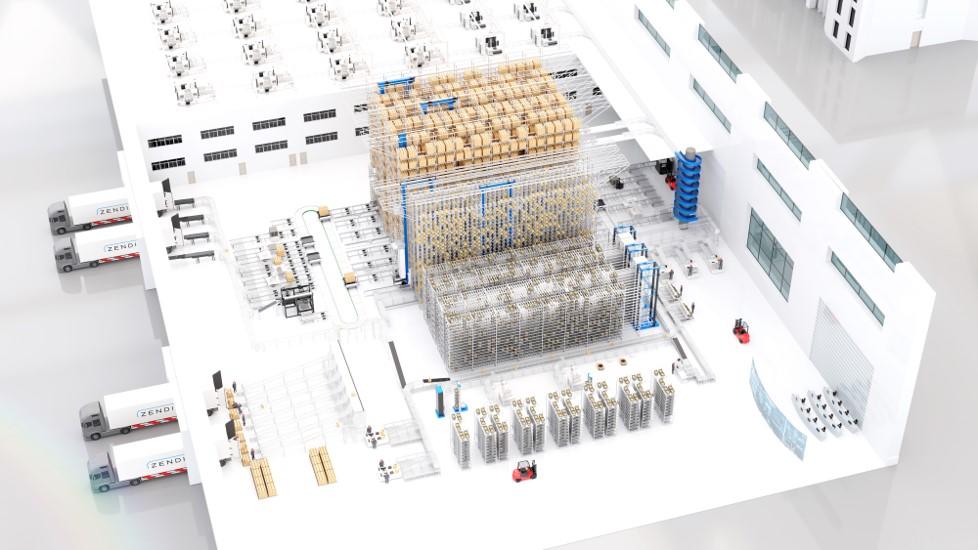
One-Stop Steward Service for the Entire Logistics System Integration Chain
Zhongding Intelligent (Wuxi) Technology Co., Ltd.
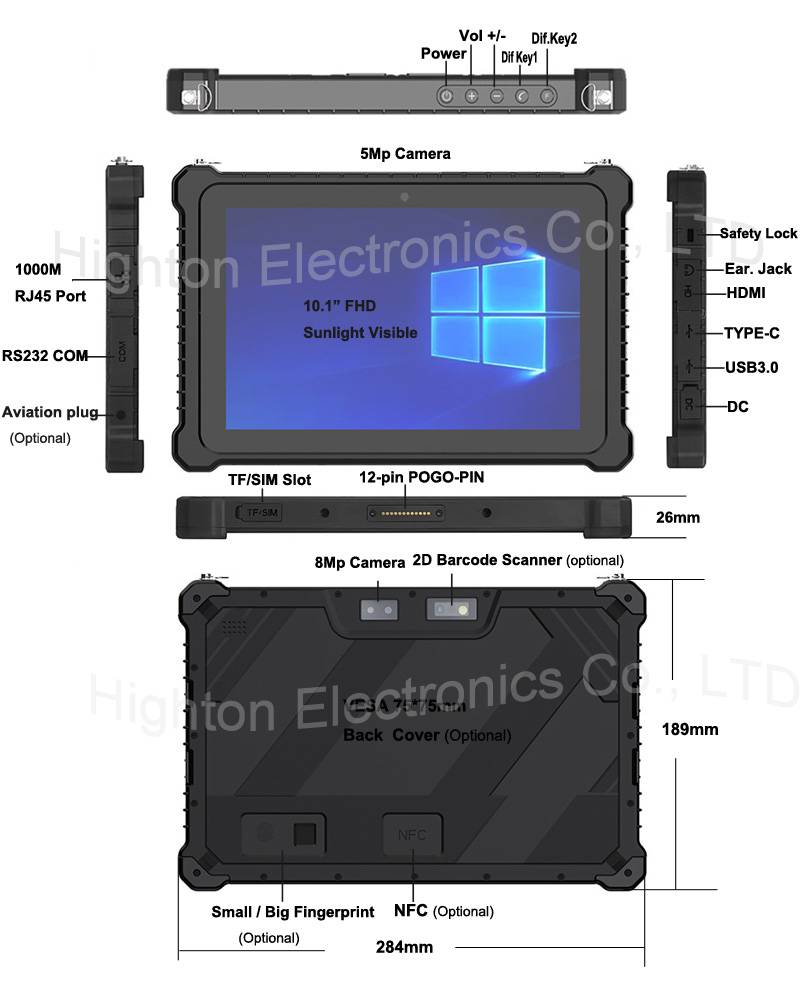
Hot Selling 10 Inch Intel N5100 I5 I7 FHD 8 +128GB 16+256GB Win10 Pro Win11 Pro 4G 5G Rugged Tablet PC Pad with NFC Barcode
Highton Electronics Co., Ltd.

Multi-function Marine Monitoring Low-altitude Detection Radar Sea-air Boundary Ocean Dynamic Environment Measurement
Chengdu Dixin Technology Co., Ltd.
Industrial and Commercial Point-Type Gas Detector
Jinan Benan Technology Development Co., Ltd.
TWP16 P-Band Tropospheric Wind Profile Radar
China Huayun Meteorological Technology Group Co., Ltd.
Automatic Aiming Laser Remote Obstacle Removal Robot
Pinggao Group Weihai High-Voltage Apparatus Co., Ltd.