U.S. Atlas Energy to Expand Driverless Truck Fleet to 100 by Mid-2027
en.Wedoany.com Reported - Atlas Energy Solutions will expand its driverless truck fleet, developed in partnership with Kodiak AI, from 28 vehicles at the end of March 2026 to 100 by mid-2027, with plans to begin public road operations in early 2027, subject to the achievement of regulatory and operational milestones.
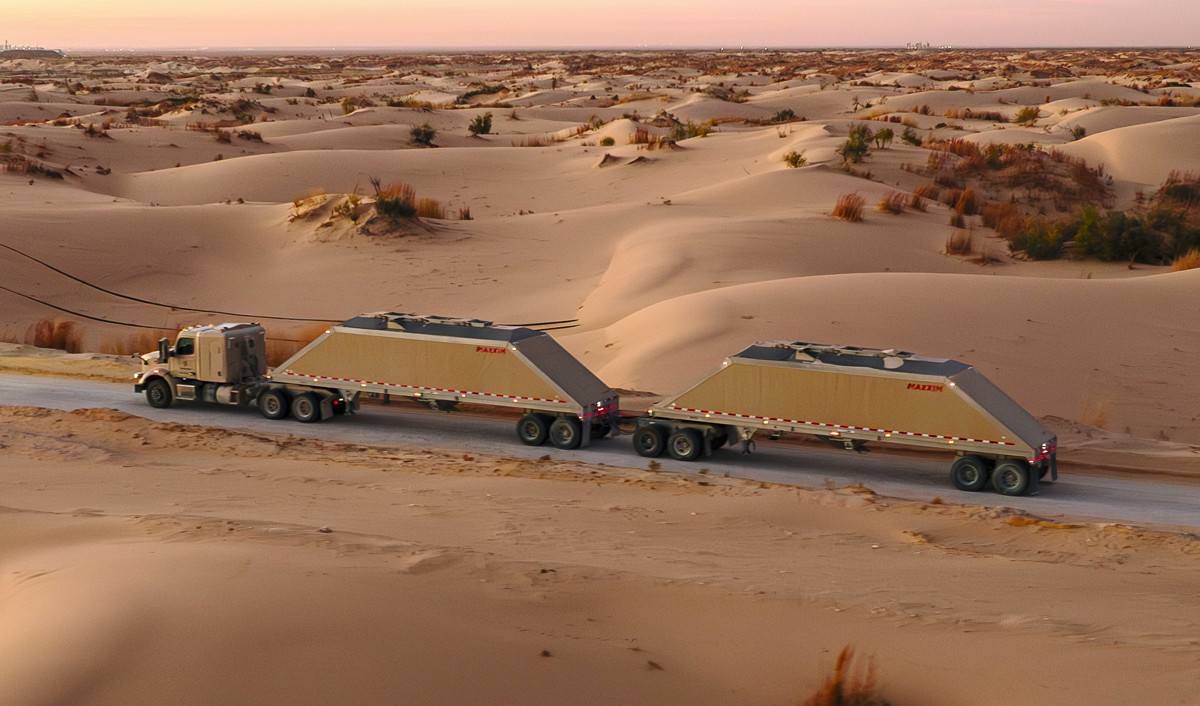
The fleet currently transports frac sand on private leased roads in the Permian Basin of West Texas, and the partners describe it as the world's largest fleet of driverless heavy-duty trucks in active service. Unlike most developers who choose to validate autonomous driving on interstate highways, this project centers on a controlled, repetitive, high-frequency industrial route where both the trucks and the roads are controlled by a single customer. Atlas CEO and President John Turner said the partnership with Kodiak is a key part of Atlas's strategy to transform oilfield sand logistics through innovation.
To support the fleet expansion, Atlas has added a second loading point along the Dune Express conveyor belt, approximately 90 minutes' drive from the original loading point, enabling it to serve well sites in both Texas and New Mexico. The Dune Express spans 42 miles, extending from the Kermit, West Texas mine to the Lea County, New Mexico state line, with an annual capacity of approximately 13 million tons of proppant and two permanent loading facilities with a combined capacity exceeding 84,000 tons. Atlas also operates 14 proppant production facilities in the Permian Basin, with a combined annual capacity of approximately 29 million tons, along with roughly 120 custom trailers and a patented drop-depot process.
Since its launch in 2024, the fleet has completed approximately 7,000 trips across 15 routes, delivering more than 450,000 tons of sand; cumulative driverless operations surpassed 23,500 hours in the first quarter of 2026, and a single-day record of 176 trips was set on July 20, 2026. In early 2026, the partners also launched autonomous triple-trailer operations, with combined loaded weights exceeding 135 tons.
A single high-intensity well can consume 5,000 to 10,000 tons or more of proppant, and a single large completion operation may require hundreds of truck trips within a few days. Industry survey data shows that short-haul haulage rates in the Permian Basin for 30-mile routes approach $18 per mile, and with a persistent shortage of qualified drivers, around-the-clock driverless capacity directly addresses this labor constraint.
Kodiak was founded by Don Burnette in 2018 and completed a business combination with Ares Acquisition Corporation II in September 2025, listing on Nasdaq at a valuation of approximately $2.5 billion under the ticker symbol KDK, followed by a $100 million private placement in May 2026. The company reported an operating loss of $37.9 million on revenue of $1.8 million in the first quarter of 2026, with revenue growing 74% quarter over quarter.
Competitor Aurora Innovation has chosen to launch commercial driverless services on Texas interstate highways, planning to operate approximately 200 trucks by the end of 2026, with 2026 revenue guidance of $14 million to $16 million, and has already established a presence in frac sand haulage through Detmar Logistics. Atlas and Kodiak, by contrast, are first proving viability at industrial density on controlled sites before moving to public roads. This model can serve as a reference for other heavy-duty logistics scenarios—such as aggregate haulage, mine-to-plant transport, and port shuttle services—where a single operator controls both the roads and the demand.
Related Products


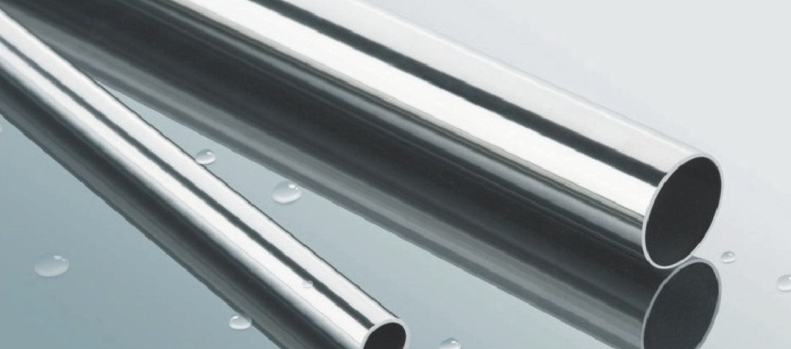
ERW Welded Pipe (Black Pipe and Hot-dip Galvanized Steel Pipe)
Handan Zhengda Steel Pipe Co., Ltd.
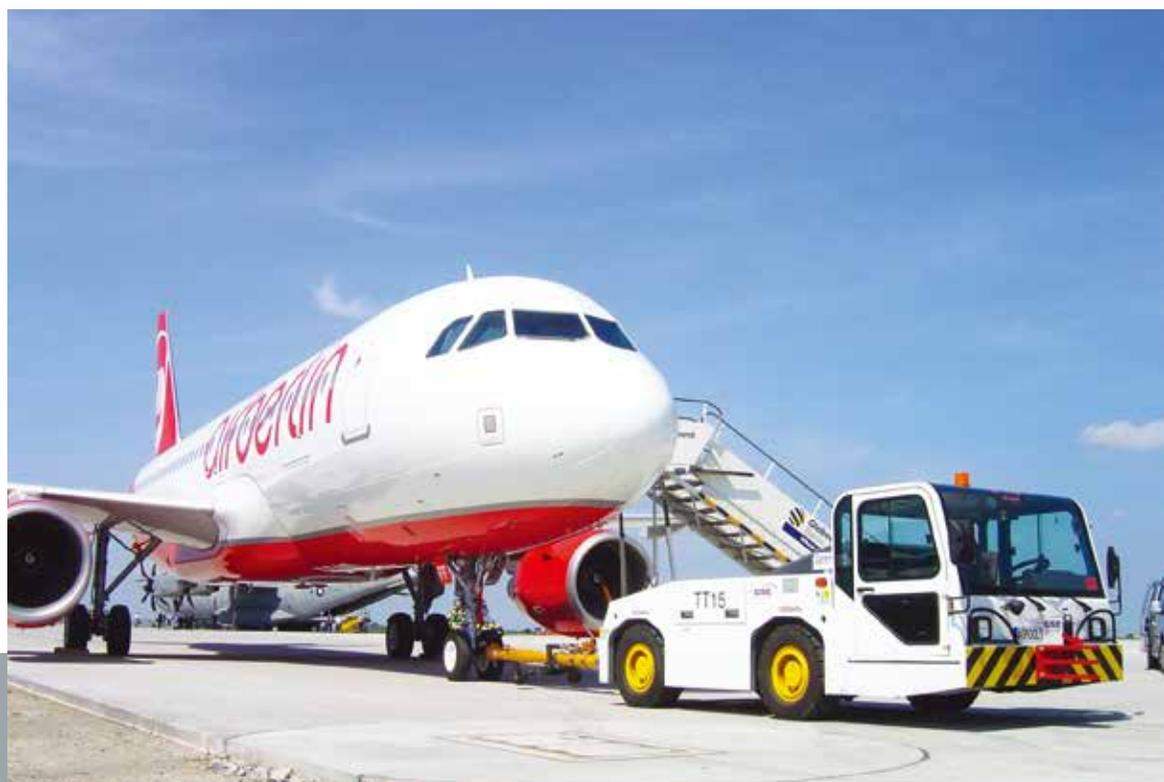
WGQY Series Aircraft Tow Tractor-WGQY15, WGQY27
Weihai Guangtai Airport Equipment Co., Ltd.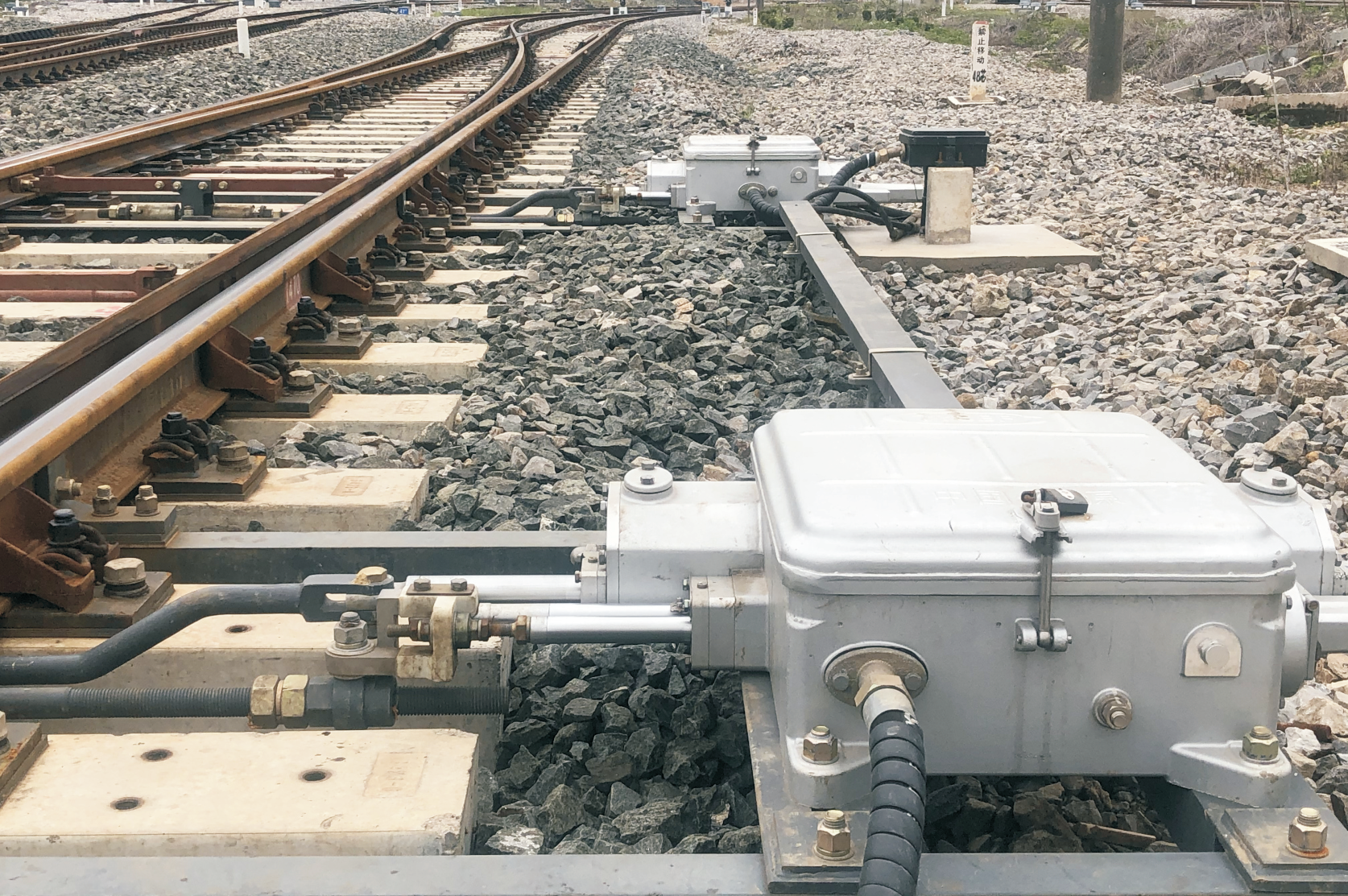
ZY(J)7(M) Sealed Type Electro-Hydraulic Turnout Machine
TAIYUAN CR JINGFENG EQUIPMENT TECHNOLOGY CO., LTD.
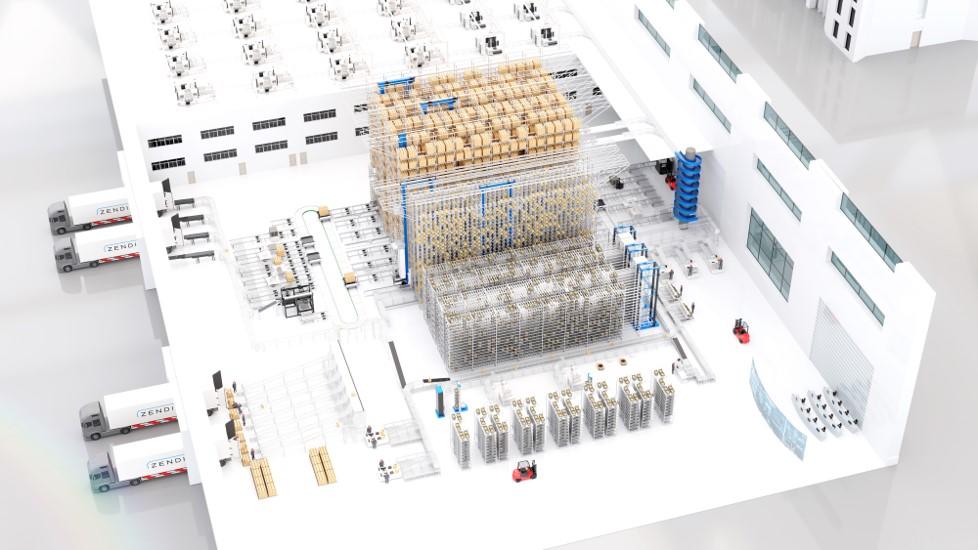
One-Stop Steward Service for the Entire Logistics System Integration Chain
Zhongding Intelligent (Wuxi) Technology Co., Ltd.
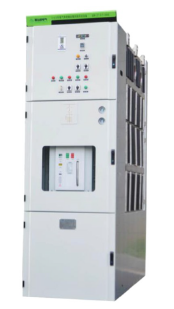
GSR6-27.5kV SF6 Free Gas-insulated Metal-enclosed Switchgear
Zhejiang Juhonkia Intelligent Electric Co., Ltd.