Peru's Cerro Lindo Mine Becomes the Country's First to Adopt Block Caving Method
en.Wedoany.com Reported - Nexa Resources has announced that its Cerro Lindo mine in Chincha (Ica region), Peru, has become the country's first operation to employ the Block Caving method for extraction. This large-scale underground mining technique, combined with remote operation of scoop trams (equipment used for loading and transporting ore), marks a significant shift in underground mining practices for Peru's mining industry.
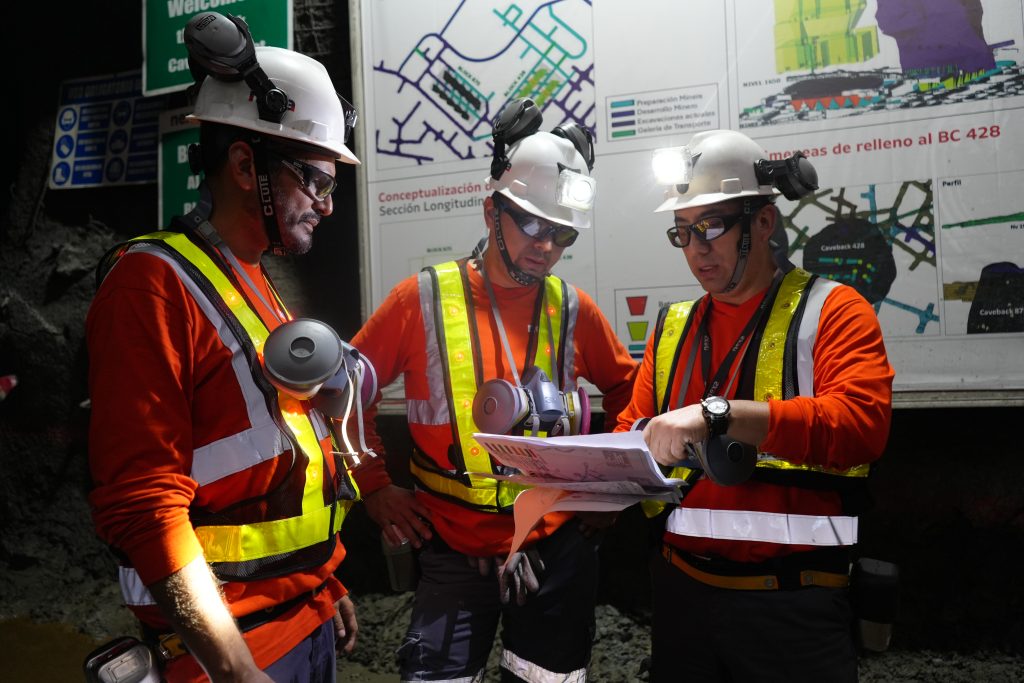
James Atalaya, General Manager of the Cerro Lindo mine, stated that the implementation of this technology holds great significance for both Nexa and Peru's mining sector. He noted that applying Block Caving at Cerro Lindo entails building capabilities in engineering, geomechanics, geotechnical instrumentation, microseismic monitoring, and operational management, while also enhancing employees' knowledge and leadership in operating this method to high safety and efficiency standards. He described this move as proof that Peru's mining industry can operate to globally advanced industry standards.
The extraction principle of Block Caving differs from conventional underground mining. Rather than extracting ore through continuous drilling and blasting, it involves excavating the base over a large area and leveraging gravity and the natural pressure of the rock to cause the ore block to fracture and descend in a controlled manner, like sand in an hourglass, into collection points located at lower levels.
The standout advantage of this method lies in improved personnel safety. Historically, this method has a lower accident and injury rate compared to other mining systems. At Cerro Lindo, equipment automation and remote operation further reinforce this advantage, combined with real-time monitoring and geotechnical instrumentation systems, minimizing personnel exposure in production and caving zones.
The method also offers environmental performance benefits. Since it is conducted entirely underground, it avoids the significant visual and land footprint characteristic of open-pit mining systems. As an inherent feature of the method, the controlled caving process substantially reduces explosive and energy consumption compared to conventional mining approaches, and because it primarily operates under dry conditions, its water demand is also significantly lower.
The introduction of this technology at Cerro Lindo aims to achieve continuous ore extraction and improve operational cost efficiency relative to the current Sublevel Stoping method, thereby enhancing the competitiveness of the mine's operations. Additionally, Block Caving enables access to deeper zones of the ore body—areas with lower grades but vast volumes that traditional methods cannot effectively exploit. This provides the conditions for incorporating new ore into the mine plan and extending operational life, contributing to its long-term sustainability.
The project's greatest challenge lies in the geomechanical aspect, namely understanding, modeling, and monitoring rock behavior under high-stress conditions. To this end, Nexa has deployed high-level geotechnical monitoring instrumentation for real-time oversight of the controlled caving process and has secured support from strategic partners specializing in engineering, geomechanics, and monitoring.
Related Products
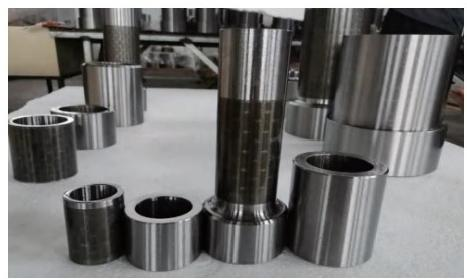

High-temperature Equal Wall Thickness High-power Screw Drilling Tool
Orient Energy & Technologies Co., Ltd.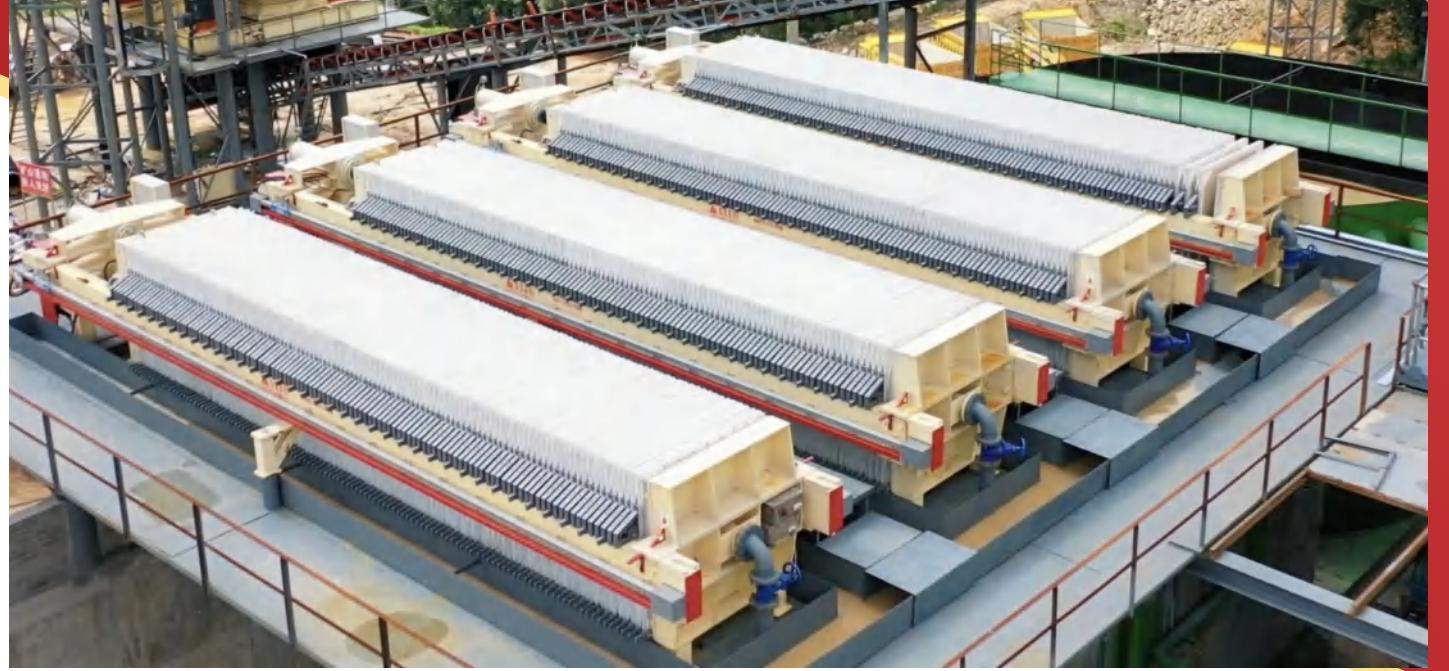
Hydraulic Plate and Frame Filter Press
Guangdong Leimeng Intelligent Equipment Group Co., Ltd.
Core Technologies of the Mining Technology and Equipment Business Unit: Efficient Mining Methods and Processes
CHANGSHA INSTITUTE OF MINING RESEARCH CO., LTD.
Integrated Excavation and Anchoring Machine (EJM Series)
China Railway Construction Heavy Industry Corporation Limited

Mine Explosion-proof and Intrinsically Safe Industrial Ethernet Ring Network (10 Gigabit/Gigabit)
Chongqing Mas Sci&Tech Co., Ltd.

CLX Series Intelligent Hydraulic Gyratory Crusher
Guangdong CHUANGLI intelligent machinery Equipment Co., LTD