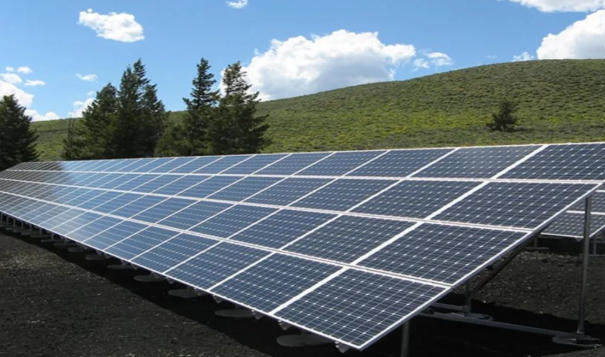
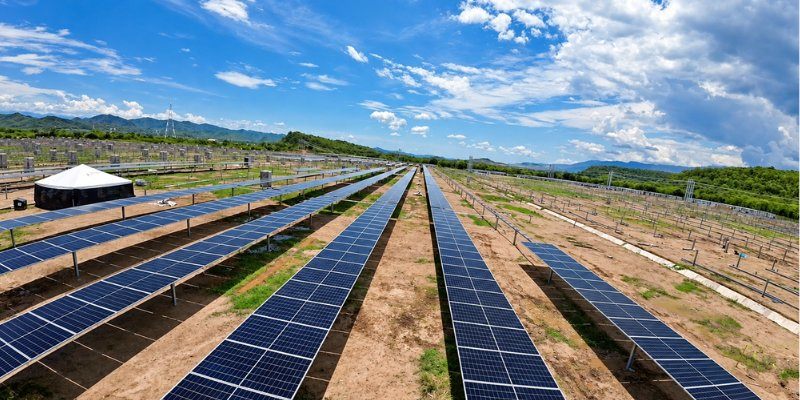
In July, solar power became the dominant source of electricity supply in Portugal for the first time.
en.Wedoany.com Reported - In July, solar power became the dominant source of electricity supply in Portugal's national power system for the first time. This data comes from the monthly statistics of REN, the Portuguese national energy network company.

During the month, renewable energy guaranteed 53% of Portugal's electricity consumption, with solar accounting for 19%, hydropower for 16%, wind power for 13%, and biomass for 5%. In terms of generation indices, solar stood at 0.89, hydropower at 1.26, and wind power at 0.71.
Non-renewable energy supplied 13% of consumption, while the remaining 34% came from imported electricity. Electricity consumption in July continued the growth trend seen since the beginning of the year, rising 3% year-on-year.
In the natural gas market, consumption in July fell 7.3% year-on-year, with the power generation sector contracting by 20% and other conventional sectors posting a marginal year-on-year increase of 0.1%. During the month, the Sines LNG terminal fully guaranteed supply to the national system, with approximately two-thirds of imported natural gas coming from Nigeria and the remainder from the United States.
By the end of July, renewable energy had cumulatively guaranteed 68% of Portugal's electricity consumption, with hydropower accounting for 27%, wind power for 24%, solar PV for 12%, and biomass for 5%. Natural gas-fired generation supplied 14% of consumption, with the remaining 18% covered by imported electricity. From January to July, the hydropower generation index was 1.19, the wind power generation index was 1.00, and the solar generation index was 0.83. Cumulative electricity consumption over the same period rose 3.5% year-on-year.
Over the first seven months, cumulative natural gas consumption increased 4.1% year-on-year, with conventional sectors growing 0.3% and the power generation sector growing 14%. Nigeria and the United States remained the main sources of Portugal's natural gas consumption, accounting for 53% and 33% of total supply, respectively.
Related Products
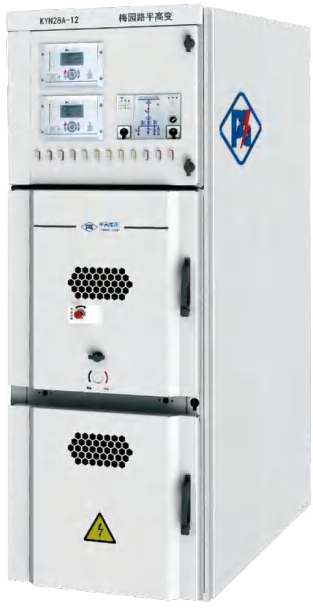

KYN28A-12 Metal Armored Removable Switchgear
Tianjin Ping Gao Intelligent Electric Co., Ltd.
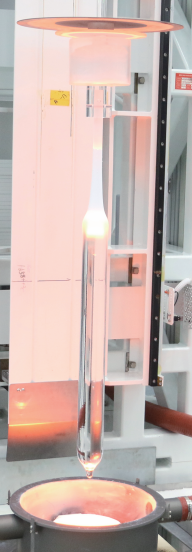
G.652.D Wavelength-extended Non-dispersion Shifted Single-mode Optical Fiber
HONGAN GROUP CO., LTD.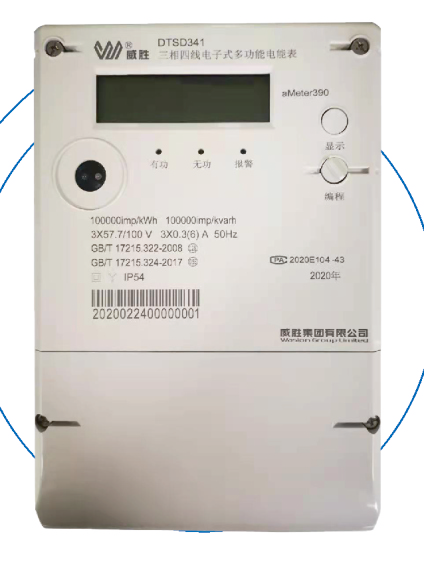
Overseas IEC Gateway Energy Meter - DTSD341/DSSD331-aMeter390
Wasion Group Limited Co., Ltd.
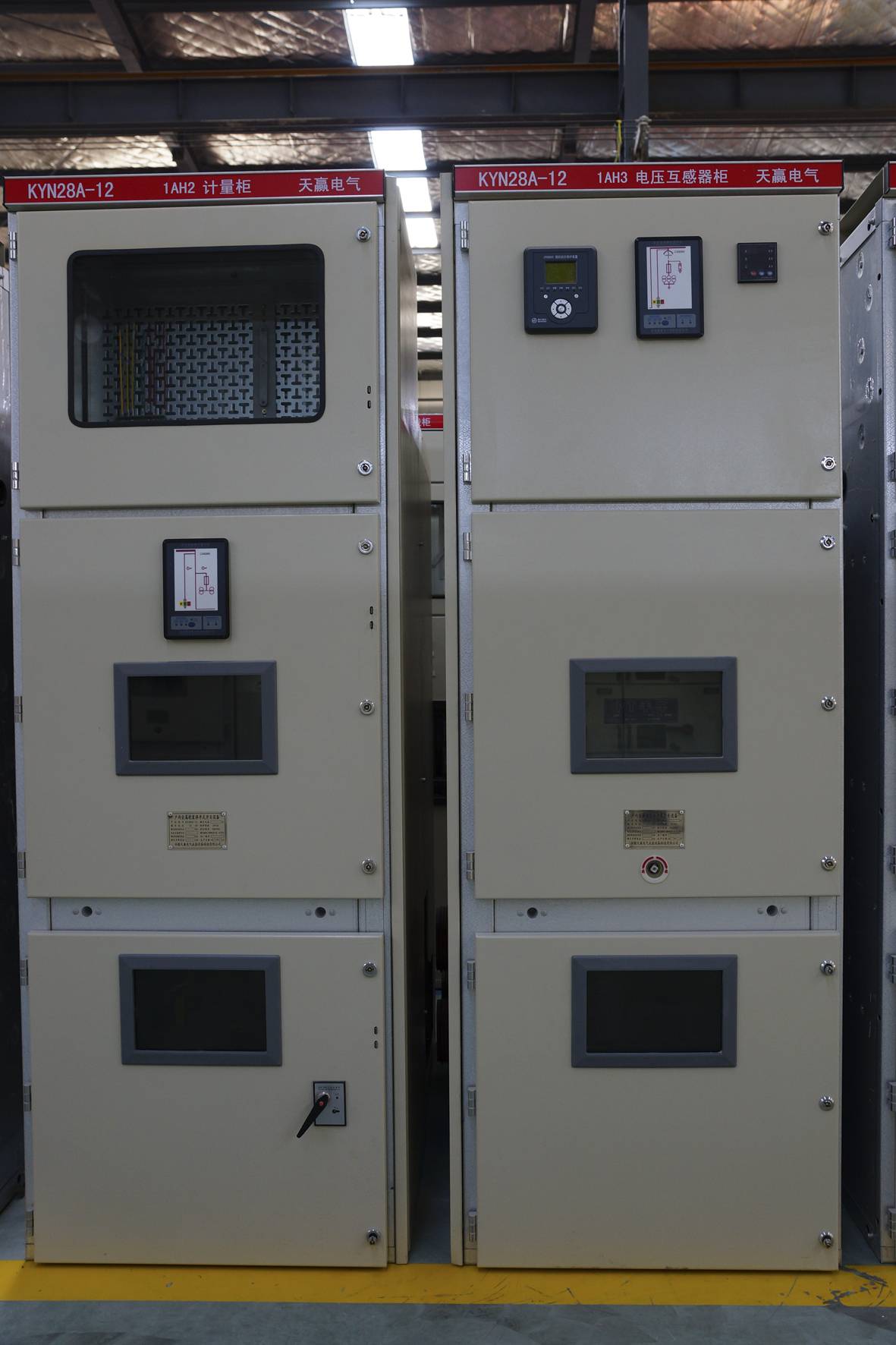
KYN28 - High Voltage Switchgear
Anhui Tianying Electrical Equipment Manufacturing Co., Ltd.
CAP1400 main feedwater flow nozzle flowmeter.
Jiangsu Hongda Instrument Technology Co., LTD.
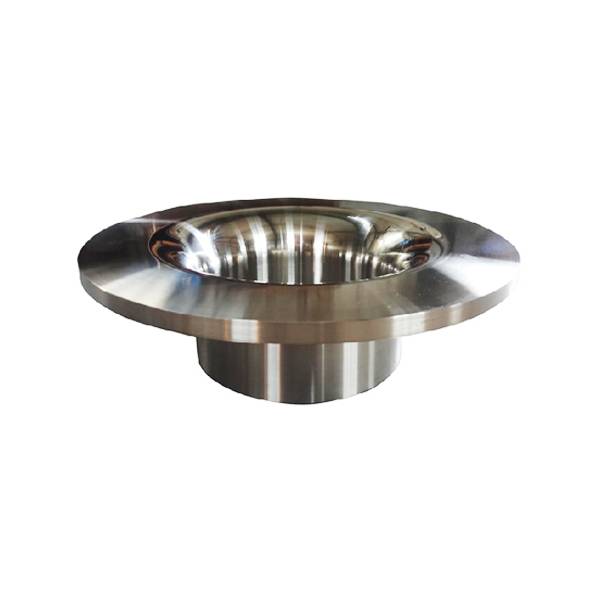
Standard Nozzle Flowmeter
Jinggong Automatic Control Instrument Complete Technology Development Company