1.145 MWh storage added at Port of Brisbane, Australia, to optimize solar self-consumption
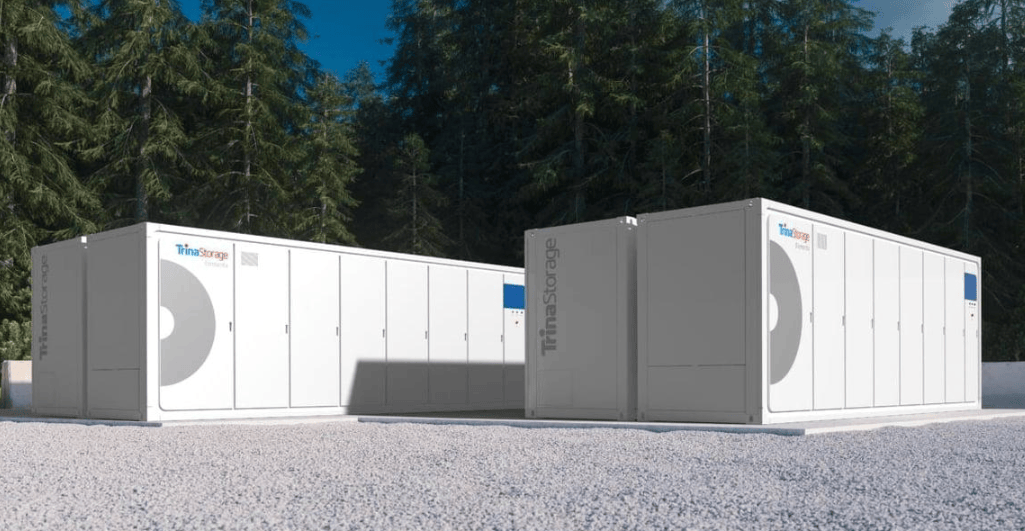
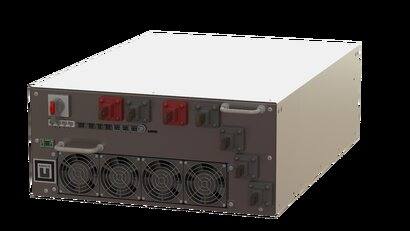
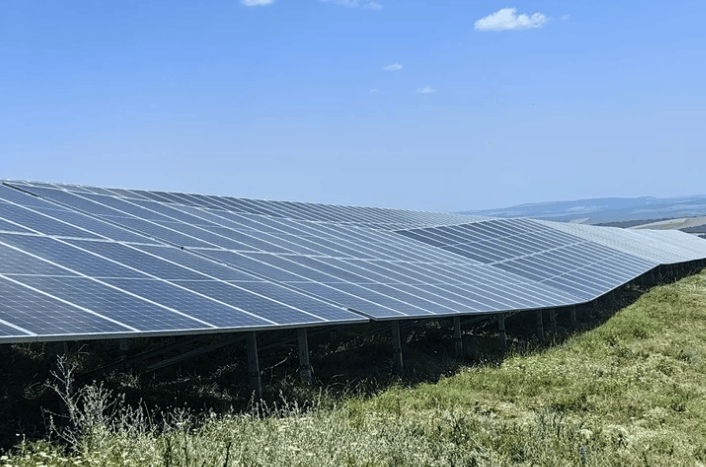
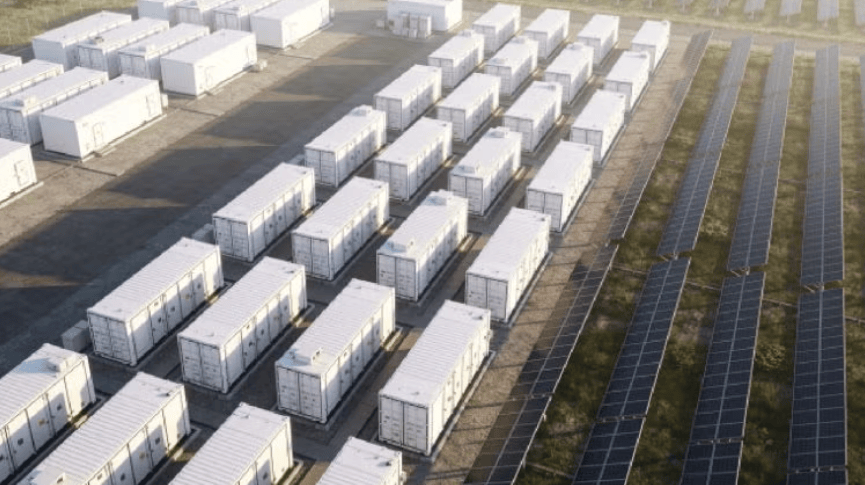
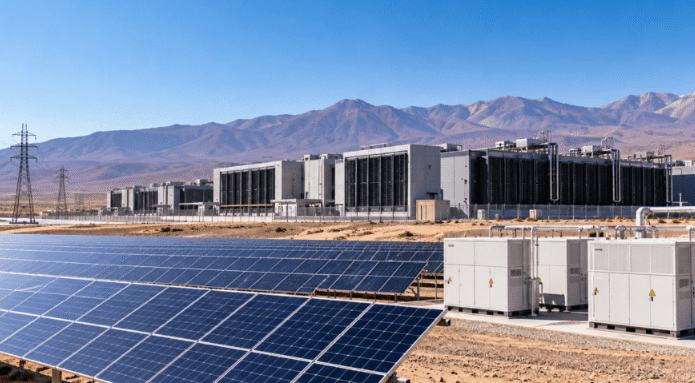
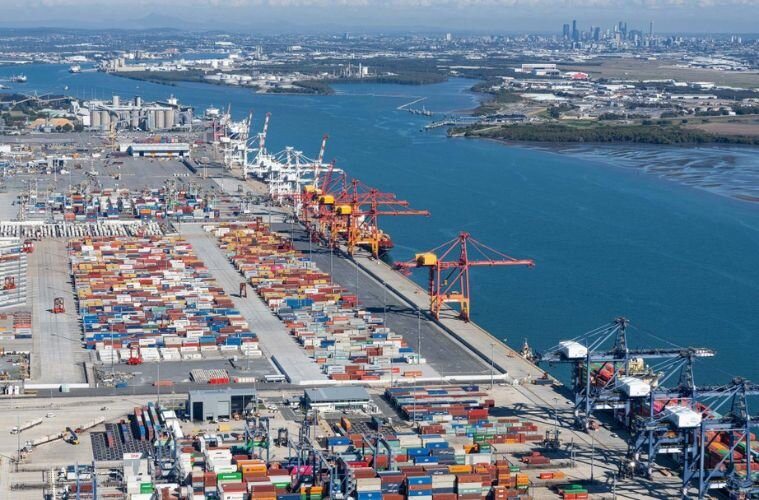
en.Wedoany.com Reported - The Port of Brisbane has added 240 kW of rooftop solar and 1,145 kWh of battery storage to its international cruise terminal, bringing the terminal's total on-site solar capacity to over 1 MW. The upgrade reduces the terminal's grid electricity purchases, but the key question lies in the operating logic of the battery once it goes live.
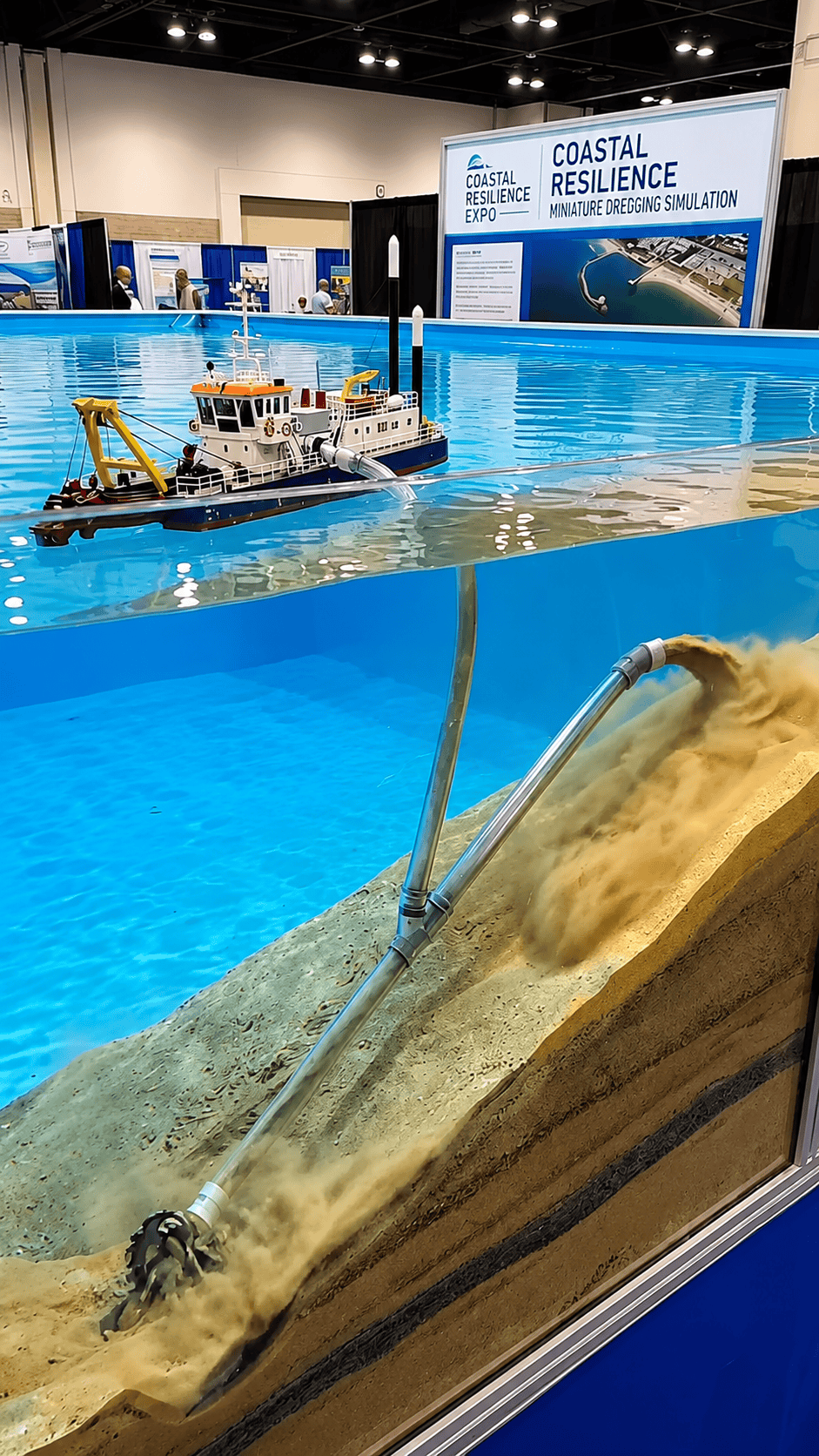
According to the port's announcement, the battery was installed in partnership with Hydro Tasmania, with part of the project funded by a A$168,396 grant from the Australian Renewable Energy Agency (ARENA) under its Community Batteries program. The system will not sit idle as backup power; instead, it will test whether stored solar energy can be shifted to the terminal's peak electricity demand periods, reducing grid draw and increasing the value of self-generated power.
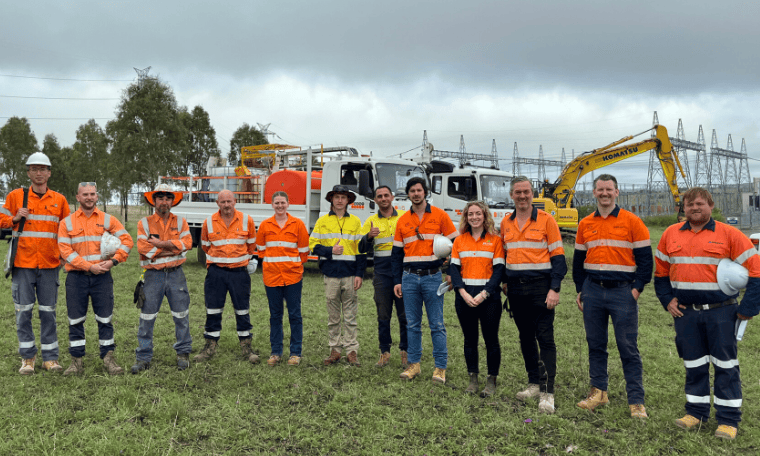
The Brisbane terminal battery is one of 39 units Hydro Tasmania is deploying across Queensland, New South Wales, Victoria, and South Australia through its retail arm, Momentum Energy. ARENA has committed over A$7.7 million to the program, with a total project cost of approximately A$22 million. Each battery is connected to the company's virtual power plant, allowing stored electricity to be traded into the wholesale and frequency control markets of the National Electricity Market. Two identical systems have already been installed at a sports club training facility in Brisbane, where they cut peak demand by half during televised matches.
This structure gives the battery a dual role for the port: reducing the port's own electricity bills while adding a coordinated node to the battery network—one that grid operators can call upon when the grid is under stress. Although the battery hardware is now a standard product, many small utilities are still exploring the dispatch systems needed to build such projects.
The terminal handles approximately 150 cruise ship calls per year, each bringing a surge in electricity demand that often does not align with rooftop solar generation peaks. The peaks in passenger processing, baggage handling, and terminal operations all fall outside solar irradiation peaks. Storing daytime solar energy and releasing it during these demand peaks allows the terminal to reduce grid reliance during periods when demand—and typically prices—are highest.
Port of Brisbane Pty Ltd (PBPL) positions the project as a modest trial, aiming to confirm whether battery storage can become a standard application before considering similar installations elsewhere in its industrial estate. The project also reflects a shift in how ports and industrial operators approach energy spending: while early investment focused on rooftop solar, the more common next step is pairing generation with storage so facilities use their own power rather than exporting surplus for small feed-in credits. Other newly financed solar-plus-storage projects in the region similarly bundle generation and storage into a single asset.
The Port of Brisbane states it achieved net zero Scope 1 and Scope 2 greenhouse gas emissions in fiscal year 2024 through offsets, and maintains this status while increasing on-site renewable capacity under its "Vision 2060" strategy. Virtual power plants are becoming larger and more tightly coordinated, and facility availability now ranks alongside grid connection in site planning. Projects like this show that these investments are judged not only by how much clean electricity they generate, but also by whether they help the grid absorb load demands it cannot handle on its own.
Related Products

TYC Series High-Efficiency Permanent Magnet Synchronous Motor
Xiangdian Smart Energy Technology Co., Ltd.
6kV-35kV Medium and High Voltage Direct-Connected Energy Storage System
Hainan Jinpan Smart Technology Co., Ltd.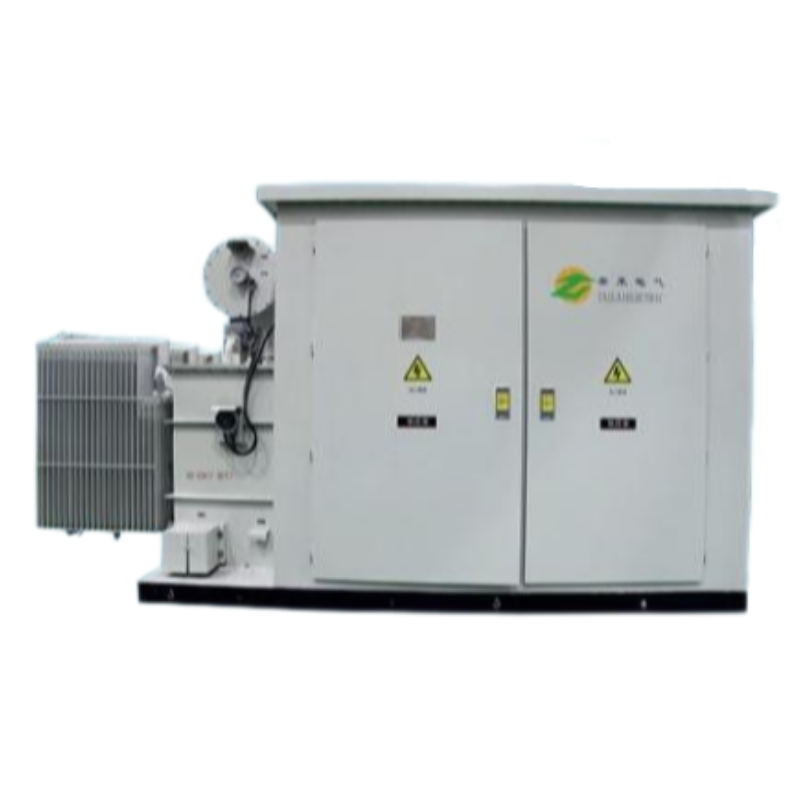
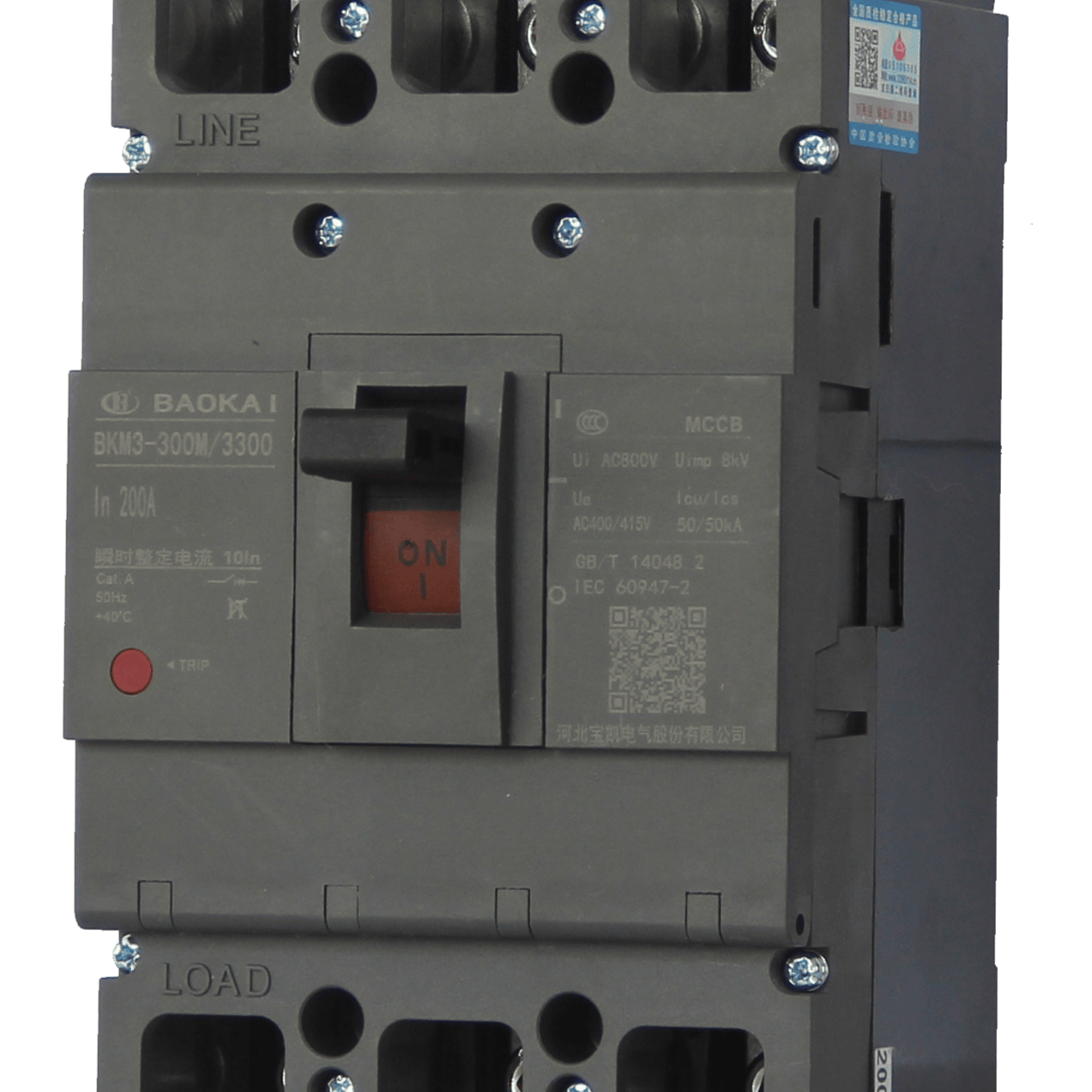
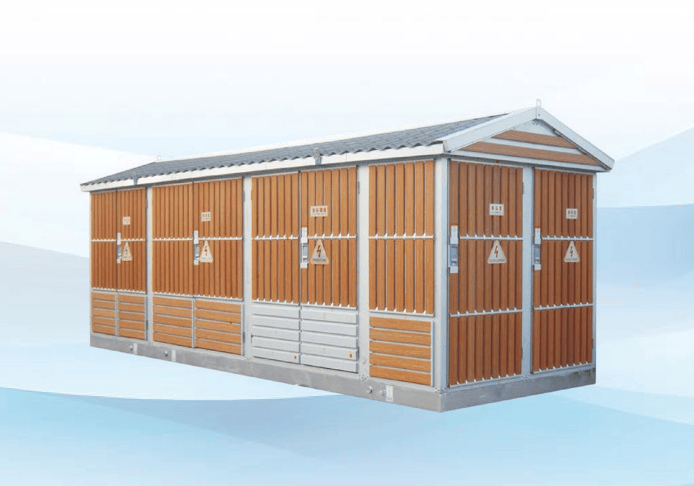
YB □ -12/0.4/1250 Outdoor Prefabricated Substation (European Style)
Shangrao Shangyu Intelligent Electric Co., Ltd.