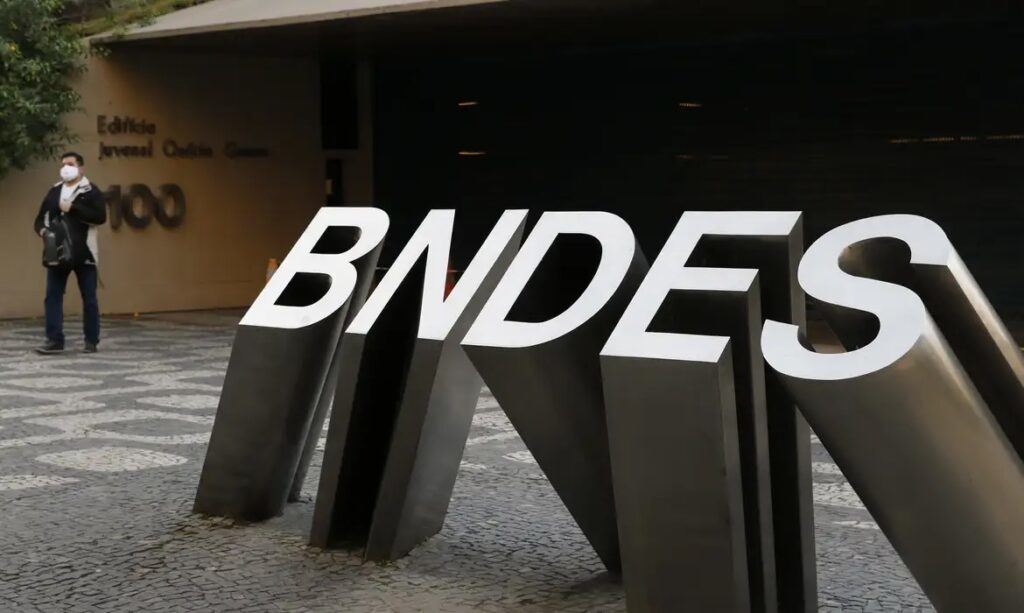
Brazil's BNDES Designs Specialized Financing for Railway Projects, Plans to Adapt Highway Model
en.Wedoany.com Reported - The Brazilian Development Bank (BNDES) is designing a specialized credit line for railway projects in the government's project portfolio, which will adopt all financing instruments already used in the highway sector, including the guarantee component, but with adjustments tailored to the characteristics of railway projects. Felipe Borim, BNDES's Infrastructure Director, told Agência iNFRA that railway projects—especially greenfield ones—have long construction periods and generate no revenue before completion, which requires targeted adjustments to the financing design. The extent of these adjustments will depend on factors such as client profile, project perception, capital expenditure scale, and construction risk mitigation measures. Borim stated that the bank is also evaluating the possibility of introducing a mechanism to on-lend dollar-denominated funds from multilateral banks into such financing to reduce project costs—for example, railways transporting ore or grain have revenues linked to the dollar, which naturally provides a hedging attribute.
The credit line has a 40-year financing term and is being developed by BNDES in coordination with the government. The government is advancing a portfolio of railway auction projects and has recognized that the massive capital required for railway construction is undermining project attractiveness. The product was announced by the development bank last month, when the Ministry of Transport held an event in São Paulo to explain the modeling proposals for future concessions. The market still has questions about the financing format, with particular concerns that high loan guarantee costs could make credit unattainable.
In the highway sector, BNDES has established itself as a financing reference, with concessionaires using non-recourse project finance loan models backed by the project's own cash flow. Since tolls are typically collected at the start of the concession or shortly after construction, this model is more easily applied to highways. The railway sector differs, as it can take years from building the infrastructure to generating revenue from subsequent operations. Borim emphasized that even in the highway sector, financing is designed on a project-by-project basis—the same highway project can be structured as non-recourse or require more guarantees depending on the corporate capital contribution and EPC (engineering, procurement, and construction) capabilities. Railways face greater challenges, naturally generating a greater need for guarantees, but there are ways to address this.
One alternative is the take-or-pay mechanism, which enables future operators to secure stable revenue assurances from future network users. The specific way financing works in practice will depend on the progress of the new railway project portfolio, and this solution applies only to new government auction projects. The first project expected to adopt this model is EF-118, a railway concession connecting the states of Espírito Santo and Rio de Janeiro, where the viability gap will be covered by a R$4.1 billion contribution from existing railway concessionaires. The project has an estimated total investment of R$4.6 billion and is expected to begin operations in 2035.
Meanwhile, the government is developing a guarantee mechanism with the Sustainable Regional Infrastructure Development Fund (FDIRS). A guarantee scheme for public contributions to railway projects has already advanced and reached consensus within the government, though it remains contingent on budget availability. Under this model, the Ministry of Transport would use budget resources to purchase shares in the fund, which is privately managed; the fund would then be responsible for entering into swap contracts with multilateral banks and leveraging the resources. This mechanism could also be extended to the private sector, serving as a guarantee for concessionaires in loans to support railway construction, but limited to concessions of significant strategic importance to the country. Since the government would, to some extent, become a partner in private-sector guarantees, such operations would require special legislative or sub-legislative authorization, and related analyses are underway. These plans are based on the policy approved by FDIRS last year for risk coverage through guarantee instruments, which already allows the fund to participate in guarantees to cover credit risk in financing operations, including through public contributions and other means.
Related Products



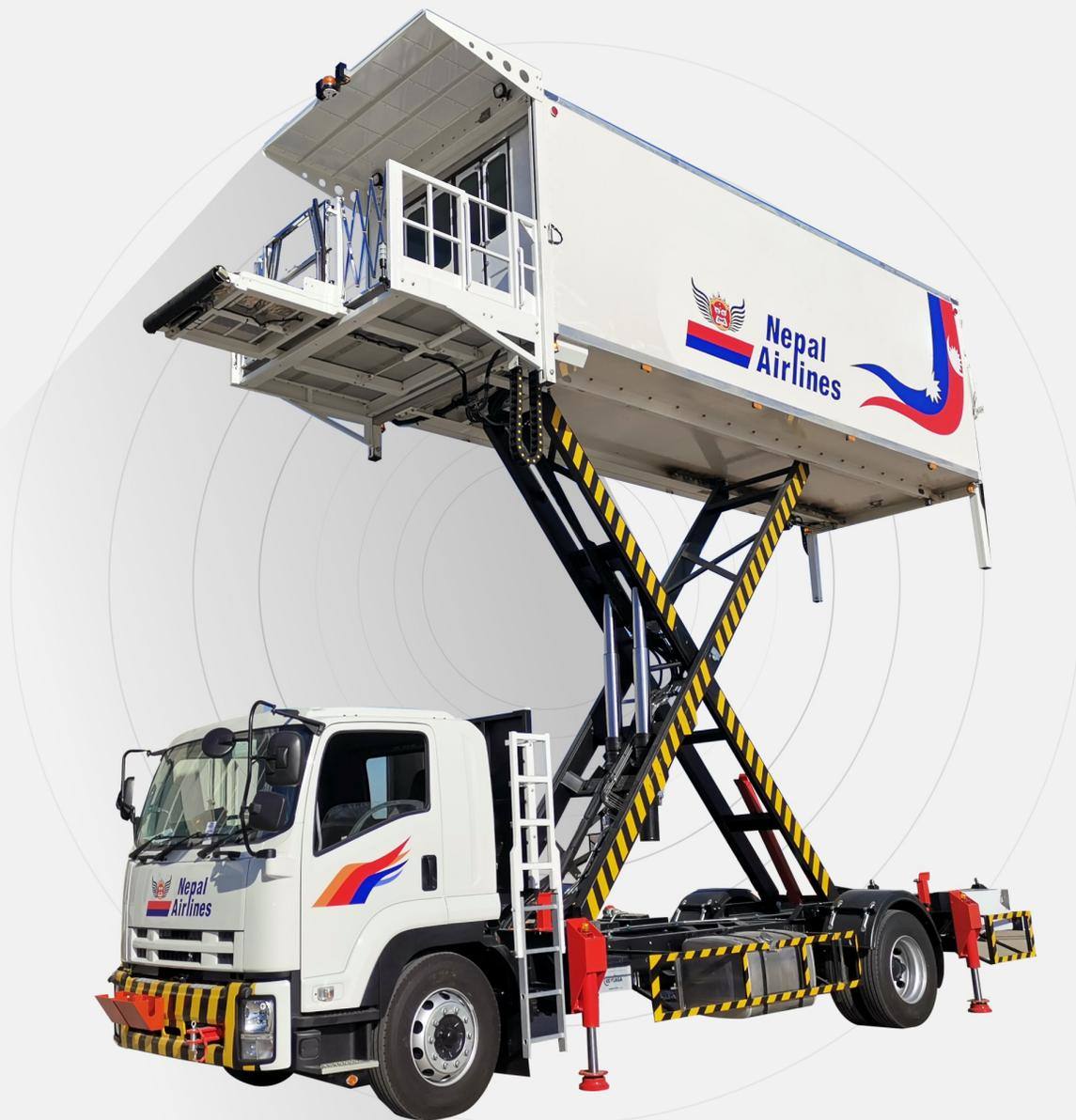
XC-6000e Type Aviation Catering Truck (Fuel Type)
Shenzhen CIMC-TianDa Airport Support Ltd.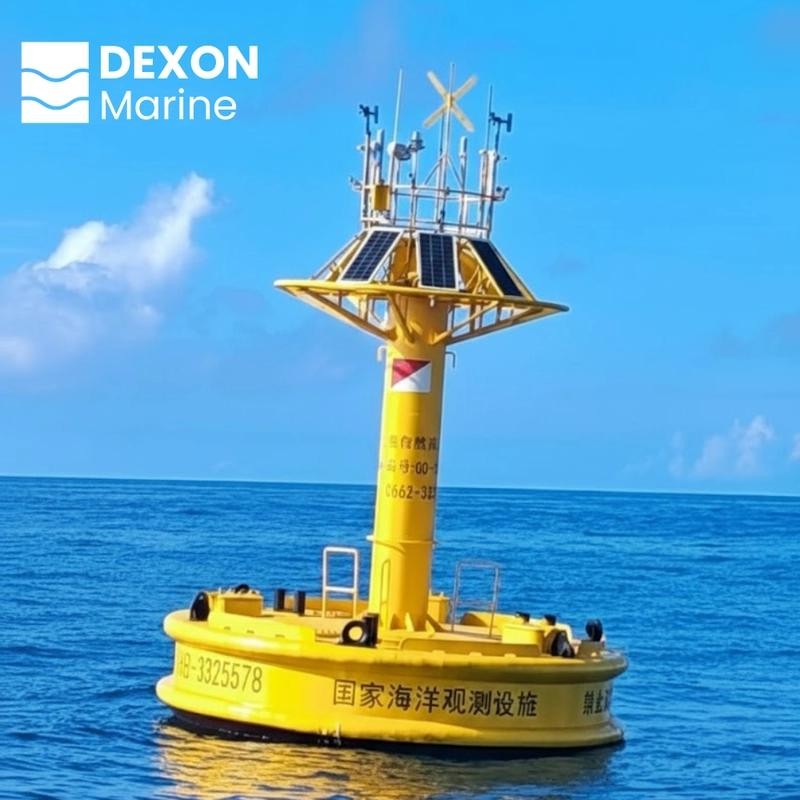
3m intelligent buoy combining navigation safety and real-time marine monitoring integrated navigation and marine monitoring system for real-time maritime data
Chengdu Dixin Technology Co., Ltd.

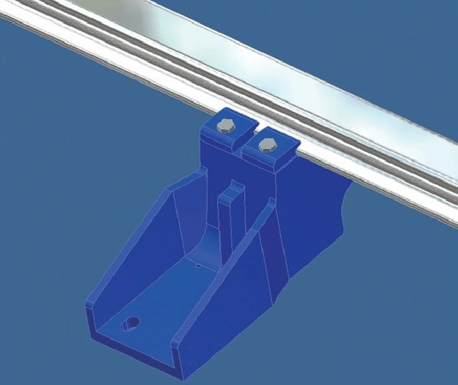

Industrial and Commercial Point-Type Gas Detector
Jinan Benan Technology Development Co., Ltd.