U.S. Tidewater Reports Q2 2026 Revenue of $342.3 Million
en.Wedoany.com Reported - Tidewater Inc. (NYSE: TDW) announced its second-quarter 2026 results, with President and CEO Quintin Kneen stating that the quarter's performance "far exceeded our expectations, driven by better-than-expected revenue and lower-than-expected operating expenses." The Houston-based offshore services company reported second-quarter revenue of $342.3 million, up 4.9% from the first quarter of 2026.

On day rates, the company's average day rate was $22,938 per day, an increase of $655 per day, or 2.9%, compared to the first quarter of 2026; the weighted average leading day rate reached $24,341, up 7.5% sequentially. Kneen noted this was the largest absolute sequential day rate improvement since the third quarter of 2024, driven primarily by the company's largest PSV vessel class, with multiple regional segments showing day rate momentum. New term contract day rate momentum accelerated compared to the first quarter, with weighted average term contract rates increasing approximately 7.5% sequentially, or about $1,690 per day, to $24,341. Net income for the quarter was $21.7 million, with adjusted EBITDA of $133.8 million; net cash provided by operating activities was $67.0 million, and free cash flow was $64.4 million. Gross margin was 46.9%, down slightly from the first quarter, related to costs associated with the Middle East conflict.
Addressing the impact of the Middle East situation, Kneen stated that Operation Epic Fury was launched in the Middle East during the first quarter, and to date the company has not experienced significant operational disruptions in the region, with the second quarter actually delivering its highest utilization and day rates in recent periods. On costs, quarterly costs came in below expectations but remained elevated compared to pre-conflict levels. The company has submitted its first batch of invoices for costs directly related to the conflict and has received some reimbursements, with expectations of continued additional reimbursements for related direct costs. Additionally, the company has adjusted its compensation structure to minimize the impact of conflict-related wage increases.
Regarding the WSUT (Wilson Sons Ultra Tug) acquisition, Tidewater recently updated the market on the expected closing timeline, now anticipating the transaction to close around September 1, 2026. Integration efforts are already underway, and the company plans to quickly integrate the company into the Tidewater platform, following the approach and pace used in prior acquisitions.
On the market outlook, Kneen believes volatility and uncertainty remain dominant themes in the global energy landscape, but the long-term outlook for offshore activity remains constructive. Customer communications indicate a broad recovery in offshore activity heading into this year and into 2027, with a notable acceleration in the pace of tenders for new contracts and opportunities. The current opportunity set stems from projects already planned for launch, while new projects planned around the reshaping of global energy supply chains have yet to be developed and commercialized. Additional projects driven by regional energy security considerations will develop over time, but these projects typically have lead times measured in years rather than months, reinforcing the long-term durability of the offshore cycle.
The company's fleet geographic diversification and established onshore infrastructure in every major offshore market globally are viewed as advantages for capitalizing on offshore activity growth. Demand drivers for vessels—production support, subsea and EPCI support, and drilling support—are all poised for continued growth, while available offshore vessel supply may not meet higher demand levels. The company expects leading indicators of this supply-demand imbalance to continue manifesting through the remainder of 2026, with benefits beginning in 2027. Based on these assessments, Tidewater has modestly adjusted its 2026 revenue guidance range to $1.42 billion to $1.47 billion, and its 2026 gross margin guidance range to 49% to 50%, reflecting the approximately two-month delay in closing the WSUT transaction and continued but declining operating costs related to the Middle East conflict. The company expects to incur approximately $13.1 million in conflict-related costs in 2026, of which approximately $7.6 million is contractually recoverable from customers.
Related Products
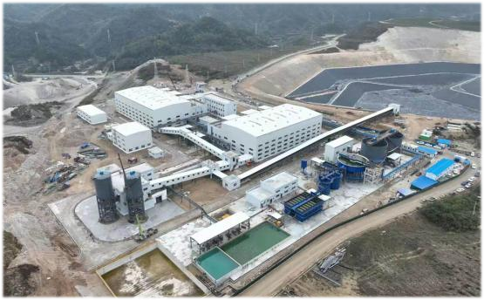

Yingping Mining Section Open-pit Tailings Backfill Treatment of Goaf Ecological Restoration EPC Project
China Bluestar Lehigh Engineering Corporation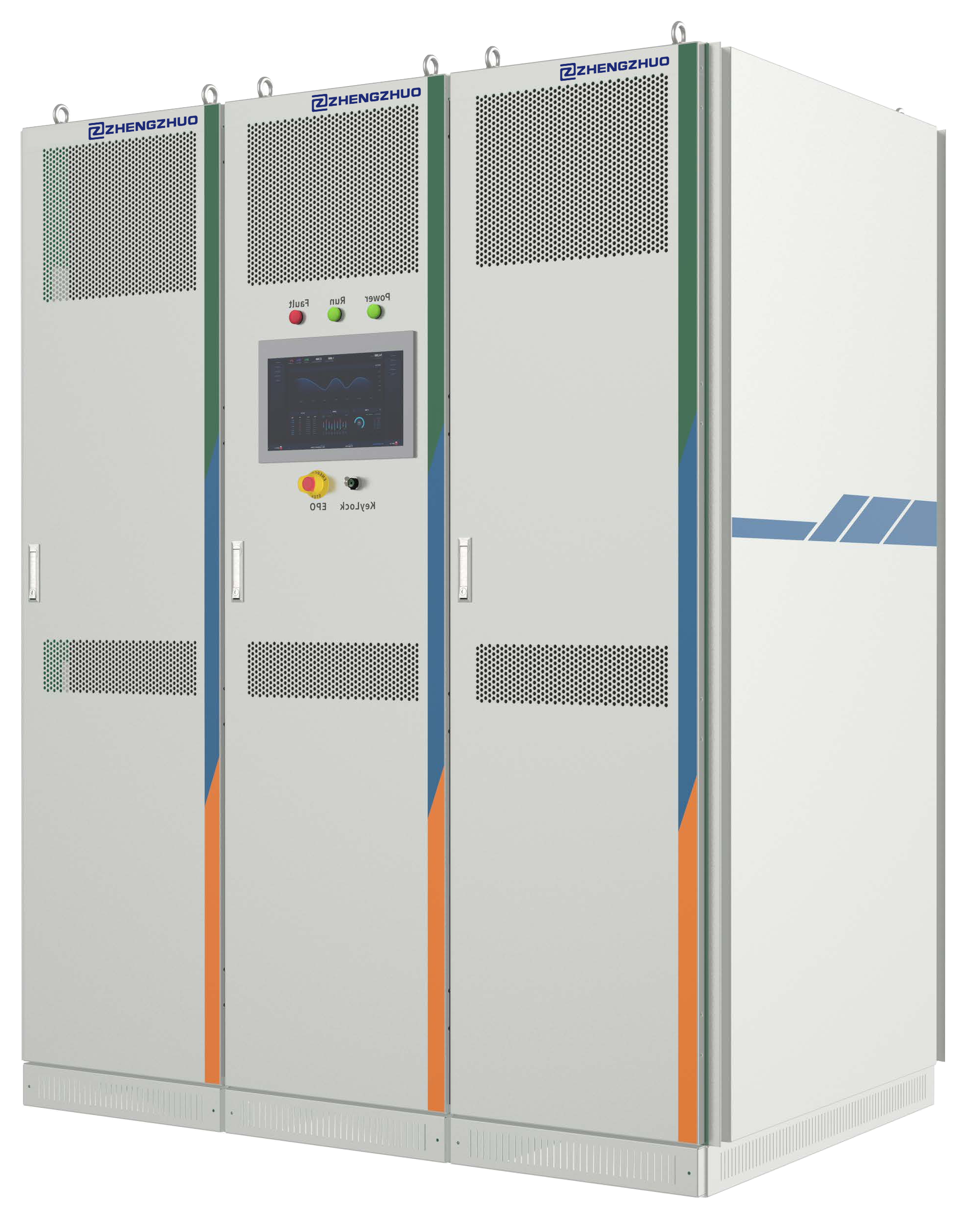
IGBT Hydrogen Production Power Supply - High Power Air Cooling
Beijing Zhengzhuo Engineering Technology Co., Ltd.
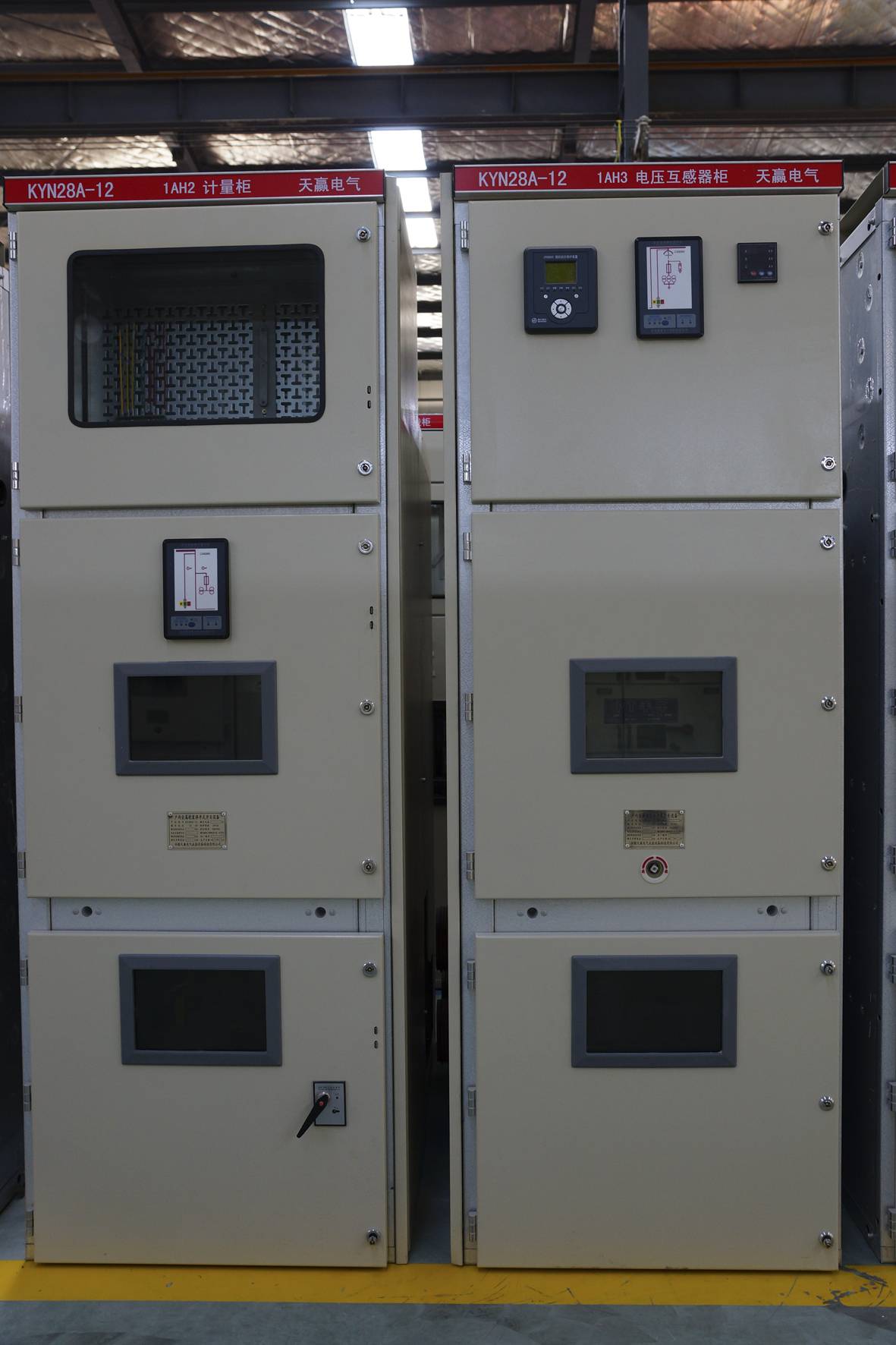
KYN28 - High Voltage Switchgear
Anhui Tianying Electrical Equipment Manufacturing Co., Ltd.


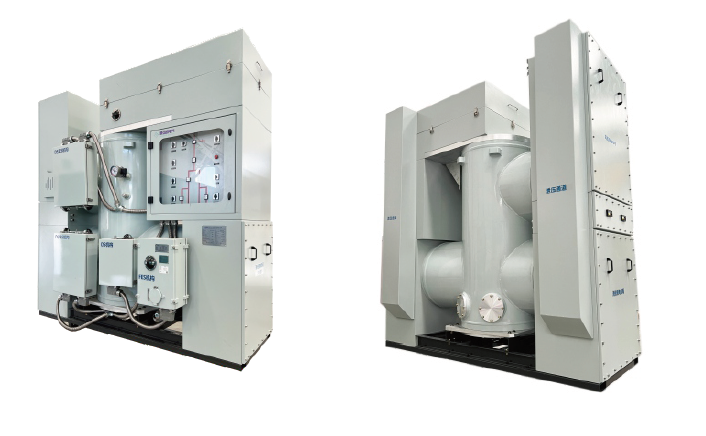
72.5kV 1250A 31.5kA SF6 free Gas-insulated Metal-enclosed Switchgear
Zhejiang Juhonkia Intelligent Electric Co., Ltd.


YB □ -12/0.4/1250 Outdoor Prefabricated Substation (European Style)
Shangrao Shangyu Intelligent Electric Co., Ltd.