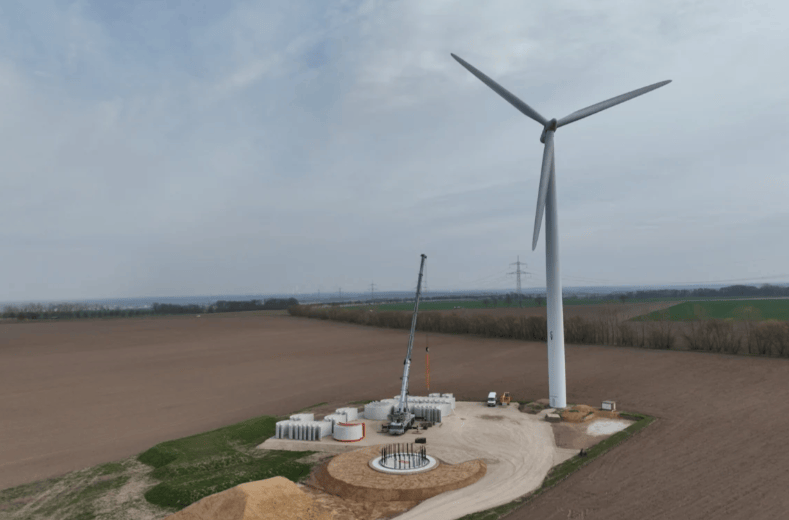
Heligan: Floating Wind Could Account for One-Third of UK's Offshore Wind Capacity by 2050
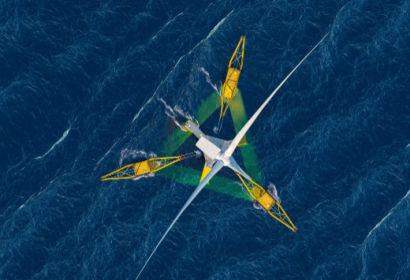
en.Wedoany.com Reported - A new infrastructure report released by Heligan Group shows that floating wind remains a key driver of the UK's offshore wind industry, expected to account for one-third of the UK's offshore wind installed capacity by 2050, with annual generation reaching 175 terawatt-hours. The Floating Offshore Wind Taskforce, jointly formed by the government and industry, outlined a £47 billion market opportunity in its 2024 strategy, expected to create 97,000 jobs and consolidate the UK's global leadership in floating wind technology. UK government auction activities, including the Celtic Sea leasing round completed in 2025, have awarded up to 4.5 gigawatts of installed capacity.
Andrew Dickinson, Head of Infrastructure Services at Heligan Group, stated that achieving this goal requires industrial-scale infrastructure, with turbines and platforms needing to be assembled onshore before deployment at sea, which demands enhanced port facilities, heavy-lift capabilities, and offshore logistics. The UK currently holds one of the world's largest floating wind project pipelines, with project development ahead of most markets. Over 30,000 people are currently employed in the UK's fixed-bottom offshore wind industry, a figure that could rise to over 100,000 by 2030. However, Dickinson also noted that no UK port currently has the capacity to support commercial floating wind deployment, which is a critical bottleneck for large-scale delivery.
Momentum is building, and investment is beginning to unlock delivery capacity. The Port of Cromarty Firth will receive £55 million in investment to support floating wind manufacturing; ABP has committed over £500 million to develop Port Talbot as a major hub for the Celtic Sea; up to 11 ports have been designated for transformation, requiring £3.5 billion in investment by 2030. Meanwhile, EU-backed reforms under the Green Deal Industrial Plan and national support schemes are accelerating port investment across Europe, creating cross-border competition in industrial-scale assembly, modular manufacturing, and export capability.
Dickinson believes that floating infrastructure is becoming a catalyst for a new wave of strategic investment and consolidation, with floating wind emerging as one of the most attractive investment opportunities. The industry is transitioning from early-stage innovation to industrial-scale deployment, which will reshape the M&A landscape. He expects consolidators to come from marine engineering, offshore energy, and modular construction sectors, with private equity (PE)-backed platforms targeting scalable delivery models for wind, solar, and hybrid systems. Environmental consultancies with expertise in biodiversity and permitting approvals will be in high demand, particularly as compliance becomes a prerequisite for project execution. Companies that can make progress in government frameworks, port infrastructure partnerships, and cross-industry integration will command higher valuations. With Europe leading the way and the UK positioning as a global hub, the next five years will see a race for capability building, delivery capacity assurance, and seabed control.
Related Products
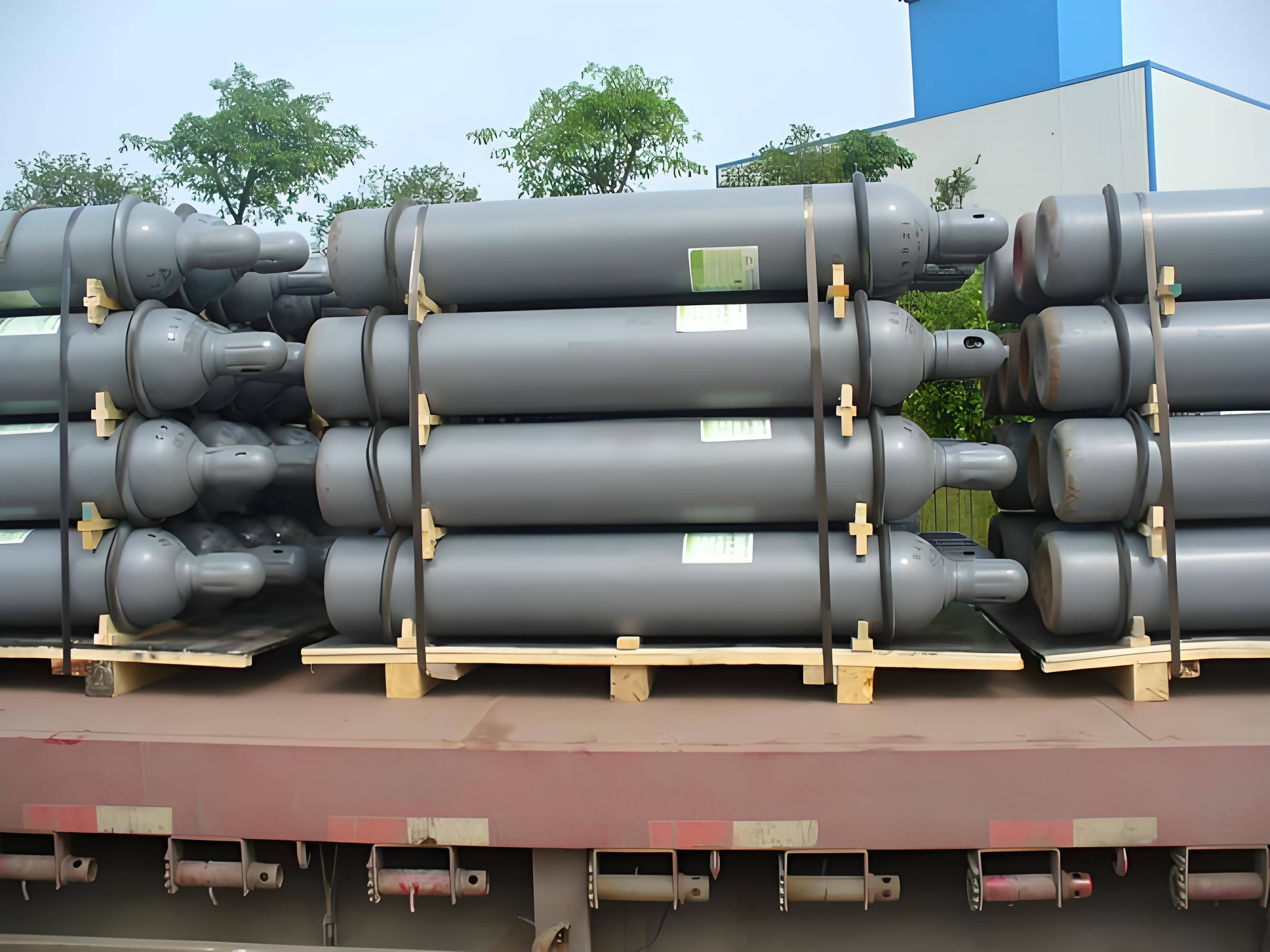

Global Sulfur Hexafluoride Gas Supply and Cylinder Export
Foshan Yuexin Industrial Gas Co., Ltd.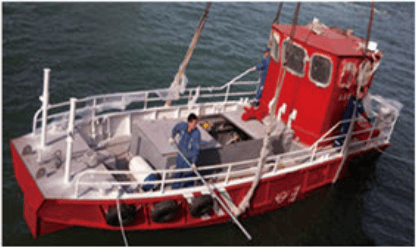
Electromagnetic Fluid Seawater Floating Oil Separation and Recover Equipment
Huate Magnet Group Co., Ltd.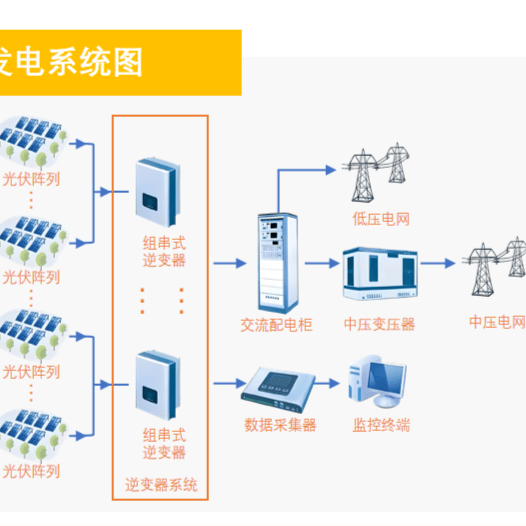
Photovoltaic and Wind Power Generation Technology
Beijing Boqi Electric Power SCI-TECH Co., Ltd.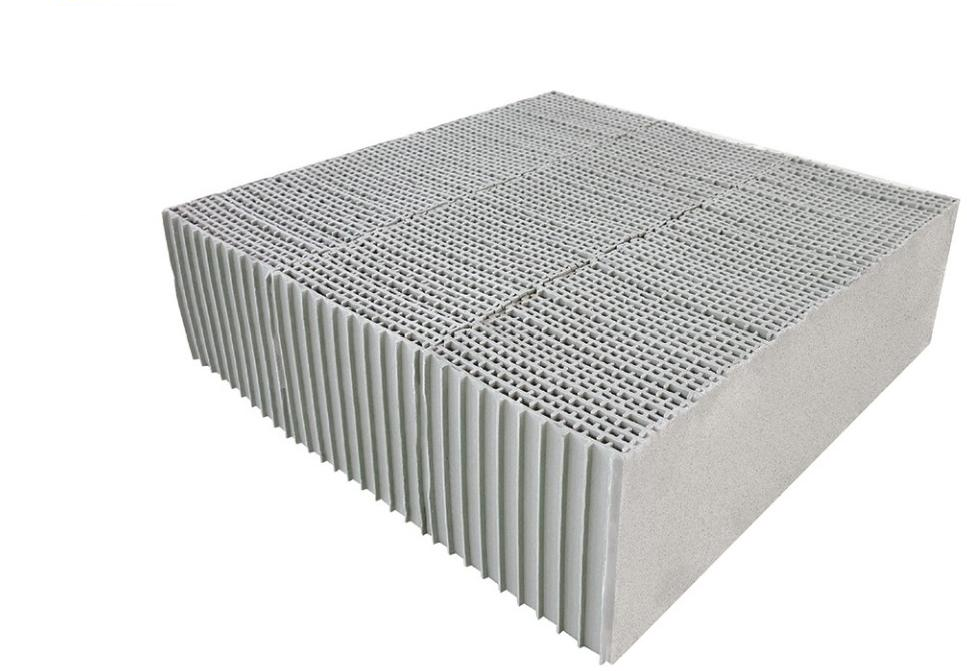
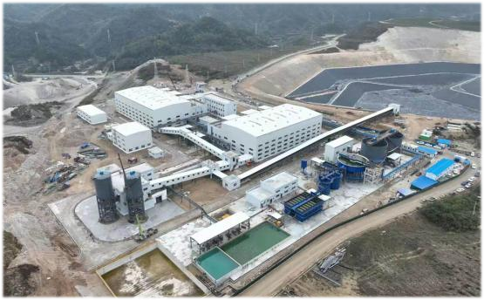
Yingping Mining Section Open-pit Tailings Backfill Treatment of Goaf Ecological Restoration EPC Project
China Bluestar Lehigh Engineering Corporation
Forest and Grassland Heat Source Infrared Monitor
China Huayun Meteorological Technology Group Co., Ltd.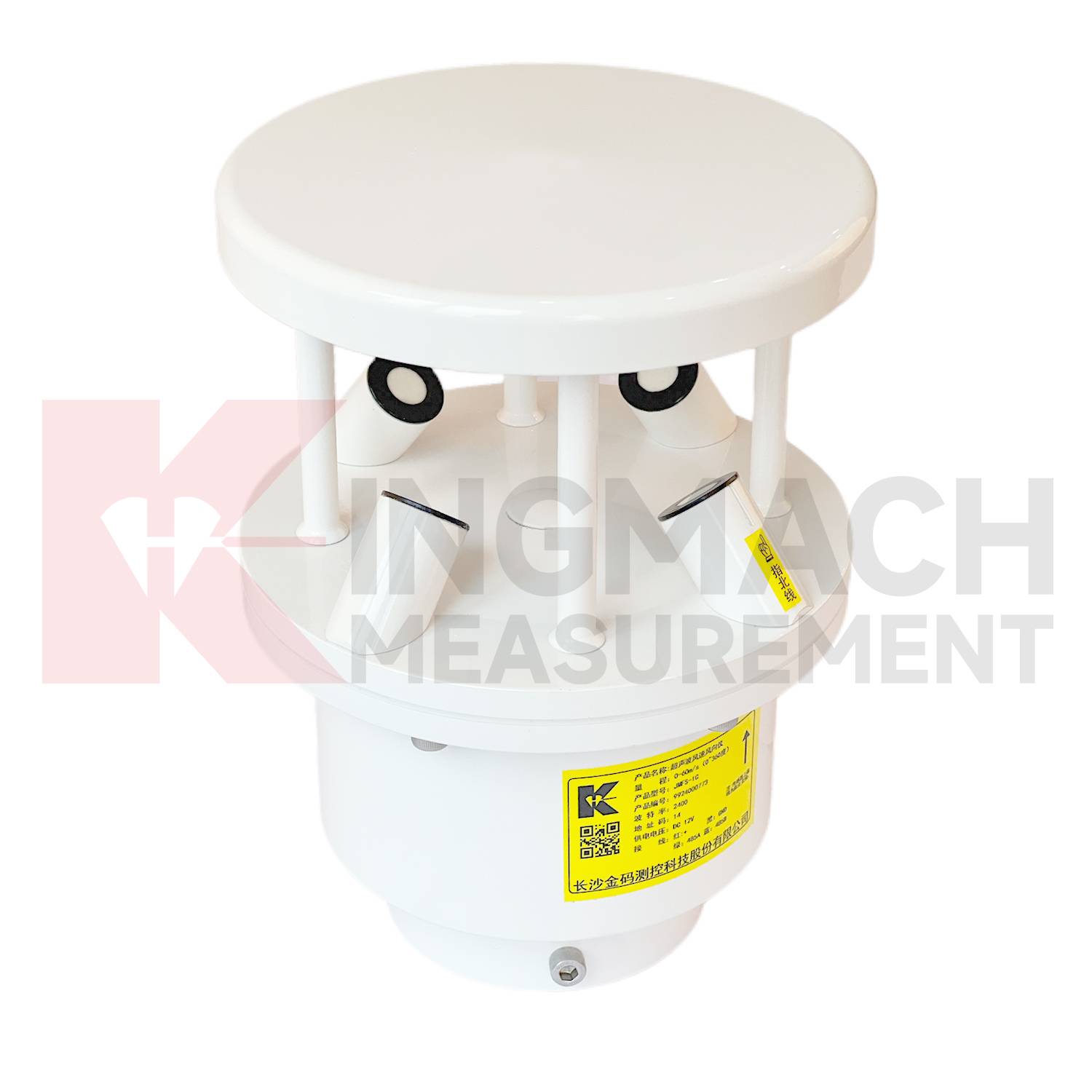
Ultrasonic Wind Speed and Direction Instrument
Kingmach Measurement & Monitoring Technology Co., Ltd.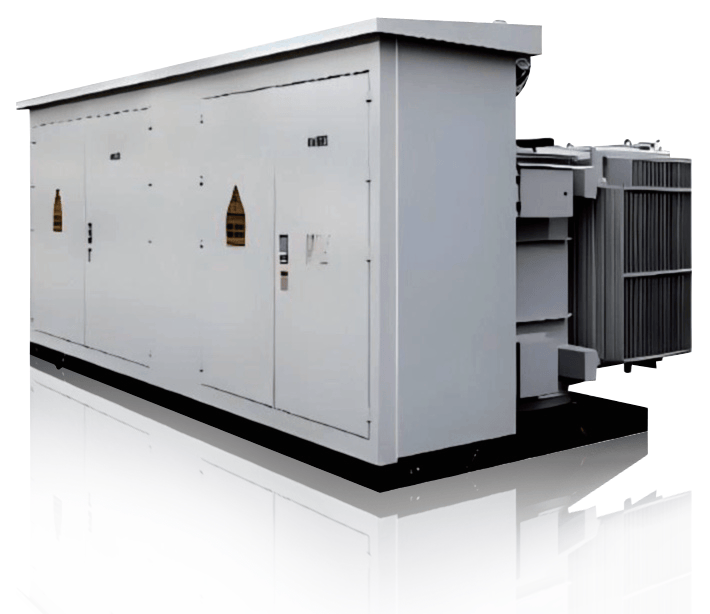
H-40.5/0.4~1.14kV New Energy Power Generation Dedicated High Voltage/Low Voltage Prefabricated Substation
XJ (Xiamen) Intelligent Power Equipment Co., Ltd.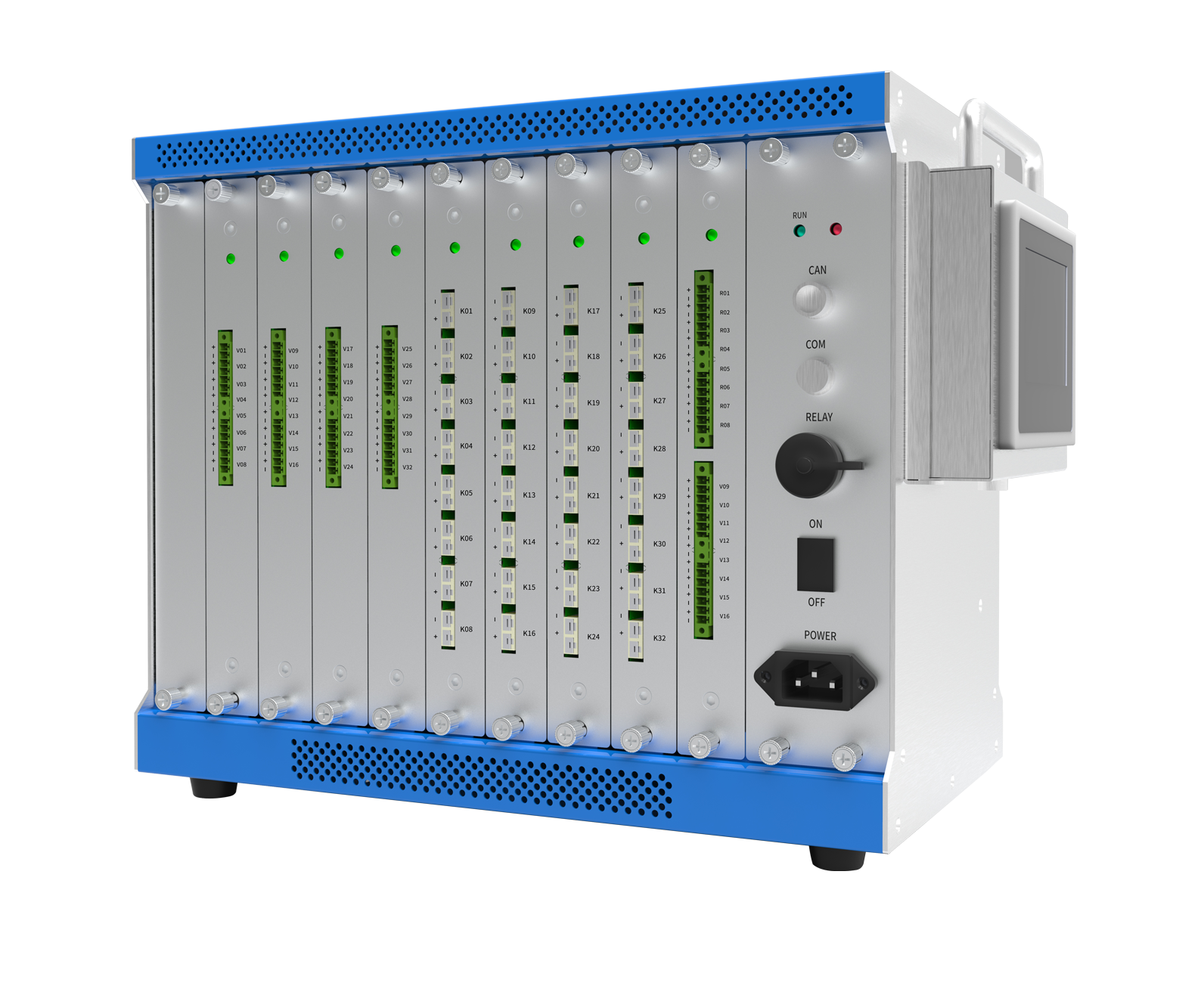
Optional Accessory - Auxiliary Sampling Module
Beijing Soaring Electric Technology Co., Ltd.