South Korea's ETRI Builds Marine IoT Network, 5,800 Navigation Aids Double as Base Stations
en.Wedoany.com Reported - The Electronics and Telecommunications Research Institute (ETRI) of South Korea signed a business agreement with the Ministry of Oceans and Fisheries in June to begin building a marine Internet of Things (IoT) communication network across the nation's waters, with approximately 5,800 navigation aids nationwide serving as IoT communication base stations. The collaboration covers five areas: development of marine IoT wireless communication technology, construction and operation of demonstration networks in actual sea areas, utilization of marine data and promotion of services, standardization of marine data, international standardization, and industrialization.
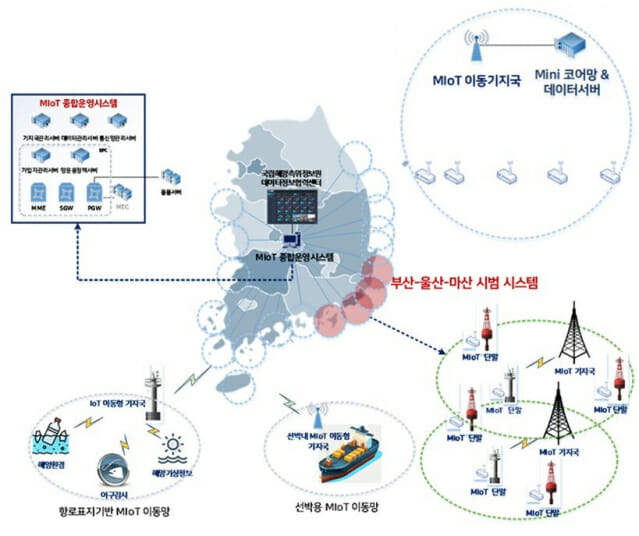
As a preliminary effort, ETRI has developed the world's first navigation aid-based marine IoT wireless communication system and completed validation in two actual sea areas: from Mado Island to Janghang Port in the West Sea (Gunsan) and from Baekyado Island to Hwapo Port in the South Sea (Yeosu). The system supports a maximum communication distance of 35 kilometers and simultaneous access for 30 terminals.
Oh Seong-min (오성민), head of the Satellite Network Research Section, stated that the team validated a marine IoT communication network based on the Narrowband IoT (NB-IoT) standard of the 3rd Generation Partnership Project (3GPP) in real maritime environments, proving the technology's practicality and scalability; low-power, low-cost terminals can access wide-area marine communication services.
According to the parties' plan, the demonstration network in actual sea areas will first be built in three regions—Busan, Masan, and Ulsan—and will be expanded into a nationwide marine IoT communication network covering the entire country after 2030.
Lee Mun-sik (이문식), director of the Three-Dimensional Communication Research Institute, stated that once the marine IoT communication network is completed, various marine facilities, including approximately 5,800 navigation aids nationwide, can be remotely monitored and managed; through the real-time collection and utilization of marine environmental and meteorological information, marine safety management and digital administrative services will be significantly enhanced.
Related Products


One-Stop Steward Service for the Entire Logistics System Integration Chain
Zhongding Intelligent (Wuxi) Technology Co., Ltd.
GYTA Type Non-Self-Supporting Aerial/Duct Optical Cable
TONGDING INTERCONNECTION INFORMATION CO., LTD.

Industrial and Commercial Point-Type Gas Detector
Jinan Benan Technology Development Co., Ltd.
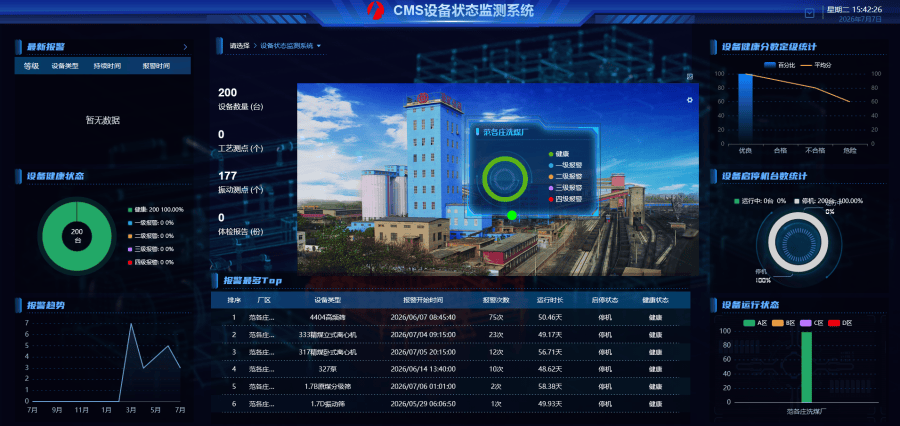


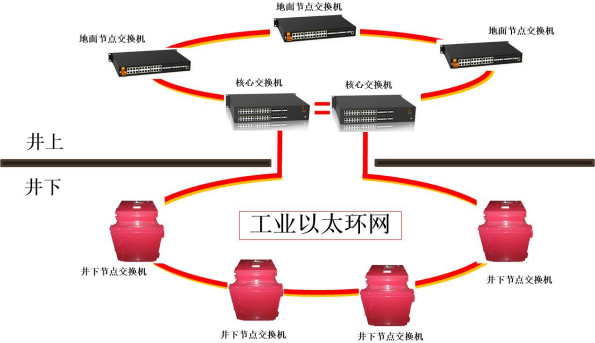
Mine Explosion-proof and Intrinsically Safe Industrial Ethernet Ring Network (10 Gigabit/Gigabit)
Chongqing Mas Sci&Tech Co., Ltd.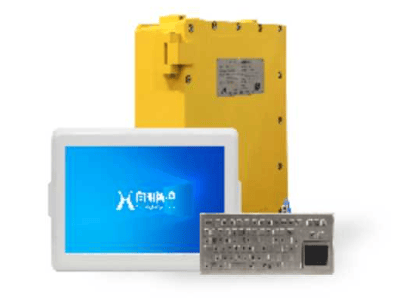
KJD127(A) Mining Explosion-Proof and Intrinsically Safe Computer
Taiyuan Xiangming Intelligent Control Technology Co., Ltd.