US EEI Report: Clean Energy to Meet New Demand by 2030, Saving $5.1 Billion Annually
en.Wedoany.com Reported - The US think tank Energy and Environmental Innovation (EEI) recently released a report titled "Let the Sunshine In: Clean Energy Is the Cheapest Way to Meet Growing Demand," stating that by 2030, meeting new electricity demand with clean energy in the United States could save $5.1 billion annually compared to a fossil fuel-dominated approach, a 17% reduction. Data from Vote Solar shows that US peak electricity demand is expected to grow by 24% by 2030, driven primarily by data centers, industrial growth, and widespread electrification.
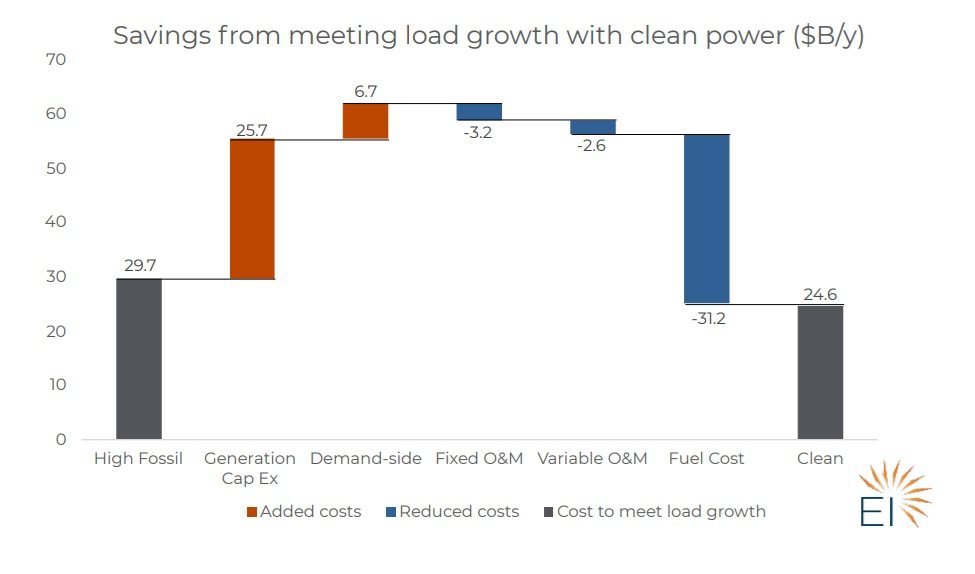
EEI compared two pathways to meet 2030 electricity demand: one follows current federal policy guidelines, increasing fossil fuel use as demand accelerates; the other simulates fully leveraging clean energy to meet growth. The report shows that meeting demand growth with a fossil fuel-dominated approach would add $29.7 billion to user bills annually; meanwhile, the clean energy pathway reduces the total annual cost of meeting load growth by $5.1 billion compared to the high-fossil-fuel pathway. Under the high-fossil-fuel scenario, costs would be $5 billion higher than under the clean energy scenario.
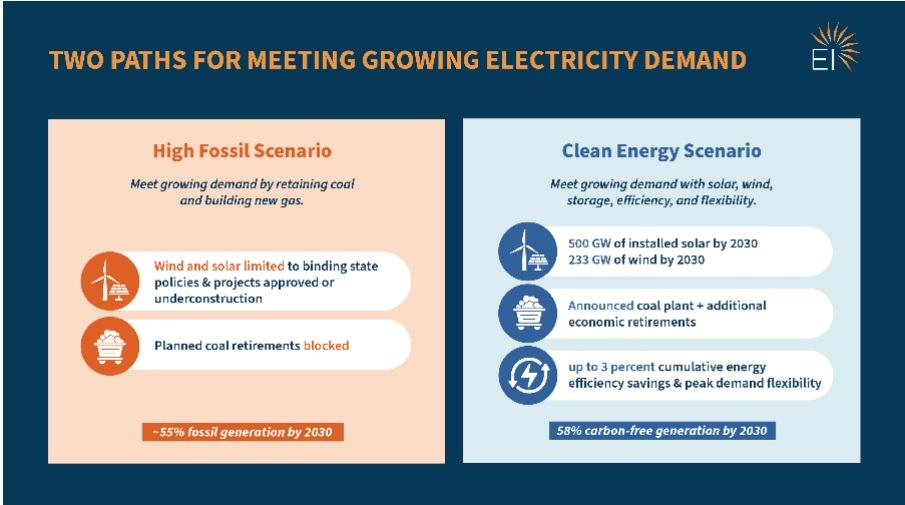
EEI Director Brendan Pierpont, speaking at a webinar hosted by the Clean Energy States Alliance, explained that the high-fossil-fuel scenario modeling blocked any planned coal retirements; the clean energy model accelerates solar deployment and continues wind deployment through 2030, reaching what researchers consider the national "ambition ceiling" for deployment. The savings come primarily from fuel costs and reduced operations and maintenance costs from retiring "expensive, inefficient plants," while also offsetting the use of many coal and natural gas power plants. The magnitude of savings is partially offset by new capital investment needs and the costs of achieving demand response and energy efficiency at scale.
The report also considered the impact of fossil fuel price volatility. During the 2022 Russia-Ukraine conflict, natural gas prices quadrupled, with coal prices following closely behind. If fuel prices rose to 2022 levels, savings under the clean energy scenario would increase by an additional $8 billion annually. Pierpont noted that the clean pathway is an important hedge against fuel price risk, and the industry is currently entering a period of greater, not lesser, fuel price uncertainty.
The study also incorporated uncertainty in demand growth. Many load growth proposals are speculative, and data center construction has not been as fast as expected. Some utilities are developing large-load electricity rates for data centers to encourage financial commitments. American Electric Power (AEP) is one of the utilities creating mechanisms for long-term large-load contracts, and after the mechanism was introduced, new large loads declined by nearly two-thirds. Pierpont stated that even under low demand growth, clean energy still delivers savings because it reduces fuel costs, operations and maintenance costs, and drives these savings.
Pierpont also mentioned that states can remove barriers to clean energy development. Illinois improved state and local permitting processes by setting minimum standards for local siting, preventing overly restrictive permitting requirements at the county or local level, and implementing processes to review the fairness of local rules. Indiana has begun addressing interconnection challenges by requiring utilities to consider remaining interconnection opportunities, connecting additional resources to existing interconnection points to better utilize them. Pierpont noted that peaker plants across the country may use their interconnection connections only about 10% of the time, meaning that 90% of the time, the associated equipment remains underutilized across the grid, leaving room to better leverage existing interconnection points and rights.
Power planning also needs improvement. Pierpont emphasized that utilities need to validate cost inputs based on recent market data—for example, the price of new gas turbines has risen nearly two to three times in just a few years, while battery storage costs continue to decline. Through resource procurement approaches, the market can be asked about the cost and performance characteristics of different resources, including wind, solar, storage, new dispatchable capacity, as well as demand-side resources such as energy efficiency, virtual power plants, and other load flexibility options.
Regarding solar reliability concerns, the study tested each 2030 portfolio against seven years of hourly weather data, iterating after adding any dates with unmet demand risk until there was no unserved load across all regions over the seven-year period. Researchers expressed confidence in the conclusion that "clean energy can meet growing demand." Pierpont also pointed out that there is evidence natural gas prices will continue to rise with load demand, and when considering future demand growth, it is important to make pathways future-proof so that the right decisions can be made while mitigating these risks.
Related Products

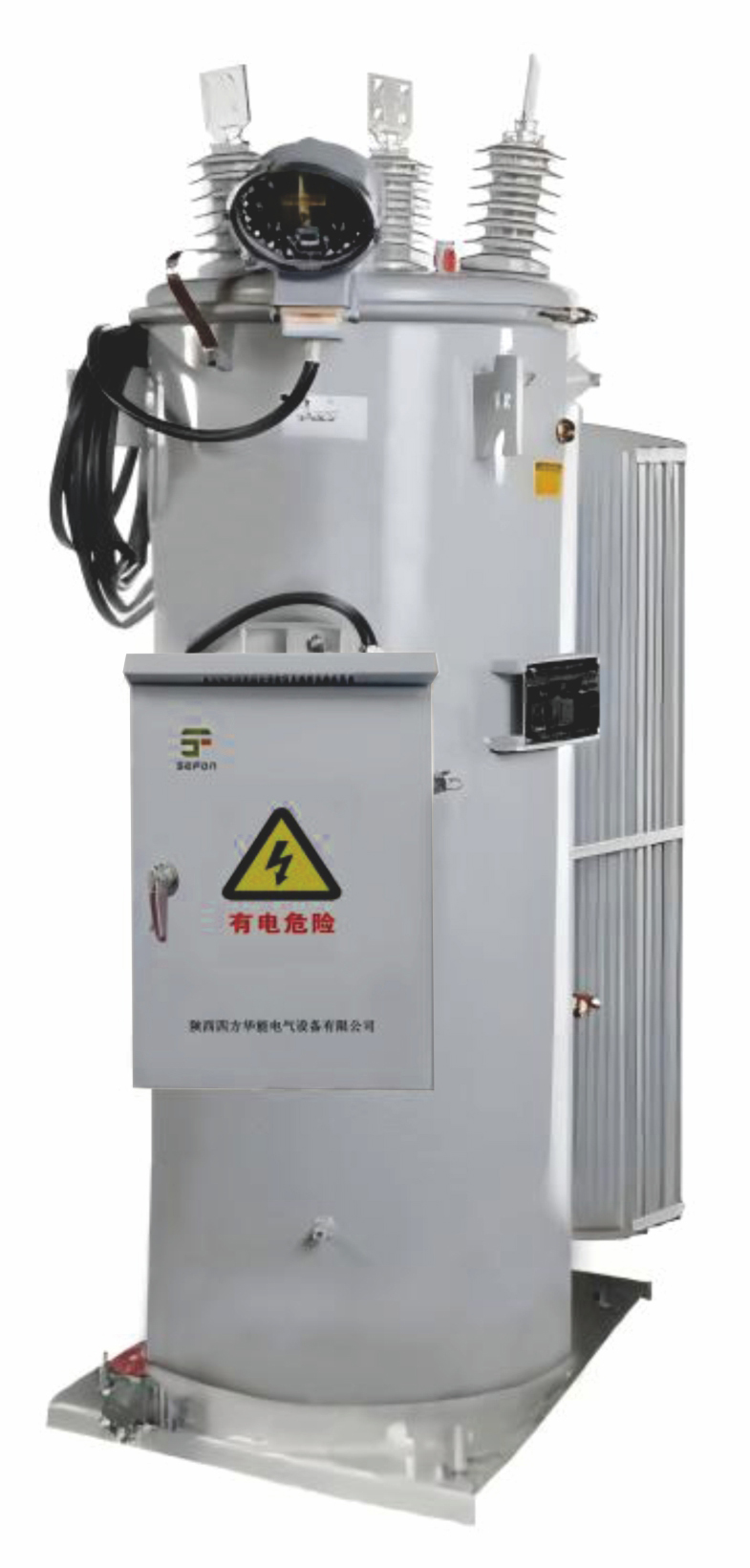
Single-Phase Automatic Voltage Regulator(AVR)
Shaanxi Sefon Electrical Equipment Co.,Ltd.
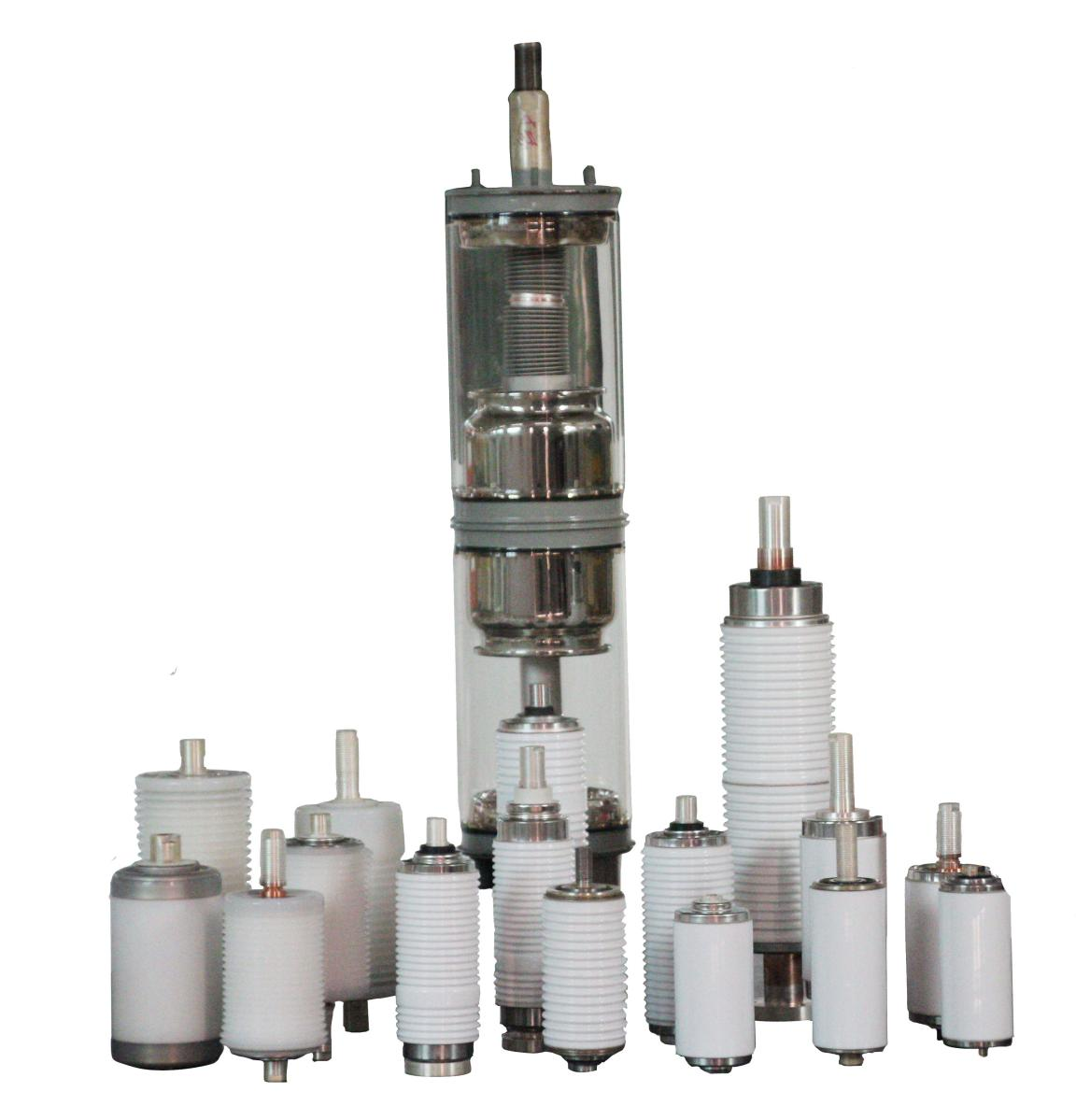
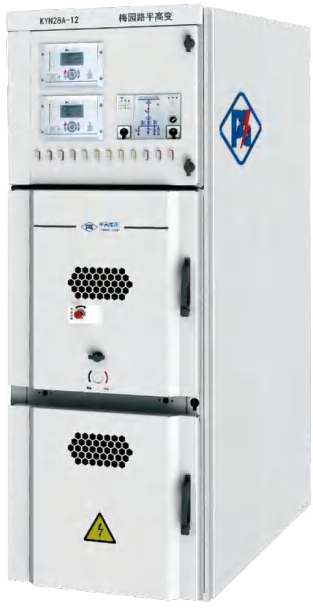
KYN28A-12 Metal Armored Removable Switchgear
Tianjin Ping Gao Intelligent Electric Co., Ltd.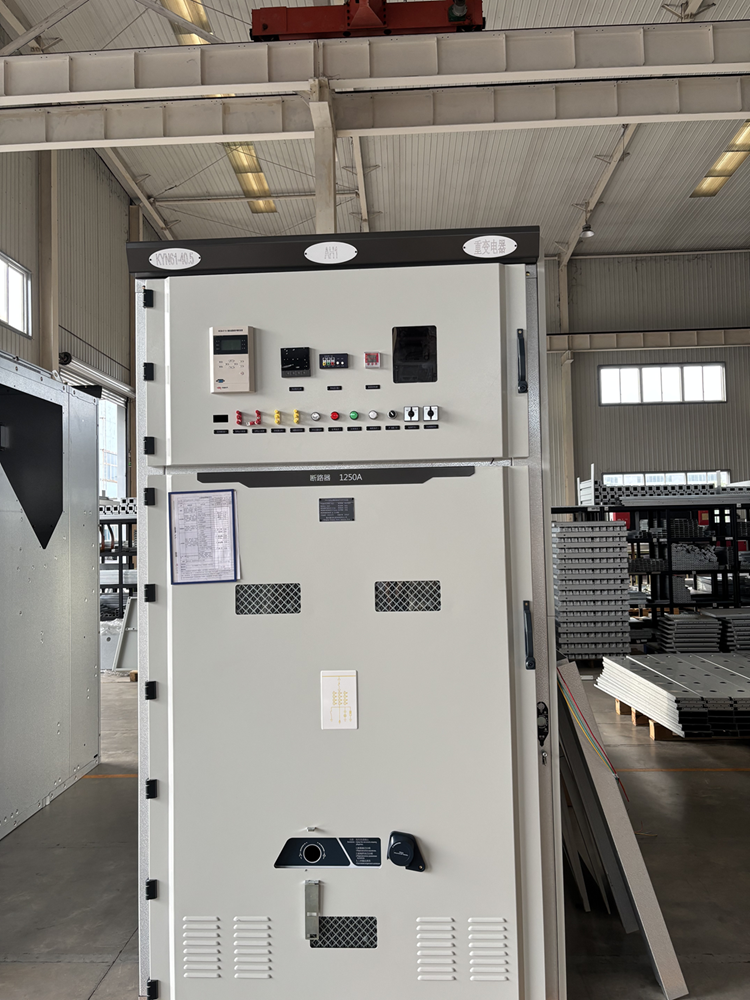
KYN61-40.5 Indoor AC Metal-clad Removable Switchgear
Chongqing Transformer Co., Ltd.