Ontario, Canada invests CAD 4.6 million to expand medical isotope production at McMaster University
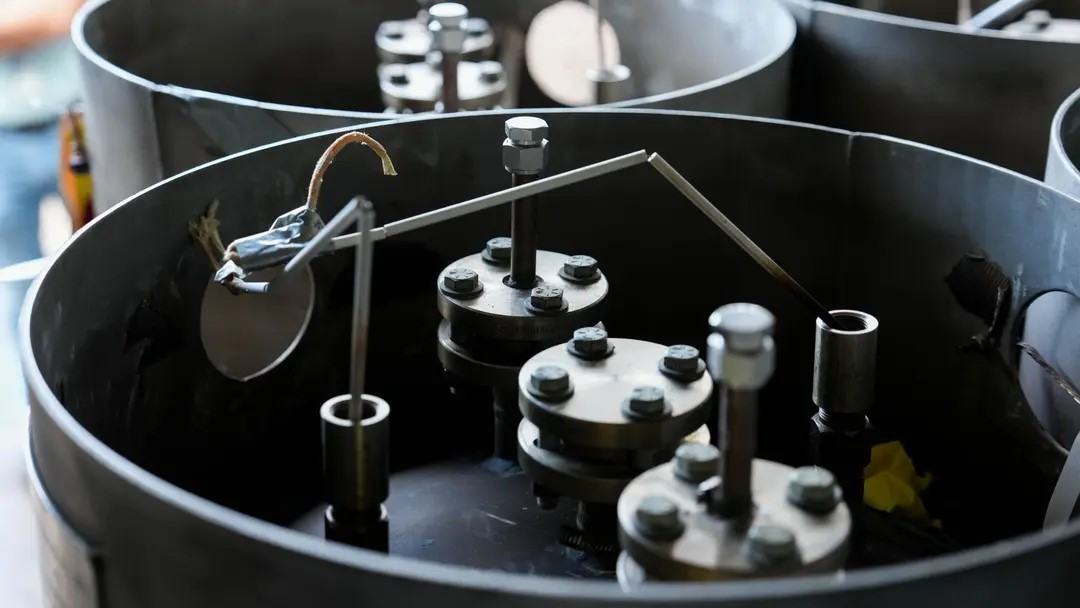
en.Wedoany.com Reported - The Government of Ontario, Canada, announced an additional investment of CAD 4.6 million (approximately USD 3.3 million) in the McMaster Nuclear Reactor (MNR), supporting the conversion of this research reactor to continuous 24/7 operation to expand the production capacity of medical radioisotopes.
The Government of Ontario had previously invested CAD 18 million in the expansion of the university's research reactor, bringing the total investment to CAD 26.9 million (approximately USD 19 million). After the expansion, the reactor's research capacity will increase by 300% compared to previous levels, producing enough radioisotopes annually to support 84,000 cancer treatments.
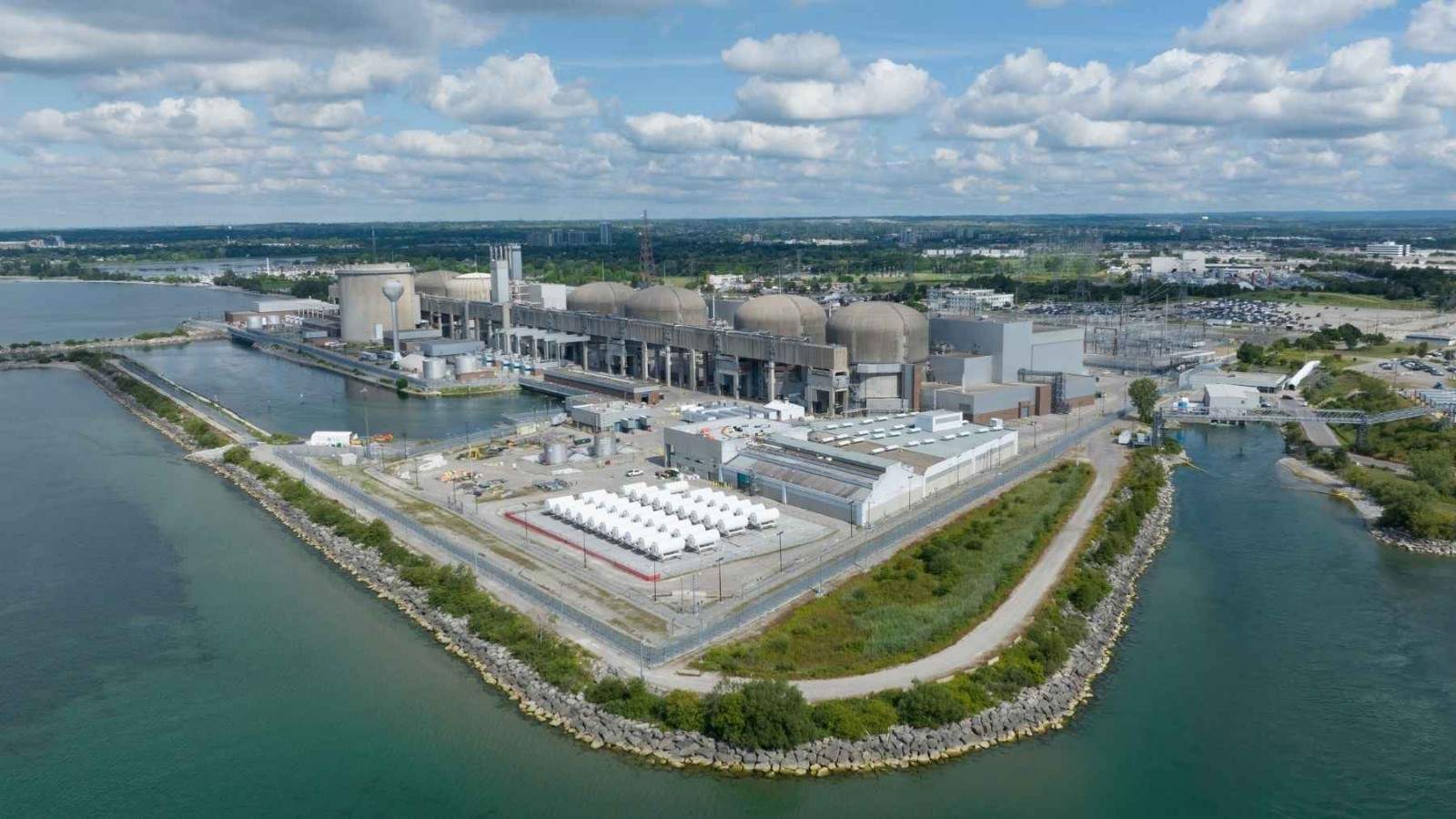
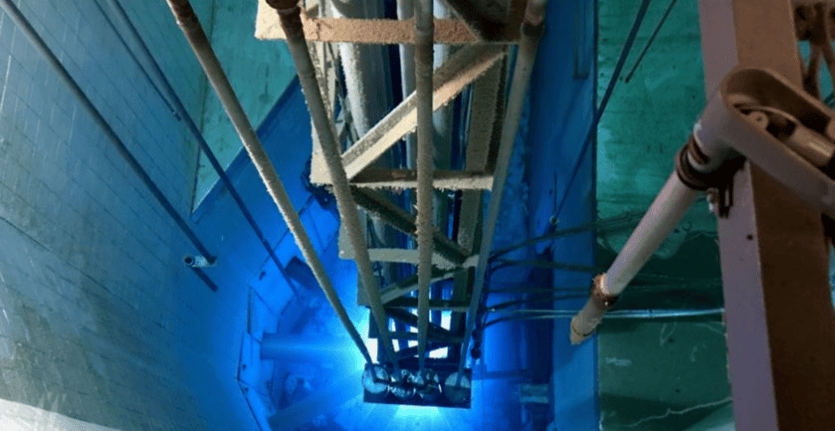
Located on McMaster University's Hamilton campus, the MNR has been in operation since 1959 and is the most powerful research reactor at a Canadian university. It is a 5 MW multipurpose open-pool neutron flux materials testing reactor with a maximum thermal neutron flux of 1×10¹⁴ neutrons/cm² and a thermal power of 3 MW. The reactor core uses low-enriched uranium fuel, with light water serving as both moderator and coolant.
The reactor supplies approximately 60% of the global supply of iodine-125, a radioisotope widely used in the treatment of cancers such as prostate cancer, with the MNR producing hundreds of doses of iodine-125 each week. Additionally, the reactor performs hundreds of thousands of neutron irradiation tasks annually, serving mineral exploration, environmental sampling, and other industrial sectors.
Nolan Quinn, Ontario's Minister of Colleges, Universities, Research Excellence and Security, stated that this investment will ensure Ontario patients have access to locally developed cutting-edge therapies and solidify the province's global leadership in nuclear medicine. Stephen Lecce, Ontario's Minister of Energy and Mines, noted that given approximately two in five Canadians will be diagnosed with cancer in their lifetime, increasing MNR's capacity means more treatment opportunities for patients. Under Ontario's plan, the province's medical isotope production will double by 2030, with this investment used to expand production capacity and support accelerated research progress.
Related Products


Pneumatic high-pressure wear-resistant ball valve
Zhejiang Deca Control Valve Meter Co., Ltd.
Perfluorinated Ionic Membrane-CM-10N Series Membrane
Guizhou Juneng Century Technology Co., Ltd
Off-Grid Fuel Cell Supercharging Station (180kW Configuration)
Shanghai REFIRE Group Limited
Prefabricated Houses and Electrical Energy Boxes
Chengdu Ruilong Machinery Manufacturing Co., Ltd.
Hydrogen Production Technology: Hydrogen Purification by Pressure Swing Adsorption
Chengdu Yizhi Technology Co., Ltd.
Modular Multifunctional Water Supply and Drainage Vehicle (18T)
Changsha Dewater Machinery Technology Co., Ltd.