Canada's Renforth Advances Parbec Gold Mine and Victoria Polymetallic Deposit Projects
en.Wedoany.com Reported - Nicole Brewster, President and CEO of Canadian explorer Renforth Resources (CSE:RFR), recently stated that the company is taking a "slow and steady" approach to both the Parbec gold mine and the Victoria polymetallic deposit, advancing both key projects simultaneously. She admitted that gold's inherent appeal is hard to resist.
Brewster described Parbec as "the center of attention" and Victoria as "the smart one working quietly in the back of the room." She said gold "runs off at full speed," is the topic everyone wants to talk about, is "the sexy one," with exciting price figures; base metals, on the other hand, "just steadily move forward," and while their current position isn't bad, they can still do better in the future.
Renforth Resources is a gold and critical minerals explorer focused on advancing the Parbec gold deposit, the Victoria polymetallic deposit, and other proven mineralized assets. The Parbec open-pit gold deposit in Quebec is considered the company's flagship asset, and the nearby Malartic metal belt hosts the Victoria polymetallic critical minerals deposit and the Beaupré copper discovery. The company also holds the Lalonde polymetallic showing north of Victoria, as well as the Nixon-Bartleman gold showing west of Timmins, which was historically drilled and has been sampled and stripped over more than 500 meters of surface exposure.
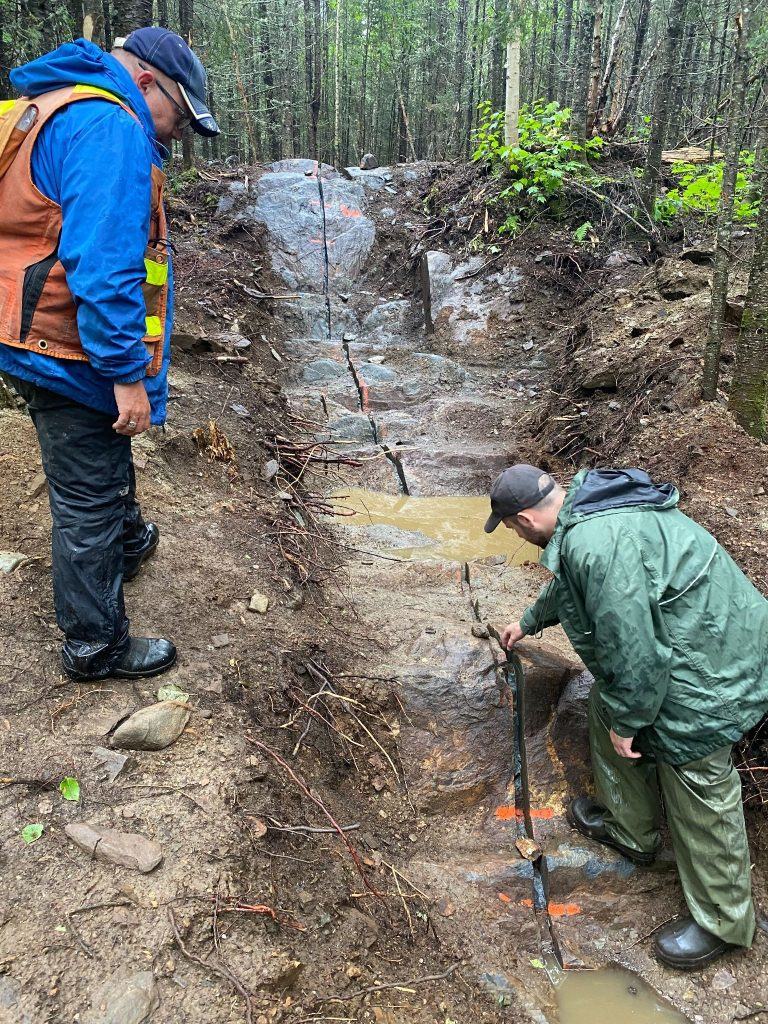
Brewster said field work is underway at Parbec, with the team having completed trench sampling and now awaiting assay results. After stripping overburden, more gold mineralization was found than expected—originally thought to be a narrow vein, but at least at surface it is not narrow. She is currently raising funds for drilling at Parbec.
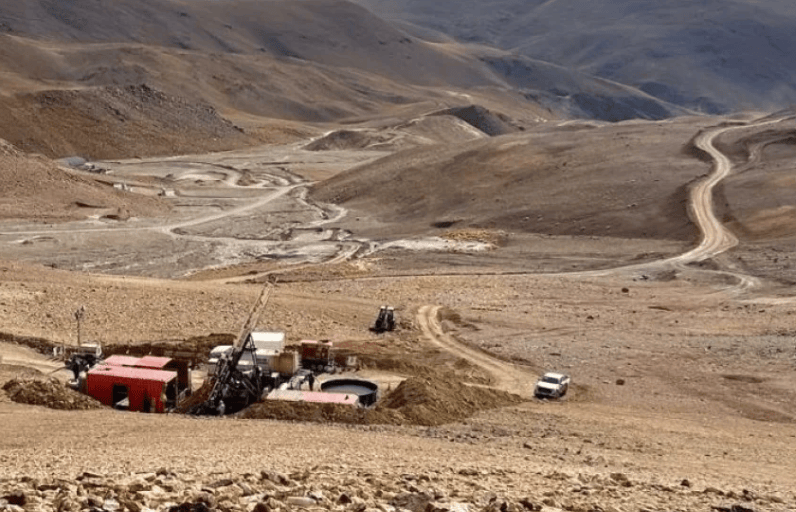
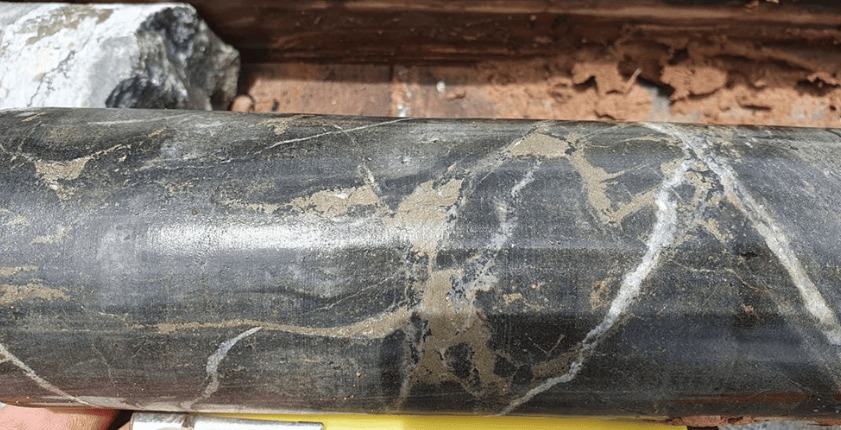
At the Victoria deposit, the company is conducting drilling. In addition to the published resource, Brewster stated they have proven that platinum and palladium consistently co-exist with nickel, with these metals currently at low grades but persistent, and North America lacks a true domestic source of such metals. She believes Victoria "does not lack mineralization" and, as it grows, will become a mega-scale, long-life project.
The Victoria deposit hosts 125 million tonnes of polymetallic ore containing nickel, cobalt, platinum, and palladium, interlayered with zinc, copper, silver, and gold. This resource was published in 2025 and covers a 2.5-kilometer open pit within a 20-kilometer-long mineralized structure. The site has road access, with hydroelectric transmission lines and a railway nearby, two dams to the south, and no population or large water bodies in the vicinity; it is about a six-hour drive to Bécancour, where the Quebec government is building a battery ecosystem, 12 hours from New York, and eight hours from Toronto. Brewster noted it sits in the heart of the Abitibi region, a world-class and historically significant mining jurisdiction.
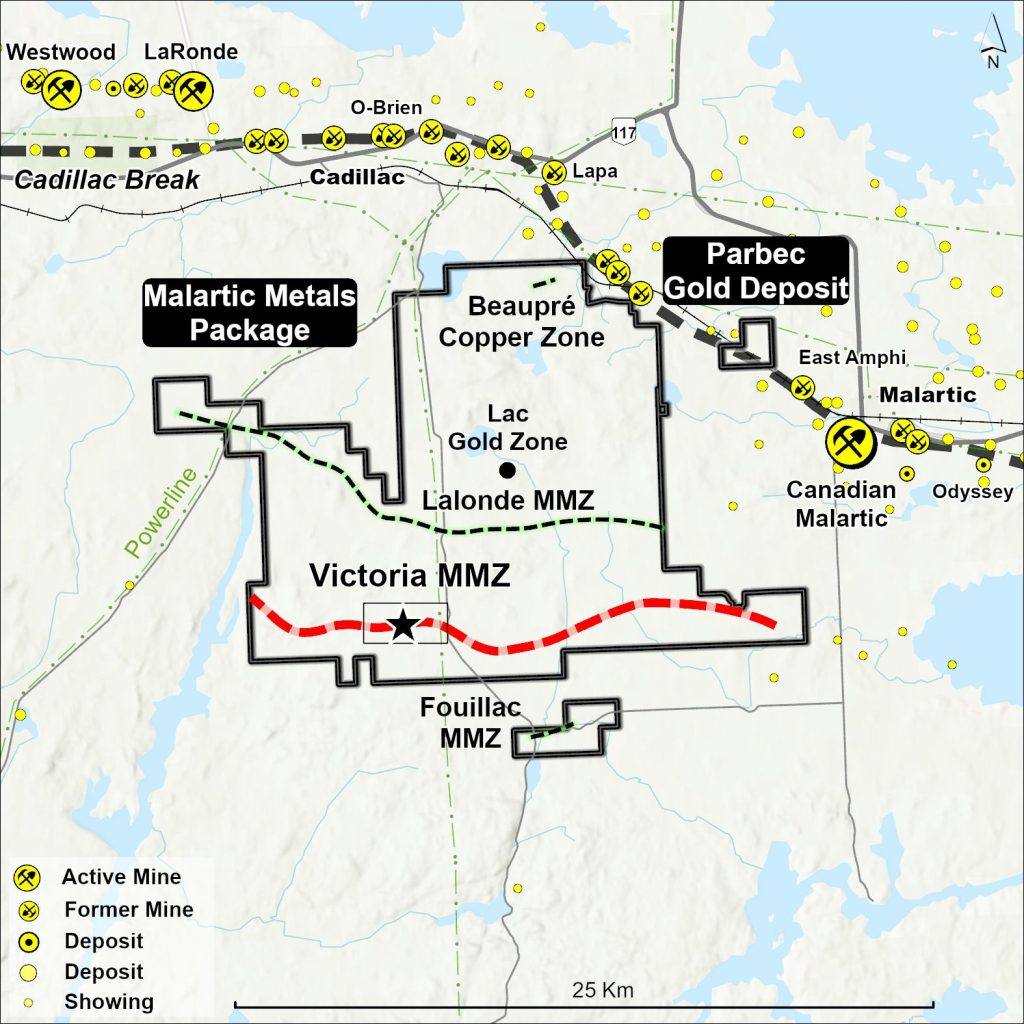
Brewster said advancing both Parbec and Victoria simultaneously is a challenge, and running a micro-cap company with two substantial flagship assets is "very atypical," with the company also holding a third asset she would rather not even mention—Lalonde. Speaking of the company's position in Canada's mining ecosystem, she remained humble, describing herself as "the chief bottle washer of a micro junior mining company" managing two massive properties. She believes the region where the company operates is severely underexplored, surrounded by high-quality mines, which is "both unique and absurd"; to her knowledge, there are not many polymetallic projects of this kind underway in the world, and even fewer in Canada and southern Quebec. "It's not because I'm a genius, but because I read some maps and decided to do what others haven't done."
Regarding the timeline ahead, Brewster is cautious. She said the company will continue field activities at Victoria and Parbec, attend relevant conferences, meet with high-net-worth individuals, and seek funding and partners. "One assay result can change everything," she said, "Anyone who tells you they know what the market will care about is making it up."
On global metal demand, Brewster said the world needs metals. She noted the shutdown of nickel mines and the closure of large, low-grade, high-cost base metal deposits in Australia, and observed from a North American perspective that these metals are mostly located on the other side of the planet. She believes the fundamentals of mining assets in the market have not changed; what has changed is geopolitics—supply chain security has replaced just-in-time delivery, and both commodities and currencies have been weaponized, which is driving the gold market.
Regarding the Parbec deposit, Brewster called it an "underexplored asset." Much of the preliminary work in the 1980s was completed under the leadership of her father, who was then Vice President of Exploration, and one of the company's geologists once worked for him, giving the company a unique and deep understanding of the property. Parbec is located in the Rouyn-Val d'Or corridor of the Cadillac Break, one of the deposits along this fault zone that has not yet been mined, a zone that has produced some of Canada's most prolific gold mines. The site is well-serviced, with six operating gold mines and one about to come into production within an hour's drive, along with ample toll milling capacity.
The Victoria polymetallic deposit still has substantial work to be done, with the pace of advancement depending on funding availability and market interest. Brewster noted that there is currently no retail market for nickel, and the copper market is inconsistent. "When it comes to base metals, there's no flashy show—the flashy show is reserved for gold."
Related Products

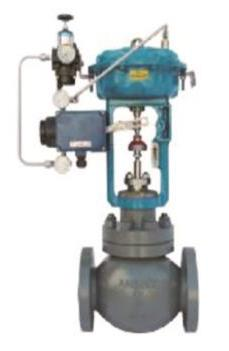
Quick-Change Single-Seat Control Valve / Quick-Change High-Pressure Single-Seat Control Valve
Beijing Consen Automation Technology Co., Ltd.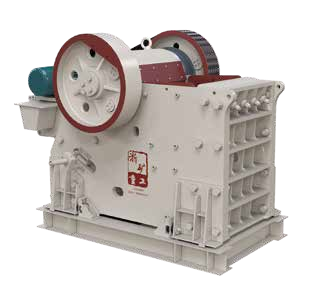
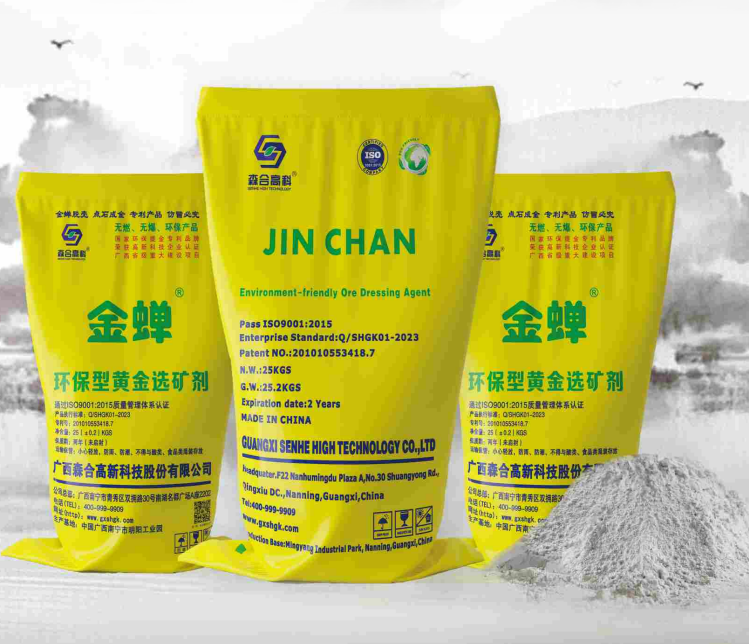
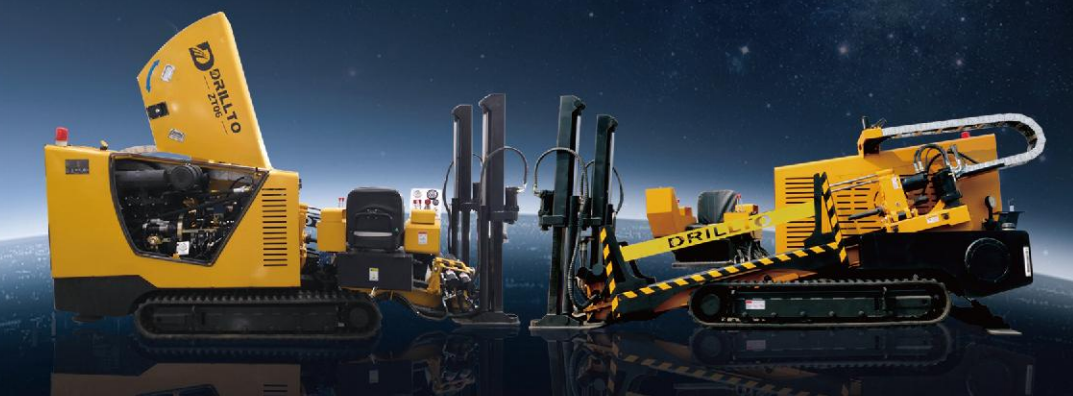

Comprehensive Mining Automation Control System
Beijing Tianma Intelligent Control Technology Co., Ltd.

Mine Explosion-proof and Intrinsically Safe Industrial Ethernet Ring Network (10 Gigabit/Gigabit)
Chongqing Mas Sci&Tech Co., Ltd.
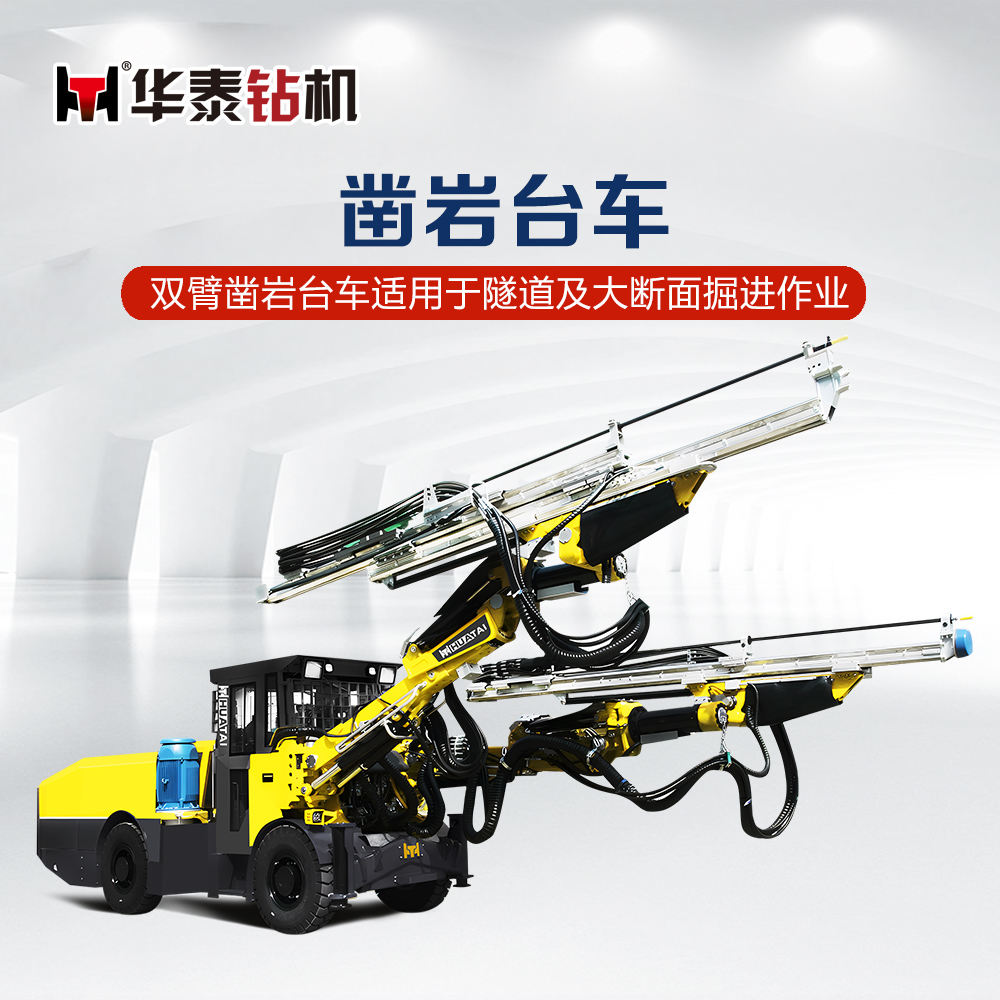
CYTJ45/2 Mining Hydraulic Tunneling Drill Rig
Zhangjiakou Xuanhua Huatai Mining and Metallurgical Machinery Co., Ltd.