India Sets Nuclear Energy Mission, Targets 100 GWe Nuclear Capacity by 2047
en.Wedoany.com Reported - India is advancing its indigenous nuclear energy system, focusing on advanced reactor technologies, small modular reactors (SMRs), domestic manufacturing, and long-term utilization of thorium resources. According to a written reply submitted to the Lok Sabha by the Minister of State in the Prime Minister's Office, the government has established the Nuclear Energy Mission through the Union Budget for fiscal year 2025-26, aiming to increase nuclear power generation capacity to 100 gigawatts (GWe) by 2047.
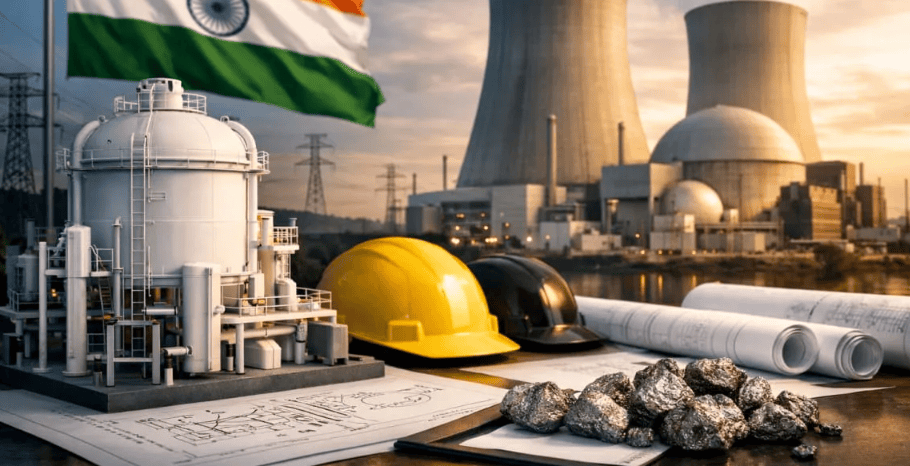
In terms of reactor deployment, the policy clearly specifies the construction of large indigenous reactor types, including 700 MW pressurized heavy water reactors, while also developing SMRs at brownfield sites as well as in captive power plant or off-grid scenarios. According to the plan, India aims to complete the development and operationalization of at least five indigenous SMRs by 2033. Among these, the Bhabha Atomic Research Centre (BARC) is undertaking the design of three reactor types: the 220 MW Bharat Small Modular Reactor, a 55 MW SMR, and a high-temperature gas-cooled reactor with a unit capacity of up to 5 MW for potential hydrogen production scenarios.
The Indira Gandhi Centre for Atomic Research (IGCAR) continues to undertake research and engineering construction for sodium-cooled fast breeder reactors and closed fuel cycle facilities, which remains a core component of India's long-term nuclear roadmap. To broaden participation, India has enacted the Sustainable Harnessing and Advancement of Nuclear Energy for Transforming India Act, 2025, which allows wider entry of public and private sectors into the nuclear energy domain while maintaining the regulatory framework. The Department of Atomic Energy is supporting industry through knowledge sharing, nurturing domestic critical equipment suppliers, and fostering startups.
India is also continuing the implementation of its three-stage nuclear program to optimize uranium resource utilization efficiency and progressively achieve thorium resource development through the breeding of uranium-233, preparing for large-scale thorium applications once fast breeder capability is established. Currently, thorium dioxide pellets have been used in initial reactor cores, and irradiated fuel rods undergo reprocessing to extract uranium-233, which is then fabricated into fuel for the KAMINI reactor at IGCAR in Kalpakkam. Additionally, the expansion of isotope production reactors will enhance domestic output of medical isotopes, thereby strengthening technological self-reliance in related fields.
Related Products




G.652.D Wavelength-extended Non-dispersion Shifted Single-mode Optical Fiber
HONGAN GROUP CO., LTD.
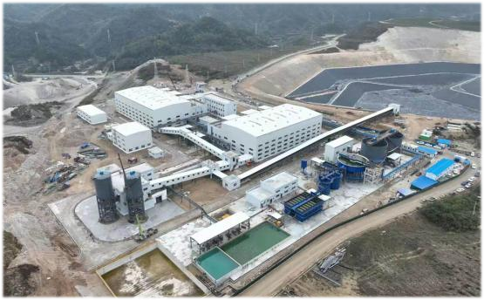
Yingping Mining Section Open-pit Tailings Backfill Treatment of Goaf Ecological Restoration EPC Project
China Bluestar Lehigh Engineering Corporation
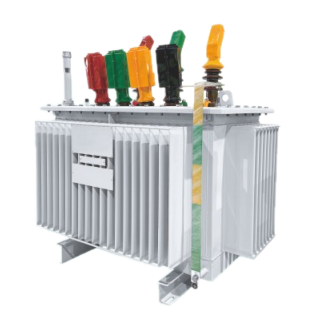
IS(B)□-M·RL Series Oil-immersed 3D Transformer (Planar / 3D Wound Core)
Guangdong Kehua Electric Power Technology Co., Ltd.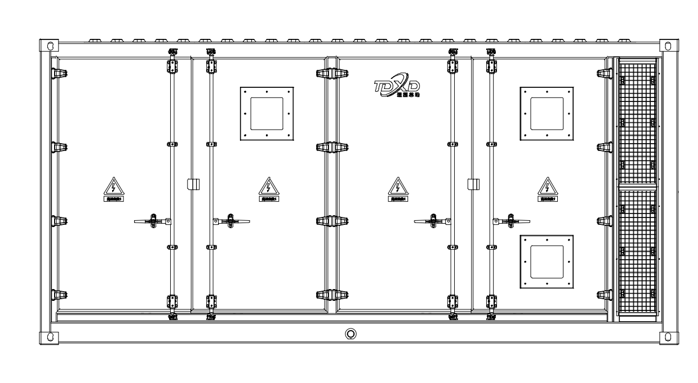
5012kWh DC Energy Storage System TD-EES-5012kWh
Suzhou Tongding Xindong Energy Storage Technology Co., Ltd.