Air Canada Signs for 8 Airbus A350-1000s with 8 Options, Deliveries from 2030
en.Wedoany.com Reported - Air Canada has confirmed the Airbus A350-1000 as its next-generation long-haul international flagship, signing a firm order for 8 aircraft with 8 purchase rights, with the first delivery scheduled for the second half of 2030, replacing its current Boeing 777-300ER fleet. For nearly two decades, the 777-300ER has been the airline's mainstay for transpacific and transatlantic long-haul routes originating from Toronto Pearson International Airport (YYZ) and Vancouver International Airport (YVR).
The countdown to replacing the 777-300ER fleet has begun. According to fleet tracking data from Planespotters.net, Air Canada operates 19 777-300ERs and 6 777-200LRs, forming the backbone of its international widebody network; the 777-300ERs have an average age of 16.2 years, while the 777-200LRs exceed 18 years, and after hundreds of thousands of takeoff and landing cycles, they are approaching major structural overhaul thresholds, where the costs of engine teardown inspections and airframe stress checks rise significantly. Operating aging aluminum widebodies on 15-hour-class transpacific routes means maintenance and fuel costs will continue to squeeze operating margins; international competitors have already switched to lighter next-generation aircraft, and the previous generation also suffers more unscheduled groundings, putting airlines at a disadvantage. Extending the service life of these twin-engine widebodies into the 2030s would mean continuously investing substantial capital in aging airframes that cannot match the efficiency of modern carbon-fiber wings.
In Boeing's product line, the natural successor is the 777X, especially the high-capacity 777-9, whose pilot type rating overlaps with the existing fleet during the transition and offers similar handling characteristics. However, the 777X program has accumulated approximately $15 billion in cost overruns amid certification delays and structural test setbacks, with first passenger deliveries pushed to late 2026 or early 2027—six to seven years behind the original 2020 schedule. International airlines are reassessing their long-haul fleet strategies, weighing additional A350-1000 orders against waiting for the delayed 777-9, and some carriers are even preparing to reject early-built 777X airframes due to weight penalties and delivery delays, with Lufthansa recently becoming the second airline to do so. For Air Canada, which must finalize airframe retirement plans by 2030, waiting on an uncertain certification timeline would create a commercial planning gap, so the airline has ordered 8 A350-1000s on firm order with 8 purchase rights, securing delivery slots starting in the second half of 2030. Air Canada's leadership—including Executive Vice President and Chief Commercial Officer Mark Galardo and Chief Financial Officer John Di Bert—prioritized delivery certainty in this decision, declining to wait for Boeing's delayed commitments.
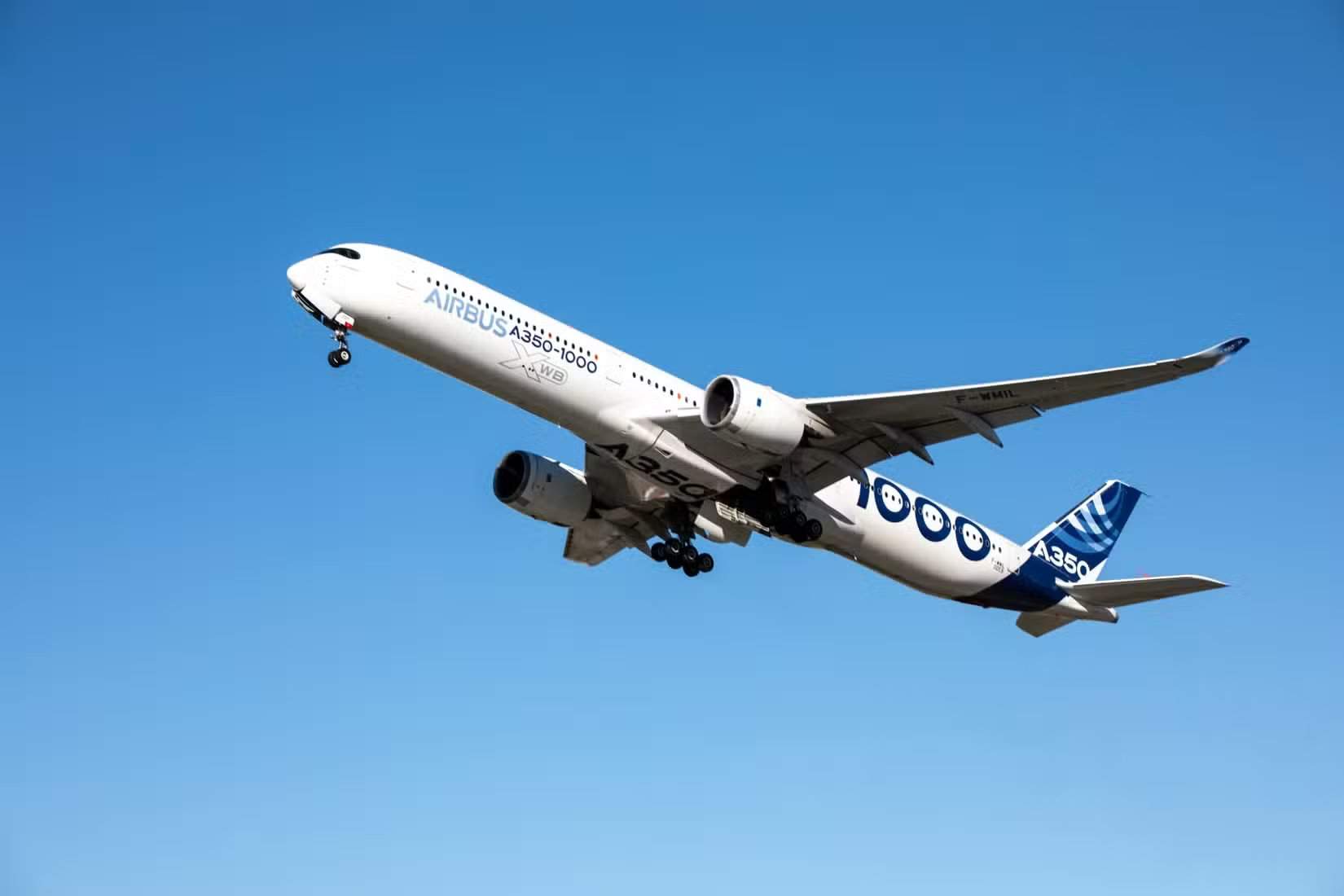
The A350-1000's competitiveness stems from its structural materials and propulsion efficiency. Its airframe is composed of more than 50% carbon-fiber-reinforced polymer, titanium, and advanced aluminum alloys, powered by two Rolls-Royce Trent XWB-97 turbofan engines. According to official performance metrics from Airbus and Air Canada, the lightweight design reduces fuel consumption and carbon emissions per seat by up to 25% compared to the aluminum 777-300ER it replaces, a reduction that directly lowers unit operating costs on long-haul routes and reduces sensitivity to jet fuel price fluctuations. The A350-1000 has a maximum range of 9,000 nautical miles (16,668 kilometers), enabling full passenger loads and high-yield belly cargo on 16-hour-class transpacific and South Asian sectors. When the 777-300ER operates similar routes, summer heat or strong winter headwinds often force dispatchers to restrict passenger numbers or offload belly cargo to meet takeoff weight limits; the composite-fuselage A350-1000 requires no such compromises, allowing full commercial payload revenue on ultra-long-haul routes.
Air Canada's long-haul strategy is structured in three tiers by capacity and range. The single-aisle A321XLR is already deployed on thin transpacific point-to-point routes, opening new destinations in long-haul markets from Montreal and Halifax to Western Europe; 14 787-10 orders serve high-density transcontinental segments and medium-density transpacific routes between major hubs; the A350-1000 sits at the top of the architecture, positioned for high-density, high-yield trunk routes and nonstop ultra-long-haul operations. This multi-tier layout generates operational synergies across the three major hubs of Toronto, Montreal, and Vancouver. Both the A350-1000 and 787-10 maintain cabin pressure at 6,000 feet (1,828 meters) or below, whereas traditional metal-fuselage aircraft are typically pressurized to 8,000 feet (2,438 meters), and the higher cabin humidity and lower effective altitude help mitigate passenger fatigue on flights exceeding 12 hours.
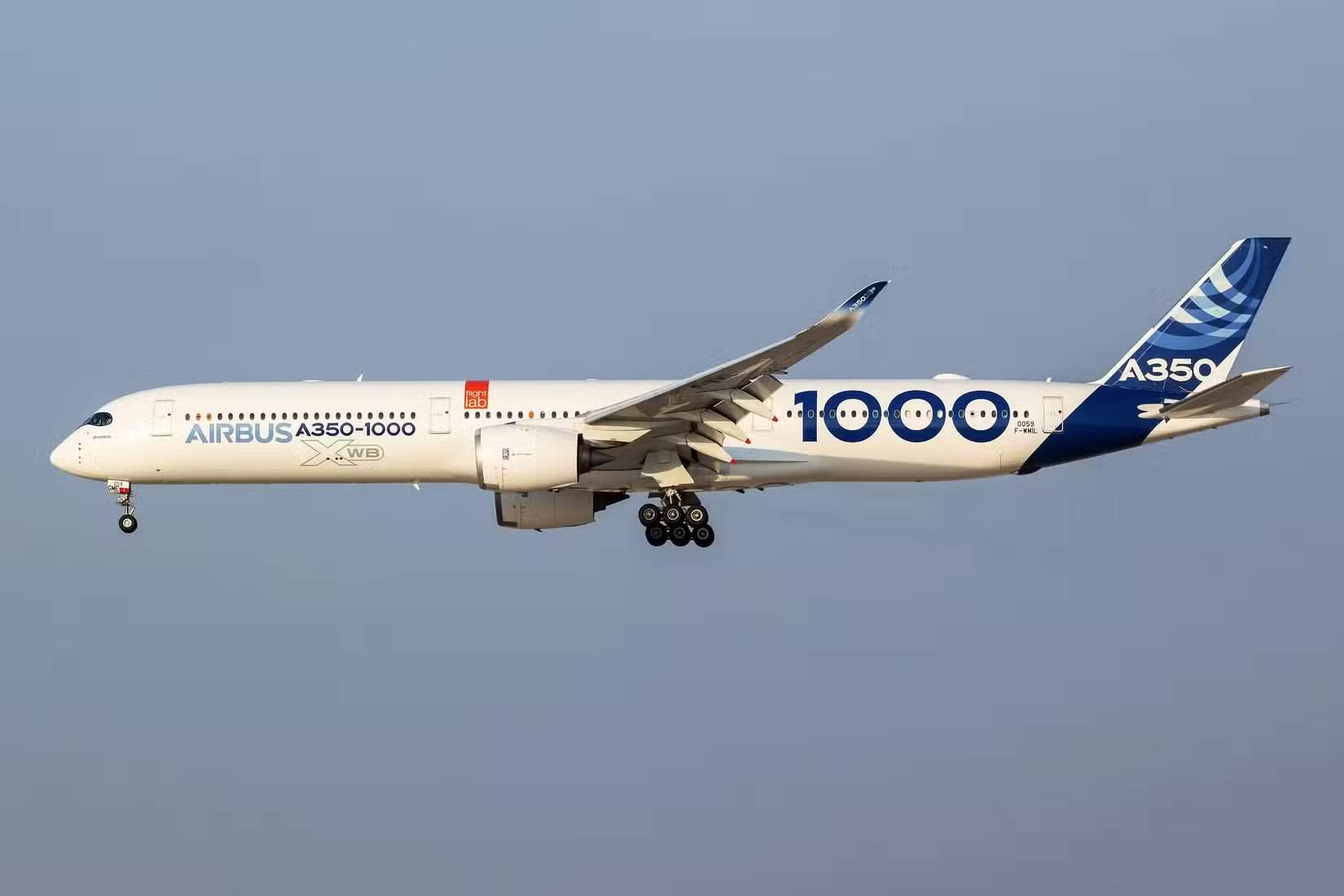
Under current fleet operating conditions, ultra-long-haul routes such as Vancouver–Delhi and Toronto–Mumbai already push the 777-300ER to its limits, especially with Russian airspace closed and flights forced to route over the polar region, where strong North Pacific winter headwinds or South Asian summer heat often compel dispatchers to reduce passenger counts or offload high-yield cargo pallets just to ensure sufficient fuel. According to AirInsight, Air Canada's Executive Vice President and Chief Commercial Officer Mark Galardo stated that the A350-1000 will unlock new possibilities for long-haul travel, enabling direct, unrestricted nonstop connections to high-growth markets such as India, Southeast Asia, and Australia. Passengers will no longer need to transit through foreign hubs like Hong Kong, Tokyo, or Los Angeles, and high-yield business and diaspora traffic can board directly from Toronto, Montreal, and Vancouver, improving Air Canada's competitive position against foreign carriers in these markets.
Air Canada's shift to the A350-1000 reflects Boeing's current predicament in widebody deliveries. The airline will continue its partnership with Boeing on the 787-10 program, but abandoning the delayed 777X signals that even customers with strong relationships will no longer let their long-haul fleet renewal schedules be held hostage to certification delays. Air Canada keeps capital expenditures at or below 12% of annual revenue, and the arrangement of 8 firm orders plus 8 purchase rights provides flexibility to gradually replace aging 777-300ERs and expand transpacific capacity in line with international market demand. After the first aircraft is delivered in the second half of 2030, Airbus's composite widebody will become the flagship pillar of Air Canada's global network, while Boeing will struggle to offer an equivalent option within this delivery window. The core of this decision is delivery certainty: the A350-1000 saves up to 25% fuel compared to the 777-300ER and offers an unrestricted range of 9,000 nautical miles (16,668 kilometers). By choosing an in-service widebody over a development program with uncertain delivery timelines, Air Canada's ultra-long-haul fleet will enter its next decade of operational cycles on this basis.
Related Products



"Shunyi 1600" Deep-submerging Bottom-sitting Multi-functional Wind Power Engineering Vessel
Zhengli Offshore Engineering Co., Ltd.

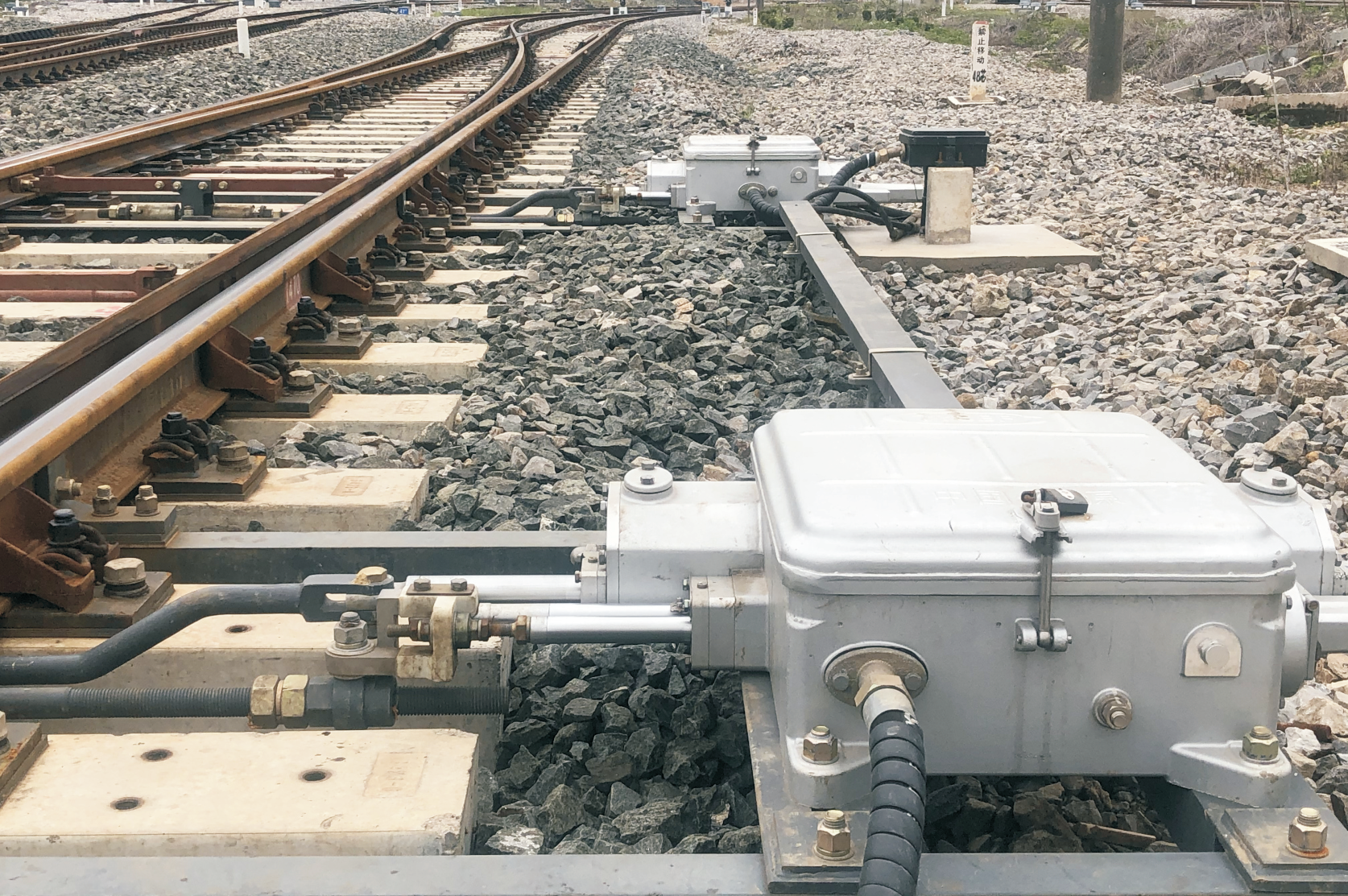
ZY(J)7(M) Sealed Type Electro-Hydraulic Turnout Machine
TAIYUAN CR JINGFENG EQUIPMENT TECHNOLOGY CO., LTD.
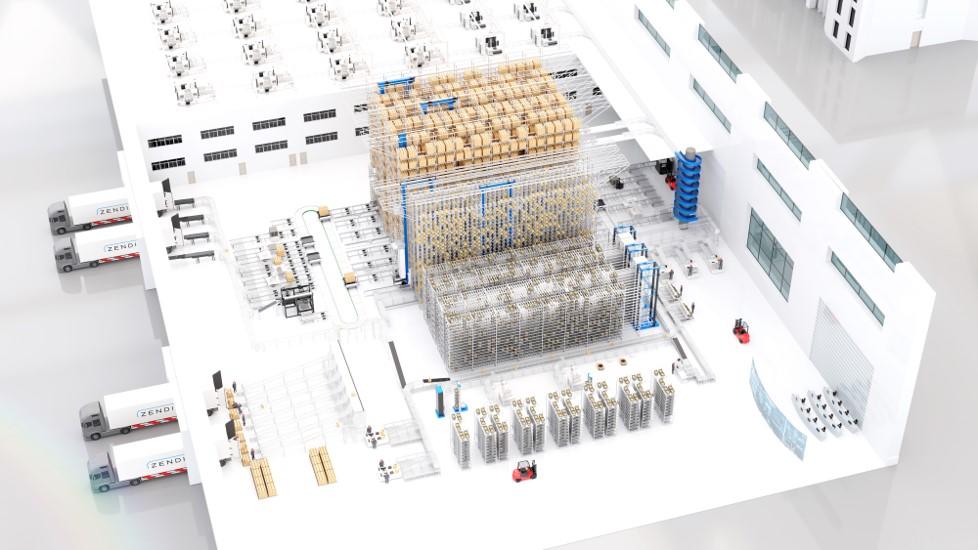
One-Stop Steward Service for the Entire Logistics System Integration Chain
Zhongding Intelligent (Wuxi) Technology Co., Ltd.
Pantograph-Catenary Comprehensive Detection Device (1C)
CHENGDU TANGYUAN ELECTRIC CO., LTD.
CLW5180TXSD6 Dongfeng Tianjin Washing and Sweeping Truck
ChengLi Special Automobile Co., Ltd.