ESA's First Batch of Space-Manufactured Thrusters from Metal 3D Printing on the International Space Station
en.Wedoany.com Reported - On October 1, the European Space Agency announced progress on the fifth batch of samples from the metal 3D printer on the International Space Station. This batch of samples has returned to Earth, including two microsatellite thrusters designed by the German Aerospace Center, marking the first time the device has manufactured propulsion system components in orbit. The samples were printed by the ESA Metal 3D Printer deployed in the Columbus laboratory module of the International Space Station and were retrieved by ESA astronaut Sophie Adenot in July of this year.
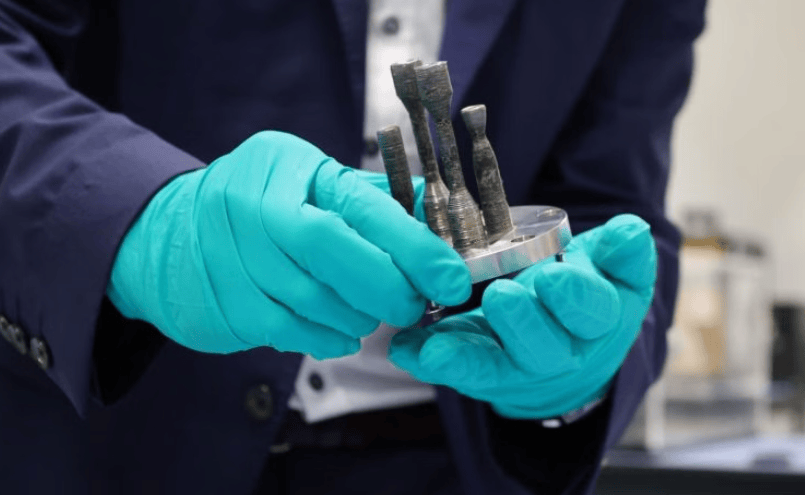
The fifth batch of samples contains a total of 4 components, of which two are larger test specimens and the other two are micro-thrusters. DLR designed two versions of the thrusters: one manufactured directly according to the target geometry, and the other using a thicker-walled structure so that the internal diameter of the thruster can be further refined through post-processing after returning to the ground.
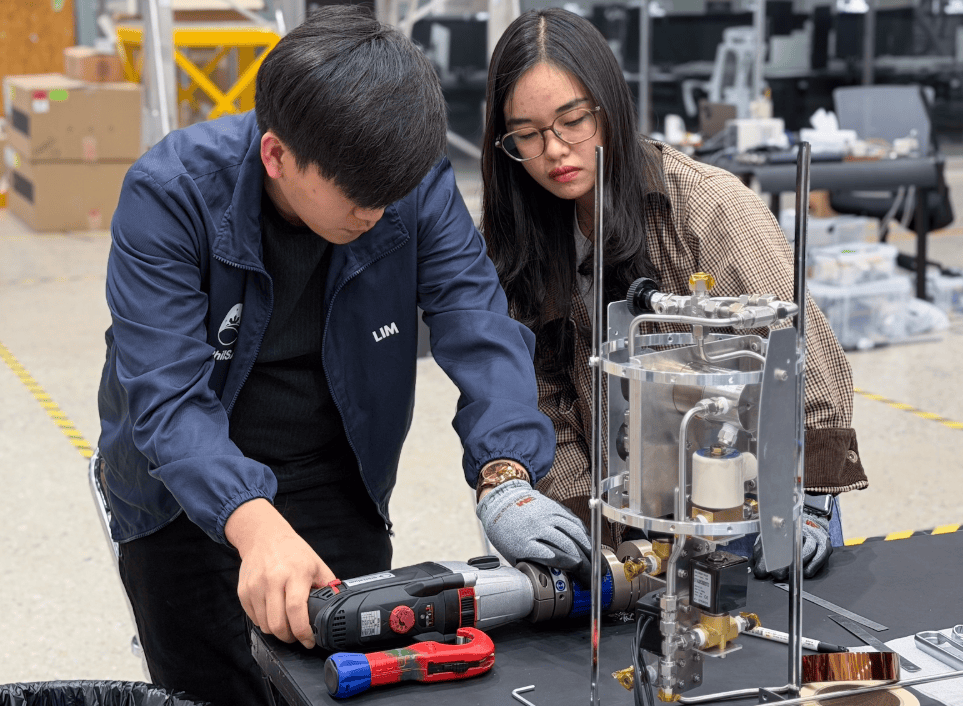
In the next phase, DLR will conduct hot-fire tests on these two thrusters at the vacuum test facility in Lampoldshausen, Germany, testing their functionality and performance under representative temperature, pressure, and operating conditions. At the same time, researchers will compare the in-orbit manufactured thrusters with corresponding components manufactured on the ground using the same process, analyzing the effects of microgravity on forming accuracy, material state, and final component performance.
ESA's metal 3D printing technology demonstration device was launched to the International Space Station in January 2024, developed by an industrial team led by Airbus, and installed in the Columbus laboratory module. The device uses laser-wire directed energy deposition technology, melting a stainless steel substrate and continuously fed metal wire with a near-infrared laser to form parts layer by layer along a predetermined path.
The device had previously completed the first full metal sample, which was also the first complete component completed through metal 3D printing under microgravity conditions. ESA's materials engineering team subsequently cut, bent, and analyzed the sample at the ESTEC technical center in the Netherlands, and adjusted the printing parameters based on the test results, which were then used for the manufacturing of the large components in the fifth batch of samples.
Related Products

XC-6000e Type Aviation Catering Truck (Fuel Type)
Shenzhen CIMC-TianDa Airport Support Ltd.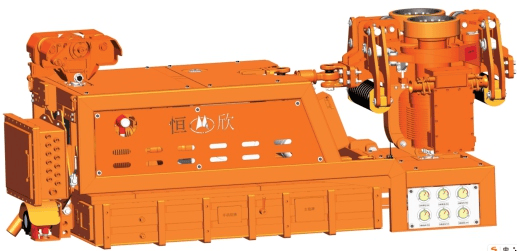
Explosion-proof lithium battery dispatching monorail crane locomotive (permanent magnet frequency conversion integrated machine)
Xiangtan Hengxin Industrial Co., Ltd.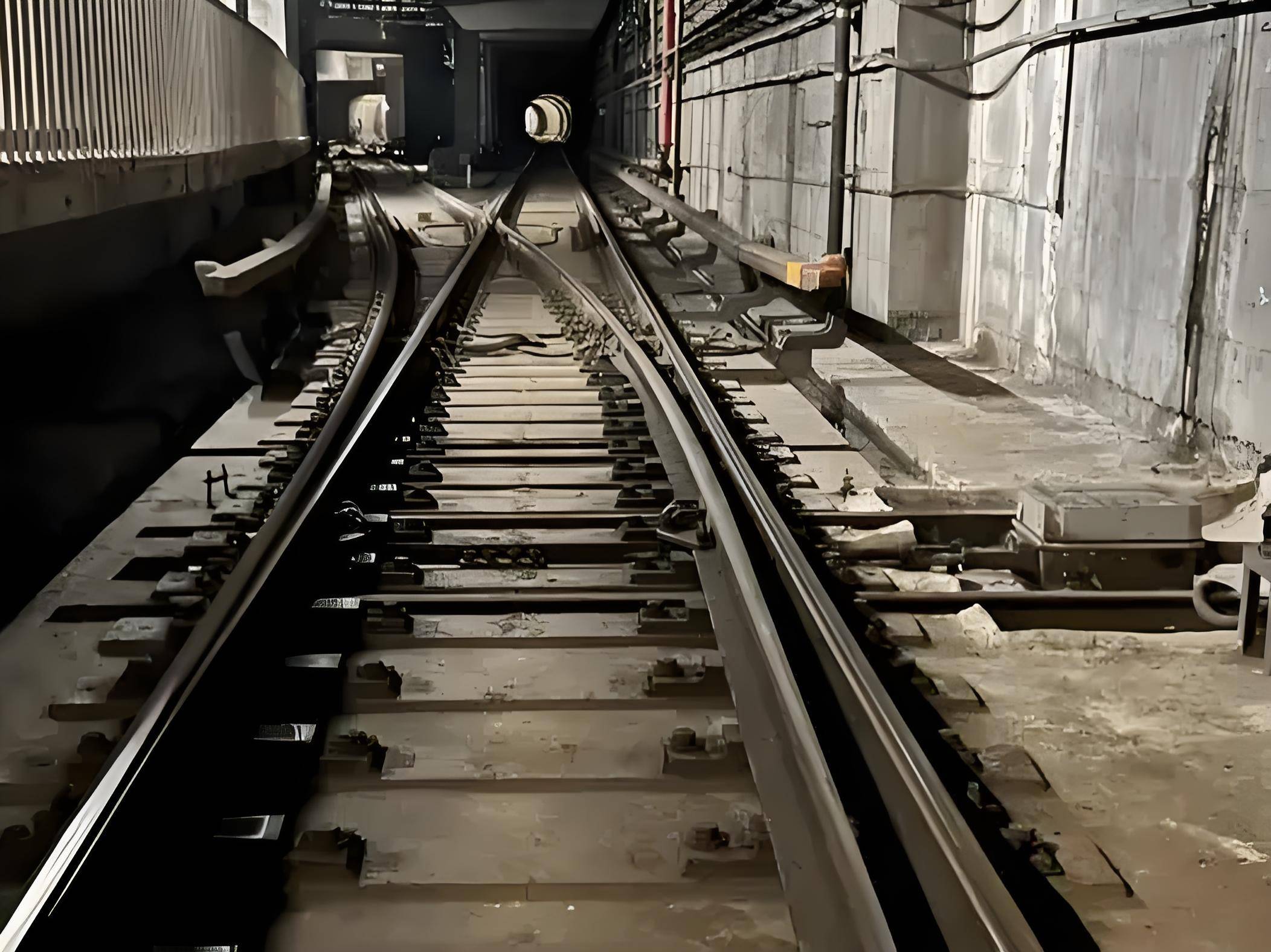
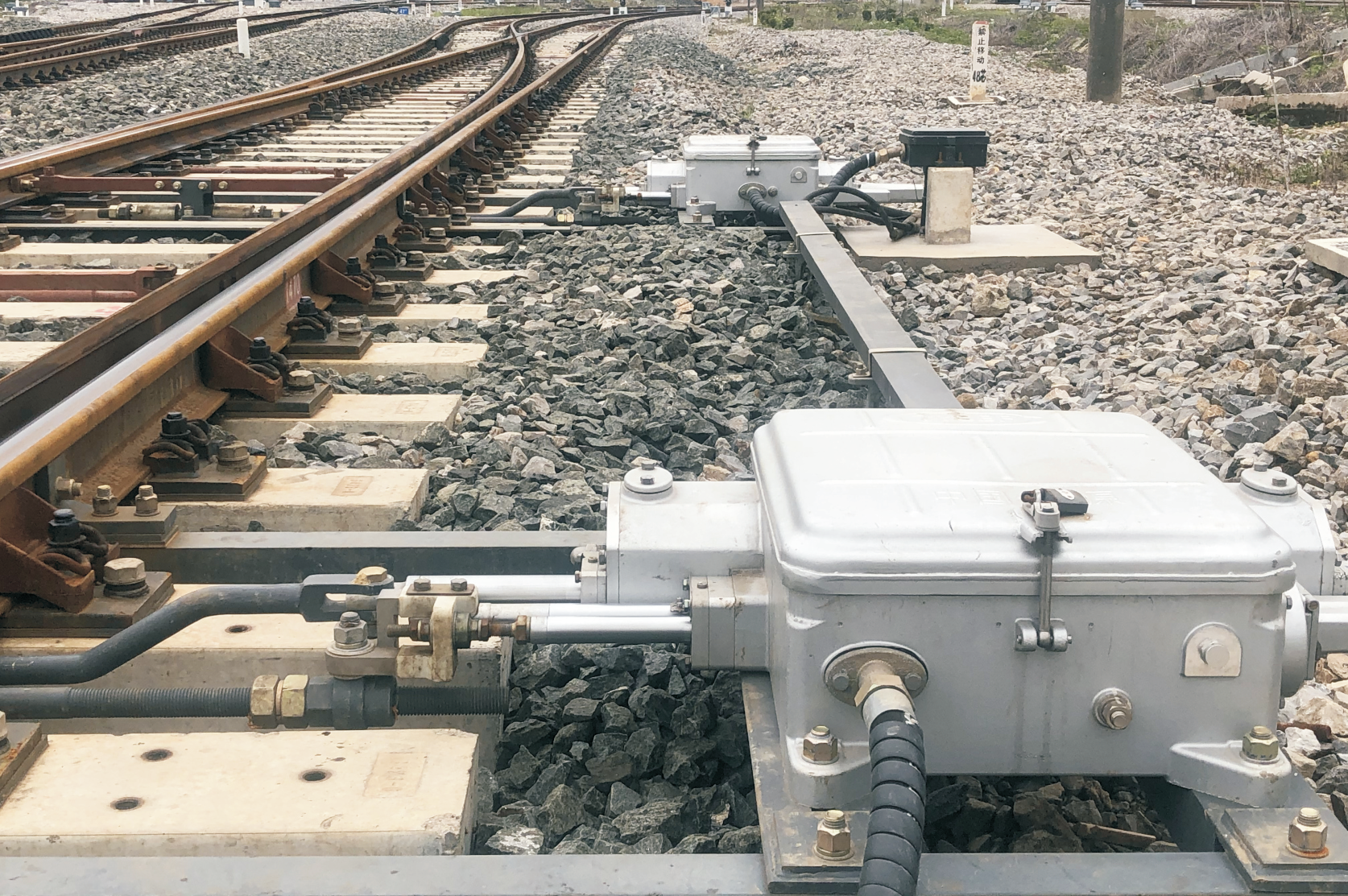
ZY(J)7(M) Sealed Type Electro-Hydraulic Turnout Machine
TAIYUAN CR JINGFENG EQUIPMENT TECHNOLOGY CO., LTD.
Wheel and Track Technology Business
Beijing Research & Design Institute of Rubber Industry Co., Ltd.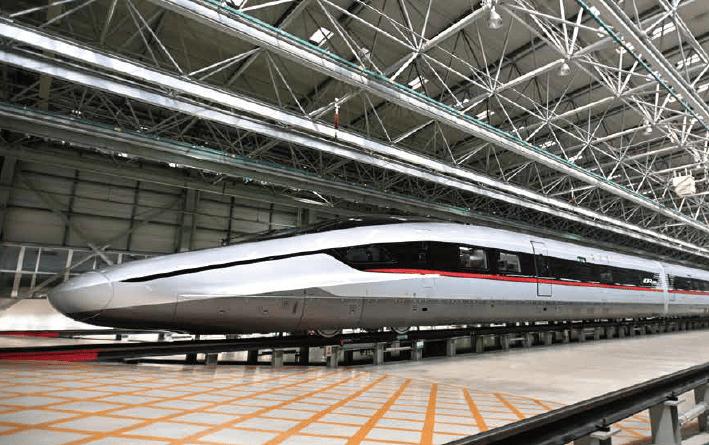

Industrial and Commercial Point-Type Gas Detector
Jinan Benan Technology Development Co., Ltd.
ERW Welded Pipe (Black Pipe and Hot-dip Galvanized Steel Pipe)
Handan Zhengda Steel Pipe Co., Ltd.