Colombian Solar Association Proposes Nine Measures to New President to Boost Self-Consumption and Distributed Generation
en.Wedoany.com Reported - The Colombian Solar Association (ACOSOL) has submitted an institutional agenda proposal to the country's new president, Abelardo de la Espriella, outlining nine action areas to accelerate the development of self-consumption and distributed generation, covering regulatory review, grid supervision, process simplification, and the integration of energy storage into planning.
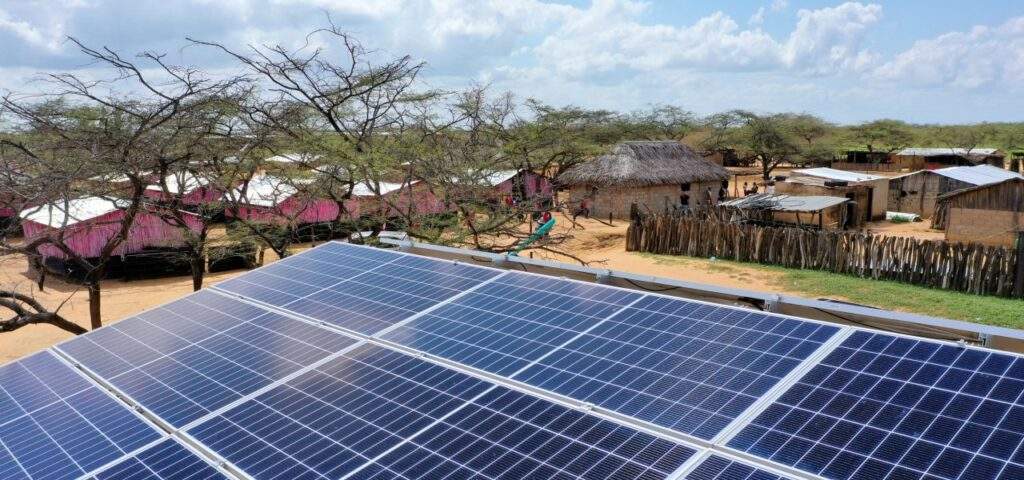
The proposal notes that households, commercial, industrial, and agricultural producers, as well as investors and developers, are facing multiple barriers in self-consumption and distributed generation projects. The association believes that improvement efforts should focus on four institutions: the Ministry of Mines and Energy, the Energy and Gas Regulatory Commission (CREG), the Superintendency of Public Household Services (SSPD), and the Mining and Energy Planning Unit (UPME).
The lack of uniform standards among grid operators is highlighted as one of the key issues. ACOSOL states that operators impose additional technical or documentation requirements, differing interpretations of regulations, delays in connection processes, and administrative and technical difficulties during facility connection and commissioning. To address this, the association proposes strengthening the SSPD's inspection, oversight, and control functions through dedicated mechanisms to identify additional requirements, unjustified standard variations, or practices that deviate from national regulations. The goal is not to reduce grid operators' responsibility for the safety and reliability of the power system, but to ensure that requirements are implemented uniformly, transparently, and proportionately nationwide.
Updating the regulatory framework is another focus of the proposal. The association acknowledges the role of CREG Resolution 030 (2018) and its successor, CREG Resolution 174 (2021), in the industry's development, while recommending a review of provisions such as power limits, the capacity to integrate distributed energy resources, connection procedures and timelines, guarantees, and the economic conditions for surplus energy feed-in and settlement, in light of technological evolution and market growth.
Regarding distribution network studies, ACOSOL proposes that any modification to penetration limits should be based on up-to-date studies of the actual conditions of distribution networks. The association states that it is currently difficult to obtain sufficiently detailed information from some grid operators on available capacity, penetration levels, technical constraints, and distribution system behavior, and therefore calls for mechanisms to provide standardized technical information and for nationwide studies to assess the capacity of Colombia's grid to integrate higher levels of self-consumption, distributed generation, and energy storage. These efforts would involve CREG, UPME, grid operators, academia, industry associations, and independent experts.
The agenda also proposes reforming UPME's administrative procedures to simplify the process for non-conventional renewable energy (FNCER) projects to obtain tax incentives. The association points out that current issues include long response times, documentation requirements, differing interpretations of the eligibility of goods and services, and administrative rework. It recommends simplification through unified technical standards, clear effective response deadlines, improved case traceability, and the introduction of digital tools. The association also calls for the establishment of a one-stop shop for self-consumption and distributed generation to facilitate information exchange among different entities and avoid users and companies submitting duplicate documents to multiple agencies.
Regarding the Ministry of Mines and Energy, ACOSOL calls for greater consistency in the interpretation of the Technical Regulation for Electrical Installations (RETIE) in areas such as certification, declarations of conformity, and the applicability of requirements based on installation capacity. The association emphasizes that simplification should not lower electrical safety standards, but rather establish clear, technically sound, and risk-proportionate requirements with uniform implementation. It also recommends that the ministry promote a comprehensive self-consumption policy covering regulation, planning, oversight, incentives, energy storage, and distribution network modernization.
As a concrete coordination mechanism, ACOSOL proposes the creation of a high-level inter-ministerial technical working group involving the Ministry of Mines and Energy, CREG, SSPD, UPME, and industry representatives, with defined objectives, responsibilities, timelines, and tracking mechanisms. The association notes that the same project is often simultaneously subject to CREG regulations, Ministry of Mines and Energy technical provisions, grid operator connection processes, SSPD oversight, and UPME procedures, and that enhanced coordination would help develop a roadmap to reduce development barriers without compromising the safety, reliability, and quality of Colombia's power system. The association has requested a meeting with the government to present the identified issues and technical recommendations.
Related Products
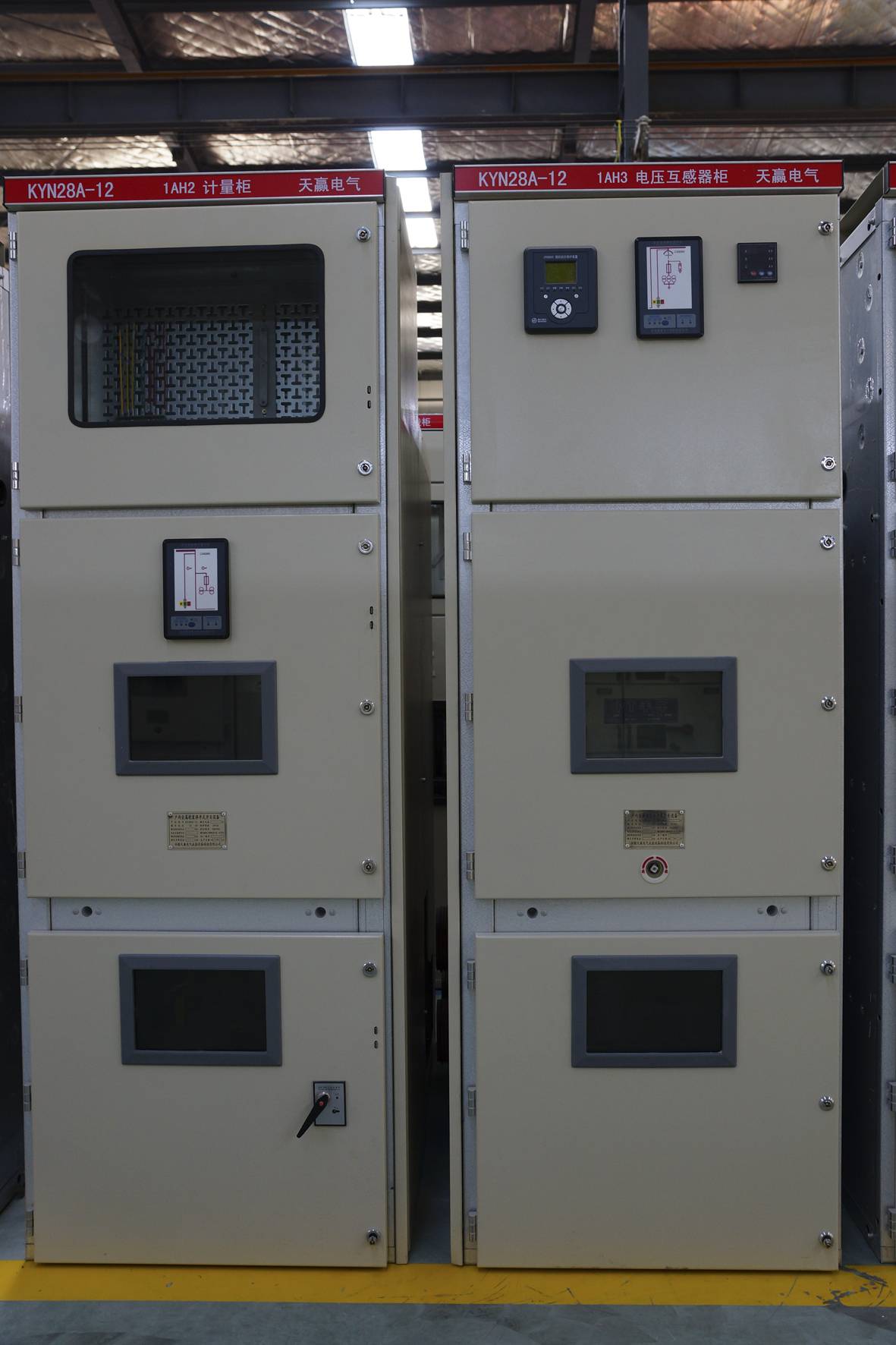

KYN28 - High Voltage Switchgear
Anhui Tianying Electrical Equipment Manufacturing Co., Ltd.

Prefabricated Houses and Electrical Energy Boxes
Chengdu Ruilong Machinery Manufacturing Co., Ltd.
Perfluorinated Ionic Membrane-CM-10N Series Membrane
Guizhou Juneng Century Technology Co., Ltd

G.652.D Wavelength-extended Non-dispersion Shifted Single-mode Optical Fiber
HONGAN GROUP CO., LTD.