São Paulo State Installs 1.3 MW Solar PV Systems in 40 Schools
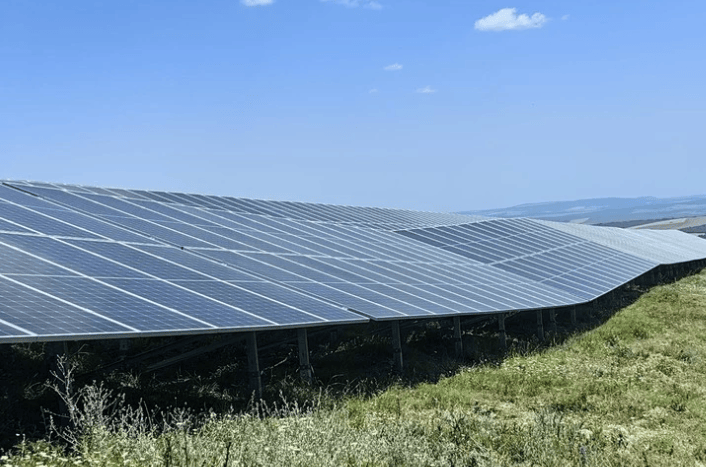
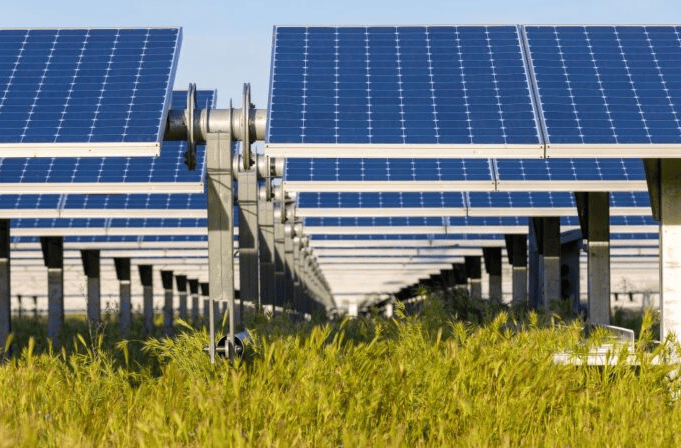
en.Wedoany.com Reported - The São Paulo state government has launched a solar power project covering schools in coastal regions, planning to install PV systems with a total installed capacity of 1.3 MW across 40 state schools, with an expected annual generation of approximately 1.7 GWh. The project is being implemented in partnership with local distribution utility Neoenergia Elektro.
The total investment in the project is approximately R$6 million (about US$1.15 million), with all funding coming from the Energy Efficiency Program (PEE) of Brazil's National Electric Energy Agency (Aneel). The funds will be used for electricity consumption diagnostics, lighting system retrofits, and PV system construction at each school.
The PV generation is expected to meet approximately 75% of the participating schools' electricity demand, with annual generation equivalent to the consumption of about 770 households. The project will directly benefit approximately 29,000 students, teachers, and staff members. The selected schools were determined by the São Paulo State Department of Education (Seduc) and are distributed across 12 municipalities: Bertioga, Cananéia, Guarujá, Ilhabela, Ilha Comprida, Iguape, Itanhaém, Mongaguá, Peruíbe, Praia Grande, Registro, and Ubatuba.
Before implementing energy efficiency measures, each school will undergo an assessment of its facilities and electricity consumption to identify waste points and opportunities for reducing electricity use. Upgrading lighting systems is one of the measures planned, with a focus on reducing energy consumption and improving campus environmental conditions.
The project also takes into account the growing electricity demand from air conditioning use in schools. The state government stated that the proliferation of air conditioning has increased schools' electrical loads but has also improved working conditions for teachers and learning environments for students. The combination of energy efficiency improvements and PV generation will partially offset this impact and reduce state government spending on electricity.
Natália Resende, Secretary of Environment, Infrastructure, and Logistics for the State of São Paulo, stated that solar power is particularly well-suited for schools because most electricity consumption occurs during daylight hours. She noted that the program aligns with the state government's policy direction of promoting energy transition and expanding renewable energy, with savings from reduced energy expenditures available for use in other areas of government. Resende also stated that schools will thereby become practical venues for learning about clean generation, energy efficiency, and the low-carbon economy.
The project also aims to integrate sustainability into daily school life. The state government expects the PV systems to serve as vivid examples for students and communities of renewable energy production and responsible electricity use. Renato Feder, Secretary of Education for the State of São Paulo, emphasized that the program combines cost reduction with environmental education and innovative actions within schools. Neoenergia Elektro, which is responsible for investments under the Energy Efficiency Program framework, serves 223 municipalities in the State of São Paulo. Solange Ribeiro, Vice President of Neoenergia, stated that the construction of PV plants helps bring the energy transition closer to the public and to educational environments. She also mentioned that Neoenergia invested R$113 million in energy efficiency projects in 2025, with related actions benefiting more than 160,000 electricity consumer units nationwide.
The school project is advancing in parallel with another São Paulo state government initiative to expand solar generation in the public sector. In early July, the state government announced the list of selected municipalities, with city governments in 214 municipalities set to receive support for PV generation projects. The program aims to reduce municipal electricity expenditures, expand the application of renewable energy solutions, and support the state government's climate change policies, closely aligning with the goals of the Climate Action Plan 2050 (PAC 2050) and the State Energy Plan (PEE 2050). The first phase is expected to invest R$5 million, with funding from the State Pollution Prevention and Control Fund (Fecop). The list of selected municipalities has been published in the Official Gazette, after which city governments will receive notifications and submit required documentation based on available funding.
Related Products


Industrial and Commercial Point-Type Gas Detector
Jinan Benan Technology Development Co., Ltd.
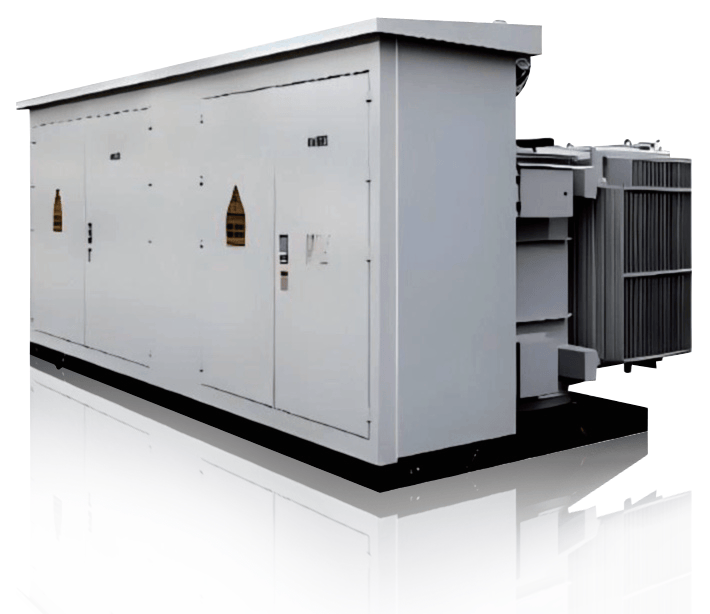
H-40.5/0.4~1.14kV New Energy Power Generation Dedicated High Voltage/Low Voltage Prefabricated Substation
XJ (Xiamen) Intelligent Power Equipment Co., Ltd.
Modular Multifunctional Water Supply and Drainage Vehicle (18T)
Changsha Dewater Machinery Technology Co., Ltd.