India's Under-Construction Renewable Energy Projects Exceed 150 GW by End of June 2026
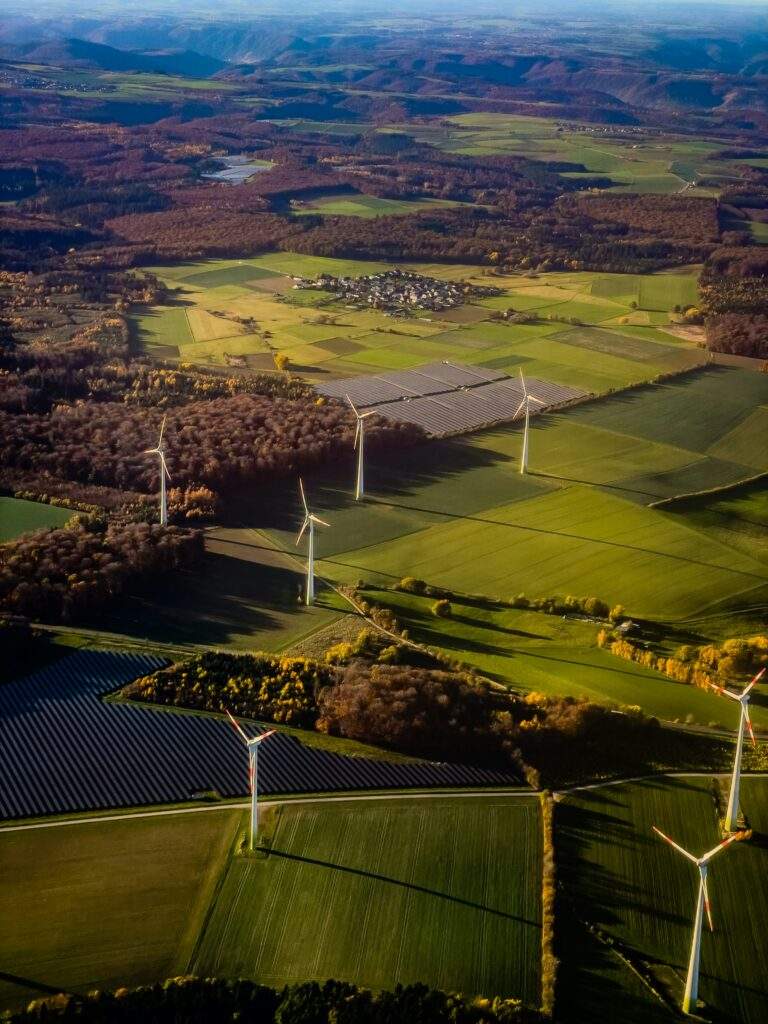
en.Wedoany.com Reported - Indian credit rating agency ICRA forecasts that renewable energy, including large hydropower, will account for over 35% of the country's total electricity generation by fiscal year 2029-30, a significant increase from 22% in fiscal year 2024-25.
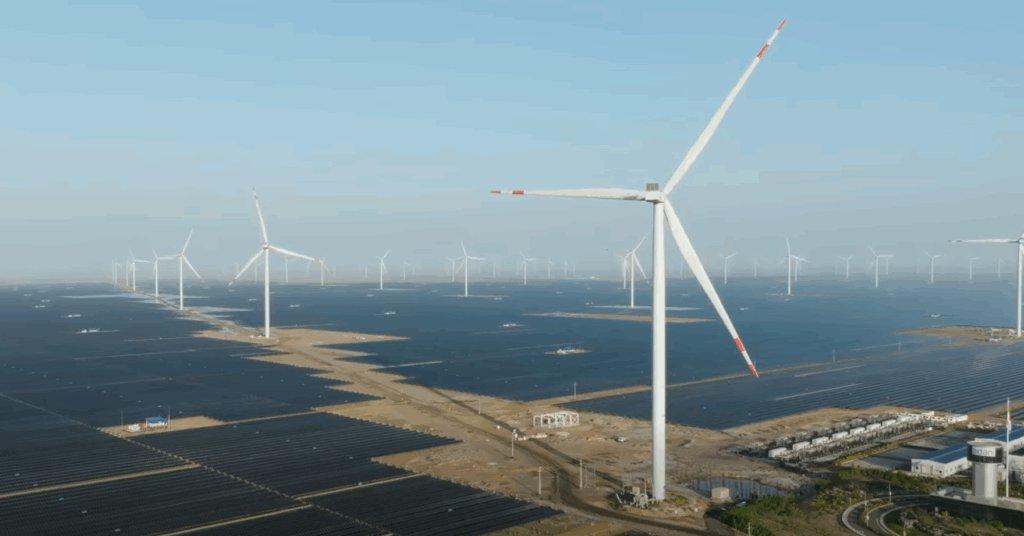
As of June 30, 2026, India's under-construction renewable energy projects exceeded 150 GW, with a robust project pipeline still in place. ICRA stated that these projects are expected to drive capacity growth in the near to medium term.
ICRA also noted that whether the share of renewable energy in power generation can increase as scheduled depends on the actual implementation of the existing project pipeline, including projects that have been awarded and have signed power purchase agreements (PPAs); in addition, adequate transmission infrastructure needs to be built, and central nodal agencies must timely tender new projects and sign PPAs.
The pace of transmission infrastructure development lagging behind generation capacity growth has raised concerns about curtailment, particularly affecting projects operating under the Temporary General Network Access (T-GNA) mechanism. Data shows that renewable energy capacity awarded in India stood at 40.6 GW in fiscal year 2024-25, declining to 14.7 GW in fiscal year 2025-26, with the slowdown continuing in the current fiscal year—only 4.7 GW had been awarded as of August 10, 2026. Meanwhile, as of April 2026, capacity without signed PPAs remained as high as 40 to 45 GW.
Girishkumar Kadam, Senior Vice President and Group Head of Corporate Ratings at ICRA, stated: "Renewable energy capacity growth is being hampered by issues with transmission connectivity infrastructure, with frequent grid curtailment events impacting project returns. Among the affected substations in the northern, western, and southern regions, approximately 37% of capacity operates under T-GNA and faces curtailment of 30% to 50% during solar hours."
Kadam believes that timely development of intra-state and inter-state transmission infrastructure, along with enhanced energy storage capacity, is crucial for protecting project economics and sustaining the pace of capacity growth, as the share of renewable energy in the generation mix continues to rise.
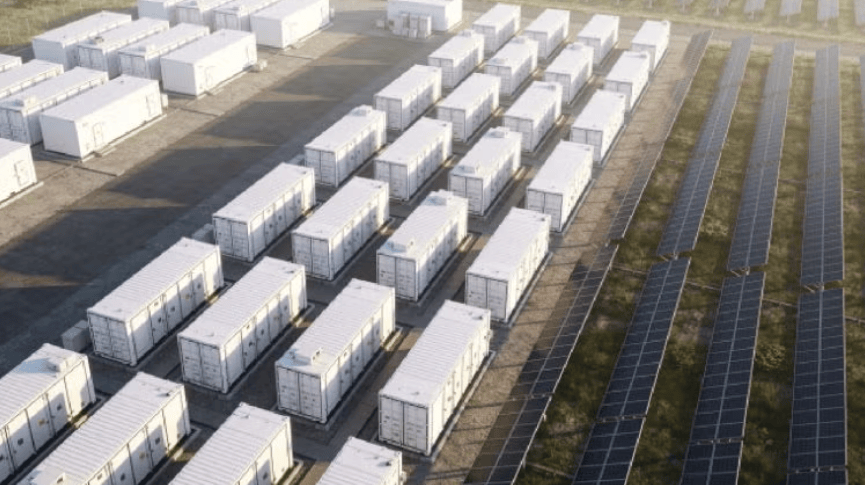
As renewable energy penetration increases, the importance of energy storage for grid stability is growing. Falling battery costs, coupled with viability gap funding and a transmission charge waiver extending to June 2028, have jointly driven India's adoption of battery energy storage systems (BESS). ICRA stated that BESS awarded capacity has increased significantly over the past 12 to 18 months, with total awarded capacity, including under-construction and operational projects, reaching approximately 90 GWh as of June 2026.
Based on current battery costs, ICRA estimates that the levelized cost of storage for 2- to 4-hour BESS projects ranges from INR 4 (USD 0.042)/kWh to INR 7/kWh, while pumped hydro storage costs approximately INR 5/kWh. Although 4-hour BESS remains more expensive, it carries relatively lower execution risk and shorter construction timelines.
However, ICRA cautioned that aggressive bidding in standalone BESS tenders could pressure project economics. Kadam stated: "The viability of BESS projects is closely linked to their capital costs. Based on recent average battery costs of USD 70-75/kWh, along with associated taxes, duties, and balance-of-system costs, capital costs are estimated at USD 110-130/kWh."
"However, expectations of further declines in battery prices have led to aggressive bidding in standalone storage tenders. Nevertheless, a reversal in price trends coupled with rupee depreciation against the dollar has impacted the economics of some projects."
Kadam stated that at current capital cost and interest rate levels, some previously tendered standalone BESS projects appear to face pressure on their debt service coverage ratio (DSCR), with values falling in the range of 0.80 to 1.20 times. He added: "Although some degree of pricing power recovery has been observed in recent tenders, given the limited track record, compliance with performance parameters such as availability, round-trip efficiency, depth of discharge, and degradation remains a key monitoring indicator for BESS projects."
Related Products
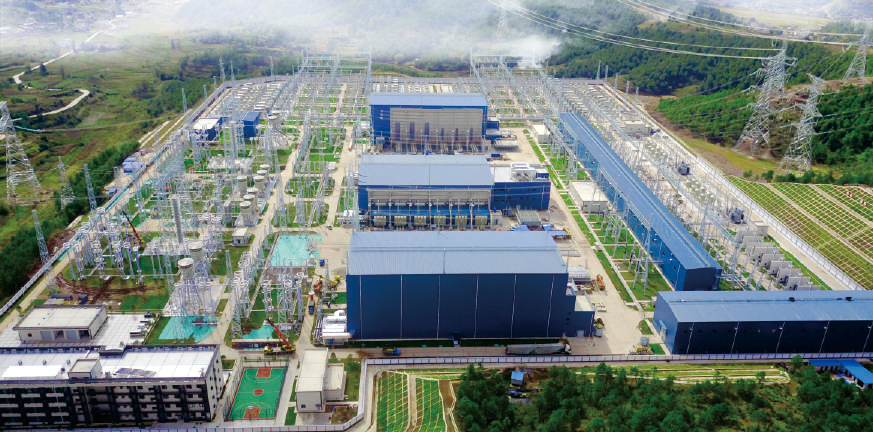

High-voltage Direct Current (HVDC) Transmission System Research and Integrated Design
XI'AN XD POWER SYSTEMS CO., LTD.
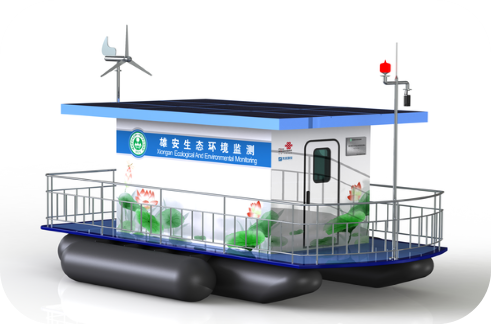
Floating Boat Water Quality Automatic Monitoring System
Hebei Sailhero Environmental Protection High-tech Co., Ltd.
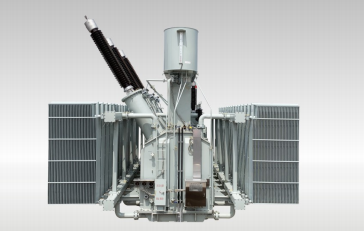
220kV and Below Voltage Level Energy-saving Oil-immersed Power Transformers
FuZhou TianYu Electric Co., Ltd.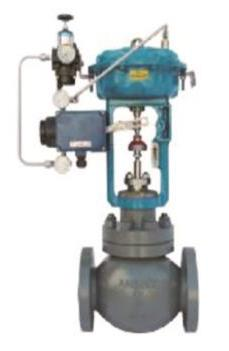
Quick-Change Single-Seat Control Valve / Quick-Change High-Pressure Single-Seat Control Valve
Beijing Consen Automation Technology Co., Ltd.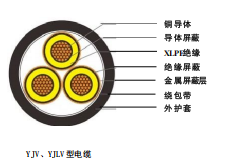
Rated Voltage 6-35kV Cross-linked Polyethylene Insulated Power Cable
TONGDING INTERCONNECTION INFORMATION CO., LTD.