Argentina's Catamarca Approves CAMYEN Restructuring on August 20, Advancing the Tres Quebradas Lithium Project with $709 Million
en.Wedoany.com Reported - The Senate of Catamarca Province gave final approval on August 20 to the restructuring of "Catamarca Minera y Energética Sociedad del Estado" (CAMYEN) into a single-shareholder corporation. The ruling party emphasized that the company will remain fully under state control. The restructuring is not merely a procedural adjustment; its purpose is to provide CAMYEN with more flexible corporate tools to manage mining areas, partner with private enterprises, and adapt more quickly to the pace of international mining capital. Beyond flexibility, transparency requirements have also been strengthened: the new regulations establish a supervisory committee with participation from the first minority bloc of the legislature, expanding public disclosure obligations regarding company authorities, personnel, tenders, financial statements, and audit information. CAMYEN is one of the gateways for foreign investors to access the province's mining assets and has already received inquiries from foreign companies interested in developing new areas. As business accelerates, public accountability capabilities must be enhanced in tandem.
Other key highlights for Catamarca's mining sector at this stage include: the MARA project awaiting national confirmation of its inclusion in the "Large Investment Incentive Scheme" (Régimen de Incentivo para Grandes Inversiones, RIGI); the Tres Quebradas project advancing with a $709 million investment; and growing pressure for procurement and employment to genuinely benefit the local economy.
The MARA project is the second focus of Catamarca's mining industry. It integrates the infrastructure of Agua Rica with Bajo La Alumbrera. During his visit to Catamarca, National Minister of Economy Luis Caputo anticipated that the application submitted to RIGI could be finalized "in the coming weeks." While final approval has not yet been granted, the national government's signals have rekindled expectations for this, the province's largest copper project. The project is expected to create 3,100 direct jobs and 3,200 indirect jobs. Local discussions have moved beyond export volumes or the foreign exchange copper will bring, shifting instead to contracts, suppliers, and the concrete opportunities facing districts such as Andalgalá, Belén, and Santa María.
Meanwhile, the restart of Bajo La Alumbrera is also progressing. In May, the Ministry of Mining approved the updated Environmental Impact Report and approved the extraction plan through 2031. Glencore plans to link the restart with the Agua Rica project, with existing infrastructure playing a key role. If Alumbrera, MARA, and RIGI ultimately align, copper could reclaim a position on Catamarca's investment agenda similar to what lithium currently holds.
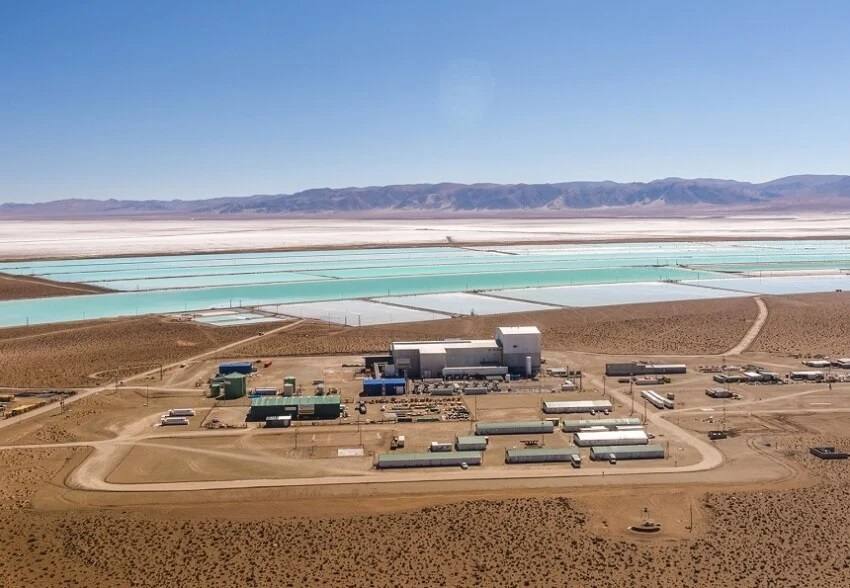
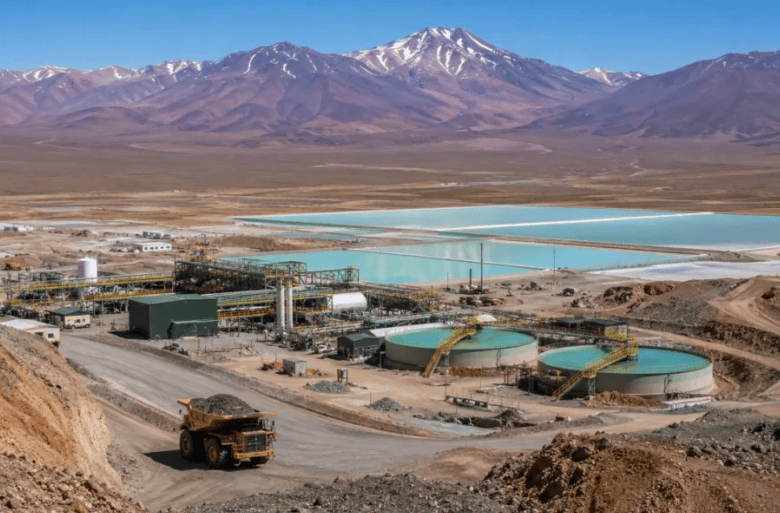
The Tres Quebradas project, located in Fiambalá, constitutes another major pillar. LIEX, controlled by Zijin Mining, has been incorporated into RIGI, reporting an investment of $709 million, with an expansion target of 40,000 tonnes of lithium carbonate per year. The project consolidates Catamarca's position as a key province on the global lithium map. However, this expansion comes a year after the project drew attention over environmental and safety concerns. In April, the Ministry of Mining fined LIEX 254.1 million pesos over a brine spill in March on National Route 60 in the Chaschuil area. Official reports described the impact as limited, temporary, and reversible, but the investigation also identified safety gaps in the transport segment. Additionally, a severe winter blizzard once left workers stranded, and shifts were rescheduled due to snow and high winds, demonstrating that logistics requirements for high-altitude mountain operations cannot afford any negligence.
As large-scale projects gradually advance, the tone of economic discussions is also shifting. This week, the three provinces of Catamarca, Salta, and Jujuy brought together companies, chambers of commerce, technical institutions, and financial organizations to discuss how to transform the lithium boom into a regional value chain. The core question is what proportion of mining expenditure truly remains in the producing provinces. Local businesses in transportation, food, maintenance, construction, engineering, software, and professional services all have room to grow, but the obligation to "buy Catamarca products" alone does not guarantee the formation of a solid production network. Small and medium-sized enterprises need working capital, certification, financing, scale, and trained talent to compete for demanding contracts. If these conditions do not materialize, mining may grow in exports without achieving a corresponding uplift in the provincial business network. Therefore, from now on, one of the most relevant indicators may no longer be as eye-catching as investment announcements, but it could be even more critical to the real economy. That indicator is: how much of the purchase orders, long-term jobs, and services remain in the hands of Catamarca's businesses and workers.
Related Products
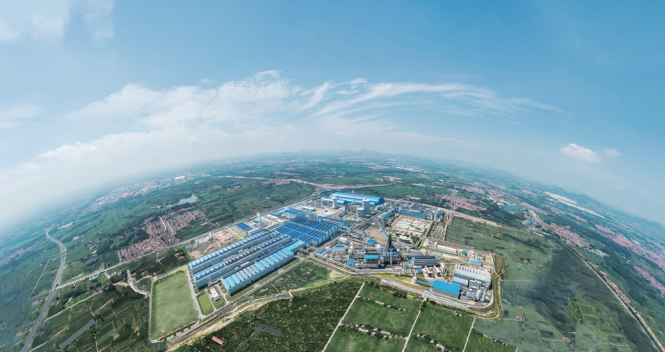

Linyi Steel Investment Special Steel 2.7 Million Tons per Year High-quality Special Steel Project
Capital Engineering & Research Incorporation Limited
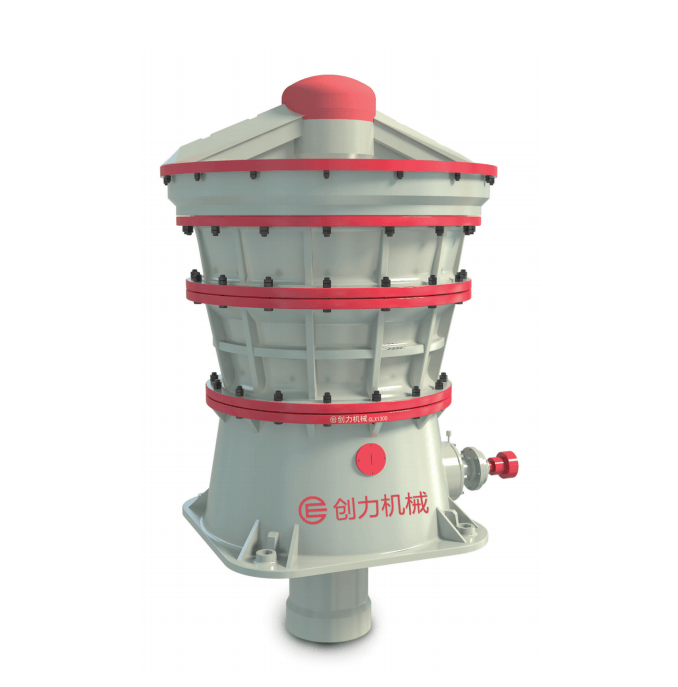
CLX Series Intelligent Hydraulic Gyratory Crusher
Guangdong CHUANGLI intelligent machinery Equipment Co., LTD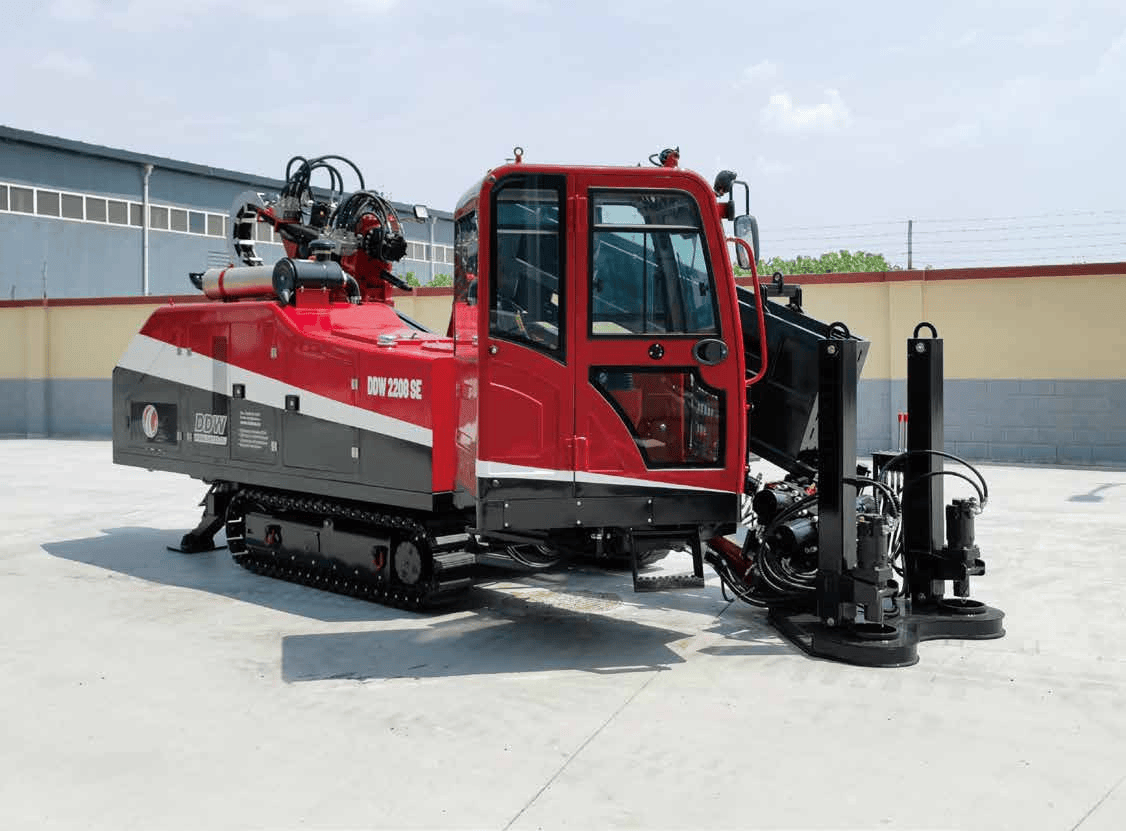
DDW22/08SE-HORIZONTAL DIRECTIONAL DRILL
DW/TXS Construction Equipment (Beijing) Co., Ltd.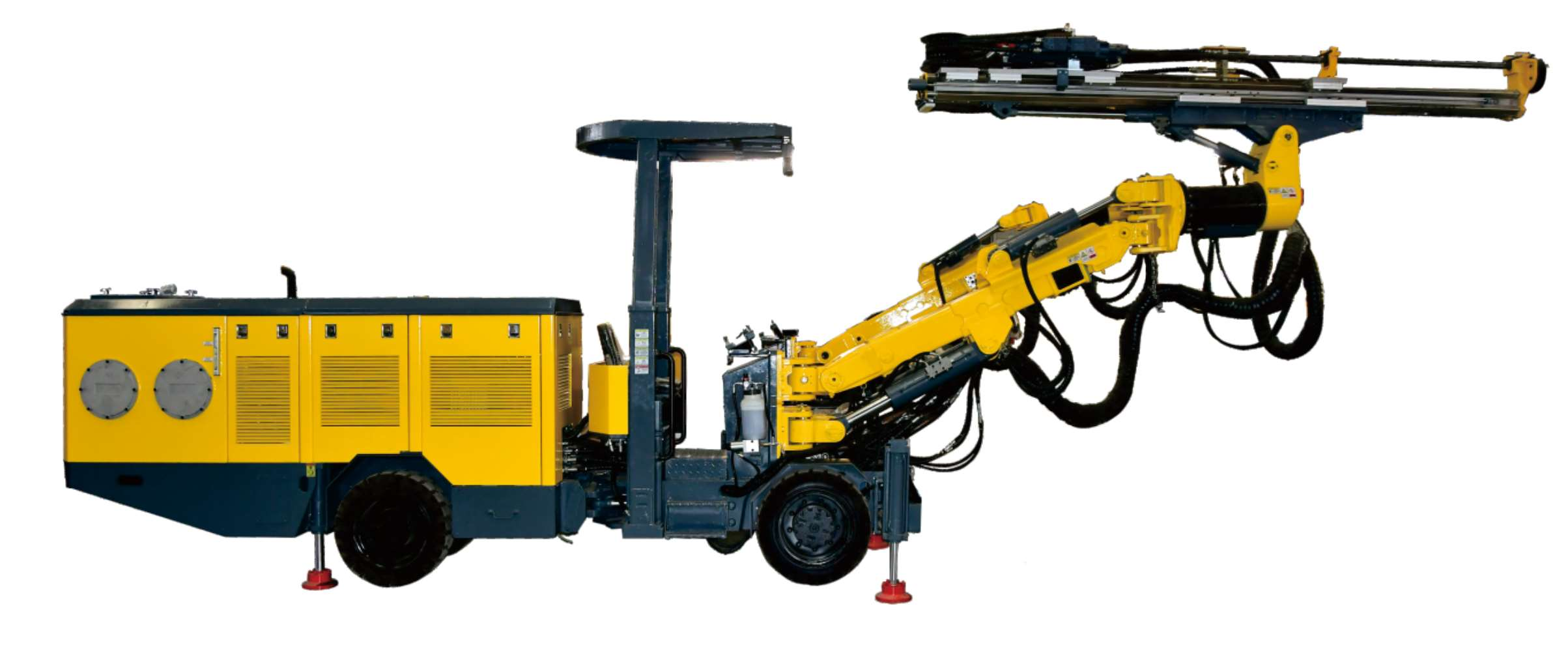
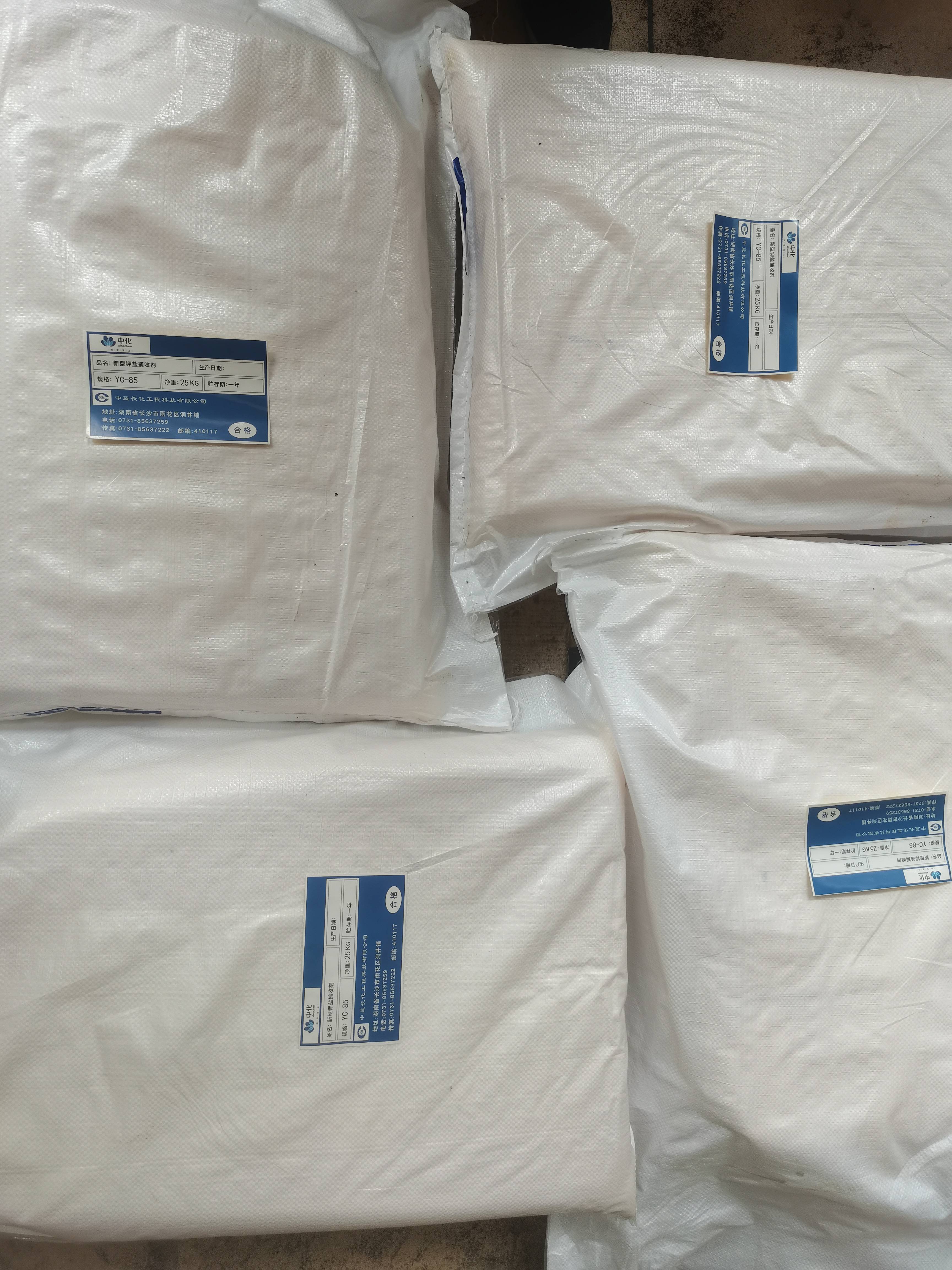
New Environmentally Friendly Green Potassium Salt Collector
Chonfar Engineering and Technology Co., Ltd.
Mine Explosion-proof and Intrinsically Safe Industrial Ethernet Ring Network (10 Gigabit/Gigabit)
Chongqing Mas Sci&Tech Co., Ltd.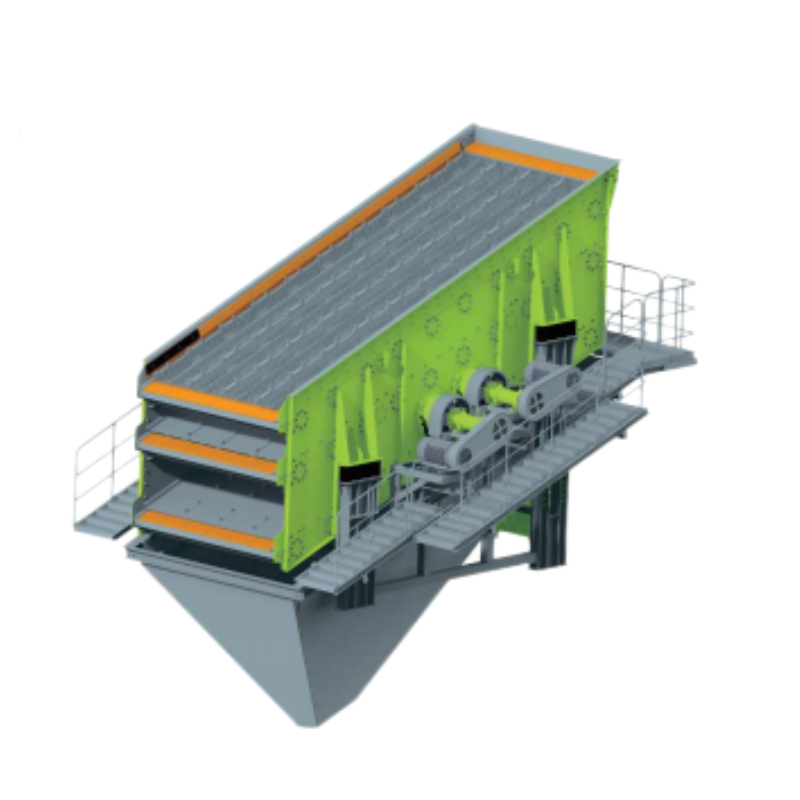
Core Technologies of the Mining Technology and Equipment Business Unit: Efficient Mining Methods and Processes
CHANGSHA INSTITUTE OF MINING RESEARCH CO., LTD.

Comprehensive Mining Automation Control System
Beijing Tianma Intelligent Control Technology Co., Ltd.