Iran Issues New Rules for Transiting the Strait of Hormuz
en.Wedoany.com Reported - On August 23, the Persian Gulf Strait Authority (PGSA) of Iran adjusted its management measures for vessel transits through the Strait of Hormuz. Vessels that violate Iran's transit rules may face fines, detention, confiscation, or transit restrictions on subsequent passages through the strait.
The Authority requires cargo owners and charterers operating to and from the Persian Gulf to consult its updated list of "non-compliant vessels" before signing charter contracts. As of the effective date of the new measures, vessels cooperating with those on the list—including ship-to-ship cargo transfers, transshipment operations, and other coordinated activities—will also be added to the list. This means that restrictions may extend from a single non-compliant vessel to other ships involved in subsequent transport and cargo handover operations.
Vessels seeking removal from the list must submit formal documentation to the Authority and provide justification. The Authority's statement did not specify the criteria for determining violations, fine amounts, or detention and confiscation procedures. Shipowners, cargo owners, and charterers are required to strengthen vessel compliance reviews before scheduling Persian Gulf voyages, and to verify counterparties and historical transshipment records.
The Strait of Hormuz connects the Persian Gulf with the Gulf of Oman and serves as the primary export route for crude oil, refined products, and liquefied natural gas (LNG) from Gulf states. According to data from the U.S. Energy Information Administration, approximately 21.6 million barrels per day of crude oil, condensate, and refined products transited the strait in the fourth quarter of 2025, including 15.9 million barrels per day of crude oil and condensate and 5.7 million barrels per day of refined products; LNG transit volumes during the same period averaged approximately 10.5 billion cubic feet per day.
Due to regional conflicts and transit restrictions, the volume of oil transported through the Strait of Hormuz fell to 14.9 million barrels per day in the first quarter of 2026, and further declined to 4.9 million barrels per day in the second quarter; LNG transit volumes dropped from 7.4 billion cubic feet per day to 0.8 billion cubic feet per day over the same period. The new vessel list and associated restrictive measures will further raise compliance requirements for charter screening, cargo transshipment, and voyage planning.
Related Products

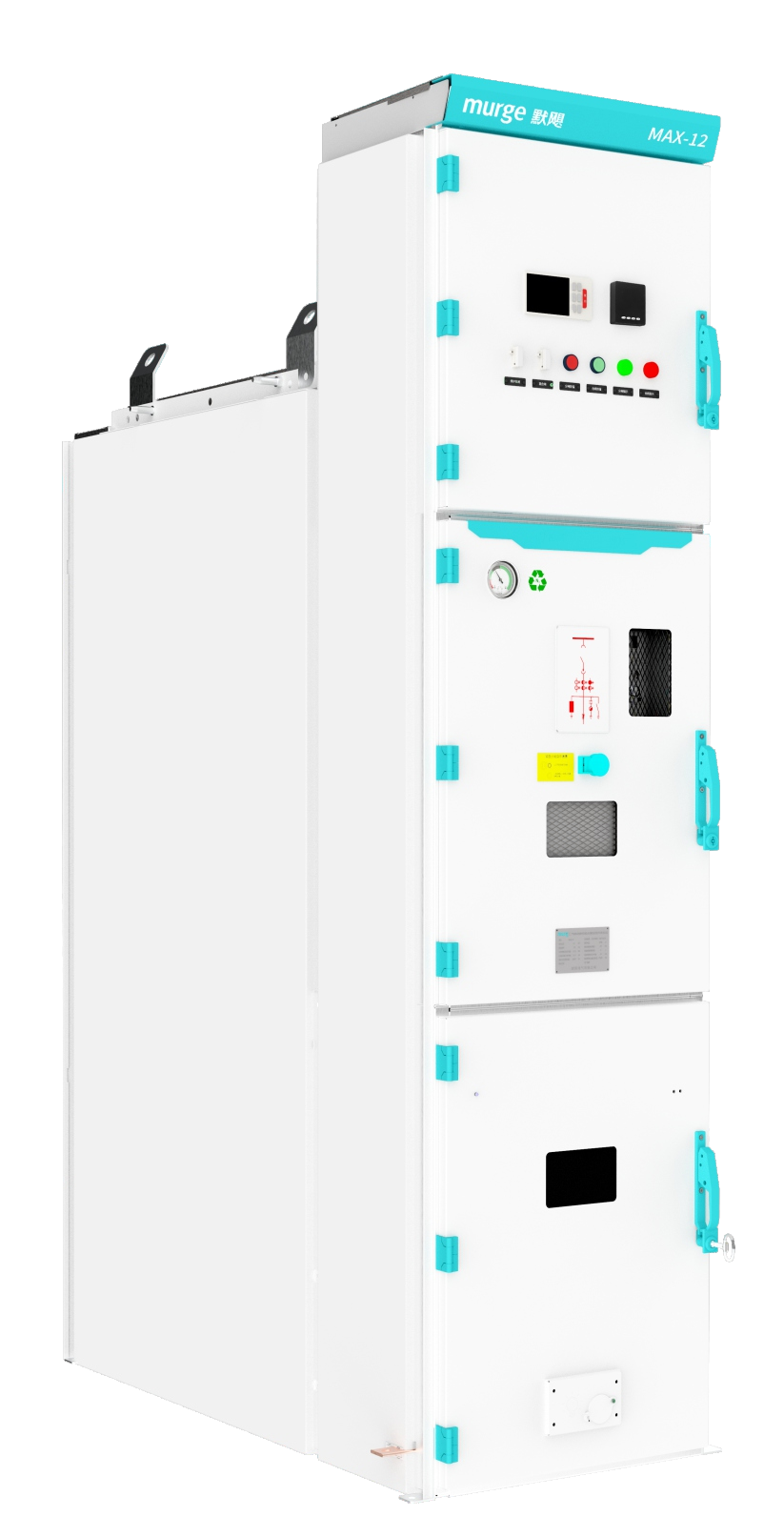
MAX-12 series Environmental Protection/SF6 gas insulated switchgear (C-GIS)
Murge Electric Co.,Ltd.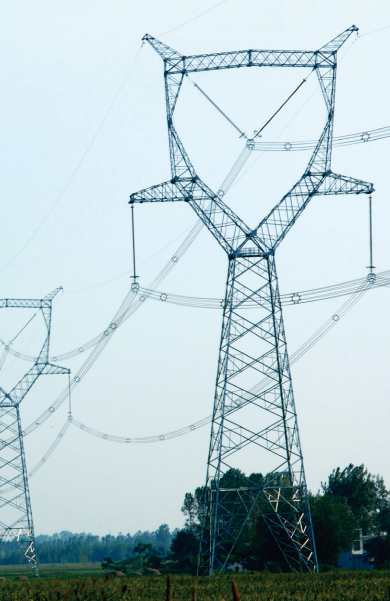
1000kV Jin Southeast-Nanyang-Jingmen UHV AC Transmission and Transformation Pilot Demonstration Project
Anhui Hongyuan Steel Tower Co., Ltd.

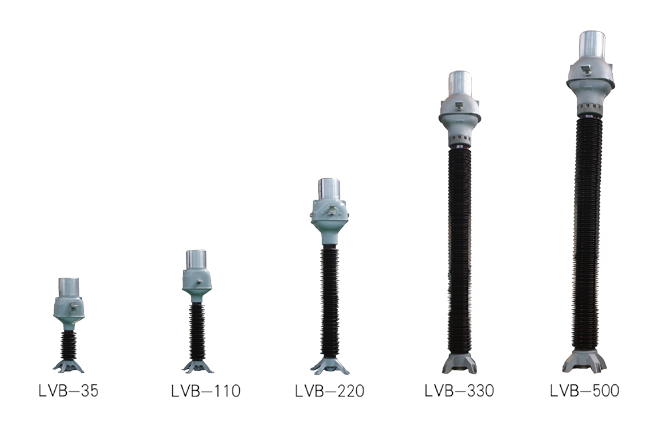
LVB Series 35-500kV Oil-immersed Inverted Current Transformer
Shandong Taikai Instrument Transformer Co., Ltd.

Hydraulic Turbine Genset
Dongfang Electric Corporation Dongfang Electric Machinery Co., Ltd.