New Plan for the Colorado River in the U.S. Could Cut Allocations by Up to 3 Million Acre-Feet Starting in October
en.Wedoany.com Reported - The U.S. federal government announced last week that a new water allocation plan for the Colorado River will take effect after the current agreement expires this October. According to The Guardian, this ten-year blueprint could reduce annual river water allocations to California, Arizona, and Nevada by up to 3 million acre-feet, a cut of 40 percent.
The dispute over the Colorado River dates back to 1922. That year, the upper basin states (Colorado, New Mexico, Utah, Wyoming) and the lower basin states (Arizona, Nevada, California) reached a legal agreement stipulating that the river would supply 7.5 million acre-feet of water annually to each group, totaling 15 million acre-feet. This allocation far exceeded the needs of the states at the time, and the agreement did not account for the possibility of water shortages. Today, the river actually supplies only about 12 million acre-feet to the seven states. One acre-foot equals the amount of water needed to cover a football field to a depth of one foot, approximately 326,000 gallons or 1.2 million liters.
The population along the river has expanded dramatically over the past century. When the agreement was signed, Phoenix had about 30,000 residents, Los Angeles about 500,000, and the area where Las Vegas now stands had just over 2,000 people. Today, Phoenix has a population of 1.7 million, with another 4 million in surrounding communities; Los Angeles has 4 million residents, with 8 million more in the surrounding region; and Las Vegas has grown to 700,000, with about 2 million people living nearby. All of this growth depends on the Colorado River's fresh water. Agriculture is equally dependent on the river's water, and low water prices have encouraged farmers to plant water-intensive crops such as hay, alfalfa, and lettuce, which is about 95 percent water.
Negotiations over the river's declining flow have remained stalled. For more than a decade, representatives from the seven states have continued to seek solutions but have been unable to reach a consensus. The federal government has no actual jurisdiction over the river itself, but it controls the dams at Lake Powell and Lake Mead and can directly regulate water flow downstream of the dams—the new plan announced last week is the result of this forced intervention.
The federal government's ten-year blueprint is intended to buy time for the states to negotiate among themselves. The plan sets a reduction of 1.25 million acre-feet in lower basin state allocations for 2027 and 2028, with possible further cuts thereafter depending on conditions. Noah Garrison, a water researcher at the UCLA Institute of the Environment and Sustainability, believes this merely postpones the problem, and that without addressing the root cause, water supplies for 40 million people face serious risk. Dr. John Berggren, regional policy manager at Western Resource Advocates, stated that restoring balance to the basin would require cuts exceeding 3 million acre-feet—about a quarter of the river's average annual flow—and even that scale may not be sufficient in particularly dry years.
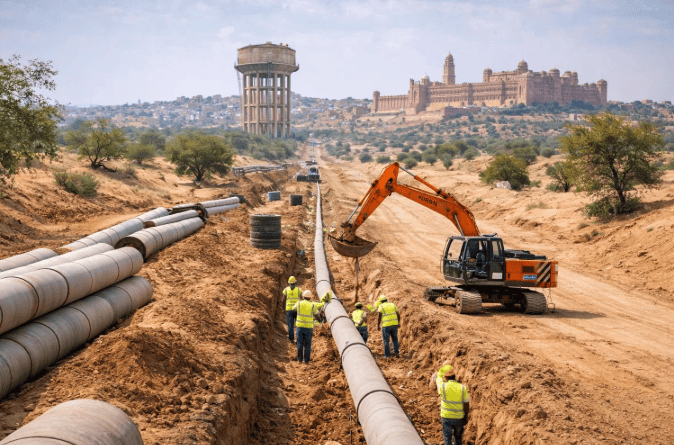
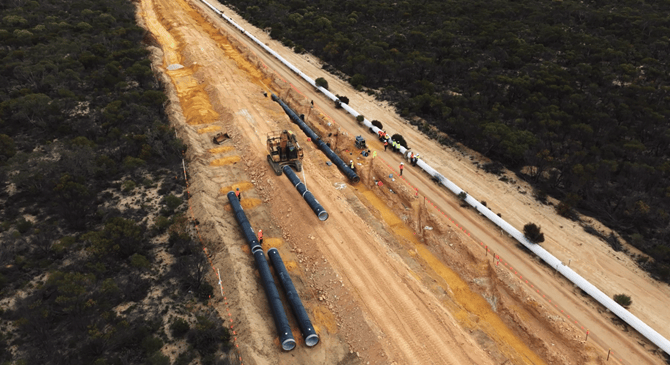
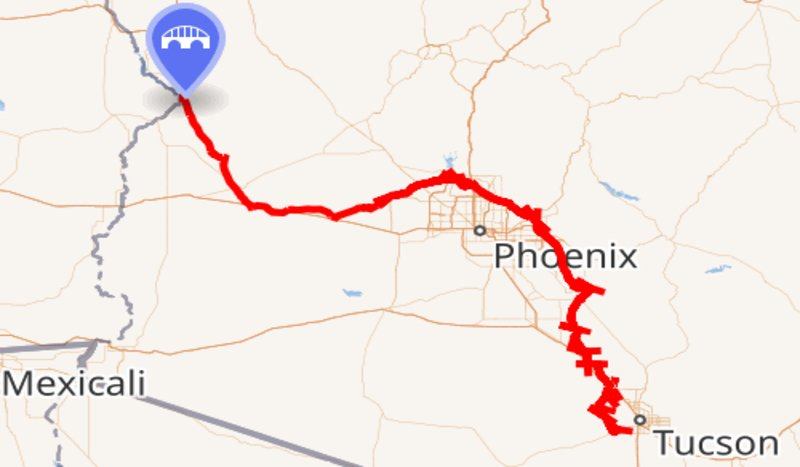
Arizona's dependence on the river is the most direct. The Central Arizona Project (CAP) is a 366-mile canal built in 1968 to address the state's water shortage, extending southeast from Lake Havasu to south of Tucson. Before the project was built, much of the state relied on underground aquifers, but those resources are being rapidly depleted. Currently, about 40 percent of Phoenix's water supply comes from the CAP. CAP General Manager Brenda Burman told The New York Times that if the canal were forced to shut down due to continued reductions in river flow, the social and economic consequences would be unimaginable.
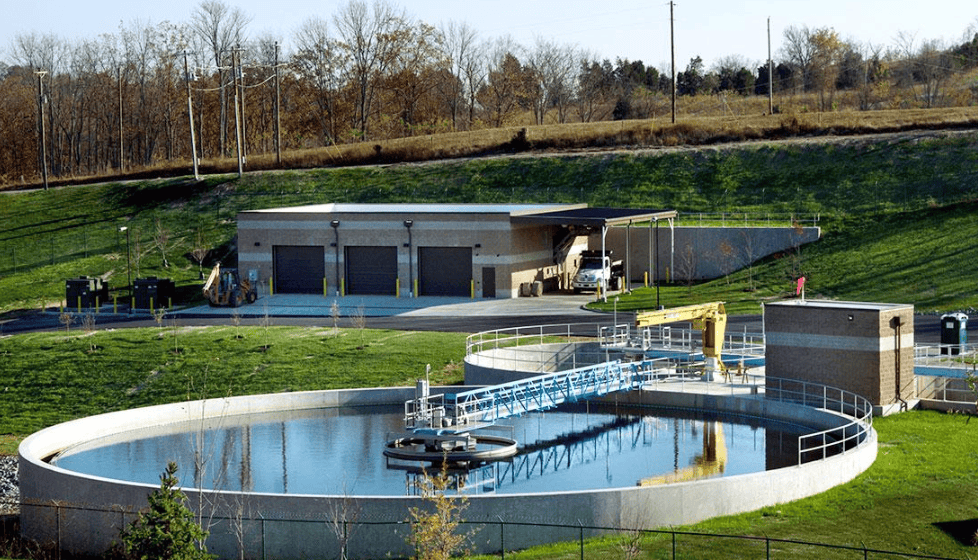
Arizona's current predicament stems in part from concessions made to secure passage of the CAP legislation. At the time, the state agreed with California that California would have priority rights to river water in emergencies. As water supplies tighten, the impact of this arrangement is becoming apparent. Additionally, tribal communities hold higher priority in CAP water allocations, and tribal leaders, citing historical precedent, fear that treaty rights may once again be stripped away. Phoenix Mayor Kate Gallego has called on the federal government to provide more funding for wastewater treatment plants so that treated wastewater can be converted into drinking water to cope with the cuts.
The water pricing structure is another point of contention. Agricultural and industrial users receive water from the CAP at prices far below those paid by residential users—a policy adopted by local governments to attract business investment, create jobs, and expand the tax base. But if this preferential arrangement leads to overconsumption of available water, the pricing mechanism loses its regulatory significance. Climate change is widening the water gap, with snowfall in the Rocky Mountains below normal levels and rising temperatures accelerating snowmelt.
Related Products


Ultra-pure Ferritic Stainless Steel Products
Gansu JISCO Group Hongxing Iron and Steel Co., Ltd.
RISITA explosion-proof air conditioning
Guangdong RISITA Air Conditioning Equipment Co.,Ltd.
300mm Segment Type Countdown Traffic Light (Core Type)
Yangzhou FAMA Intelligent Equipment Co., Ltd.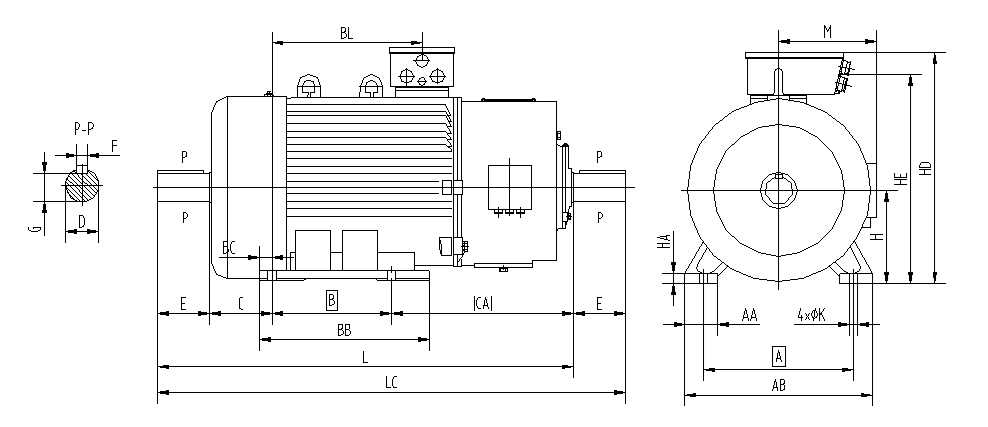
YZR (450-560) Series Wound Rotor Three-Phase Asynchronous Motors for Crane and Metallurgical Applications
Jiamusi Electric Machine Co., Ltd.





Industrial and Commercial Point-Type Gas Detector
Jinan Benan Technology Development Co., Ltd.
West China Xiamen Hospital of Sichuan University
Wuhan Huakang Century Clean Technology Co., Ltd.