Italian 3D-printed camper van helps Piaggio Ape cover 4,500 km to reach North Cape
en.Wedoany.com Reported - Italian driver Francesco Furlani drove a Piaggio Ape TM 703 three-wheeler fitted with a 3D-printed living module across nine countries and more than 4,500 kilometers, from Italy to Norway's North Cape (Nordkapp), at speeds of just 40 to 45 km/h. The module weighs approximately 70 kilograms without internal equipment, while an equivalent fiberglass structure would weigh around 200 kilograms. The materials and process were provided by Italian deep-tech startup Nugae, whose technological approach integrates materials, machinery, and software into a single manufacturing workflow.

The one-way trip took roughly three weeks. The cabin endured up to 12 hours of driving per day, rain, continuous vibration, gusts of wind up to 90 km/h, and temperature swings from over 30°C at departure to nearly 2°C near the destination. Nugae notes that these conditions cannot be equated with laboratory certification, but they do represent prolonged real-world exposure of the components under design operating conditions.
In large-format additive manufacturing, larger parts typically mean heavier weight, more material consumption, and longer post-processing times. For mobile applications, every additional kilogram reduces the available payload. The weight difference between 70 kilograms and 200 kilograms allowed this Ape to carry a bed, kitchen, outdoor shower, batteries, tanks, and supplies of water and food in addition to the cabin shell itself. To carry a complete living module on such a small vehicle, the cabin structure had to withstand both the actual payload and the rigors of the road.
CoreLight3D is a proprietary thermoplastic foam developed by Nugae for robotic large-format 3D printing, based on recycled polypropylene with a density of approximately 300 kilograms per cubic meter. Through thin walls and hollow geometric configurations, the apparent density of finished parts—calculated over the entire volume including voids—can be reduced to around 100 kilograms per cubic meter. The weight reduction comes from a combination of the foamed material, internal structure, and printing process: structural walls are only a few millimeters thick, and material is placed only where it needs to bear loads.
This process, which Nugae calls UL-LFAM (Ultra-Light Large Format Additive Manufacturing), consists of CoreLight3D material, a patented extruder, a six-axis industrial robot, patented strategies for reinforced geometry, and Nugae's proprietary NU-Slice software. It can print large hollow or ribbed structures with internal reinforcements positioned according to load distribution. When higher performance is required, the printed core can be combined with fiberglass or carbon fiber skins to form a sandwich structure, increasing stiffness with minimal added weight. Parts leave the printer as structural semi-finished products, ready for lamination, bonding, finishing, and painting.
The Ape's camper cabin was manufactured by a Nugae customer using the NU-Print Large machine at their facility. Nugae provided technical support including materials, engineering services, advanced CAD design, and production assistance, but did not fund the expedition itself.
Marine applications are the technology's first major sector. At JEC World 2026, Nugae showcased a 13-meter catamaran component weighing 37 kilograms, printed in 42 hours, and manufactured with 70% recycled material. The technology is also applied to vehicle bodies and lightweight mobile modules, architectural components, urban furniture, stage sets, art installations, industrial prototypes, and custom parts that can be produced without expensive molds. In Naples, Nugae created large stage structures and acoustic surfaces for the Garibaldi Urban Orchestra, light enough to be moved freely.
The geometric freedom of additive manufacturing allows channels, wiring, sensors, and lighting to be integrated directly into the design during the printing process, while selective material deposition helps reduce waste. Nugae is promoting its print-on-place model around this principle: building a distributed network of hubs equipped with its machines, in collaboration with customers and local operators. Large parts no longer need to be transported—what travels is digital design, expertise, and raw materials, with production completed near the point of use.
Research on this technology began in 2012, initiated by Francesco Belvisi, who was seeking optimized structures for the marine industry that were difficult to manufacture with traditional processes. The work integrated polymers, robotics, software, generative design, and composite manufacturing techniques. Nugae is now headquartered in Sicily, with an operational base in Lombardy. Behind the materials, machines, and software lie nearly 15 years of experimentation, patents, software development, and real-world validation.
Related Products

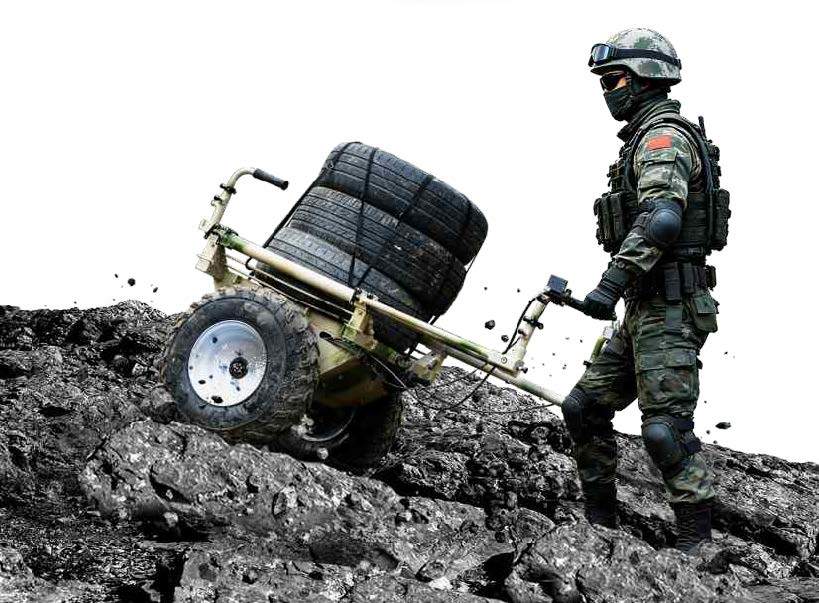
Tactical Individual Carrying Handcart Platform
Automation Research Institute Co., Ltd. of China South Industries Group Corporation
Pneumatic high-pressure wear-resistant ball valve
Zhejiang Deca Control Valve Meter Co., Ltd.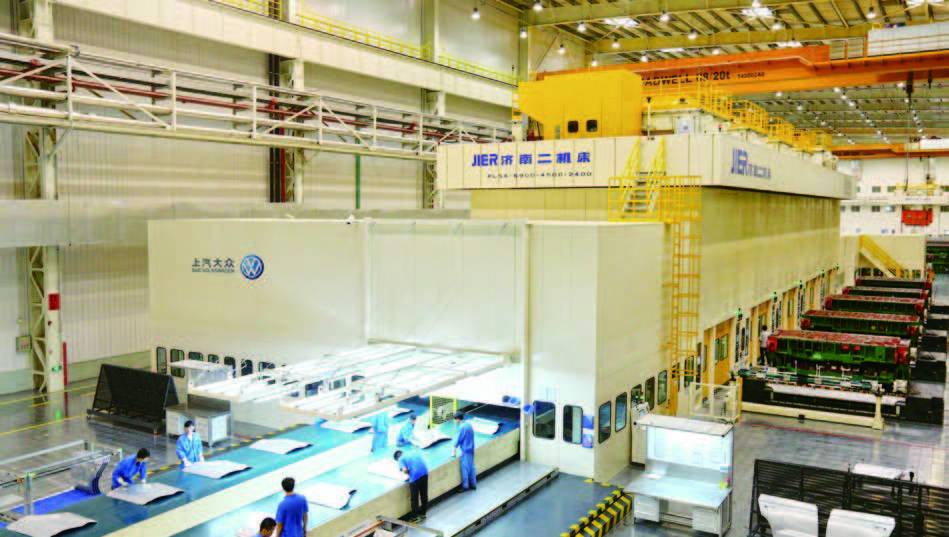
High-Speed Flexible Fully Automatic Stamping Production Line
JIER Machine-Tool Group Co., Ltd.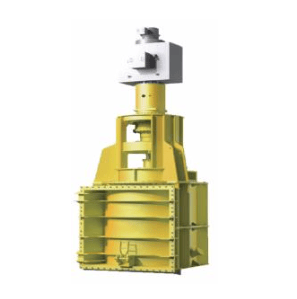
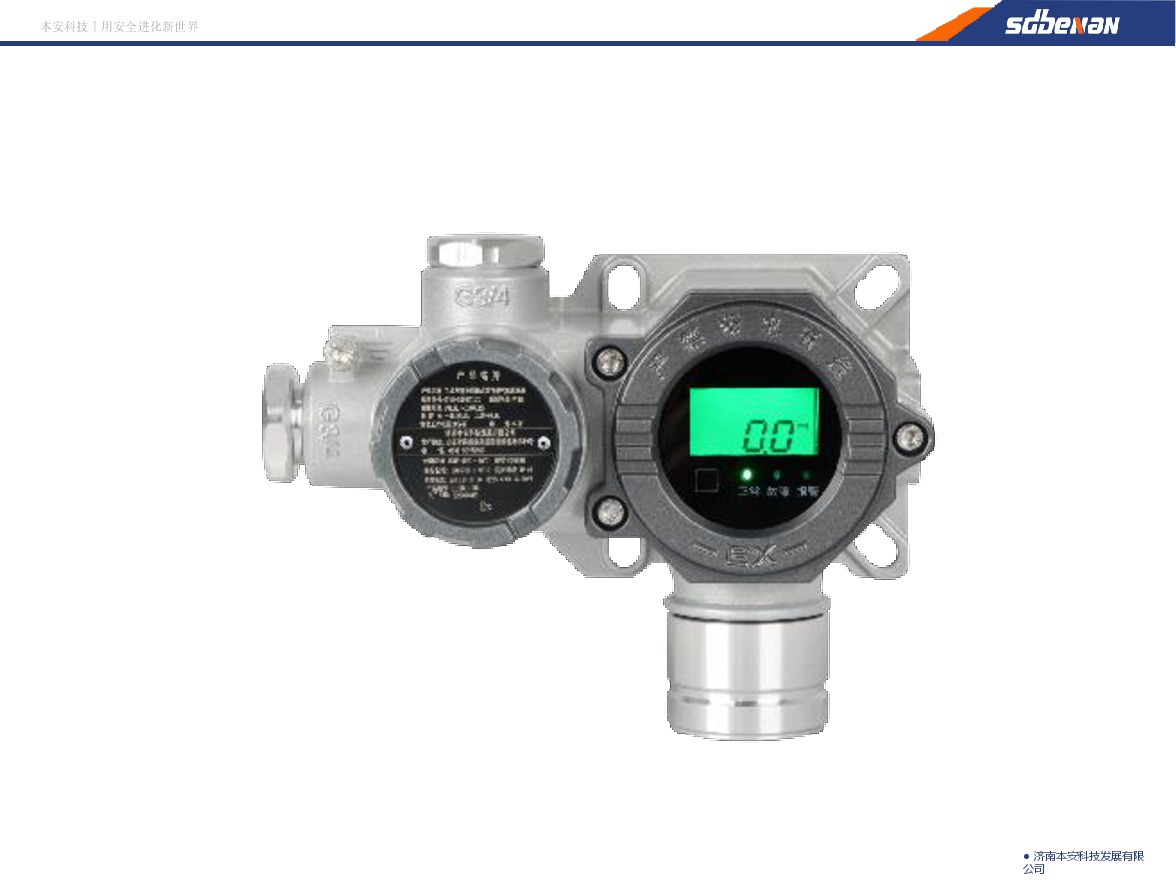
Industrial and Commercial Point-Type Gas Detector
Jinan Benan Technology Development Co., Ltd.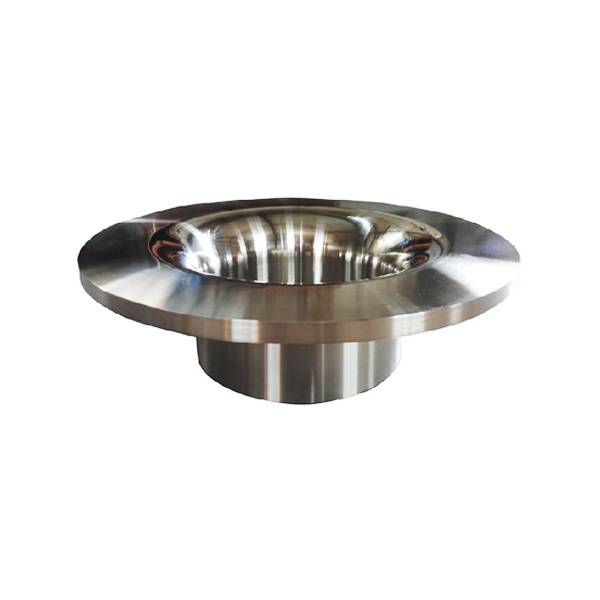
Standard Nozzle Flowmeter
Jinggong Automatic Control Instrument Complete Technology Development Company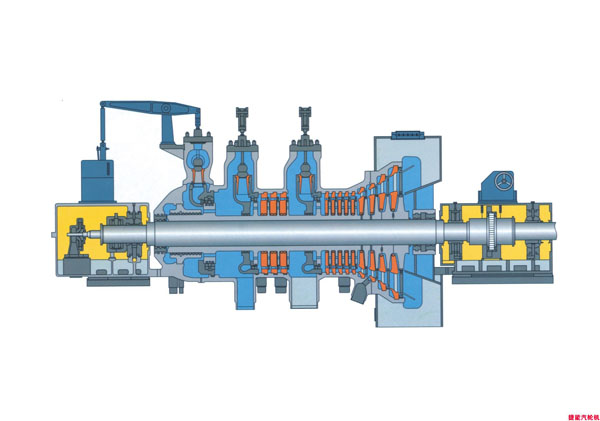

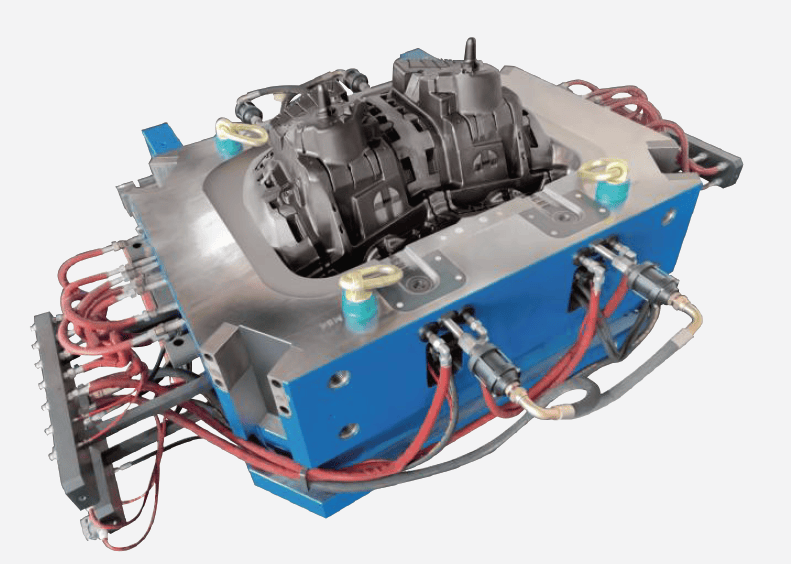
Aluminum-Magnesium Alloy High-Pressure Die-Casting Molds
NINGBO HELI TECHNOLOGY CO., LTD.