Spain's logistics warehousing leasing reaches 751,000 sqm in Q1 2026
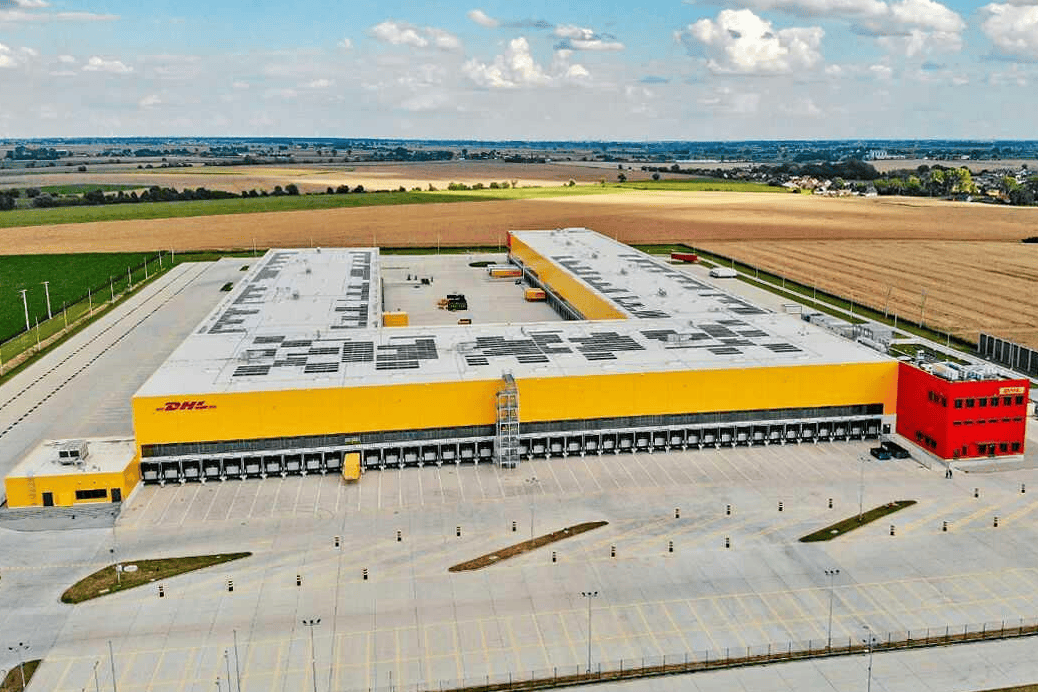
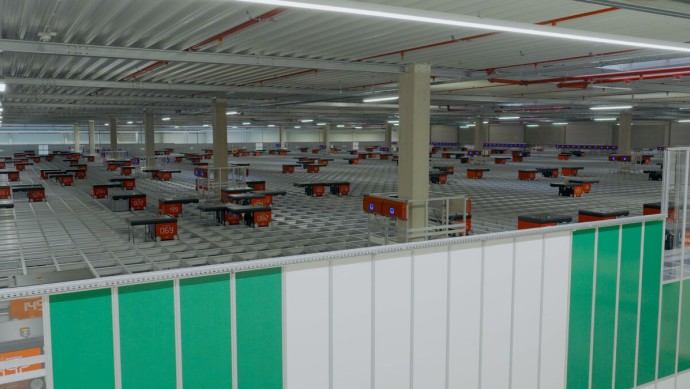
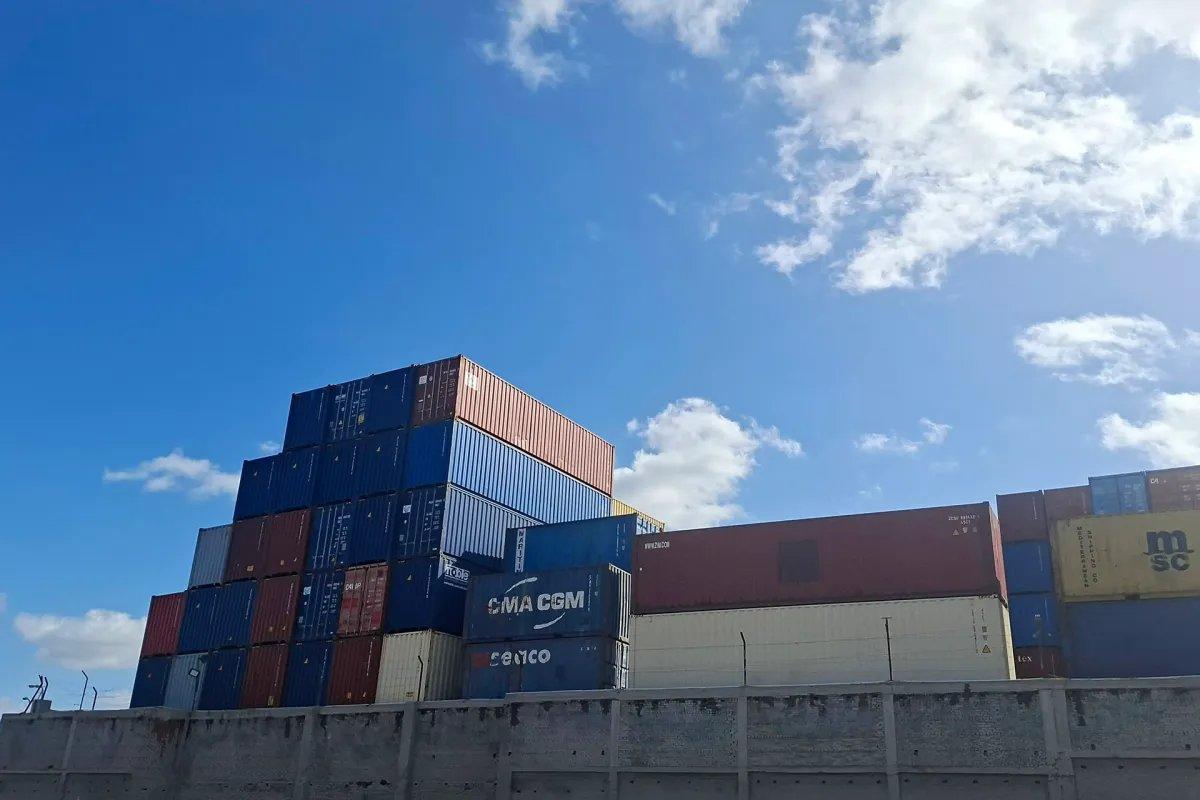
en.Wedoany.com Reported - In the first quarter of 2026, the leasing volume in Spain's logistics warehousing market exceeded 751,000 square meters, up 5% from the same period in 2025. Leasing activity was concentrated mainly in the central region, which recorded 345,000 square meters of leasing; Catalonia recorded 222,000 square meters. This performance continues the trend seen in 2025, when Madrid and Catalonia together recorded a leasing volume of 1.77 million square meters, flat compared to the previous year and 20% above the ten-year average.

In terms of vacancy rates, Madrid-central region stood at 10.3%, Catalonia at 3.1%, with most submarkets below 3%. As of the end of 2025, Valencia recorded a vacancy rate of 0.8%, Barcelona 3.49%, and Madrid 8.7%.
In the most mature locations, the scarcity of finalist land (suelo finalista) and prime logistics product is redefining the decision-making approach of operators, developers, and investors in Spain. Location remains important, but it is no longer a sufficient condition. Energy availability, grid connection capacity, asset flexibility, operational efficiency, and ESG (Environmental, Social, and Governance) criteria are carrying increasing weight in the feasibility assessment of new logistics projects.
Consultancy firm Proequity points out that the concept of "prime location" is evolving. Proximity to major consumption centers, transport corridors, ports, airports, and industrial nodes remains critical, but project feasibility is increasingly determined by other factors: urban planning status, administrative approval timelines, power supply capacity, connection conditions, energy efficiency, and the ability to adapt the design to the actual needs of users.
Some municipalities are being ruled out by developers due to insufficient technical capacity or a lack of personnel to handle development permits and urban planning approvals, as these procedures have no clear timelines. Proequity criticizes this, arguing that it is both incomprehensible and unacceptable for obtaining a permit for an industrial facility on urban land to take more than a year.
The limited supply of finalist land in prime locations is driving the exploration of new areas and fostering the development of alternative markets. Zaragoza, Valencia, Andalusia, the northern Iberian Peninsula, several nodes along the Mediterranean axis, and urban peripheries with good transport links will gain greater attention if they can achieve a match between land supply, infrastructure access, and the ability to meet users' energy and operational needs.
This trend will drive more flexible solutions, including turnkey projects, retrofitting of existing assets, and repositioning of obsolete logistics properties. The core idea is to adapt assets to user needs from the outset: optimizing space utilization, reserving power capacity, introducing sustainability certifications, and reducing the risk of property obsolescence.
For operators, this shift means choosing locations that can support growth, enable process automation, and reduce operating costs; for developers, it requires designing assets that are more flexible, efficient, and energy-ready; for landlords, it offers an opportunity to reposition existing properties; and for investors, energy, adaptability, and ESG performance are becoming key variables in assessing the future liquidity of assets.
The energy transition is adding new complexity to the logistics market. Fleet electrification, warehouse automation, robotics, refrigeration, HVAC, energy monitoring, and photovoltaic self-consumption are making available power and grid access increasingly important at the project definition stage.
Proequity believes that power analysis must be incorporated from the early stages of a project; overlooking this can lead to delays, redesigns, cost overruns, or a loss of competitiveness relative to better-prepared assets. Logistics assets with viable land, good connectivity, energy capacity, ESG solutions, and flexibility of use will be better positioned to attract demand and preserve long-term value.
Related Products



NTE150 Electric Drive Mining Dump Truck
Inner Mongolia North Heavy Industries Group Co., Ltd.
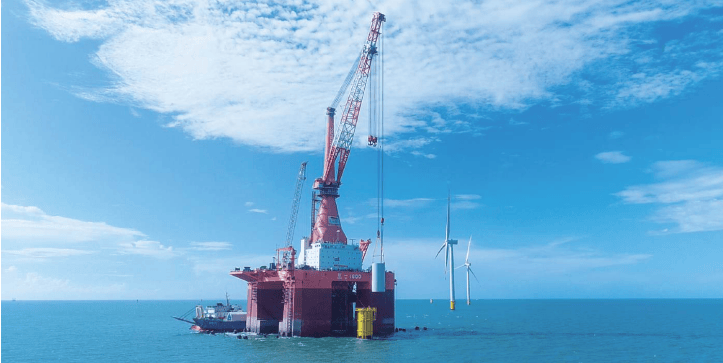
"Shunyi 1600" Deep-submerging Bottom-sitting Multi-functional Wind Power Engineering Vessel
Zhengli Offshore Engineering Co., Ltd.
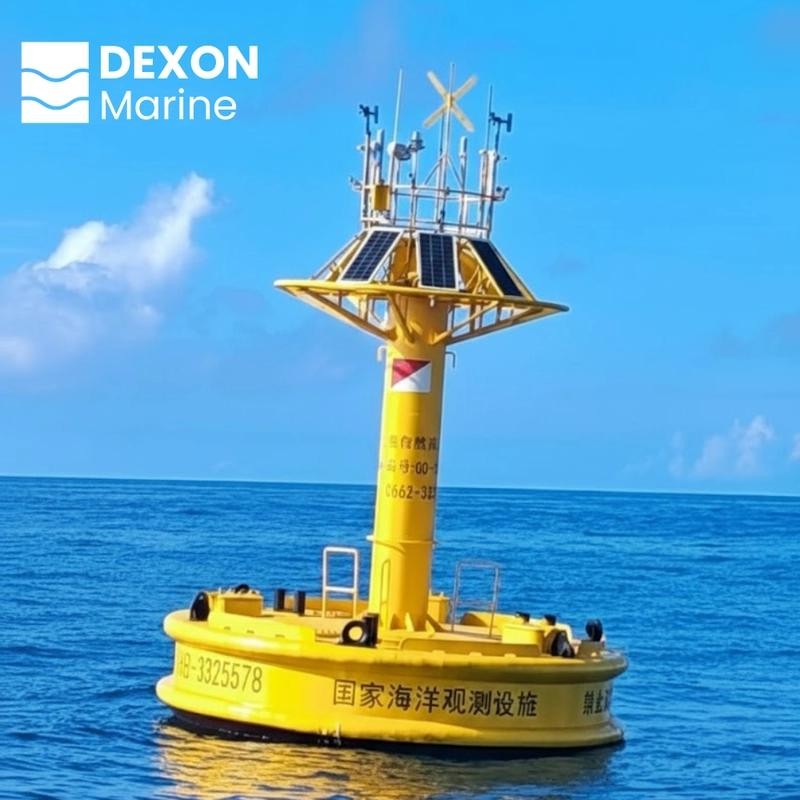
3m intelligent buoy combining navigation safety and real-time marine monitoring integrated navigation and marine monitoring system for real-time maritime data
Chengdu Dixin Technology Co., Ltd.