Caledonia Announces First Resource of 379,000 Ounces at Motapa in Zimbabwe
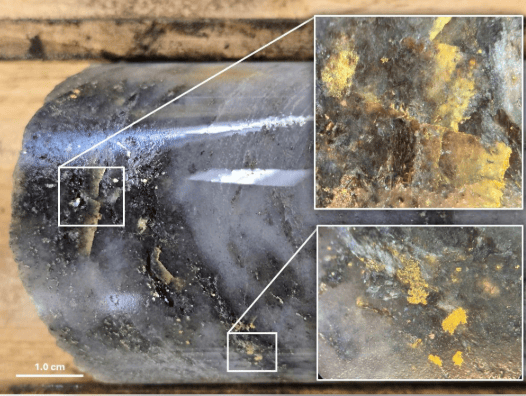
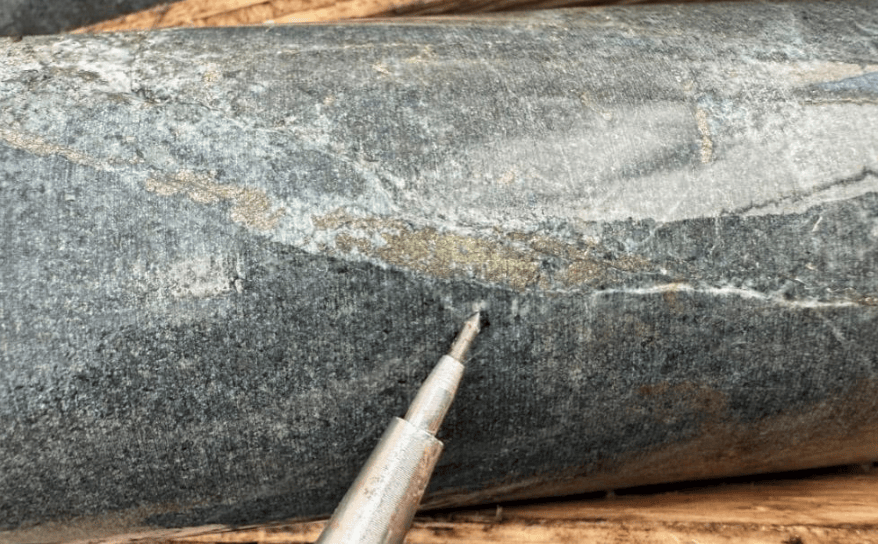
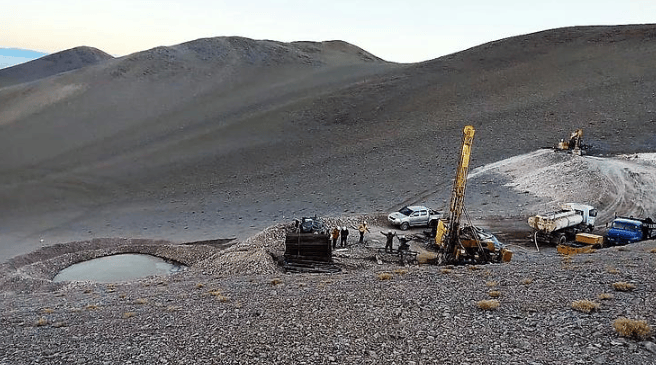
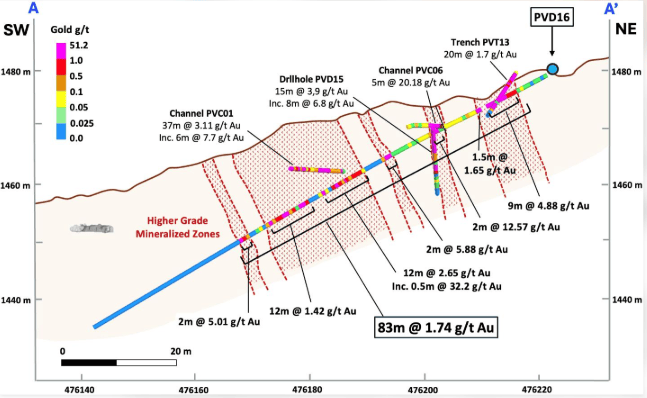
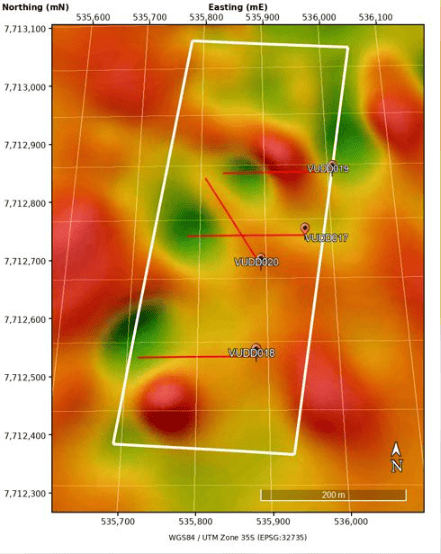
en.Wedoany.com Reported - Caledonia Mining has announced the first Mineral Resource Estimate (MRE) for its wholly-owned Motapa mine in Zimbabwe. The estimate confirms Indicated and Inferred Mineral Resources of 7.8 million tonnes at a gold grade of 1.51 grams per tonne, containing 379,000 ounces of gold at a cut-off grade of 0.5 grams per tonne; in addition, there are Inferred Mineral Resources of 2.7 million tonnes at a gold grade of 1.48 grams per tonne, containing 131,000 ounces of gold at the same cut-off grade of 0.5 grams per tonne.
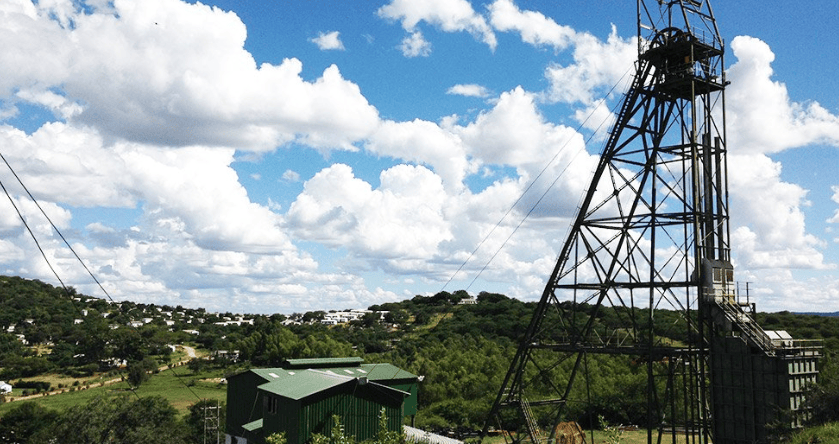
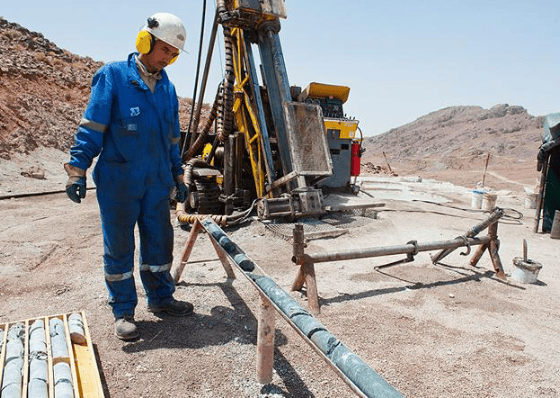
Exploration expenditure associated with this MRE totaled US$7.08 million, with an initial acquisition cost of US$8.25 million, bringing the combined exploration discovery and acquisition cost to US$40.45 per Indicated and Inferred ounce. Caledonia Chief Executive Officer Mark Learmonth stated that the inaugural MRE at Motapa is a significant milestone for the company, reflecting the value created by exploration activities over the past two years. He also emphasized that the acquisition of Motapa is a highly strategic move that should be viewed in conjunction with ownership of the adjacent Bilboes gold project.
The Bilboes project is currently under development, with first gold production expected by the end of 2028, and already hosts substantial mineral resources. Learmonth noted that Bilboes itself still holds significant exploration potential, and the company expects to evaluate and advance its broader exploration potential in due course. He also stated that the identification of 379,000 ounces in the Indicated and Inferred resource category, with a further 131,000 ounces in the Inferred category, demonstrates the value of the exploration work completed to date, particularly achieving this at an estimated combined exploration discovery and acquisition cost of approximately US$40.45 per Indicated and Inferred ounce, which is gratifying.
Learmonth said the inaugural MRE at Motapa supports the company's view that the combined Bilboes and Motapa assets have the potential to support a larger-scale operation in the future, or to extend Bilboes' currently planned production profile of 1.5 million ounces of gold over a 10.8-year Life of Mine (LoM). While further exploration, metallurgical testing, technical studies, and economic assessments are still required, the proximity of the two assets presents a compelling long-term opportunity. Caledonia's immediate priority remains bringing Bilboes into production as planned by the end of 2028, while continuing to advance exploration at Motapa during the Bilboes construction period.
In a separate statement, Caledonia announced updated underground resource figures for its Blanket gold mine in Zimbabwe. Underground Indicated and Inferred Mineral Resources increased by 22% to 2.18 million ounces of gold, contained within 17.7 million tonnes of ore at a gold grade of 3.83 grams per tonne; of this, Indicated Resources increased by 48%, reflecting the success of the underground drilling and development program. Surface oxide and transitional material confirmed Indicated Resources of 22,000 ounces of gold, contained within 1.02 million tonnes of ore at a gold grade of 0.69 grams per tonne; with a further Indicated Resource of 8,000 ounces of gold contained within 228,000 tonnes of sulphide material at a gold grade of 1.07 grams per tonne.
Caledonia stated that these MRE results enhance confidence in Blanket's long-term production profile and will serve as the basis for a revised LoM plan and subsequent Mineral Reserve update. Learmonth noted that since the Central Shaft came into operation in 2021, the company has utilized the increased operational capacity to restart underground exploration, investing US$3.73 million in deep drilling at Blanket over the past six years, adding 1.28 million ounces of Indicated and Inferred gold resources before depletion, corresponding to a discovery cost of US$2.92 per ounce. The latest MRE again demonstrates that mineralization at Blanket continues to extend at depth, with generally improving grades and widths, and there is potential to extend the mine life through deeper mining.
Progress has been made on technical studies evaluating the optimal methods for extending Blanket operations further below the current depth of 1,100 meters below surface, with conclusions expected to be released by the end of this year. Learmonth also disclosed that a newly discovered surface oxide orebody presents the potential for incremental gold production in the near term. Metallurgical testing on whether the oxide material is suitable for heap leach processing has shown recovery rates of up to 67%. Preparations will soon begin for a trial heap leach pad and the mining of a 10,000-tonne sample, with necessary environmental permit applications already submitted. Should the evaluation proceed favorably and permits be granted, oxide mining and processing could commence in the first half of 2027, with a target mining rate of 40,000 tonnes of ore per month.
Learmonth added that a small sulphide resource discovered beneath the new oxide resource was unexpected and requires further evaluation, but could generate incremental gold production from sulphide material in shallower areas of the Blanket underground operation, thereby enhancing mine flexibility and alleviating pressure on high-production areas at depth. Caledonia will next assess whether this material is suitable for processing through Blanket's existing processing plant.
Related Products


Industrial and Commercial Point-Type Gas Detector
Jinan Benan Technology Development Co., Ltd.

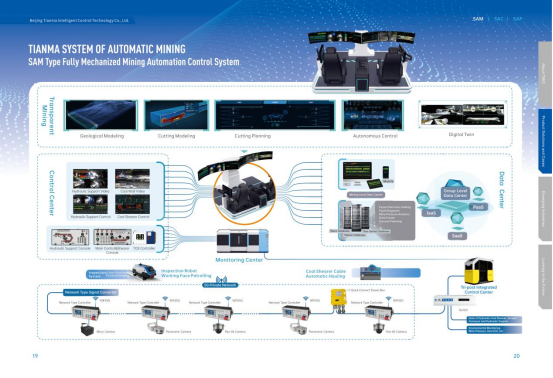
Comprehensive Mining Automation Control System
Beijing Tianma Intelligent Control Technology Co., Ltd.
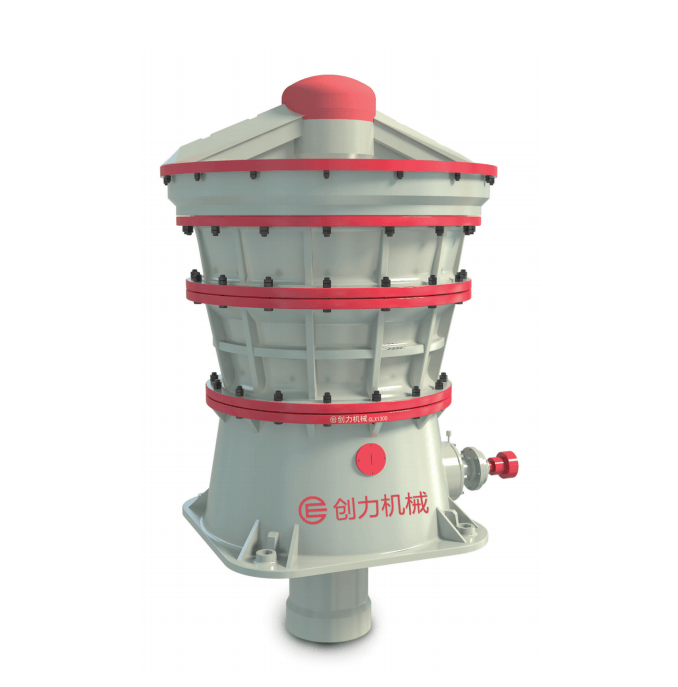
CLX Series Intelligent Hydraulic Gyratory Crusher
Guangdong CHUANGLI intelligent machinery Equipment Co., LTD
CITIC Heavy Industries Metallurgical Equipment Steel Smelting Engineering Equipment
CITIC Heavy Industries Co., Ltd.