NASA's Roman Space Telescope Launches Aboard Falcon Heavy
en.Wedoany.com Reported - At 7:26 a.m. local time on August 30, NASA's Nancy Grace Roman Space Telescope lifted off aboard a SpaceX Falcon Heavy rocket from Launch Complex 39A at Kennedy Space Center in Florida. Approximately 31 minutes after launch, the telescope separated from the rocket's second stage at 7:57 a.m. and began independent flight; NASA ground teams had previously established communications with the telescope via the Tracking and Data Relay Satellite System at 7:33 a.m.
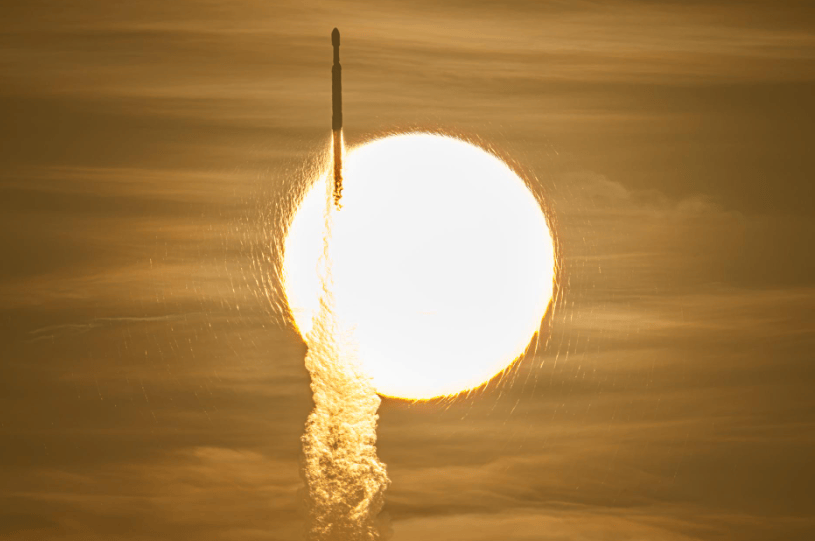
The Falcon Heavy's two side boosters returned to Florida and landed after separation, and the rocket's second stage completed two burns to place the Roman Space Telescope on a trajectory toward the Sun-Earth Lagrange Point 2 (L2). One hour and 23 minutes after separation, the telescope's solar panels and lower instrument sunshade were deployed. Roman will then travel approximately 3 months and about 1 million miles (approximately 1.5 million kilometers) before arriving at L2, followed by on-orbit commissioning.
According to NASA's on-orbit plan, Roman will deploy its high-gain antenna and deployable aperture cover within days after launch, and perform the first of two mid-course correction maneuvers, with the coronagraph also being activated. Several weeks later, its primary science instrument, the Wide Field Instrument, will be powered on, followed by instrument calibration, optical alignment, and performance testing. NASA expects to begin science observations after the approximately 3-month commissioning period is complete, with the first science images released in early 2027.
The Roman Space Telescope is equipped with a primary mirror measuring 2.4 meters in diameter, the same size as the Hubble Space Telescope's primary mirror, and carries two primary instruments: the Wide Field Instrument and the Coronagraph Instrument. The Wide Field Instrument features a near-infrared imaging system of approximately 300 million pixels, covering at least 100 times the sky area of Hubble in a single observation, and can survey up to 1,000 times faster than Hubble while maintaining comparable sensitivity and infrared resolution. The Coronagraph Instrument is used to conduct high-contrast direct imaging of exoplanets and validate spectroscopic observation techniques.
Roman's primary science mission is 5 years in duration, with a mission goal of extending to 10 years. During operations, the telescope plans to observe billions of galaxies as well as stars and planetary systems within the Milky Way, and NASA expects its survey data to yield approximately 100,000 exoplanet discoveries. The telescope is expected to transmit approximately 1.4 TB of data to Earth per day, making it NASA's highest data-volume astrophysics mission to date; processed data generated over the five-year primary mission is expected to total approximately 20 PB.
NASA's current full life-cycle cost estimate for the Roman project, including development, launch, and operations, is approximately $4.3 billion. The telescope's previous mission schedule required launch no later than May 2027; with the spacecraft completing assembly and testing ahead of schedule, NASA and SpaceX moved the launch up to August 30, 2026, approximately 9 months earlier than the original schedule ceiling. This is also the fourth major mission NASA has flown on the Falcon Heavy rocket.
Related Products


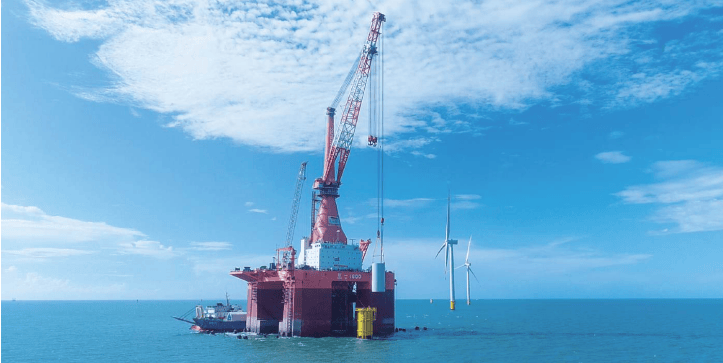
"Shunyi 1600" Deep-submerging Bottom-sitting Multi-functional Wind Power Engineering Vessel
Zhengli Offshore Engineering Co., Ltd.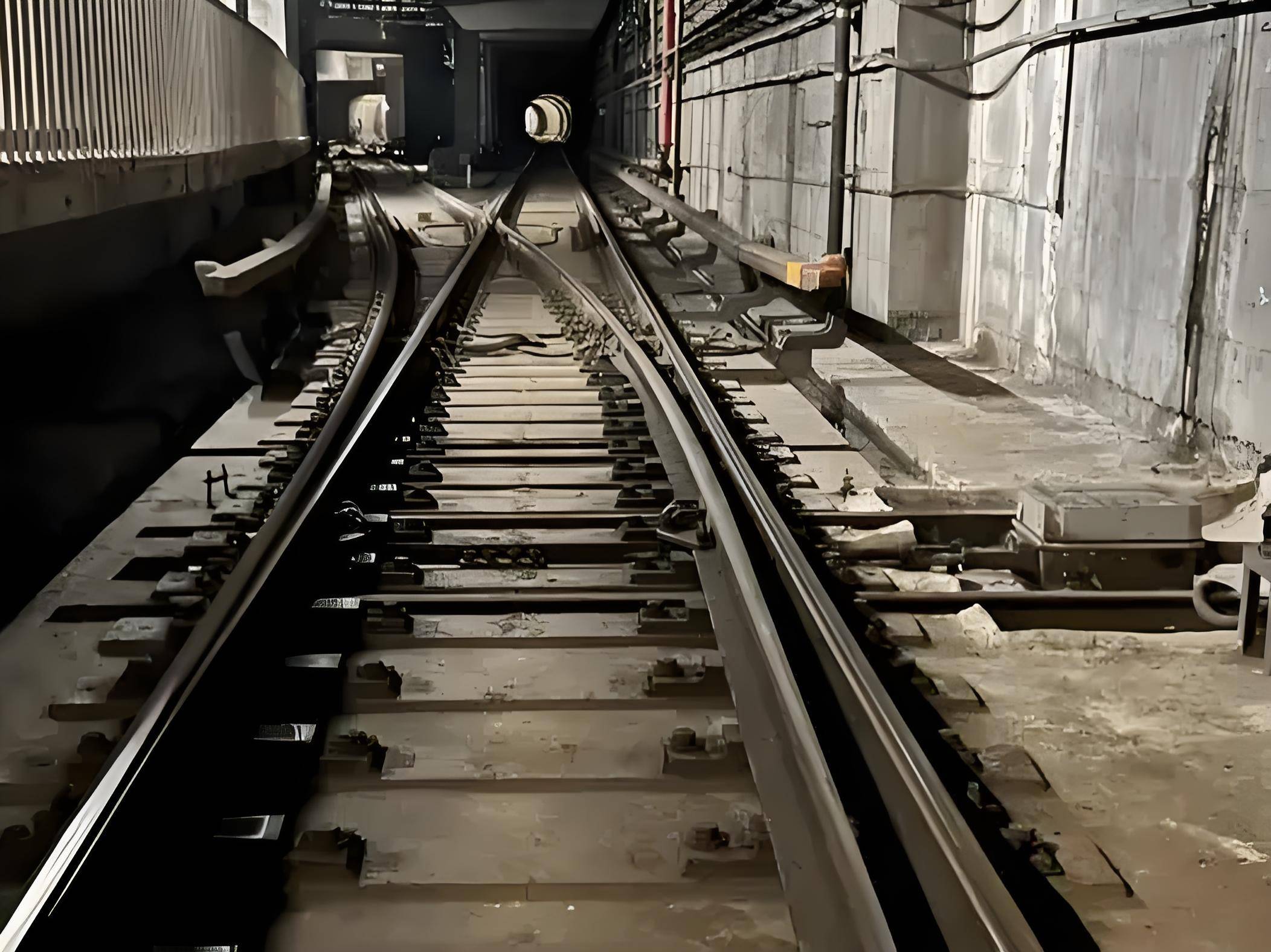
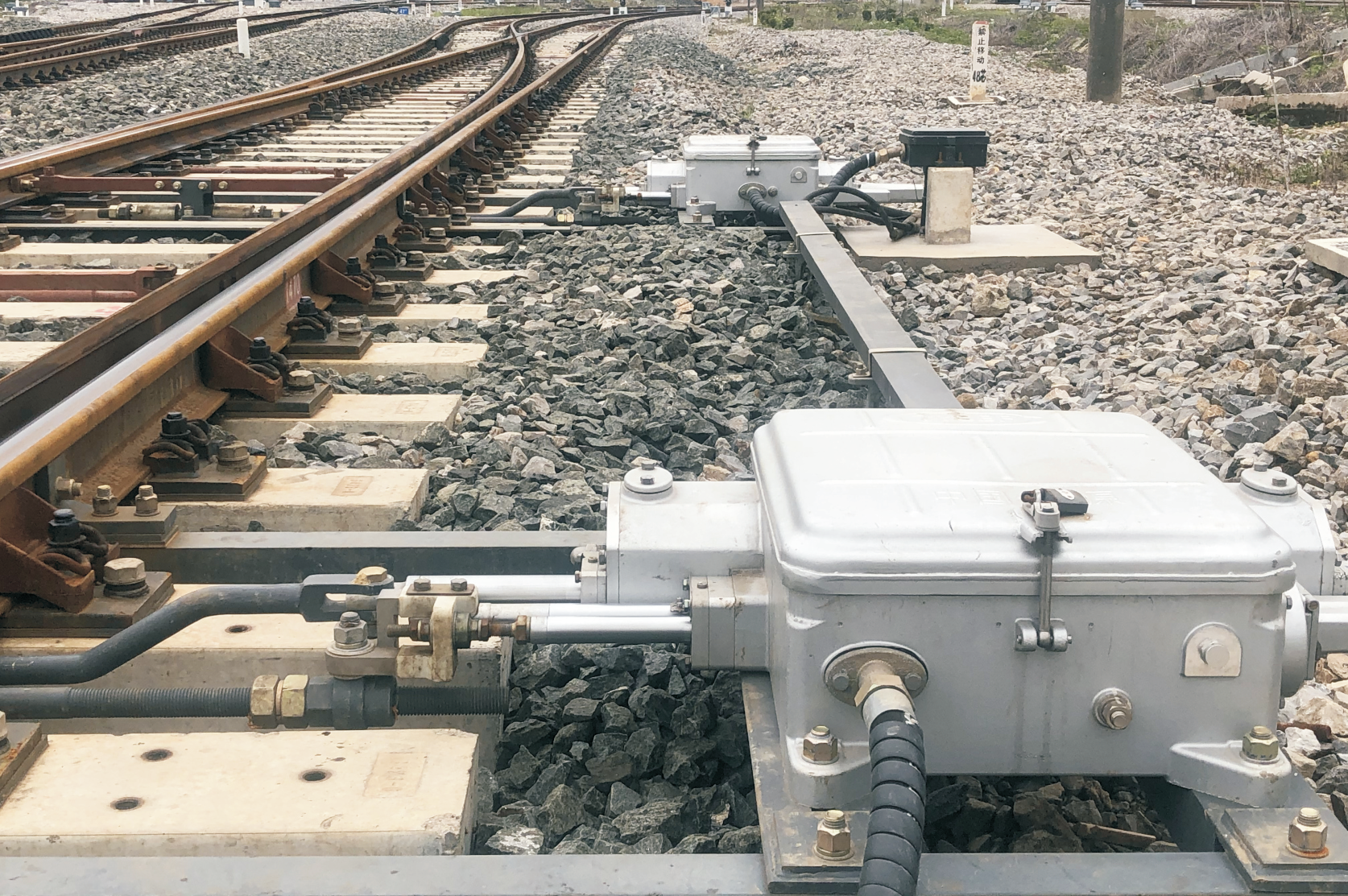
ZY(J)7(M) Sealed Type Electro-Hydraulic Turnout Machine
TAIYUAN CR JINGFENG EQUIPMENT TECHNOLOGY CO., LTD.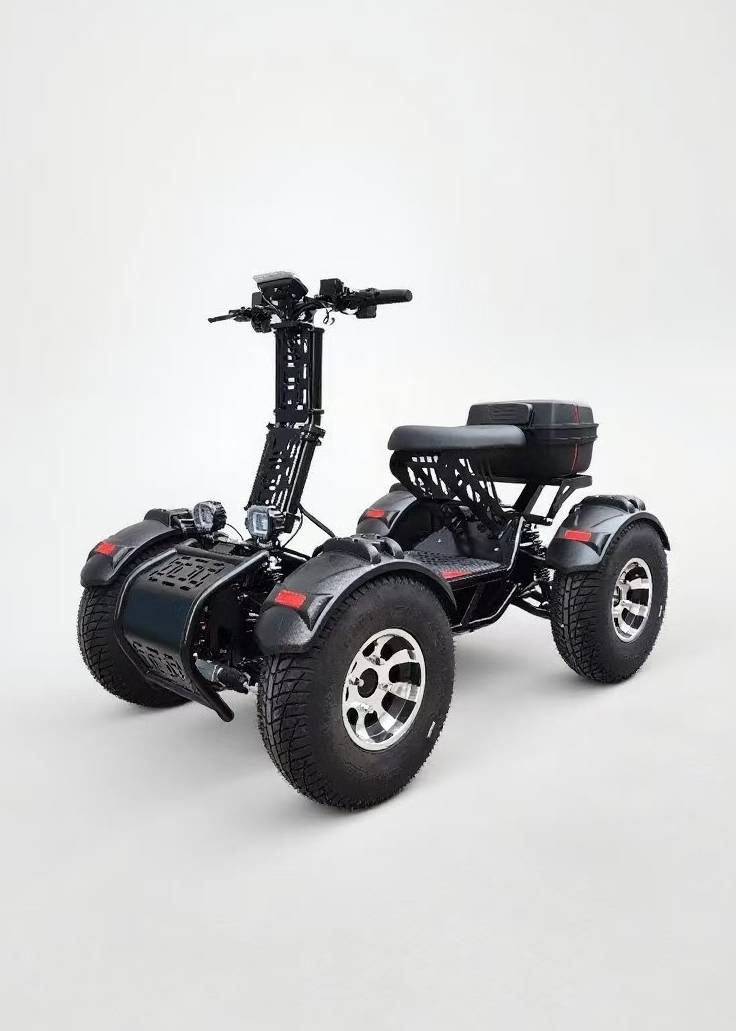

CLW5180TXSD6 Dongfeng Tianjin Washing and Sweeping Truck
ChengLi Special Automobile Co., Ltd.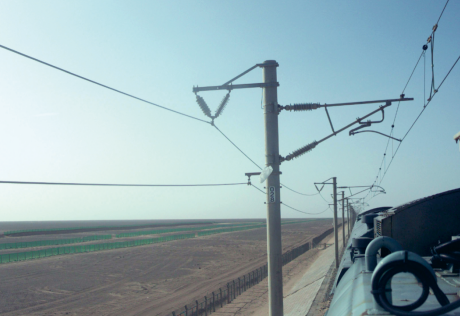
Pantograph-Catenary Comprehensive Detection Device (1C)
CHENGDU TANGYUAN ELECTRIC CO., LTD.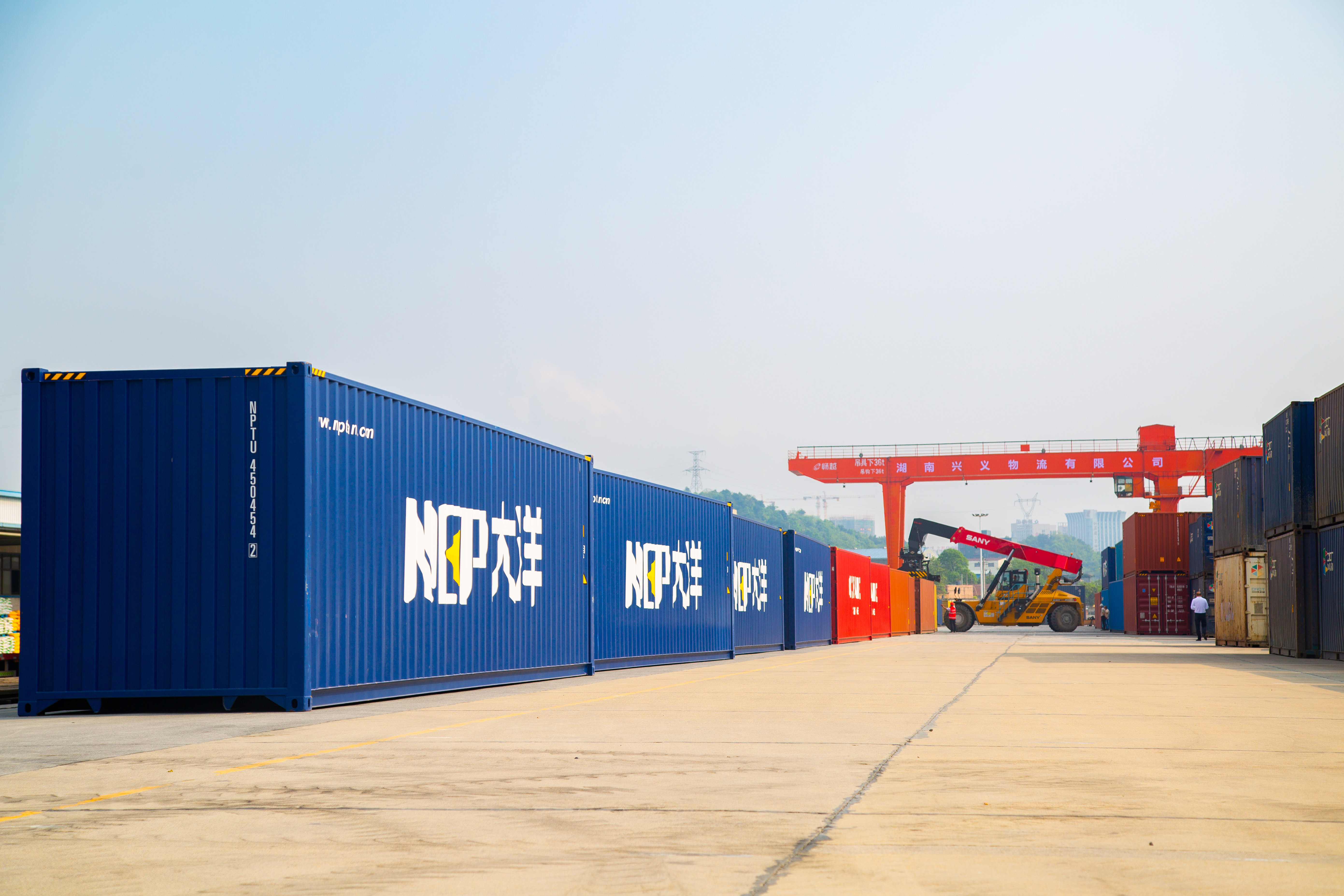
China - Alashankou/Khorgos - Europe Full Range Transportation (Mala/Hamburg/Duisburg/Budapest, etc.)
Shenzhen Neptune Logistics Co., Ltd.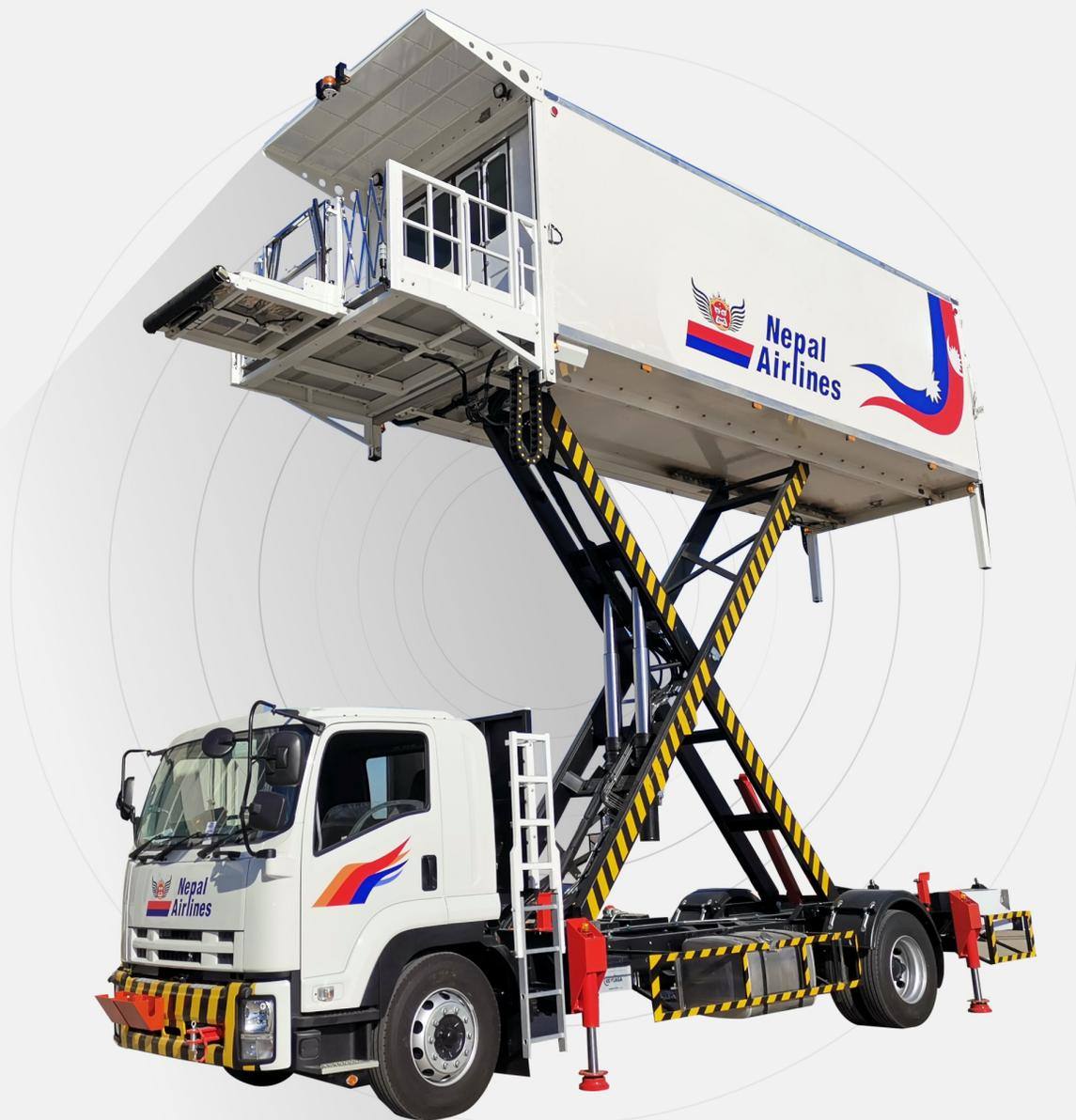
XC-6000e Type Aviation Catering Truck (Fuel Type)
Shenzhen CIMC-TianDa Airport Support Ltd.